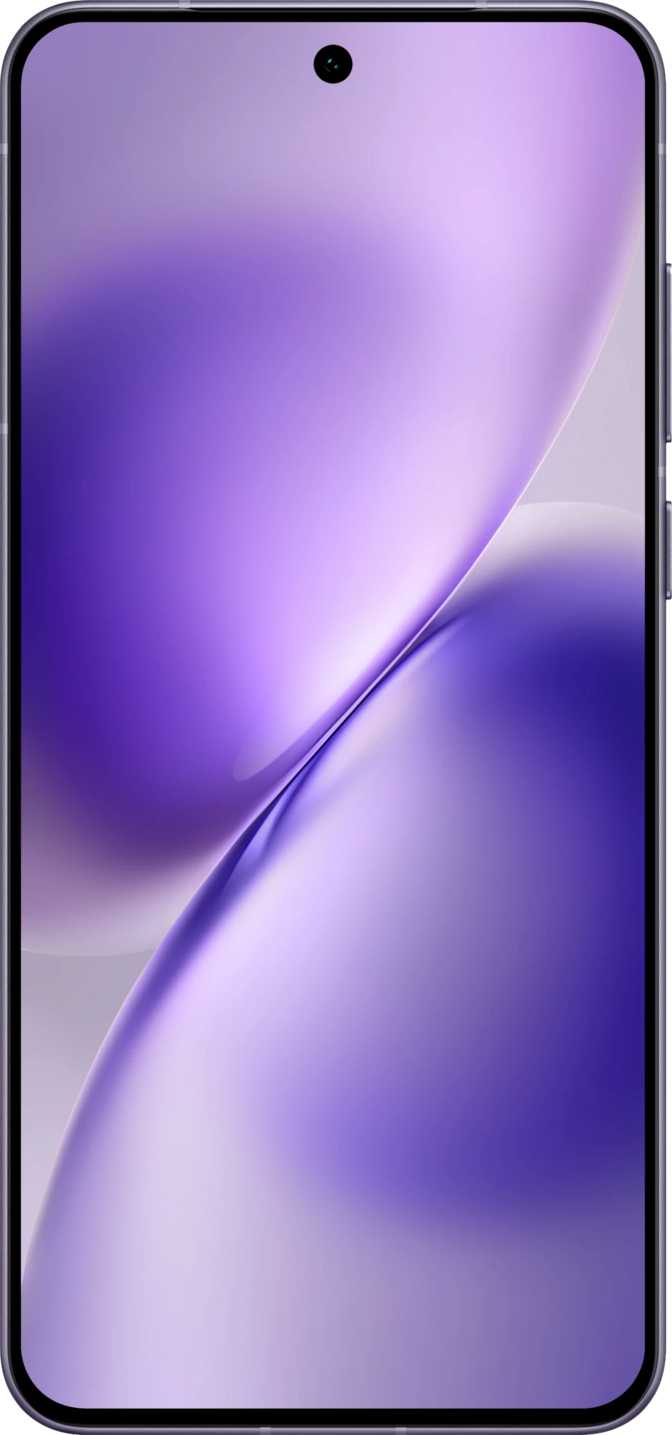
Vivo X200T Full Review: Flagship Performance, Real Trade-offs
SmartphonesThe Vivo X200T arrives in a market segment that is increasingly difficult to navigate. Mid-to-upper-tier Android phones have converged so aggressively that most buyers are choosing between near-identical experiences separated by marginal differences. The X200T does not play that game — it makes deliberate choices, some that will genuinely impress, and at least one that will cause serious buyers to pause. Understanding both sides is the entire point of this review.
Dimensity 9400 Plus
3nm Flagship Chipset
6.67" OLED · 460 ppi
120Hz · HDR10+
Triple 50MP System
15–70mm · 3x Optical Zoom
6200 mAh · 90W
IP68 · Charger Included
Design and Build: Slim, Serious, and Genuinely Waterproof
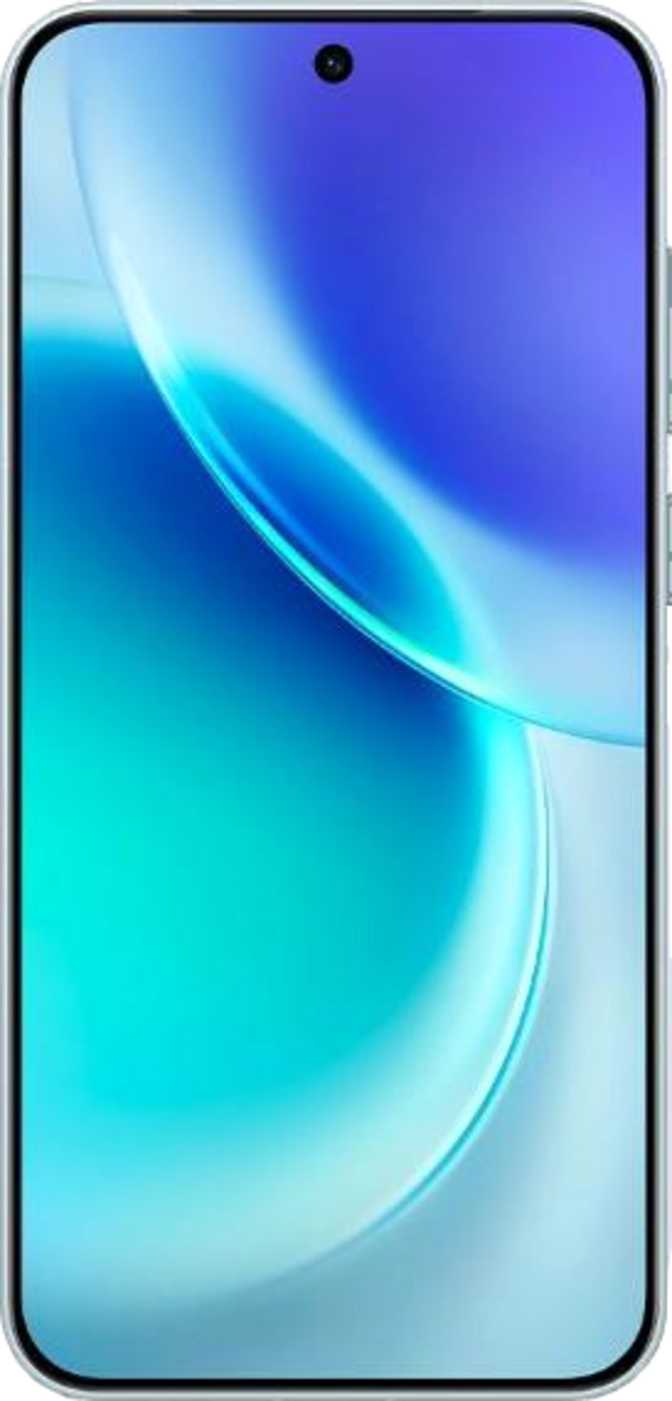
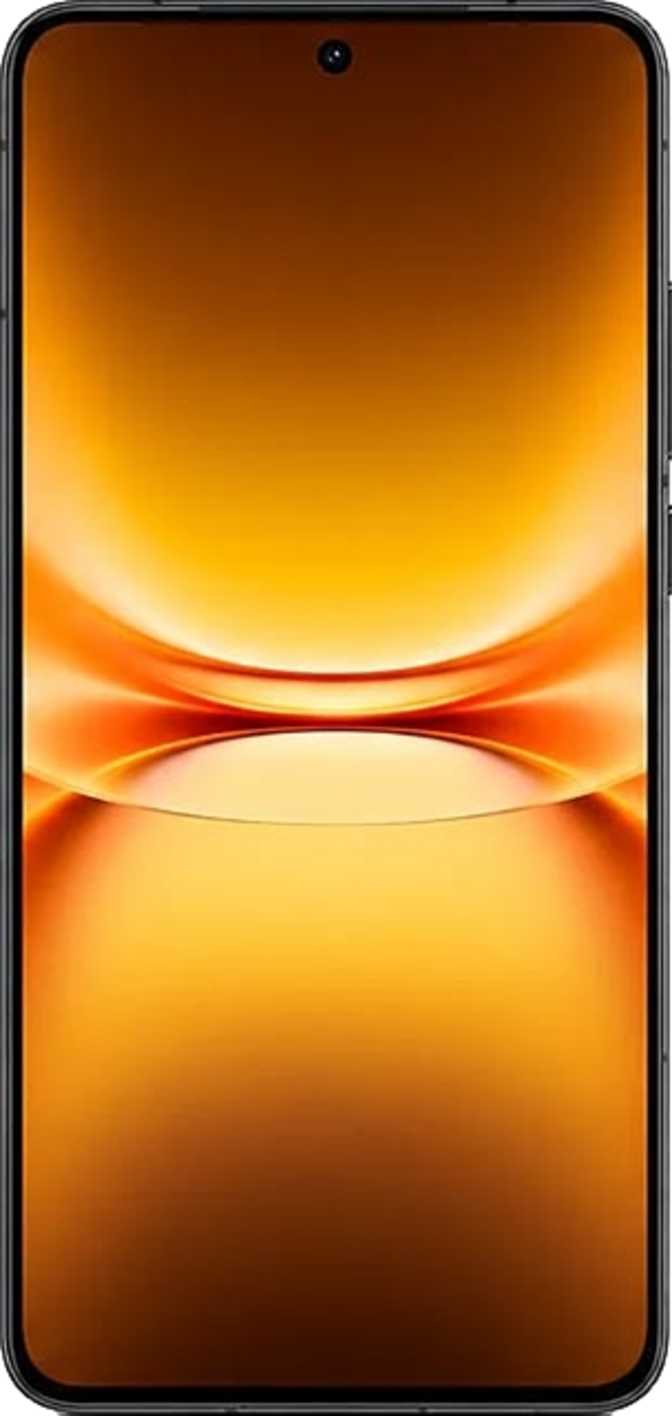
At 8mm thin and 203 grams, the X200T occupies a specific physical profile that is increasingly rare: genuinely slim without feeling fragile, and heavy enough to feel substantial without tipping into fatigue during long calls or extended sessions. The 74.3mm width sits at the outer edge of single-handed comfort for most people, but the thinness compensates by making the phone easier to palm than the raw measurement suggests.
The display is flat, not curved — a deliberate choice that eliminates the accidental touch registrations and color distortion that plague curved-edge designs. The screen is protected by branded damage-resistant glass, though not sapphire crystal.
IP68 Waterproofing — The Highest Consumer Standard
IP68 is a standardized IEC rating confirming the X200T can survive immersion in up to 1.5 meters of fresh water. Rain, poolside use, bathroom splashes, and accidental shallow drops are handled without concern. For buyers who have destroyed a phone through liquid damage before, this alone justifies serious consideration.
Key Dimensions
- Height
- 160 mm
- Width
- 74.3 mm
- Thickness
- 8 mm
- Weight
- 203 g
Display: Where High Pixel Density Actually Matters
The Panel Itself
The 6.67-inch OLED screen operates at 460 pixels per inch. The human eye, under normal viewing conditions, cannot distinguish individual pixels beyond approximately 300 ppi. At 460 ppi, text appears as sharp as print, fine gradients are perfectly smooth, and even when holding the phone close to your face the image holds up completely. This is the kind of sharpness that becomes invisible — not because it is absent, but because it is so complete your brain stops registering pixels as a variable.
The 120Hz refresh rate means the display redraws 120 times per second. Scrolling through a webpage, swiping between apps, and moving through menus all feel physically immediate in a way that 60Hz panels do not. This is one of those specifications that is genuinely felt rather than measured.
6.67"
OLED Screen Size
460
Pixels Per Inch
120Hz
Refresh Rate
HDR10+
Dynamic HDR Support
HDR and Color Accuracy
The panel supports both HDR10 and HDR10+ — the latter being the dynamic version that adjusts tone mapping on a scene-by-scene basis rather than applying a single static profile to the entire video. For streaming content with high-contrast scenes, a film where bright sunlight and deep shadow appear in the same frame will render with more accurate brightness levels than on a non-HDR10+ panel.
Dolby Vision is not supported. Buyers who specifically stream from platforms delivering Dolby Vision content will want to note this. For the vast majority of viewers the difference will not be practically visible, but the absence is worth knowing before purchasing. The Always-On Display feature is present, keeping the clock and notification indicators visible without waking the full screen.
Performance: The Dimensity 9400 Plus Is Not a Compromise
What This Chip Actually Represents
The MediaTek Dimensity 9400 Plus is built on a 3-nanometer manufacturing process — the same generation of fabrication technology used in the highest-performing chips shipping in any consumer device today. Smaller transistors mean more computing power delivered with less heat and better power efficiency. This is not a mid-range chip dressed up in a flagship phone; it is a flagship chip, full stop.
The CPU runs a single ultra-high-performance core at 3.73 GHz, four high-performance cores at 3.3 GHz, and three efficiency cores at 2.4 GHz. This big.LITTLE arrangement allows the phone to engage only what it needs: efficiency cores handle background sync and reading messages, while performance cores engage for app launches and gaming. The result is a phone that does not waste battery grinding through a powerful core for tasks that do not need it.
Benchmark Reality
Reflects app launches, UI animations, and everyday responsiveness
Reflects video rendering, heavy gaming, and complex multitasking
Both scores place the X200T within the performance tier occupied by the best Android phones available anywhere at any price point. This is not a chip waiting to feel slow in two years.
Memory, Storage, and Graphics
The 12GB of DDR5 RAM operates at a speed where data retrieval from memory is rarely a bottleneck. The dedicated Immortalis G925 GPU — running at 1,300 MHz — is the top-tier mobile graphics processor in MediaTek's lineup and handles modern games at high settings with stability. A memory bandwidth ceiling of 85.3 GB/s means the gap between what the processor requests and what memory can deliver is effectively invisible during normal use, and a 12MB onboard cache reduces how often the processor needs to reach out to RAM at all.
The 512GB of internal storage is generous by most standards — but there is no external memory slot. Buyers with large local media libraries should account for this ceiling upfront, since expansion is not an option.
Camera System: Versatile Focal Range, Real-World Caveats
The Triple 50MP Configuration
All three rear cameras resolve images at 50 megapixels — main, ultrawide, and telephoto. This matters because it removes the quality drop-off that typically occurs when switching between lenses. On phones with a high-resolution primary lens paired with a low-resolution telephoto, the zoom shot always looks softer than the main shot. Here, every lens starts with the same resolution ceiling.
Aperture
f/1.6
Focal Length
~24mm equiv.
Widest aperture of the three — strongest low-light capability and most background blur in portraits.
Aperture
f/2.0
Focal Length
15mm
Wide architectural shots and expansive landscapes without excessive perspective distortion.
Aperture
f/2.6
Focal Length
70mm · 3x Optical
Flattering compression for portraits; subjects at medium-to-long distance captured cleanly.
Autofocus and Manual Controls
The camera uses a hybrid autofocus system combining phase-detection and laser autofocus. Phase-detection is fast and accurate for tracking moving subjects; laser assists in low-contrast scenes where phase-detection can hunt or hesitate. Continuous autofocus during video recording means subjects stay sharp during movement without needing to tap-to-focus manually.
Manual controls are extensive: ISO adjustment, manual focus, manual white balance, and manual exposure are all accessible. RAW file capture is supported — photographers who post-process images can extract uncompressed sensor data and apply their own tone curves and color grading. This level of control is one that budget and mid-range phones routinely withhold.
OIS physically compensates for hand tremor — particularly valuable for telephoto shots and low-light photography where longer exposures increase blur risk. Its absence on a phone with a 70mm telephoto lens is a meaningful omission. Electronic stabilization covers it partially, but buyers who frequently shoot handheld in dim environments or at full telephoto reach will notice the difference against OIS-equipped alternatives.
Video and Front Camera
The main camera records at 4K resolution with a 60 frames-per-second ceiling — suitable for cropping in post-production, stable delivery on social platforms, and professional-quality content creation. HDR10 video recording and Dolby Vision recording are both unsupported — a limitation content creators who need HDR video output should factor in before purchasing.
The front camera resolves at 32 megapixels with an f/2.0 aperture — sufficient for good selfie exposure in varied lighting and high enough resolution for cropping flexibility. It does not have a front-facing LED flash.
Battery and Charging: A Genuinely Large Cell, Wired Only
Endurance
A typical smartphone user — checking social media, navigating with GPS for 30 minutes, streaming video for an hour, taking calls — draws roughly 300 to 400 mAh per hour in mixed use. The X200T's large cell, combined with the efficiency of its 3nm chipset, should comfortably support a full day and push toward a day and a half for moderate users. Heavy users — sustained gaming, always-on navigation, prolonged camera use — will close the gap, but reaching end of day near empty rather than mid-afternoon is a realistic expectation.
Charging Speed
At 90W, the wired charging speed is among the faster implementations available on Android phones. Charging from critically low to approximately 50% in well under 30 minutes is achievable at this wattage. A charger is included in the box — relevant, given that this is no longer universal practice among manufacturers.
90W
Wired Fast Charging
6200
mAh Battery Capacity
Wireless Charging — Verify Before Purchasing
The specification data contains a notable inconsistency: wireless charging is listed as unsupported in one field, while a 40W wireless charging speed appears in another. Buyers who depend on wireless charging pads should verify this against official product documentation before purchasing. Reverse wireless charging — placing earbuds or a smartwatch on the back to top them up — is not available.
Software: Android 16 with Meaningful Privacy Tools
The X200T ships with Android 16 — the current Android release — which means the software foundation is as current as it gets at the time of availability. The privacy toolkit goes well beyond basic permission toggles.
- App tracking blocked at the system level
- Clipboard access triggers visible on-screen warnings
- Location sharing controlled per-application
- Camera and microphone access managed per-app
- Dynamic theming adapts interface colors to wallpaper
- Split-screen multitasking and picture-in-picture
- Offline voice recognition — works without an internet connection
- Always-On Display, dark mode, and widgets all supported
OS updates do not come directly from Google but are mediated through Vivo. For buyers who prioritize receiving security patches on Google's own schedule, this is a standard consideration with any manufacturer-skinned Android device.
Connectivity: Wi-Fi 7 and the USB Consideration
Wireless Networking and Audio
Wi-Fi 7 support is present — the newest Wi-Fi generation, offering higher throughput, lower latency, and better performance in congested environments than previous generations. In practical use today the X200T operates on existing Wi-Fi 6 and Wi-Fi 5 networks without issue, and is positioned to take advantage of Wi-Fi 7 infrastructure as it becomes more widely deployed.
Bluetooth 5.4 handles wireless audio with aptX and aptX HD codec support — delivering noticeably higher quality than standard SBC encoding. LDAC and aptX Adaptive are not included, meaning the phone is solidly capable for wireless audio but does not reach the absolute ceiling of Bluetooth audio quality.
SIM, 5G, and Navigation
5G is supported, and the dual SIM configuration accepts two physical SIM cards plus two eSIMs — a flexible arrangement for people who carry two numbers, travel internationally, or want to switch carriers digitally without handling physical cards.
GPS and Galileo satellite positioning are both supported, providing reliable location accuracy across the major global navigation systems. NFC is present for contactless payments. There is no infrared blaster, no barometer, and no satellite SOS connectivity.
For day-to-day use — syncing playlists, transferring a document — this is perfectly functional. For users who regularly move large 4K video files between the phone and a workstation, transfer times will be noticeably longer than a USB 3.x connection would allow. Cloud-based file management largely sidesteps this, but it is worth knowing upfront. The 3.5mm headphone jack is also absent — wired audio requires a USB-C adapter or Bluetooth.
Who This Phone Is For — and Who Should Look Elsewhere
Strong Candidates
- Heavy gamers who want top-tier mobile performance without flagship pricing
- Outdoor users and those in rainy climates who need genuine IP68 protection
- Photography enthusiasts who shoot RAW and need multiple focal lengths
- Users fatigued by battery anxiety who want genuine all-day-plus endurance
- Buyers who dislike curved screens and want a flat, distortion-free display
- Those who need 512GB of storage without relying on cloud services daily
Think Carefully If You Need
- Optical Image Stabilization — handheld telephoto and low-light video are where the X200T concedes ground to rivals
- Wireless charging — spec data is ambiguous; verify before purchasing if this is non-negotiable
- Fast wired data transfer — USB 2.0 limits how quickly large files move to a workstation
- Dolby Vision — neither playback nor HDR recording is supported
- A headphone jack or expandable storage — both are absent from this device
How the Vivo X200T Sits Against Its Competition
The X200T leads on pixel density, storage capacity, charging speed, and wireless networking generation. It trails or equals rivals on OIS availability and wired data transfer. Its chip is in the top tier of what is currently available at any price point.
| Feature | Vivo X200T | Upper-Mid Rival A | Upper-Mid Rival B |
|---|---|---|---|
| Chip Generation | 3nm Flagship | 4nm Near-Flagship | 3nm Flagship |
| RAM | 12GB LPDDR5 | 8–12GB | 12GB |
| Storage | 512GB Fixed | 128–256GB + microSD | 256–512GB Fixed |
| Display Sharpness | 460 ppi | 390–420 ppi | 440 ppi |
| Camera Optical Range | 15–70mm | 13–60mm | 16–85mm |
| Optical Stabilization | Not Present | Present | Present |
| IP Rating | IP68 | IP67–IP68 | IP68 |
| Wired Charging | 90W | 45–67W | 80W |
| Wi-Fi Standard | Wi-Fi 7 | Wi-Fi 6E | Wi-Fi 6E |
| USB Data Speed | USB 2.0 | USB 3.2 | USB 2.0 |
Common Questions Before You Buy
Final Verdict
The Vivo X200T is a phone with a clear identity: built around raw performance, display quality, battery endurance, and IP68 durability — and it delivers on all four without hesitation. The chipset is the best available in its class, the display is sharper than nearly anything it competes against, the battery will outlast a full day for most users, and the waterproofing is genuine.
The trade-offs are equally clear. The absence of OIS limits the camera in specific shooting conditions. Wireless charging ambiguity is a real consideration. USB 2.0 is a limitation for users who transfer large files regularly. None of these are hidden — and none of them matter equally to all buyers.
What It Gets Right
- Dimensity 9400 Plus — flagship-tier performance, full stop
- 460 ppi OLED — the sharpest panel in its competitive tier
- 6200 mAh + 90W charging — all-day confidence, fast recovery
- IP68 — the highest consumer waterproofing standard available
- Consistent triple 50MP quality across all focal lengths
- Wi-Fi 7 — future-ready wireless networking standard
Where It Falls Short
- No OIS — telephoto and low-light video are limited
- Wireless charging status unconfirmed in specification data
- USB 2.0 — wired file transfers to a workstation are slow
- No Dolby Vision — playback and recording unsupported
- No headphone jack and no expandable storage
Our Recommendation: For a buyer who games heavily, shoots photos across multiple focal lengths, wants to stop worrying about battery anxiety, and does not depend on wireless charging pads — the X200T makes a technically current and compelling case. For a buyer who shoots handheld telephoto video in low light, or who regularly wires the phone to a workstation for large media transfers, alternatives with OIS and USB 3.x deserve equal consideration. The X200T does not try to win every specification comparison. It wins the ones it has chosen to prioritize — and it does so convincingly.