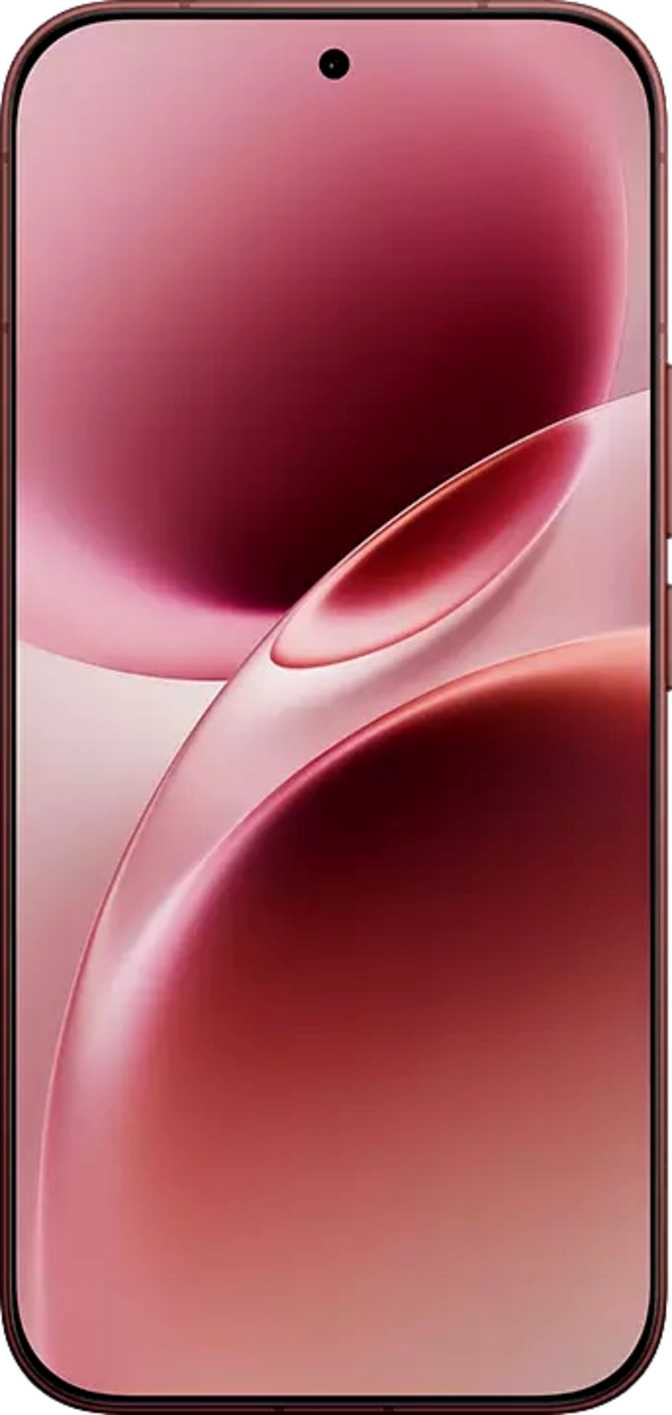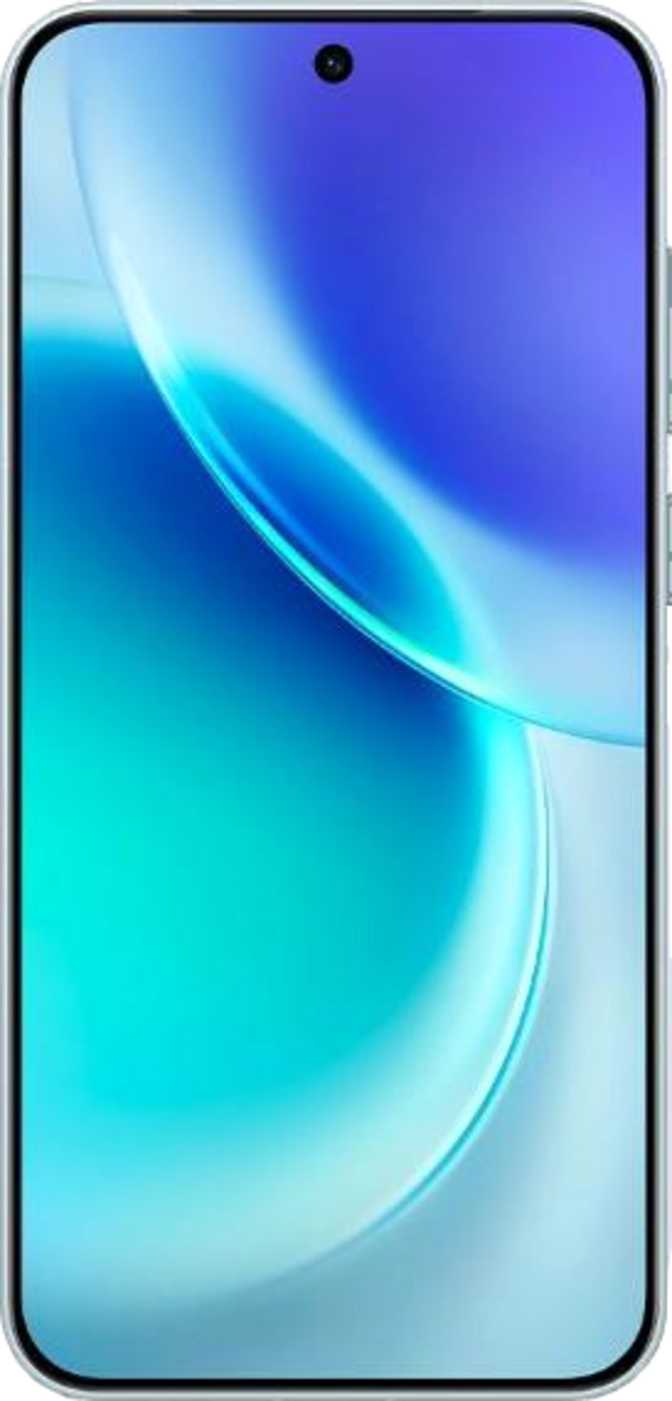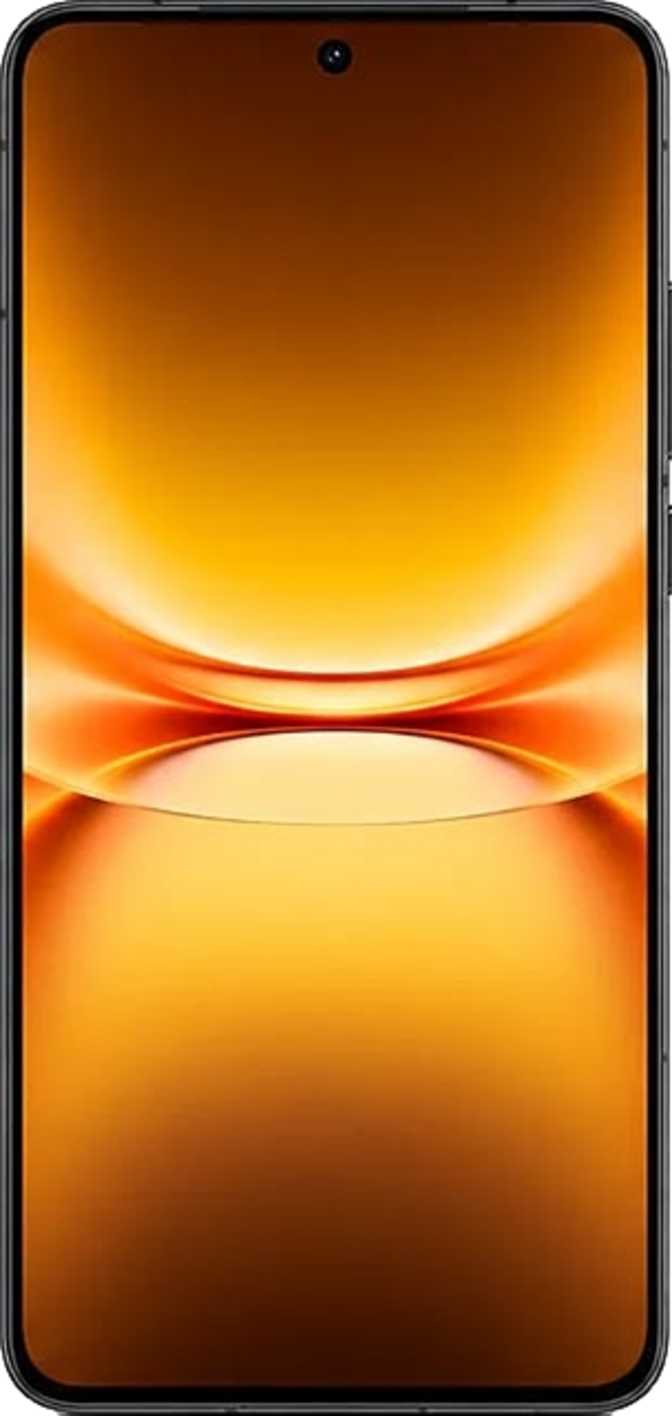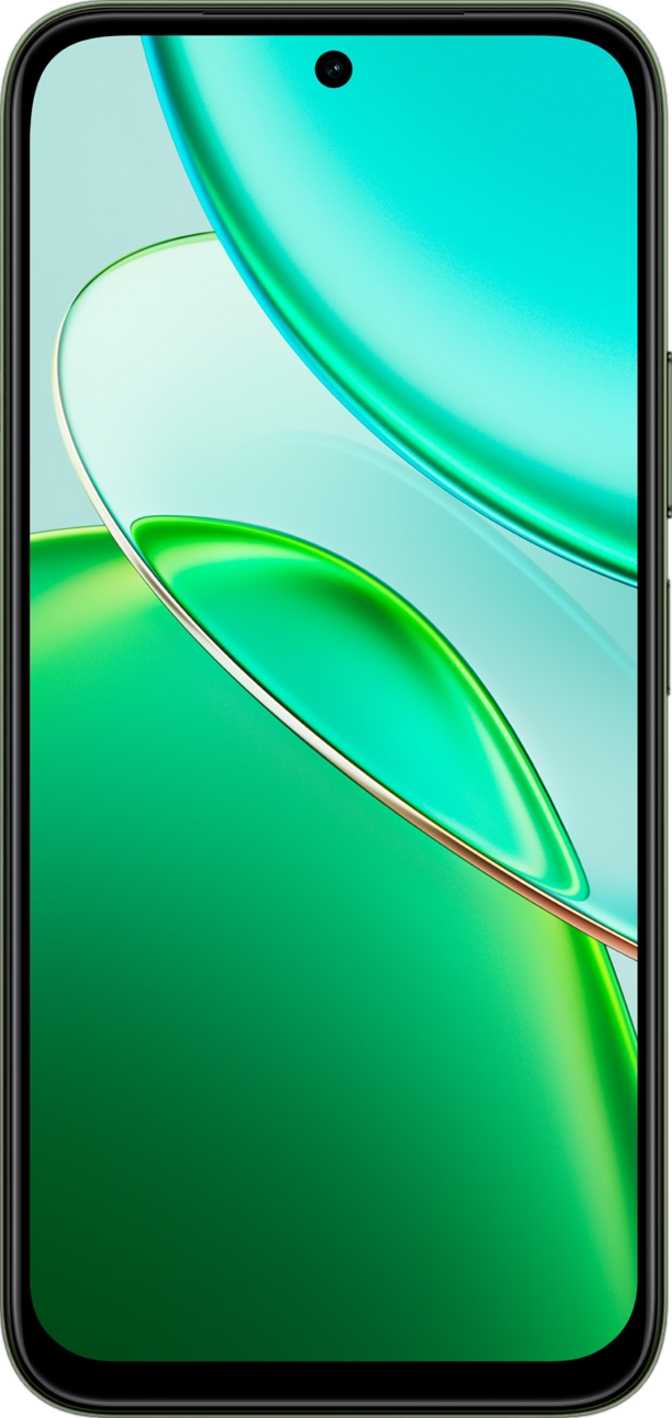
Vivo V70 Full Review: Big Battery, Bright Screen, Real Durability
SmartphonesThe mid-range smartphone market is brutally competitive, and most phones at this tier ask you to accept a compromise somewhere — a so-so camera, a sluggish chip, or a battery that barely survives a workday. The Vivo V70 takes a different approach: it loads up on specifications that typically belong to flagship territory, wraps them in a genuinely slim frame, and prices itself squarely where everyday buyers are looking. Whether that combination holds up under scrutiny is exactly what this review answers.
Design and Build Quality
Slim, serious, and genuinely durable
At 7.4 mm thin and 187 grams, the Vivo V70 sits in a sweet spot that phones at this price rarely manage to occupy. It is light enough to forget you are holding it during a long call, yet substantial enough that it does not feel disposable. The dimensions — 157.5 mm tall and 74.3 mm wide — keep it comfortably within one-hand reach for most adults, even if stretching for the top corner requires a slight grip adjustment.
What genuinely elevates the build quality story is the IP68 certification. This rating means the V70 can survive submersion in up to 1.5 meters of fresh water — not just a splash from a rainy commute, but an accidental drop into a sink or a pool. At this price tier, IP68 is rare enough that it deserves emphasis. Most competing phones offer IP54 at best, which covers splashes but not immersion.
The display glass carries branded damage-resistant protection, adding another layer of everyday resilience. The frame is not designed for extreme outdoor or construction environments — this is not a rugged phone — but for everything a typical urban user puts a phone through, the V70 is built to last.
- Height
- 157.5 mm
- Width
- 74.3 mm
- Thickness
- 7.4 mm
- Weight
- 187 g
- IP Rating
- IP68
- Max Depth
- 1.5 m
- Rugged Build
- No
Display: One of the Best Screens at This Price
6.59″ OLED, 120Hz, 1800 nits, HDR10+
Size, Sharpness, and Color Quality
The 6.59-inch OLED/AMOLED panel is where the Vivo V70 makes its strongest impression. OLED technology means each pixel produces its own light — blacks are truly black, colors are vivid without looking artificial, and contrast is the kind that makes streaming video genuinely enjoyable. At 459 pixels per inch, sharpness exceeds what most eyes can resolve at normal viewing distance. The 1260 × 2750-pixel resolution is taller than standard full HD+ panels, which benefits scrolling feeds, e-reading, and widescreen video alike.
Brightness, Refresh Rate, and HDR
A brightness ceiling of 1,800 nits means the screen stays readable outdoors even in direct sunlight — a real usability advantage that 600–800 nit screens simply cannot match. The 120 Hz refresh rate makes scrolling, swiping, and app navigation noticeably more fluid compared to the 60 Hz panels still common at this price. HDR10+ support enables expanded brightness and color depth on compatible streaming platforms. Always-On Display lets you check the time and notifications without waking the phone — a small feature that becomes a daily habit.
Performance: The Snapdragon 7 Gen 4 in Real Life
4nm chipset, 12GB DDR5 RAM, 512GB storage
Chip Architecture and What It Means
The Snapdragon 7 Gen 4 is built on a 4-nanometer process — the same manufacturing precision used in current flagship processors. Smaller transistors mean more processing power per milliwatt of energy, which translates directly to sustained performance without the phone getting uncomfortably warm during extended use.
The processor uses an asymmetric core layout: one high-performance core at 2.8 GHz handles demanding single-threaded tasks, four efficiency-optimized cores at 2.4 GHz cover everyday workloads, and three low-power cores at 1.8 GHz manage background processes while conserving battery life. At a thermal ceiling of 6 watts, this chip prioritizes sustained efficiency over peak burst performance — meaning less aggressive throttling during long gaming sessions compared to higher-TDP processors.
Memory, Storage, and Speed
12 GB of DDR5 RAM running at 4,200 MHz keeps heavy multitasking comfortable. A dozen apps open simultaneously — a game, multiple browser tabs, a streaming app in picture-in-picture, and a navigation app in the background — is genuinely workable at this memory level. The frustrating reload-from-scratch behavior common on 6 or 8 GB phones becomes a rarity here.
512 GB of internal storage is generous by any measure. There is no microSD slot, but 512 GB accommodates tens of thousands of photos, hundreds of hours of recorded video, and a full app library without ever running tight. The GPU supports DirectX 12 and OpenGL ES 3.2 — both current-generation mobile gaming API requirements covered.
- RAM
- 12 GB DDR5
- RAM Speed
- 4,200 MHz
- Storage
- 512 GB
- Process Node
- 4 nm
- Memory BW
- 33.6 GB/s
- GPU API
- DirectX 12
Camera System: Three Lenses, Serious Versatility
50MP main + 50MP telephoto + 8MP ultra-wide + 50MP selfie
- Aperture
- f/1.9
- OIS
- Yes
- Autofocus
- Phase-detection
- Sensor
- CMOS
- Aperture
- f/2.7
- Optical Zoom
- 3.7×
- Focal Equiv.
- ~85 mm
- Purpose
- Portraits, zoom
- Aperture
- f/2.2
- Focal Equiv.
- ~15 mm
- Best For
- Landscapes, groups
- Sensor
- CMOS
Main Camera and Telephoto: Real Optical Zoom
The decision to pair two equal-resolution 50-megapixel sensors for the primary and telephoto lenses is deliberate. The 3.7× optical telephoto delivers actual optical magnification rather than the digital crop that cheaper zoom implementations use — optical zoom preserves fine detail while digital zoom merely enlarges pixels. The primary lens aperture of f/1.9 allows a large amount of light to reach the sensor, benefiting low-light photography by enabling shorter exposure times and reducing motion blur. Optical Image Stabilization mechanically compensates for hand movement — useful for photos at slower shutter speeds and for steadier handheld video — producing meaningfully better results than electronic stabilization alone.
Focal Range and Manual Controls
The camera system covers a focal length equivalent range from approximately 15 mm at the ultra-wide end to 85 mm at the telephoto end. The 85 mm equivalent is a classic portrait focal length that compresses backgrounds attractively. This range covers what most people shoot daily without reaching for any other device. Manual controls — ISO, white balance, focus, and exposure — are available for photographers who want to step outside full auto mode. Burst mode, HDR, panorama, timelapse, and slow-motion video round out a feature set that covers recreational and semi-professional photography needs.
Video Recording
4K recording at 60 frames per second delivers footage that stays smooth during fast motion — sports, action sequences, or rapid panning across a scene. Continuous autofocus during recording keeps subjects sharp as they move, and phase-detection autofocus ensures quick lock-on in stills so moments are not missed while the camera searches for focus. The 50-megapixel front camera with an f/2.2 aperture provides considerable detail for video calls, selfies, and social content, though there is no front-facing flash, which limits low-light selfie performance to available ambient light.
Battery Life and Charging: Built for Long Days
6,500mAh capacity with 90W wired fast charging
Capacity and Real-World Endurance
The 6,500 mAh battery is significantly larger than the 4,500–5,000 mAh capacity that most phones in this segment carry. Combined with the power-efficient 4 nm Snapdragon 7 Gen 4, the V70 is genuinely a two-day phone for moderate users — those who spend an hour or two on social media, listen to music during a commute, take photos, and make a few video calls. Heavy users who game for several hours, stream video continuously, or run GPS navigation all day will still see a full day comfortably with battery remaining by evening.
This capacity makes the V70 a strong companion for travel days, long flights, or situations where charging access is unreliable. Having a phone that survives a full day of heavy use without anxiety is increasingly rare at this price tier.
Charging Speed and the Wireless Charging Gap
90W wired fast charging means a full charge from empty takes approximately 45–55 minutes under ideal conditions. A 15-minute charge while getting ready in the morning adds a meaningful reserve that extends the day comfortably. With the V70's endurance, top-up charging habits are perfectly workable — full recharge cycles are rarely necessary.
The tradeoff is the complete absence of wireless charging. There is no Qi pad support and no reverse wireless charging to top up earbuds or a smartwatch from the phone's own battery. For users deeply embedded in a wireless charging ecosystem, this is a real limitation. For users who primarily charge by cable, the 90W speed more than compensates.
- Capacity
- 6,500 mAh
- Fast Charging
- 90W
- Approx. Full Charge
- ~45–55 min
- Wireless Charging
- No
- Reverse Wireless
- No
- Removable
- No
Battery Size vs. Typical Mid-Range
Software: Android 16 with Thoughtful Additions
Privacy-forward, feature-rich, and highly customizable
Running Android 16, the Vivo V70 operates on a current and secure software foundation. The privacy controls are thorough and granularly accessible — location access, camera and microphone permissions, clipboard warnings, and app tracking blocks are all present. The ability to block app tracking is increasingly important as mobile advertising ecosystems have grown more intrusive.
Dynamic theming adapts interface colors based on your wallpaper, alongside full theme customization for users who want deeper control. Dark mode, Always-On Display, an extra dim mode for nighttime use, split-screen multitasking, and picture-in-picture all come standard. On-device machine learning enables text recognition in images and offline voice recognition — both handled locally without cloud data transmission.
One item worth knowing before purchasing: OS updates arrive through Vivo's software channel rather than directly from Google. This is standard for Android manufacturers but means security patches may arrive slightly later than on Pixel devices. Buyers who prioritize rapid update delivery should factor this in.
Connectivity: Well-Equipped with One Footnote
5G, Wi-Fi 6, Bluetooth 5.4, NFC, dual SIM, IR blaster
5G connectivity, Wi-Fi 6, and Bluetooth 5.4 make up a current-generation wireless stack. Wi-Fi 6 provides faster throughput and better performance in crowded environments — apartment buildings, offices, and public spaces with many connected devices — compared to Wi-Fi 5. NFC enables contactless payments and transit card support. The infrared sensor allows the V70 to function as a universal remote for televisions, air conditioners, and other IR-compatible appliances — a feature largely absent from Western-market phones but genuinely useful in practice. The USB Type-C port operates at USB 2.0 speeds — adequate for everyday charging and file transfers, but a visible limitation for users who routinely move large video files between phone and computer.
| Feature | Vivo V70 | Notes |
|---|---|---|
| 5G | Yes | Integrated via Snapdragon 7 Gen 4 |
| Wi-Fi | Wi-Fi 6 | 802.11ax — better in crowded environments |
| Bluetooth | 5.4 | Low latency, stable range for peripherals |
| NFC | Yes | Contactless payments and transit cards |
| Dual SIM | Yes | Two active SIM cards simultaneously |
| IR Blaster | Yes | Universal remote for TVs, ACs, more |
| GPS | Yes | With Galileo satellite support |
| USB Type | Type-C | USB 2.0 speeds — not USB 3.x |
| 3.5mm Jack | No | USB-C adapter or Bluetooth required |
| Wireless Charging | No | Wired 90W charging only |
| MicroSD | No | 512GB internal storage only |
Who Should Buy the Vivo V70
Matching the phone to your lifestyle and priorities
- Users who want a large, bright, high-refresh display for streaming and social media without paying flagship prices
- Photography enthusiasts who want a versatile zoom range and genuine optical stabilization without carrying a separate camera
- Power users or frequent travelers who need two-day battery life with fast recharging
- People who value water resistance and expect their phone to survive real-world accidents
- Dual-SIM users who split time between two numbers or regions
- Wireless charging devotees — the V70 does not support it and there is no workaround
- Users in regions where Vivo's software update track record is limited or uncertain
- Gamers who prioritize absolute peak GPU performance — a Snapdragon 8-series chip will outperform this in sustained heavy gaming
- Buyers who transfer large video files regularly and rely on fast USB speeds
- Users who depend on the headphone jack for wired audio equipment
How It Stacks Up Against the Competition
Vivo V70 vs. typical mid-range alternatives
| Specification Area | Vivo V70 | Typical Mid-Range Competitor |
|---|---|---|
| Display Tech | OLED, 120Hz, 1800 nits | LCD or basic AMOLED, 90–120Hz, 800–1000 nits |
| Water Resistance | IP68 (1.5 m) | IP54 or none |
| Chipset Node | 4 nm | 4–6 nm (varies by model) |
| RAM | 12 GB DDR5 | 8 GB DDR4/5 |
| Internal Storage | 512 GB | 128–256 GB |
| Battery | 6,500 mAh | 4,500–5,000 mAh |
| Fast Charging | 90W | 33–67W |
| Telephoto Camera | 3.7× optical zoom | Rare or absent at this price |
| Wireless Charging | Not supported | Often absent at this tier |
| USB Speed | USB 2.0 | USB 2.0–3.2 (varies) |
Competitor figures reflect mid-range category averages. Specific models vary. This comparison is based on publicly available specification data.
Honest Assessment: Strengths and Limitations
A balanced view before you decide
The Vivo V70 is built around a coherent philosophy: maximize the specifications that directly affect daily experience — screen quality, battery size, camera versatility, and durability — while keeping the price accessible. That strategy largely succeeds, with a few areas that reveal the realism of the phone's positioning.
The display is class-leading at this price. 1,800 nits of brightness, HDR10+ support, and the inherent contrast of OLED technology combine to produce a screen that competes with phones costing considerably more. Outdoor legibility is rarely a concern, and watching video is a genuinely premium experience.
The battery and 90W charging together solve the single biggest complaint most mid-range users have about their phones. Two-day endurance for moderate users, combined with under-an-hour full recharge, eliminates battery anxiety almost entirely.
IP68 at this price is a genuine differentiator. Water resistance has daily practical value — not just peace of mind during obvious water exposure, but quiet confidence during rain, kitchen spills, and unexpected moments.
The camera's optical zoom implementation, OIS, and dual 50 MP sensor pairing are real advantages — not spec-sheet padding. The focal range from ultra-wide to portrait telephoto covers what most people shoot day-to-day.
The Snapdragon 7 Gen 4 is an excellent efficiency chip but not a gaming-first processor. Users who push graphically demanding titles at maximum settings will notice the ceiling compared to Snapdragon 8-series devices, which offer higher sustained frame rates under load.
The USB 2.0 connection is a visible compromise in an era where USB 3.2 is increasingly available. For users who routinely move large video files between phone and computer, the transfer speed is a limitation that becomes a friction point quickly.
The absence of wireless charging is a persistent inconvenience for users with established charging ecosystems — pads on nightstands, desks, or in cars. There is no Qi support and no reverse charging to power accessories from the phone.
The main camera uses a CMOS sensor without back-illuminated technology. Competing phones with BSI sensors gather more light per pixel in dim conditions, meaning the V70 can be edged out in challenging low-light scenarios by phones with more advanced sensor designs.
Common Questions Buyers Ask
Answers to what real buyers search for before purchasing
Final Verdict: A Confident Recommendation for the Right Buyer
The Vivo V70 is best understood as a high-value specification play for users who want a genuinely excellent daily experience — a screen that looks great, a phone that survives real life, a battery that does not run out by dinner, and a camera that covers every shooting scenario — without spending flagship money.
It asks you to accept the absence of wireless charging, USB 2.0 transfer speeds, and a mid-tier GPU rather than a performance-first processor. For most users, those trade-offs are either invisible in daily use or easy to work around. If your priorities are display quality, battery endurance, water resistance, versatile photography, and ample storage, the Vivo V70 earns a confident recommendation.