Vivo V70 Elite Full Review: Big Battery, Real Flagship Power
SmartphonesA Mid-Range Phone That Refuses to Act the Part
The mid-to-upper smartphone market is crowded with competent, forgettable devices. The Vivo V70 Elite is not one of them. Its spec sheet reads more like a flagship checklist — a 4-nanometer processor drawn from Qualcomm's premium silicon, a 6,500mAh battery paired with 90W fast charging, a triple camera system with genuine 3.7x optical zoom, and full IP68 waterproofing that most phones in this bracket quietly skip.
Whether those credentials translate into a phone worth owning depends on the details. What follows is a complete, honest breakdown of every major category — so you can decide with confidence before spending a penny.
Recommended — particularly for battery-first users
- Performance4.5
- Camera System4.2
- Battery & Charging4.8
- Display Quality4.3
- Value for Money4.0
Design and Build Quality
Physical experience, dimensions, and waterproofing
Dimensions and Feel in Hand
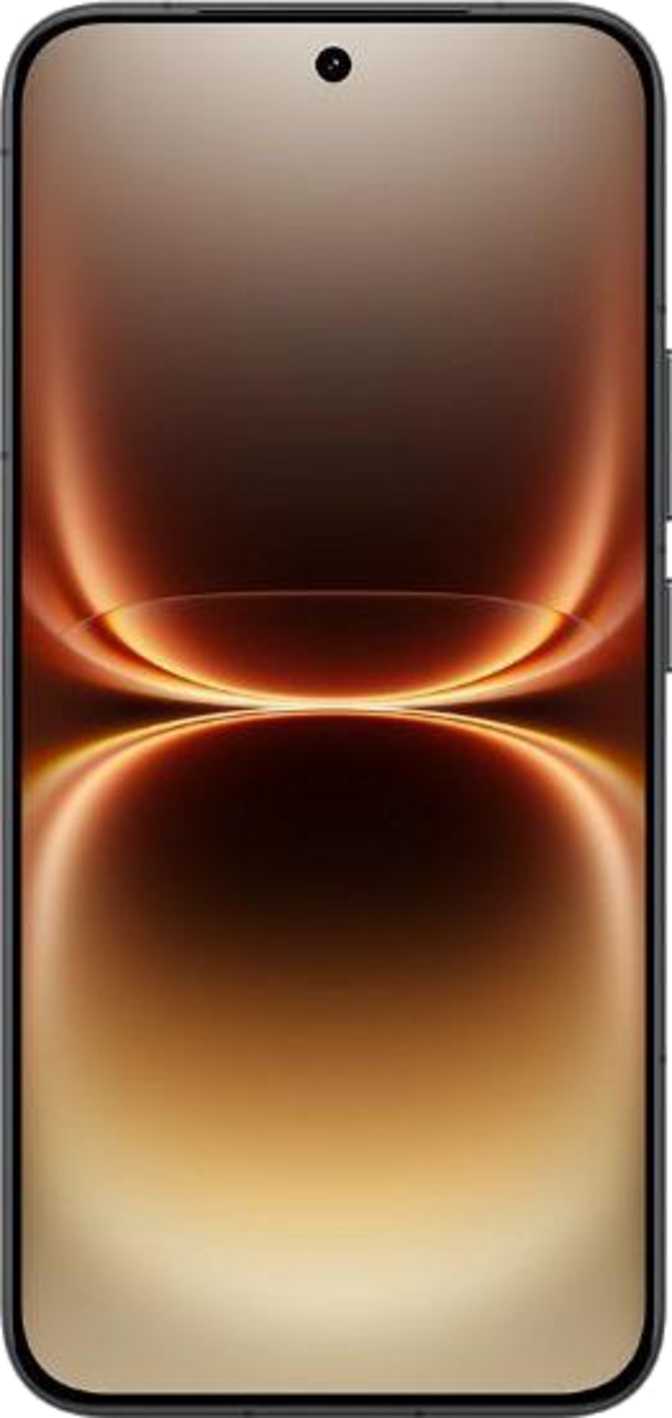
At 187 grams and just 7.4mm thick, the Vivo V70 Elite occupies an interesting physical space — lighter than most phones with comparable battery sizes, and slim enough to feel modern without any internal compromise. Phones carrying similar cells are routinely noticeably chunkier; the engineering investment in this chassis is visible.
The 74.3mm width allows most adult hands to reach across the screen without difficulty. At 157.5mm tall, this is a tall phone — excellent for content consumption, comfortable for daily tasks, though true one-handed use is not its strongest suit. That is a fair trade-off for the screen real estate and battery capacity on offer.
The display is protected by branded damage-resistant glass, providing meaningful resistance against everyday surface scratches and minor drops. This is not marketing language — scratch-resistant glass genuinely extends the lifespan of a screen that lives in a pocket alongside coins and keys.
IP68: Full Waterproofing, Not a Splash Rating
The Vivo V70 Elite carries a full IP68 certification — the same ingress protection standard used by flagship devices costing significantly more. This means genuine submersion tolerance: the phone is rated to survive at least 1.5 meters underwater, making it safe around pools, in rain, and through accidental drops near sinks. For buyers whose previous phone died from a single wet encounter, this changes the daily ownership experience entirely.
| Height | 157.5 mm |
|---|---|
| Width | 74.3 mm |
| Thickness | 7.4 mm |
| Weight | 187 g |
| IP Rating | IP68 |
| Waterproof Depth | 1.5 m |
| Display Glass | Scratch-Resistant |
| Form Factor | Standard Slab |
Display: Hard to Criticize at This Level
6.59-inch OLED · 459 ppi · 120Hz · 1,800 nits · HDR10+
The Panel
The 6.59-inch OLED panel is the kind of screen you notice immediately when coming from an LCD. OLED technology means every pixel generates its own light — blacks are genuinely black rather than dark grey, and colors carry a depth that LCD physically cannot replicate. The display supports both HDR10 and HDR10+ content, so streaming platforms delivering enhanced dynamic range will render it correctly on this screen.
At 459 pixels per inch, sharpness is simply not a conversation you will ever need to have with this phone. Text is crisp at any size, fine photo detail is fully resolved, and the panel holds up to scrutiny even at unusually close viewing distances.
Brightness and Outdoor Visibility
1,800 nits of typical brightness means this screen remains fully readable in direct sunlight. Many mid-range phones become squinting exercises outdoors; at this brightness level, navigation, reading, and photo review stay comfortable without needing shade. This is a practical daily-life advantage — not a benchmark number that only matters on paper.
Refresh Rate and Always-On Display
The 120Hz refresh rate makes every scroll and animation feel fluid throughout the interface. The Always-On Display keeps the clock, notifications, and key information visible without waking the phone — a quietly appreciated convenience during meetings or at a desk. Dolby Vision is absent, which is worth flagging for heavy Apple TV+ subscribers; HDR10+ covers all other major streaming platforms adequately.
Performance: The Snapdragon 8s Gen 3 Explained
4nm silicon · Adreno 735 GPU · 12GB LPDDR5 RAM · 512GB internal storage
What This Chipset Actually Means
The Qualcomm Snapdragon 8s Gen 3 is not a mid-range processor with a flagship-sounding name. It is a direct derivative of Qualcomm's top-tier silicon, manufactured on the same 4-nanometer process used by the company's most powerful chips. The "8s" designation means it is a slightly trimmed version — designed to bring near-flagship performance to phones at accessible prices, rather than extracting every last percentage point of peak speed.
In practice, this translates to everyday responsiveness — app launches, scrolling, multitasking — that is virtually indistinguishable from the most expensive smartphones on the market. The benchmark scores below sit comfortably within premium device territory.
RAM and Storage
12GB of RAM on the latest DDR5 memory standard means the phone holds many apps in memory simultaneously. Switching between a browser with multiple tabs, a streaming service, a messaging app, and the camera will not require any of them to reload from scratch. For heavy multitaskers this is meaningful; for lighter users it is substantial future-proofing.
512GB of internal storage is generous by any current measure. The average user — including those who shoot significant amounts of video — rarely fills 256GB in normal use. At 512GB, years of photos, a large offline media library, and a collection of games can coexist simultaneously without ever managing what to delete. There is no microSD slot, but with this capacity, few buyers will feel the absence.
Gaming and the Missing Gyroscope
The Adreno 735 GPU covers every modern mobile game format with DirectX 12 and OpenGL ES 3.2 support. Heavy titles — open-world games and competitive shooters — run at high settings smoothly. One notable omission for gaming enthusiasts: no gyroscope is present. Games relying on tilt-based controls or AR applications requiring physical orientation sensing will be limited or entirely unsupported. This is a meaningful, binary limitation for the specific subset of players who depend on it.
Scores above 1,500 single-core and 4,500 multi-core are firmly in premium device territory.
| Processor | Snapdragon 8s Gen 3 |
|---|---|
| Manufacturing Node | 4nm |
| RAM | 12GB LPDDR5 |
| Storage | 512GB |
| GPU | Adreno 735 |
| Memory Bandwidth | 64 GB/s |
Camera System: Triple Lenses With Real Optical Range
50MP Main · 50MP Telephoto · 8MP Ultrawide · 3.7x Optical Zoom · OIS · 4K/60fps · 50MP Front
f/1.9 aperture · OIS
Wide-aperture primary lens with optical image stabilization. The wide opening gathers more light in dimmer conditions; OIS corrects hand movement for sharper handheld shots and smoother video footage.
f/2.7 aperture
3.7x Optical Zoom
Genuine optical magnification from glass — not a digital crop of the main sensor. At 3.7x you can frame subjects from across a room without visible resolution loss.
f/2.2 · 15mm equivalent
Extends compositional range for landscapes, tight interiors, and group shots where backing up is not possible. Covers the wide end of the 15–85mm optical range.
Video Capabilities and Front Camera
4K video at 60 frames per second represents the current benchmark for smartphone video quality. At 60fps, fast-moving subjects — children, sports, vehicles — are captured cleanly without motion blur. Continuous autofocus during recording keeps subjects sharp as they move, and slow-motion is available for creative use. The camera does not support HDR10 or Dolby Vision recording, which limits some professional post-production workflows but will not affect the vast majority of users.
The 50-megapixel front camera at f/2.2 is unusually high-resolution for a selfie sensor. Selfies retain detail when cropped, group shots capture the full scene without distortion, and video calls benefit from sharper image delivery. There is no front-facing LED flash, so low-light selfies rely on ambient or screen illumination.
Camera Feature Checklist
Battery Life: Built for Heavy Users
6,500mAh cell · 90W wired fast charging · No wireless charging
Relative to the 5,000mAh category benchmark
The Cell
The 6,500mAh battery is large even by current smartphone standards, where 5,000mAh is the common benchmark for a good result. Where many phones reach the end of a full day with anxiety-inducing battery percentages, the Vivo V70 Elite pushes through heavy use and still carries charge into the next morning. Light-to-moderate users may comfortably reach two days between charges.
Charging Speed
90W wired charging returns the phone to usable levels from a significant drain in minutes, and reaches a full charge well within an hour. A brief plugged-in period while getting ready in the morning can recover enough charge to last through an entire demanding day.
Software: Android 16 With a Full Privacy Toolkit
Android 16 · Dynamic theming · On-device machine learning · Offline voice recognition
Operating System
The Vivo V70 Elite ships with Android 16, the latest version of Google's mobile OS. Android 16 brings a refined permissions model giving users granular control over what apps can access — location, microphone, camera — and when. Clipboard warnings alert you when apps attempt to read what you have recently copied, a frequently overlooked privacy surface that most users never think to protect.
The software includes split-screen multitasking, Picture-in-Picture video playback, home screen widgets, dynamic theming that adapts the interface palette to your wallpaper, and an extra dim mode for comfortable late-night reading that goes beyond standard brightness controls.
One consideration worth understanding: the phone does not receive direct OS updates from Google — software updates flow through Vivo's own release cycle. This is standard for Android manufacturers, but major OS updates and security patches may arrive slightly later than on devices with a direct update channel.
- Camera & microphone privacy controls
- Clipboard access warnings
- App tracking restrictions
- Location privacy options
- On-device machine learning
- Offline voice recognition
- Split-screen multitasking
- Picture-in-Picture video
- Dynamic theming & dark mode
- Extra dim display mode
- Full-page screenshots
- Multi-user profiles
- Infrared remote control blaster
- No direct Google OS updates
Connectivity: Modern Standards, One Compromise
5G · Wi-Fi 6 · Bluetooth 5.4 · NFC · Dual SIM · GPS + Galileo · USB-C
Wireless and Cellular
5G connectivity covers fast mobile data where networks support it. Wi-Fi 6 means the phone takes full advantage of modern routers, delivering faster speeds and better performance in congested environments like offices or apartments with many connected devices. Bluetooth 5.4 provides the current standard for wireless audio and peripheral connections, and NFC enables contactless payments and quick device pairing.
Dual SIM support is particularly useful for travelers carrying a local SIM alongside their primary number, or professionals who keep work and personal lines on one device. GPS combined with Galileo satellite coverage improves location accuracy across more regions globally.
USB, Audio, and Sensors
The USB-C port operates on USB 2.0 speeds — adequate for charging and basic file transfers, but noticeable if you regularly move large video libraries or use data-intensive USB peripherals where the speed ceiling will surface.
There is no 3.5mm headphone jack. Audio output requires Bluetooth or a USB-C adapter. Stereo speakers deliver directional audio during video playback. Bluetooth audio quality is standard — aptX, LDAC, and aptX HD codecs are absent, so high-fidelity wireless audio is not available. The built-in infrared sensor lets the phone act as a universal remote for TVs and other IR-controlled devices, a genuinely useful feature that has largely disappeared from modern smartphones.
Who Should Buy the Vivo V70 Elite — and Who Should Not
Real-world buyer matching based on usage patterns and priorities
- You are a heavy daily user who needs a phone that lasts the full day without charging anxiety
- You want genuine zoom capability — real optical telephoto reach, not a digital crop masquerading as one
- You travel frequently and benefit from IP68 protection, dual SIM flexibility, and extended battery endurance
- You are upgrading from an older device and want a substantial leap in performance and camera quality
- You use a remote control regularly — the built-in IR blaster turns this phone into a universal remote
- You prioritize long-term value — near-flagship specifications without flagship-tier pricing
- Wireless charging is part of your daily routine — pads on your desk, in your car, or on your nightstand will not work here
- You play gyroscope-dependent games or use AR applications regularly — the absent sensor is a hard, binary limitation
- High-fidelity Bluetooth audio matters to you — LDAC and aptX HD are absent; premium wireless headphones will not reach their full potential
- You need Dolby Vision video recording for professional or platform-specific production workflows
- Timely OS updates are a priority — software patches flow through Vivo's cycle rather than directly from Google
Competitive Positioning
Vivo V70 Elite against logical alternatives in the same price bracket
| Feature | Vivo V70 Elite | Upper Mid-Range Rival | Budget Flagship Rival |
|---|---|---|---|
| Chipset Tier | Snapdragon 8s Gen 3 | Snapdragon 7s Gen 3 | Dimensity 9200-class |
| Battery Capacity | 6,500mAh | 5,000mAh | 5,000mAh |
| Wired Charging | 90W | 67W | 100W |
| Wireless Charging | No | Yes | Yes |
| IP Rating | IP68 | IP54 | IP67 / IP68 |
| Optical Zoom | 3.7x Optical | 2x (digital only) | 3x Optical |
| Peak Brightness | 1,800 nits | 1,200 nits | 1,600 nits |
| Internal Storage | 512GB | 128 – 256GB | 256GB |
| Gyroscope | No | Yes | Yes |
Honest Assessment: Strengths and Weaknesses
The V70 Elite gets more right than wrong — but its weaknesses are specific enough to matter to the buyers they affect
The battery and charging combination is the strongest argument for this phone. The sheer capacity, paired with fast wired replenishment, creates a daily ownership experience free from the anxiety that smaller cells introduce. Pair that with IP68 protection — which most phones in this price zone do not offer — and the V70 Elite has a durability profile that competes with phones costing considerably more.
The camera system is genuinely capable rather than cosmetically complete. Three lenses that actually span different focal lengths, meaningful optical zoom, optical stabilization, and 4K/60fps video — this is a setup that delivers real results rather than ticking spec-sheet boxes.
The Snapdragon 8s Gen 3 brings processing power that will not feel dated for years. Given that phones at this level are commonly kept for two to three years or more, choosing a chipset with this performance ceiling is a smart long-term investment.
The missing gyroscope is not a problem for most users — but for the specific subset who rely on it for games or AR applications, it is a hard stop with no workaround. This is not a softened weakness; it is a binary limitation with no compensating feature.
The absence of wireless charging feels like a deliberate cost decision rather than an oversight. For buyers who have built wireless pads into their daily routine, this will be genuinely disruptive in ways that fast wired charging cannot fully compensate for in terms of convenience.
USB 2.0 data transfer speeds are a quiet limitation that only surfaces when you need them — large video transfers, USB audio peripherals — but surfaces noticeably when it does.
The Bluetooth codec situation means anyone invested in higher-end wireless headphones will not extract their full quality potential from this phone. Standard audio quality over Bluetooth is fully supported; audiophile-grade wireless is simply not available here.
Common Questions Before You Buy
Answers to what real buyers search for when considering this phone
Final Verdict
The Vivo V70 Elite makes a compelling case for itself on the merits that matter most to the widest range of buyers: exceptional battery endurance, legitimate IP68 waterproofing, a chipset that punches well above this price tier, generous 512GB storage, and a camera system with real optical zoom reach.
Its weaknesses — no wireless charging, no gyroscope, USB 2.0 data speeds, and limited Bluetooth codec support — are real but selective. They matter deeply to specific buyers in specific situations. If none of those limitations apply to your usage patterns, the V70 Elite delivers a combination of features that is genuinely difficult to match at this price point. For most users — especially those upgrading from older devices or tired of phones that need charging by mid-afternoon — it over-delivers in its most important areas.
Buy It If
You want maximum daily battery life, full IP68 protection, and near-flagship performance without reaching into flagship pricing.
Skip It If
Wireless charging is non-negotiable in your routine, or gyroscope-dependent gaming is central to how you use your phone.
Overall Score
out of 5
Best for battery-first and outdoor users