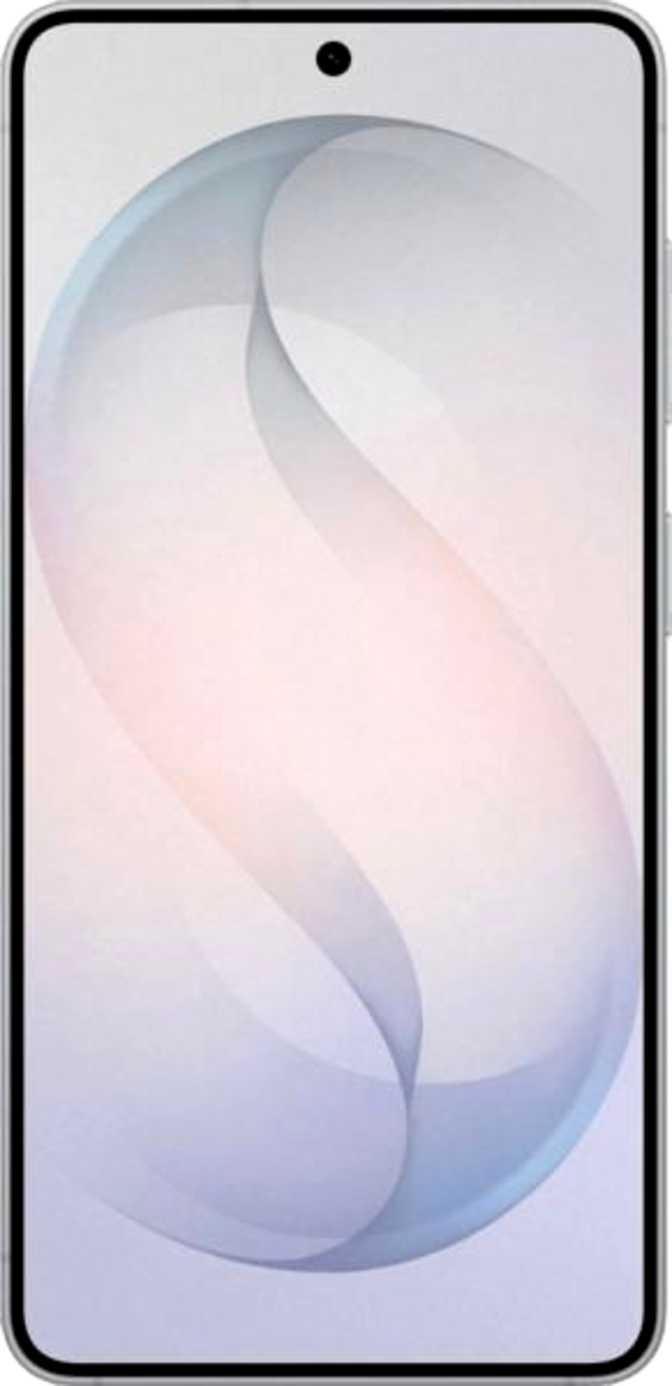
Samsung Galaxy S26 Review: A Compact Flagship That Earns Its Price
SmartphonesAt a Glance
Category scores reflect design quality, specification depth, and real-world performance implications.
Samsung's compact flagship line has always occupied an interesting place in the market: the phone for people who want the best possible hardware without the bulk of a Max or Ultra variant. The Galaxy S26 continues that tradition, but with a processor generation that closes the gap significantly on Apple's silicon dominance, a display bright enough to be genuinely useful outdoors, and a camera system that handles almost everything you throw at it. Whether it earns its place in your pocket depends on a few specific priorities — this review breaks it all down.
Design, Build Quality and Physical Experience
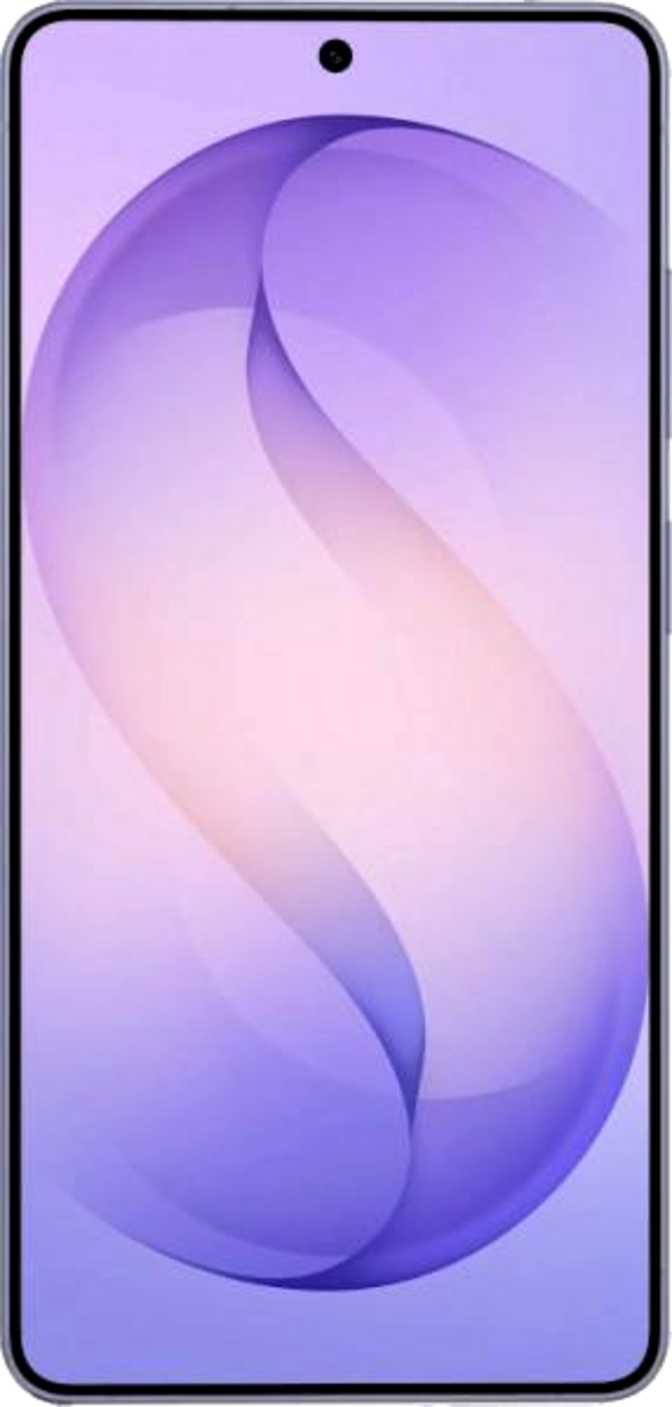
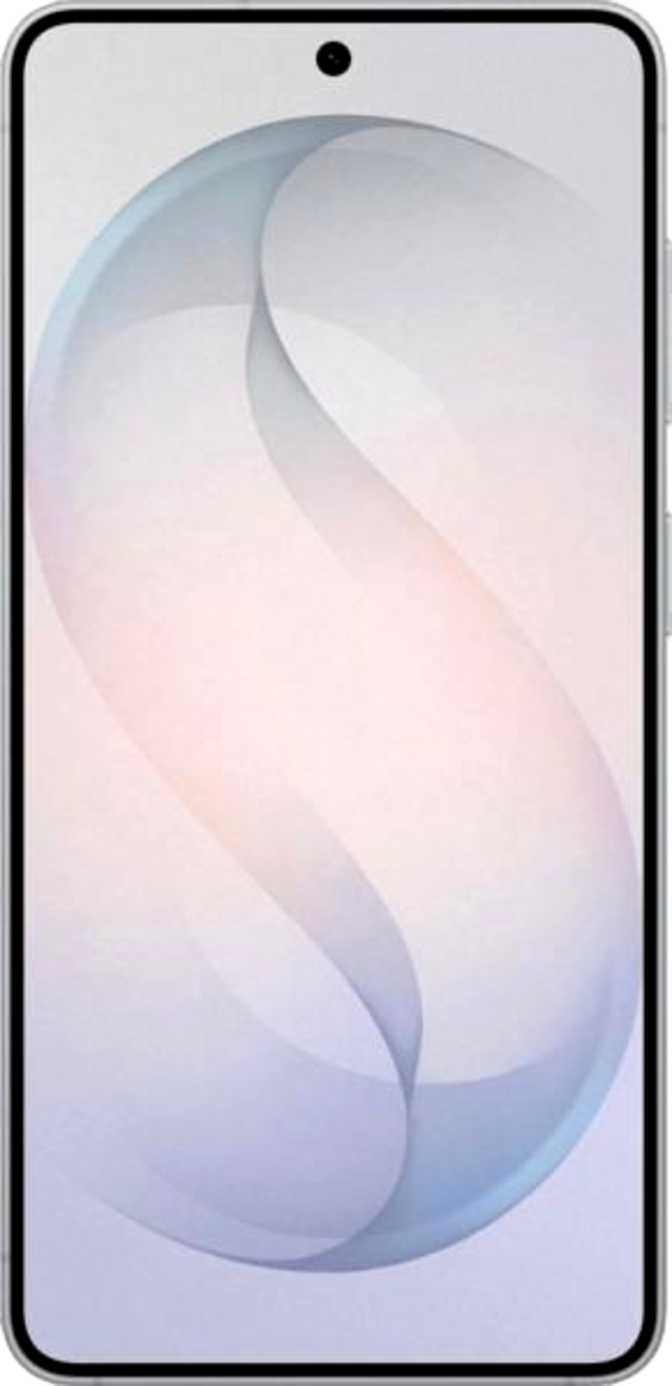
At 167 grams and just 7.2 millimeters thick, the Galaxy S26 sits in a comfortable middle ground between "featherlight novelty" and "substantial premium device." It doesn't feel cheap in the hand, but it also won't fatigue your wrist during a long call. The footprint — 149.6mm tall and 71.7mm wide — keeps it genuinely one-handed for most users, something increasingly rare in a category trending toward larger screens.
The front glass is protected by Gorilla Armor 2, which represents a meaningful step beyond standard Corning glass coatings. Gorilla Armor is specifically engineered to reduce glare while maintaining impact resistance, making it better for outdoor use than most competitors at this price tier. The display is flat, not curved, which is a deliberate choice that reduces accidental edge touches and makes screen protectors far easier to apply and keep in place.
IP68 water resistance means the phone can be submerged in up to 1.5 meters of fresh water for 30 minutes under controlled test conditions. In practical terms: rain, splashes, and brief drops into water are not concerns. The phone handles daily life without drama.
One genuinely notable figure is the French Repairability Index score of 8.5 out of 10. This isn't a marketing claim — it's a standardized, government-mandated assessment covering factors like availability of spare parts, ease of disassembly, and access to repair documentation. For a flagship smartphone, 8.5 is an excellent score and suggests Samsung has made meaningful commitments to long-term serviceability. If you keep phones for three or four years, this matters.
Physical Specs
- Weight: 167gCompact flagship feel
- Thickness: 7.2mmGenuinely slim profile
- Dimensions: 149.6 x 71.7mmOne-hand friendly
- IP68 RatedFull waterproof protection
- Gorilla Armor 2Anti-glare + impact resistance
- Repairability: 8.5/10Government-certified score
Display: The Brightest S-Series Screen Yet
Panel Quality
The 6.3-inch OLED panel delivers the kind of visual quality that makes switching back to an LCD feel like a regression. OLED technology means each pixel produces its own light, which translates to true blacks, infinite contrast, and vivid colors that hold up across viewing angles. The 411 pixels-per-inch density lands in a resolution that is, for almost all practical purposes, indistinguishable from "perfect" at normal viewing distances. Text is crisp, icons are sharp, and fine detail in photos renders cleanly.
Brightness and Outdoor Usability
Peak brightness reaching 2,600 nits is a headline figure worth unpacking. At that output level, the display remains fully readable in direct sunlight — the kind of situation where many phones require you to cup your hand around the screen to see anything. For commuters, outdoor workers, or anyone who uses their phone in bright daylight, this is a tangible quality-of-life improvement over mid-range alternatives.
Refresh Rate and Responsiveness
The 120Hz adaptive refresh rate handles everything from fast-scrolling social media feeds to gaming, with motion remaining smooth and fluid throughout. Equally important for touch interactions is the 240Hz touch sampling rate — this is how quickly the display detects and responds to your finger's position. In everyday use, that responsiveness makes swipes and taps feel immediate. In mobile gaming, it provides a meaningful advantage in reaction-sensitive titles.
The Always-On Display feature lets the screen show time, notifications, and widgets at reduced brightness when the phone is idle, without requiring a full wake. HDR10+ support ensures compatible streaming content renders with dynamic tone-mapping that adjusts highlights and shadows scene by scene. Note that Dolby Vision is not supported — relevant only if you rely heavily on Apple TV+ or Dolby Vision-specific content libraries.
Performance: The Exynos 2600 Changes the Conversation
Processor Architecture
The Exynos 2600 is built on a 2-nanometer manufacturing process. A smaller process node means more transistors fit into the same physical space, and those transistors switch states using less power. The real-world result is a chip that performs at a higher level while generating less heat and consuming less battery than its predecessors.
The CPU is arranged in a three-tier configuration — one high-performance core running at 3.8GHz, three efficiency-performance cores at 3.25GHz, and six power-efficient cores at 2.75GHz. This architecture means the phone intelligently routes simple background tasks to the low-power cores while reserving the high-performance cores for moments that demand them. Battery efficiency is the direct beneficiary of this design.
Memory and Storage
12 gigabytes of RAM running at 4,200MHz using the latest DDR5 memory standard provides a wide pipeline for multitasking. Apps stay in memory longer, switching between open applications is instant rather than causing reloads, and RAM-intensive tasks like photo editing or running multiple apps simultaneously don't cause the system to stall. The 64 GB/s peak memory bandwidth ensures data moves quickly enough that raw capacity is rarely a bottleneck.
512 gigabytes of internal storage is generous at this tier. Most users will never fill it, but for those who shoot a lot of video or store music locally, it provides meaningful headroom. There is no microSD card slot — what you have at purchase is permanent.
Determines app launch speed and UI responsiveness
Drives video rendering, photo processing, and sustained gaming
GPU and Gaming
The Xclipse 960 GPU handles current-generation mobile gaming without compromise. Graphically demanding titles run at high settings, and the thermal design — aided by the chip's 2nm efficiency — means extended gaming sessions are less likely to result in performance throttling than on previous Exynos generations. For anyone who games seriously on mobile, this is the most capable Exynos-powered Galaxy in Samsung's history.
Camera System: Versatile, Capable, Honest About Its Limits
- f/1.8 aperture — wide light intake
- Optical Image Stabilization
- Back-illuminated CMOS sensor
- Phase-detection autofocus
- RAW format shooting
- f/2.2 aperture
- 13mm minimum focal length
- Ideal for architecture and interiors
- HDR mode supported
- Continuous autofocus
- f/2.4 aperture
- 3x optical zoom
- 67mm maximum focal length
- Portraits and moderate sports
- Burst mode capable
Shooting Flexibility
The level of manual control available is essentially equivalent to a dedicated camera app rather than a basic smartphone shooter. You can adjust ISO, shutter speed, white balance, exposure, and focus independently. The phone shoots in RAW format, meaning serious photographers can bypass Samsung's processing pipeline entirely and handle color grading and detail recovery in editing software like Lightroom. Continuous autofocus during video recording, phase-detection autofocus for stills, and touch-to-focus all work together to keep subjects sharp without demanding constant manual intervention.
Front Camera
The 12-megapixel front camera with an f/2.2 aperture is housed above the display — not under the screen — which means it doesn't involve any display compromises in terms of brightness or clarity. It handles video calls and selfies without the color science issues that under-display cameras still struggle with.
Video Capabilities
The main camera records up to 8K resolution at 30 frames per second. For most users, 4K at 60fps will be the practical maximum, but 8K exists for those who need cropping flexibility in post-production or future-proofing archival content. HDR10 recording is supported, meaning captured video carries the same dynamic range benefits as the display on playback. Slow-motion and timelapse modes round out a versatile video toolkit.
Honest Limitations
- No laser autofocus (phase detection handles it alone)
- No front-facing flash (screen brightness compensates)
- No Dolby Vision video recording
- No 360-degree panorama mode
Battery and Charging: Capable, But Bring Your Own Charger
Daily Endurance
The battery capacity is sized for a full day of normal to heavy use — messaging, social media, a couple of hours of video, navigation, and calls — with something left over at bedtime for most users. The Exynos 2600's efficiency on the 2nm process plays an important role here: a chip that wastes less energy as heat means more of the available capacity actually reaches the screen and radio.
The Ultra Power Saving mode reduces the display to a basic black-and-white interface and disables non-essential background processes, extending endurance dramatically in low-battery emergencies. Built-in battery health monitoring lets you track capacity degradation over the phone's lifetime — useful for deciding when a replacement is worth considering.
| Wired (USB-C) | 25W |
| Wireless | 15W |
| Reverse Wireless | 4.5W |
| Charger in Box | Not included |
Reverse wireless charging at 4.5W powers compatible accessories like Galaxy earbuds or a Galaxy Watch — a convenience feature rather than a fast-charging solution.
Software: Android 16 with Samsung OneUI on Top
Platform and Privacy
The Galaxy S26 ships with Android 16, placing it at the current frontier of the Android platform at launch. Samsung's OneUI sits on top as the interface layer, adding features like split-screen multitasking, Picture-in-Picture mode, full-page scrolling screenshots, and the ability to use the phone as a PC input device when connected to a monitor — a feature that turns the S26 into a light desktop replacement for productivity-focused users.
Privacy controls are comprehensive: per-app camera and microphone access permissions, location privacy options, clipboard access warnings, and the ability to block app tracking entirely. On-device machine learning means certain AI-powered features — such as text recognition in images and offline voice recognition — process data locally rather than sending it to a server.
Notable Inclusions and Gaps
- Split-screen multitasking and PiP mode
- Dual SIM + 2 eSIM (four cellular profiles)
- Dynamic theming, dark mode, and widget support
- On-device machine learning for local AI tasks
- Offline voice recognition
- Desktop PC mode via USB-C output
- No Focus Modes (scheduled distraction management)
- No built-in Wi-Fi password sharing
- No Mail Privacy Protection
- No cross-site tracking blocking by default
- Updates routed through Samsung before delivery
Connectivity: Future-Ready Across the Board
The Galaxy S26 supports Wi-Fi 7 — the latest wireless standard — which delivers substantially higher throughput and lower latency than Wi-Fi 6E, particularly in congested environments with many connected devices. Backward compatibility with Wi-Fi 4, 5, 6, and 6E means it works on any network you're likely to encounter.
The audio codec support deserves specific attention. The S26 supports LDAC (Sony's high-resolution wireless audio codec), aptX Adaptive (Qualcomm's low-latency, high-quality codec), and aptX Lossless (which can transmit CD-quality audio wirelessly when network conditions allow). For wireless headphone users who care about audio quality — and who use compatible headphones — this is a genuinely strong offering, notably better than what competing flagships provide by default.
USB-C at USB 3.2 speeds allows fast wired data transfer and display output to external monitors. NFC enables contactless payments, device pairing, and file transfers. GPS is supplemented by Galileo satellite support for improved positioning accuracy, particularly in Europe. Stereo speakers with the full suite of Bluetooth codecs mean the S26 performs equally well for wired and wireless audio scenarios.
Connectivity Summary
- Wi-Fi 7 — plus 4/5/6/6E backward compat.
- Bluetooth 5.4 — LDAC, aptX Lossless, Adaptive
- USB-C 3.2 — fast data and display out
- NFC — payments and pairing
- 5G fully integrated on-chip
- GPS + Galileo multi-constellation
- 2 SIM + 2 eSIM simultaneously active
- No 3.5mm headphone jack
- No satellite emergency SOS
- No crash detection
- No infrared sensor
Who This Phone Is For — and Who Should Look Elsewhere
Ideal For
- Users who want a compact, pocket-friendly flagship without giving up top-tier performance
- Android enthusiasts who prioritize camera versatility and professional-grade manual controls
- Power users who multitask heavily and need RAM that keeps apps running without constant reloads
- Wireless audio enthusiasts who use high-quality Bluetooth headphones and want lossless codec support
- Anyone who values repairability and long-term ownership over disposable upgrade cycles
Consider Alternatives If
- Battery longevity is your primary concern — the Galaxy S26+ or S26 Ultra carry larger batteries
- You want faster wired charging — competitors offer 45W or higher from the same brand
- You rely on satellite SOS for outdoor safety — that feature is not present here
- You need expandable storage — there's no microSD slot and 512GB cannot be increased later
- You're heavily invested in the Apple ecosystem and rely on AirDrop, iMessage, or Handoff regularly
How It Compares to the Competition
The Galaxy S26's natural competitors are the Apple iPhone 16 and Google Pixel 9 — both similarly priced, similarly sized compact flagships. Here's how they stack up on the features that matter most to buyers in this range.
| Feature | Samsung Galaxy S26 | Apple iPhone 16 | Google Pixel 9 |
|---|---|---|---|
| Display | 6.3" OLED 120Hz | 6.1" OLED 60Hz | 6.3" OLED 120Hz |
| Peak Brightness | 2,600 nits | ~2,000 nits | ~2,700 nits |
| Wired Charging | 25W | 27W | 27W |
| Wireless Charging | 15W | 25W (MagSafe) | 23W |
| Satellite SOS | |||
| Repairability Score | 8.5 / 10 | Not rated | Not rated |
| Bluetooth Codecs | LDAC, aptX Lossless, aptX Adaptive | AAC only | LDAC, aptX |
| USB Speed | USB 3.2 | USB 3 | USB 3.2 |
| RAW Camera Shooting |
The S26's primary advantages over the iPhone 16 are audio codec breadth, USB data speed, and wireless charging symmetry with the broader Android ecosystem. Its edge over the Pixel 9 is the audio codec lineup and Gorilla Armor 2 glass. Where both competitors pull ahead is wireless charging speed and the inclusion of satellite emergency features.
Questions Buyers Actually Ask
Final Verdict
The Samsung Galaxy S26 is a polished, high-performing device that does most things exceptionally well without many of the compromises that compacted flagships used to force on buyers. The Exynos 2600 is the biggest story here — a chip that genuinely competes at the highest level, paired with enough RAM and storage to stay useful for several years.
The display is outstanding. The camera system is versatile and professionally capable. The build is refined and repairable. The audio codec support is among the best on any Android device.
- Exynos 2600 closes the silicon gap meaningfully
- 2,600-nit display — class-leading outdoor visibility
- Superior audio codec support (LDAC + aptX Lossless)
- 8.5/10 repairability — outstanding for a flagship
- Professional manual camera controls with RAW output
- 25W wired charging lags several competitors
- No satellite emergency SOS
- No charger included in the box
- No expandable storage option
- Battery capacity not class-leading for this tier
For everyone who wants a genuinely pocketable flagship with no performance compromises, the Galaxy S26 makes a compelling case. It's not trying to be the biggest phone Samsung makes — it's trying to be the best phone for its size. In that specific objective, it largely succeeds.