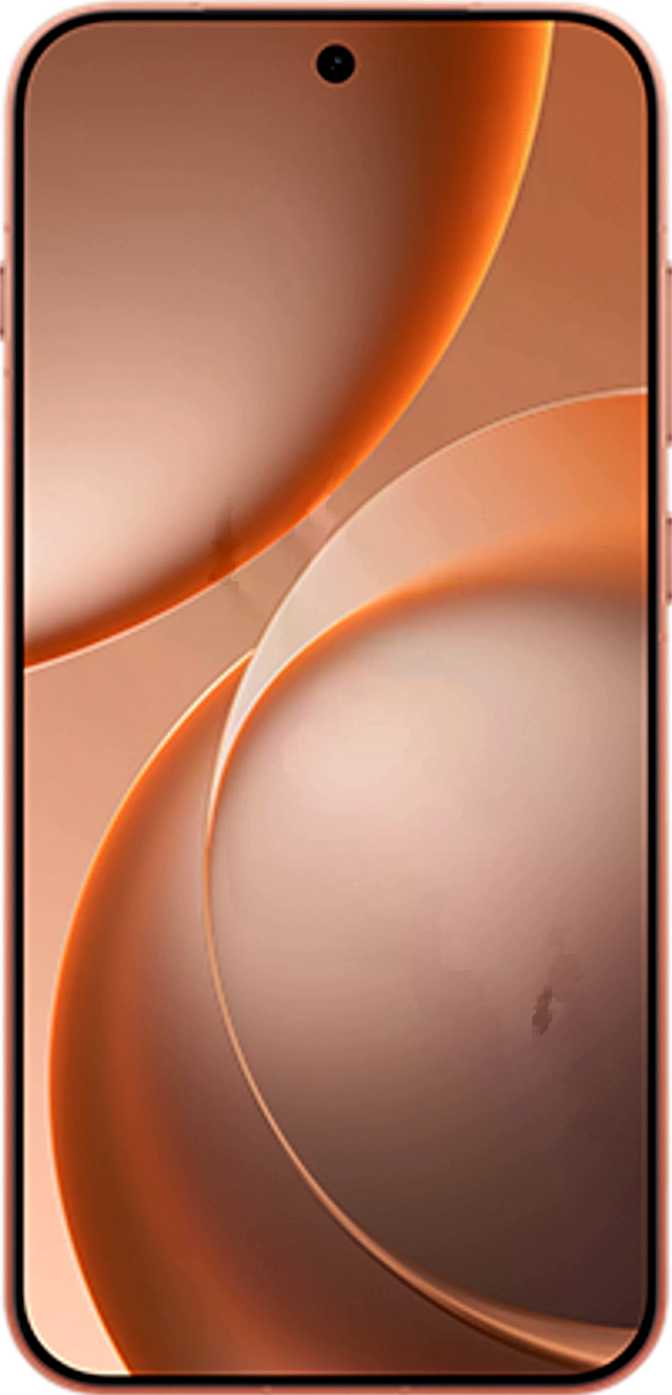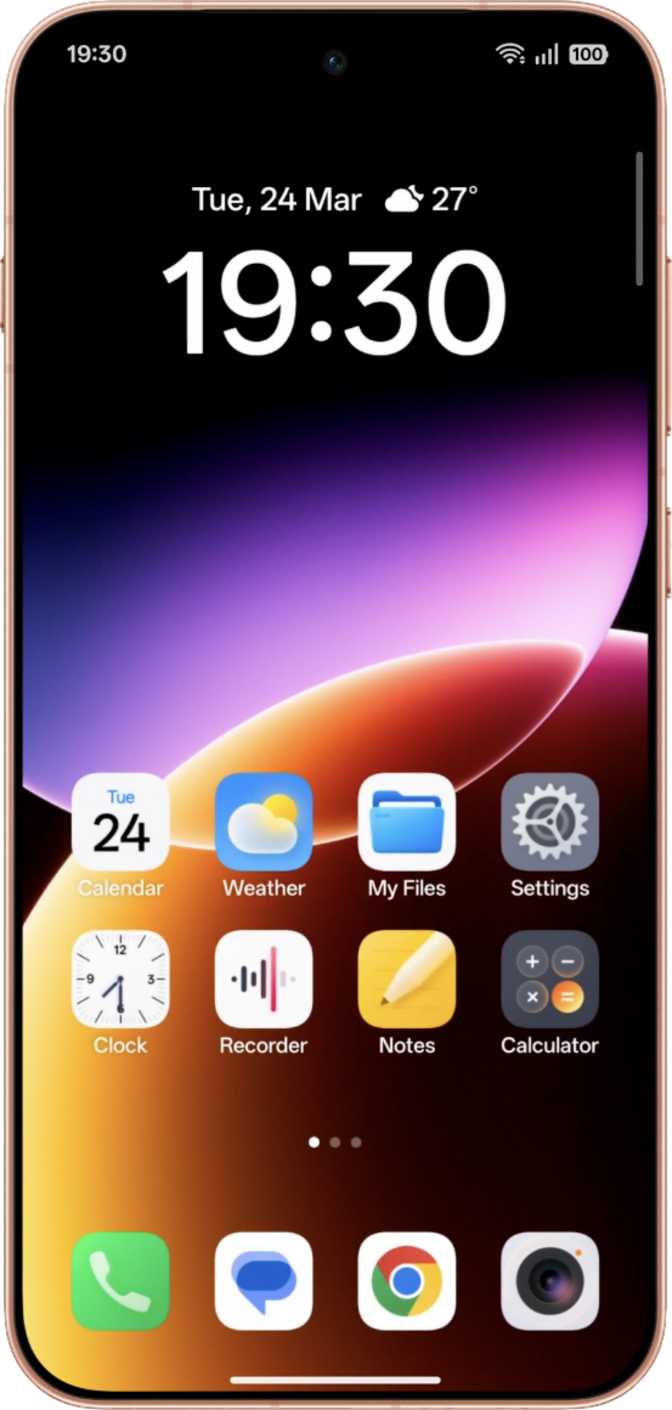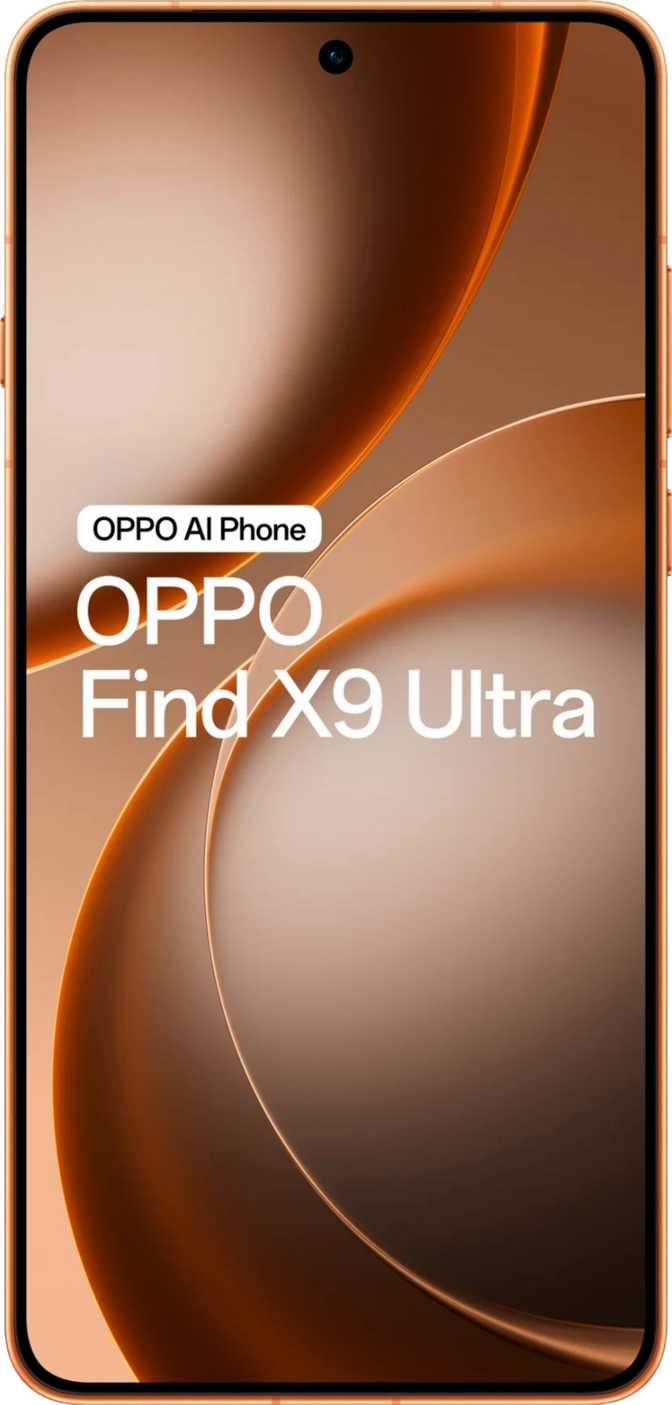
Oppo Find N6 Full Review: A Foldable That Refuses to Compromise
SmartphonesOverview
Most foldable phones ask you to accept trade-offs — a thicker profile, a weaker camera, shorter battery life, or a display that folds but never quite feels premium. The Oppo Find N6 arrives with a different agenda entirely. Combining a 4.2 mm unfolded profile with a 6,000 mAh battery, a 200-megapixel triple camera system, and a top-tier processor built on 3-nanometer manufacturing, it may be the most complete foldable smartphone available to consumers. This is not a device for buyers who are foldable-curious — it is for buyers who are ready to commit, and who want the most capable hardware in that form factor when they do.
Editorial Score
- Design & Build
- 9.5
- Display
- 9.0
- Performance
- 10.0
- Camera System
- 8.8
- Battery & Charging
- 9.5
- Software
- 8.0
- Connectivity
- 9.5
Design and Build: The Thinnest Argument for Foldables
When unfolded, the Find N6 measures just 4.2 mm at its thinnest point — roughly half the depth of a conventional flagship smartphone. That single number represents the most aggressive thinness achieved by any production foldable device and shapes the entire physical experience of using it. Unfolded, it spans 159.9 mm tall and 145.6 mm wide, landing squarely in book-style foldable territory. The 225-gram weight is noticeable, but it distributes well enough that extended use does not fatigue the wrist the way heavier slabs can.
Physical Dimensions
- Unfolded Thickness4.2 mm
- Height (Open)159.9 mm
- Width (Open)145.6 mm
- Weight225 g
IP58 Water Resistance
Real protection that most foldables have historically lacked entirely.
- Protected against dust ingress in most real-world environments
- Survives submersion in fresh water beyond 1 metre depth
- Rain, splashes, and sink encounters handled with confidence
- Not rated for salt water or extended deep submersion
The design omits a curved display and forgoes sapphire glass, keeping the surface geometry clean and maximally usable. In practice, the IP58 durability rating delivers more everyday value than sapphire scratch resistance ever would. Foldable phones historically carried no meaningful water resistance at all, making this rating a signal of genuine engineering maturity.
The Display Experience: Two Screens Worth Caring About
The Main Inner Display
When opened, the Find N6 reveals an 8.12-inch OLED panel — larger than many small tablets, wrapped in a phone chassis that fits in a jacket pocket. At 412 pixels per inch, the display renders text and imagery with a sharpness that makes individual pixels invisible to the naked eye at any normal viewing distance.
The 120Hz refresh rate keeps scrolling and animations fluid. The 240Hz touch sampling rate — double the visual refresh — captures finger movements with minimal latency, which matters most in gaming and precision input scenarios.
Typical brightness sits at 600 nits, which is adequate for most indoor environments. Bright direct sunlight may call for manual adjustment, but 600 nits as a sustained luminance figure is respectable — many panels advertise higher peaks maintained only for seconds at a time.
Inner Display at a Glance
- Panel TypeOLED / AMOLED
- Size8.12 inches
- Resolution2248 × 2480 px
- Pixel Density412 ppi
- Refresh Rate120Hz
- Touch Sampling240Hz
- Typical Brightness600 nits
Triple HDR Coverage
The panel supports HDR10, HDR10+, and Dolby Vision simultaneously. Content from virtually every streaming platform — whether it masters in HDR10+ or Dolby Vision — renders in its intended format. This triple coverage is not always guaranteed even on flagship slab phones, and having all three on an 8-inch screen makes this a genuinely compelling media consumption device.
The Cover Screen
The external display resolves at 1,140 × 2,616 pixels — a tall, narrow format designed for one-handed use without opening the device. The resolution is high enough for clear text, sharp media previews, and meaningful standalone tasks like messaging, playback controls, and notifications. A well-specced cover screen makes opening the phone feel like a choice, not a necessity.
- Resolution1140 × 2616
- TypeTouch Screen
Performance: Flagship-Grade, No Asterisks
The Find N6 runs on a 3-nanometer chipset — the leading edge of mobile processor manufacturing. Smaller transistors mean higher efficiency and more computing power without proportional increases in heat or battery drain. The results are measurable, and the numbers place this device among the most powerful smartphones that exist.
Processor Architecture
The CPU uses a big.LITTLE configuration: two high-performance cores clocked at 4.6 GHz handle demanding workloads, while six efficiency cores at 3.62 GHz manage lighter tasks. This split delivers peak power when needed and minimal energy consumption when idle — exactly what modern mobile computing demands.
These Geekbench 6 scores place this chipset at the absolute ceiling of what any smartphone currently delivers — not "good for a foldable," but leading the entire category outright.
- Architecture3nm, big.LITTLE
- CPU Cores / Threads8 cores / 8 threads
- Peak CPU Clock4.6 GHz
- GPUAdreno 830 @ 1,200MHz
Memory and Storage
The 85.1 GB/s memory bandwidth benefits tasks involving large data movement: video editing, high-resolution photo processing, and real-time AI feature execution. Combined with LPDDR5X at 5,300 MHz, no app should ever need to reload from the background during daily use.
One terabyte of internal storage is the baseline — not an upgrade tier. For most users, this eliminates storage management from the mental checklist permanently. There is no memory card slot, but with a full terabyte built in, that omission is nearly academic.
- RAM16GB LPDDR5X
- RAM Speed5,300 MHz
- Memory Bandwidth85.1 GB/s
- Internal Storage1TB
Camera System: A Three-Lens Array Built Around a 200-Megapixel Sensor
The Find N6's camera system is structured around a 200-megapixel primary sensor — an ambition level not common even among dedicated camera-first smartphones, let alone foldables. The system includes optical image stabilization, phase-detection autofocus, and a back-side illuminated CMOS sensor across the main lens, giving the hardware both resolution headroom and practical low-light capability.
- Optical Image Stabilisation (OIS)
- Phase-Detection Autofocus
- BSI CMOS sensor
- HDR mode built-in
- Broad-angle scene coverage
- Burst mode supported
- In-camera panorama
- True optical zoom — no quality loss
- Subject isolation at distance
- Touch autofocus in video
Video Capabilities
The main camera records at 4K resolution at 60 frames per second, capturing motion-intensive content — sport, travel, children — with smooth results at maximum detail. Both HDR10 and Dolby Vision recording are supported, meaning footage captures the same high dynamic range flexibility available when viewing content on the display. Slow-motion recording is also included.
- 4K at 60fps main camera recording
- Dolby Vision and HDR10 video recording
- Continuous autofocus during video
- Slow-motion and timelapse modes
Manual Controls and Front Camera
Experienced photographers have direct access to manual shutter speed, ISO, white balance, focus, and exposure. The 20-megapixel f/2.4 front camera sits conventionally above the cover display rather than beneath the screen, which preserves image quality — under-display cameras currently involve optical compromises that above-screen placement avoids.
- 20MP f/2.4 front camera
- Full manual exposure controls
- Above-screen placement for best optical quality
Battery Life and Charging: Where This Device Makes a Surprising Statement
A 6,000 mAh battery is exceptionally large for any smartphone, let alone one this thin. The average flagship slab phone carries somewhere between 4,500 and 5,000 mAh. The Find N6 carries substantially more capacity despite the mechanical complexity of a folding hinge and a dual-screen chassis — a remarkable engineering achievement.
In practical terms: a user with moderate-to-heavy usage — streaming, photography, browsing, some gaming — should expect two full days of use before reaching critically low charge. Light users may stretch beyond that. Even heavy users pushing the device hard will likely end each day with charge to spare.
Software: Android 16, Privacy Tools, and Foldable Optimisation
Running Android 16, the Find N6 ships with the most current version of the operating system available. The software layer includes a meaningful suite of privacy controls and productivity features, and the 8-inch display makes foldable-specific multitasking genuinely useful — not the cramped compromise it is on a standard 6.5-inch phone.
Privacy and Security
- Clipboard access warnings
- Camera and microphone usage indicators
- Location privacy options
- App tracking block
- Customisable notification permissions
- Battery health monitoring
- Child lock and multi-user support
Productivity and UX
- Split-screen multitasking on an 8-inch display
- Picture-in-Picture (PiP) support
- Full-page screenshots
- Dynamic theming and dark mode
- Offline voice recognition
- Widget support and live text
- Extra dim mode for OLED night use
Update cadence note: The device receives OS updates via OPPO's software team rather than directly from Google — standard for Android manufacturers outside the Pixel line. Long-term software support quality depends on OPPO's responsiveness, which buyers should factor into the decision.
Connectivity and Audio: Current-Generation Across Every Standard
Wireless and Data
The Find N6 supports Wi-Fi 7 — the current standard delivering the highest available throughput and lowest latency on compatible routers — alongside backward compatibility with Wi-Fi 6, 5, and 4. Bluetooth 6 is the latest iteration of the standard, ensuring future compatibility with next-generation accessories.
- Wi-Fi 7 (802.11be) with Wi-Fi 6/5/4 backward compatibility
- Bluetooth 6.0 — latest generation
- 5G connectivity with dual-SIM support
- USB 3.2 Type-C for fast wired data transfer
- Satellite SOS — emergency signalling without cellular coverage
- GPS + Galileo multi-constellation location accuracy
- Infrared emitter for universal remote control use
Audio
Stereo speakers provide spatial audio for gaming and media. The 3.5 mm headphone jack is absent — expected on a device this thin. The wireless audio codec support, however, is comprehensively premium, covering every high-quality Bluetooth audio standard except aptX Lossless.
- LDAC — near-lossless wireless audio
- aptX HD — high-definition wireless audio
- aptX Adaptive — adaptive bitrate wireless audio
- Stereo speakers — spatial audio for media and gaming
- No 3.5 mm headphone jack
Who the Find N6 Is For — and Who Should Look Elsewhere
No product is right for everyone. The Find N6's profile is specific, and knowing whether it matches your life is worth thinking through carefully before purchase.
- Productivity-driven users who want a tablet-quality display in a pocketable form factor and use split-screen multitasking daily
- Photographers and videographers who want a versatile multi-focal-length system with serious resolution on a device that doubles as a large preview screen
- Media consumers who want the best available screen for streaming, reading, and creation — with Dolby Vision on a large OLED surface
- Power users who will stress every specification: gaming, video editing, multitasking, and extended daily use
- Frequent travellers who value satellite SOS, dual-SIM flexibility, and a device that genuinely replaces both a phone and a small tablet
- Budget-conscious buyers — hardware at this specification level carries a price to match, and there is no value-tier version of this configuration
- Minimalists who prefer small phones — even folded, the Find N6 has a wider footprint than a compact candy-bar phone
- Buyers who depend on wireless charging and want certainty — verify availability for your specific market before purchasing
- Wired headphone loyalists — the 3.5 mm jack is absent with no standard adapter in the box
Competitive Positioning: How the Find N6 Stacks Up
Across almost every measurable dimension, the Find N6 either matches or exceeds what competing book-style foldables offer. The combination of extreme thinness, an industry-leading battery, a 200-megapixel camera array, and the most current connectivity standards is not something any single competitor currently offers simultaneously.
| Feature | Oppo Find N6 | Typical Flagship Foldable |
|---|---|---|
| Unfolded Thickness | 4.2 mm | 5.5 – 6.5 mm |
| Main Camera Resolution | 200 MP | 50 – 108 MP |
| Battery Capacity | 6,000 mAh | 4,400 – 5,000 mAh |
| Inner Display Size | 8.12 inches | 7.6 – 8.0 inches |
| Water Resistance | IP58 | IP48 or IPX8 |
| Wired Charging Speed | 80W | 25 – 67W |
| Wi-Fi Standard | Wi-Fi 7 | Wi-Fi 6 or 6E |
| Bluetooth Version | 6.0 | 5.3 – 5.4 |
| Android Version | Android 16 | Android 14 – 15 |
The closest competitors on pure specification grounds come from Samsung's Galaxy Z Fold line and the Huawei Mate X series. Neither currently combines the Find N6's thinness with its battery capacity. On connectivity standards — Wi-Fi 7, Bluetooth 6 — the Find N6 is ahead of both.
Honest Assessment: What It Gets Right and Where It Holds Back
The Find N6 gets the fundamentals right in a way most foldables have historically failed to. The battery is large when conventional foldable logic says it should be small. The device is thin when physics suggests the opposite. The camera system is genuinely ambitious rather than a compromise made to fit a thinner chassis.
- Unprecedented thinness: At 4.2 mm, there is no production foldable that matches this profile. The form factor feels genuinely pocket-friendly in a way book-style foldables usually do not.
- Battery overachievement: 6,000 mAh in a device this thin is the most impressive single engineering decision here. Most users will not run this phone flat in a single day.
- Ceiling-tier processing: The chipset scores are not "good for a foldable" — they lead the entire smartphone market. This device will not feel slow for several years.
- Meaningful water resistance: IP58 on a foldable was not achievable until recently. It signals genuine build quality maturity for the category.
- Future-proof connectivity: Wi-Fi 7, Bluetooth 6, and satellite SOS ensure this device is prepared for what networks will offer over the next several years.
- IP58 vs IP68: The rating is excellent for a foldable, but conservative compared to the IP68 found on the most water-resistant conventional flagships. Submersion depth and duration limits are more constrained.
- Wireless charging ambiguity: A device at this tier should ship with wireless charging without qualification. The regional variant discrepancy in specifications needs confirmation before purchase.
- No 3.5 mm jack: The trade-off for thinness is understandable, but it remains a real omission for wired headphone users. No adapter is guaranteed in-box.
- Mediated OS updates: Software patches arrive via OPPO's layer, not directly from Google. Long-term update commitment quality depends on the manufacturer's track record.
Answers to What Buyers Actually Ask
These are the questions that real buyers search for before making a purchase decision on a device in this category.
Final Verdict
RECOMMENDEDThe Oppo Find N6 is the closest thing to a no-compromise foldable smartphone currently available.
It does not ask you to accept a weaker camera, a shorter battery, or reduced water resistance in exchange for its book-style form factor. In several areas, it improves on what the best conventional flagship phones currently ship with.
The 4.2 mm thinness is the headline, but the 6,000 mAh battery is the more impressive engineering achievement — and the one that will matter more in a buyer's daily experience. The chipset performance is unreservedly flagship-tier, the display is among the largest and most capable on any smartphone, and the 200-megapixel triple-camera system makes no apology for ambition.
Buyers who have been waiting for a foldable that does not feel like a trade-up in form but a trade-down in function will find the Find N6 is the answer that argument has been waiting for. If a foldable is on your consideration list and budget is not the primary constraint, this is the device to measure everything else against.