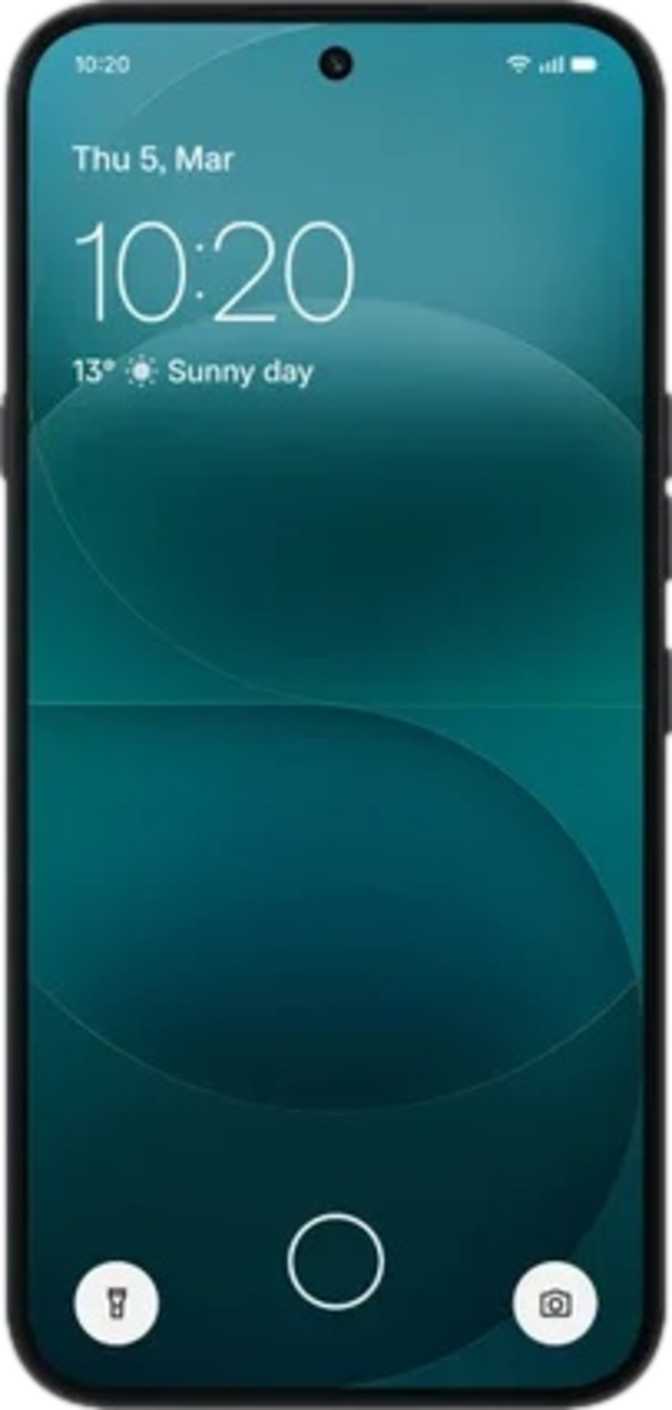
Nothing Phone (4a) Full Review: Striking Design, Real Trade-Offs

Nothing Phone (4a) Full Review: Striking Design, Real Trade-Offs

Smartphones
6.78" OLED
120Hz · HDR10+
Snapdragon 7s Gen 4
4nm · 12GB DDR5
50+50+8 MP
3.5x Optical Zoom
5080 mAh
50W Fast Charge
IP64 Rated
Dust & Splash
Android 16
Nothing OS

Design, Build Quality and Physical Experience

Dimensions · IP Rating · Glyph Interface · Glass

The Nothing Phone (4a) is genuinely thin at 8.5mm — a dimension that becomes tangible the moment you slide it into a pocket without negotiating with the fabric. At 205g across a frame that measures 163.9mm tall and 77.5mm wide, it sits at the upper edge of substantial-without-heavy. The weight distribution works well enough that single-handed use across a full day does not fatigue the wrist the way heavier large-screen phones do.

Nothing’s Glyph Interface — the rear LED system — earns its place beyond aesthetics. It surfaces notifications, acts as a progress indicator during charging or timers, and pulses in sync with incoming calls. With the phone face-down on a meeting table or in a dark room, the Glyph system provides ambient awareness that a standard phone simply cannot replicate. It sounds like a novelty until it becomes a habit.

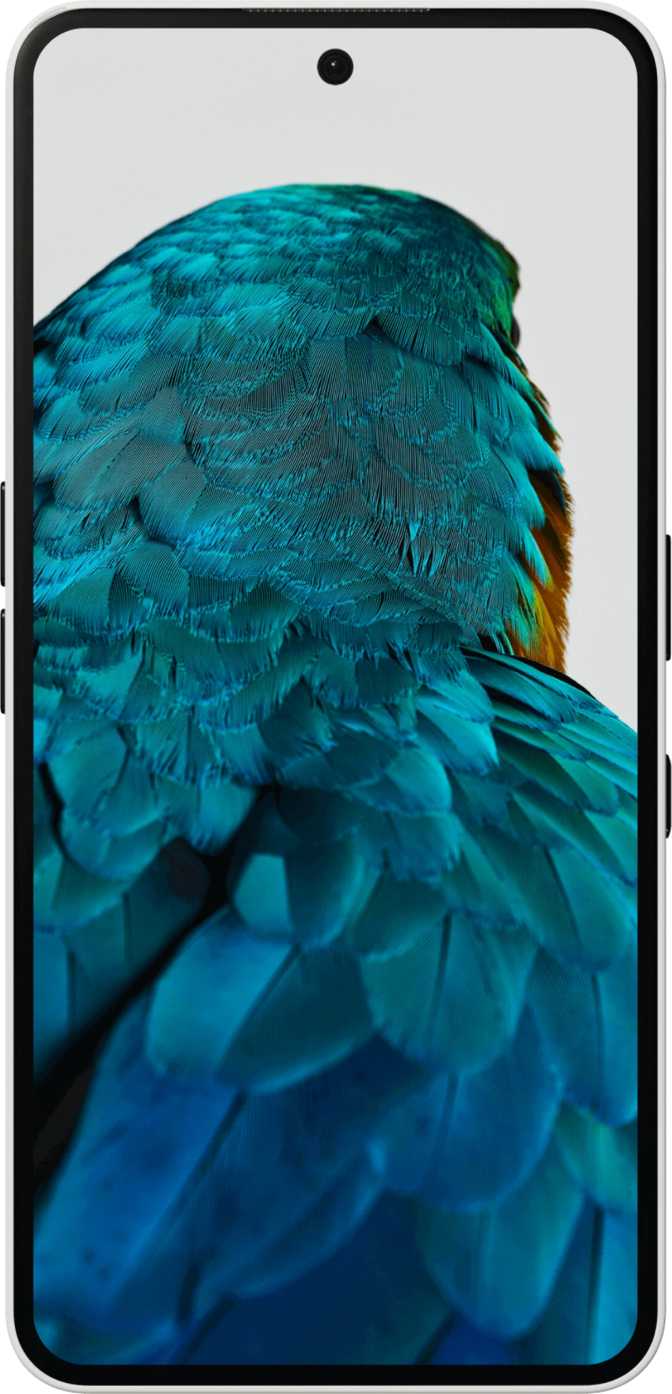
The display is flat, which matters practically: flat panels accept screen protectors cleanly and avoid the micro-crack vulnerability along curved edges that appears on many competing devices over time. The glass protection tier carries no independent certification branding — treat the screen with reasonable care rather than assuming resilience.

Physical Specifications
Height163.9 mm
Width77.5 mm
Thickness8.5 mm
Weight205 g
Water ResistanceIP64
Display ShapeFlat (not curved)
Glyph InterfaceIncluded
SIM CardsDual SIM
IP64 Rating — What It Actually Covers

IP64 means complete dust blocking and resistance to water jets from any direction. Rain, sink splashes, a knocked-over drink — all comfortably within range. Submersion is not: pool drops, prolonged heavy rain, or underwater use fall outside the protection envelope. For most people this rating is entirely sufficient. For swimmers or heavy outdoor users, IP67 or IP68 devices offer greater peace of mind.

Display: OLED Quality That Overdelivers

6.78" OLED · 1260×2800 px · 120Hz · 2500Hz Touch Sampling · HDR10+

A 6.78-inch OLED panel at this price is not something to take lightly. OLED technology means each pixel generates its own light — blacks are genuinely black, colors are vivid without looking artificial when calibrated well, and the contrast ratio reaches one million to one. That figure is the theoretical ceiling for OLED and means dark scenes in films or games look cinematic rather than washed out.

453
pixels per inch
Pixel Density

Individual pixels invisible at normal viewing distance

120
Hz refresh rate
Fluid Scrolling

Smooth motion vs the mechanical feel of 60Hz panels

2500
Hz touch sampling
Gaming Response

Far lower input lag than 240Hz rivals in fast-paced games

800
nits typical
Brightness

Clear indoors; challenges in harsh direct sunlight

Display Strengths

  • HDR10+ delivers expanded brightness and color on Amazon Prime Video content frame-by-frame
  • Always-On Display shows time, notifications, and Glyph indicators without waking the screen
  • 1,000,000:1 contrast ratio makes dark scenes in films and games properly cinematic
  • Flat panel design allows clean screen protector application and avoids curved-edge micro-cracking

Worth Knowing

  • No Dolby Vision support — relevant primarily for Apple TV+ heavy users
  • No independent glass certification branding — treat the screen with reasonable care
  • 800 nits typical brightness may struggle under intense direct sunlight

Performance: Snapdragon 7s Gen 4 Explained

4nm Chipset · 12GB DDR5 RAM · 256GB Storage · Adreno 710 GPU

Built on a 4-nanometer manufacturing process — the same node used in flagship-tier chips from previous generations — the Snapdragon 7s Gen 4 achieves more processing power within a tighter thermal budget. The result: fast response under load and efficient power consumption during idle periods, both of which feed directly into battery life.

CPU Architecture: Three-Tier Design
1 × Performance Core (2.7 GHz)Peak Tasks

App launches, complex single-threaded computations, peak UI responsiveness

3 × Mid Cores (2.4 GHz)Balanced Work

Multitasking, media processing, and moderately demanding workloads

4 × Efficiency Cores (1.8 GHz)Background

Background tasks and idle operation — the reason the phone does not drain battery doing nothing

Adreno 710 GPU — Gaming Context

The Adreno 710 handles the majority of popular mobile titles at high settings, including graphically demanding ones. It is not the equal of chips found in top-tier flagships, and extended AAA gaming at maximum settings will eventually push thermal limits. For most mobile gamers — including competitive players — this GPU combined with the 2500Hz touch sampling makes the Phone (4a) a legitimately capable gaming device.

DirectX 12 OpenGL ES 3.2 OpenCL 2.0 1050 MHz Clock
12 GB DDR5
3200 MHz RAM Speed

More apps stay loaded in the background, reducing reload lag when switching tasks. DDR5 is the current memory standard.

256 GB
Fixed Internal Storage

No expandable memory slot. Ample for most users; heavy 4K video shooters should plan accordingly.

Storage is Fixed

No microSD slot. 256GB is the ceiling — plan your media storage before purchasing.

Camera System: Three Lenses, Real Versatility

50MP Main · 50MP Telephoto 3.5x · 8MP Ultrawide · 32MP Front

The rear array covers three genuinely distinct shooting scenarios. Unlike the main-plus-depth-sensor combinations that pad the camera count on many mid-range phones without adding real capability, each lens here serves a meaningful purpose.

Primary Camera
50 MP · f/1.9 · OIS · 1µm pixels

The widest aperture in the system admits the most light, making this the lens to lean on in daylight and mixed-light conditions. Optical Image Stabilization compensates for the natural hand tremor that blurs shots taken below bright daylight. Phase-detection autofocus locks quickly and tracks moving subjects continuously during video recording.

  • OIS for sharp handheld low-light shots
  • Phase-detection + continuous AF for video
  • Manual: exposure, ISO, focus, white balance
  • 1µm pixels — night shots rely on processing
Telephoto Camera
50 MP · f/2.9 · 3.5x Optical Zoom

The standout lens in this system. A 50-megapixel telephoto with true optical zoom captures distant subjects using glass movement, not digital cropping. The quality gap between optical and digital zoom is clearly visible in the 3–5x range most people actually use. Portraits, architecture, events, and travel photography all benefit from this reach.

  • 3.5x optical — genuine glass reach, not a crop
  • 50MP resolution allows further cropping if needed
  • f/2.9 aperture — softer performance in dim light
Ultrawide Camera
8 MP · f/2.0

The weakest of the three, and the specifications reflect it. Lower resolution limits cropping flexibility, and the smaller sensor captures less light. Ultrawide shots work well for social media and phone-screen viewing in good daylight but are not suited for large prints or detailed scrutiny. This is a conscious and common trade-off at this price point — a 50MP ultrawide would add meaningful cost.

  • Covers scenes too wide for the main lens
  • 8MP ceiling — limited detail and cropping room

Video Capabilities

  • 4K recording at 30fps from the main camera
  • Slow-motion video recording supported
  • Continuous autofocus keeps moving subjects sharp throughout
  • No HDR10 video recording — footage lacks expanded dynamic range for post-production

Front Camera — 32MP, f/2.2

  • 32MP delivers sharp selfies with meaningful room to crop
  • f/2.2 aperture handles typical indoor lighting reasonably well
  • No front-facing flash — dim environments rely entirely on ambient light

Battery Life and Charging

5080 mAh · 50W Wired Fast Charging · No Wireless Charging · No Charger in Box

The 5,080mAh cell sits well above the mid-range average, and the 4nm chip’s inherent power efficiency compounds that advantage. Most users will reach the end of a full day without anxiety. Light users — those who browse, message, and stream in moderate amounts — can stretch into a second day without charging. Heavy users running navigation, gaming sessions, and sustained video at high brightness will land in the 8–12 hour screen-on range depending on brightness and network conditions.

The 50W wired fast charging refills the battery from empty to roughly 50% in around 30 minutes — genuinely useful before heading out the door. A full cycle completes in approximately 75–80 minutes, which is competitive for the segment.

Two omissions deserve direct attention. Wireless charging is absent — a daily inconvenience for anyone who relies on a wireless pad at their desk or nightstand. The phone also does not ship with a charger in the box, meaning buyers need to source a USB Power Delivery adapter rated for at least 50W separately.

Charging Summary
50W
Wired Fast Charging
~30 min to 50% · Full charge ~75–80 min
No Wireless Charging
USB-C wired charging only — no exceptions
No Charger in Box
Requires separate USB PD adapter (50W minimum)

Software: Android 16 and Nothing OS

Android 16 · Nothing OS · Privacy Controls · Clean UI

Nothing OS runs on Android 16 and is defined by what it removes as much as what it adds: minimal bloatware, a clean icon system, and a typographic identity that sets it apart from Samsung’s One UI or Xiaomi’s HyperOS. For users who find feature-laden Android overlays overwhelming, the restraint here is a genuine selling point.

Privacy & Security
  • Per-app camera and microphone access controls
  • Granular location permission tiers
  • Clipboard activity warnings when apps access it
  • App-tracking blocking built in natively
  • Battery health monitoring available in settings
  • No native cross-site tracking prevention — handled via browsers
Feature Highlights
  • Dynamic theming and customizable notification controls
  • Split-screen multitasking and Picture-in-Picture supported
  • Offline voice recognition — no internet required
  • Multi-user system support and child lock
  • Full-page scrolling screenshots
  • OS updates mediated by Nothing — arrive slower than on Pixel devices

Connectivity and Audio

5G · Wi-Fi 6 · Bluetooth 5.4 · NFC · USB-C 2.0 · Stereo Speakers

What You Get

  • 5G Connectivity
    Future-proofed network support integrated directly into the Snapdragon 7s Gen 4 chipset
  • Wi-Fi 6 (802.11ax)
    Full-speed connections on modern routers; improved performance in congested networks like airports and offices
  • Bluetooth 5.4
    Current Bluetooth standard — handles audio streaming and peripherals reliably
  • NFC
    Contactless payments fully supported
  • Dual SIM
    Two SIM cards operate simultaneously
  • Stereo Speakers
    Dual-channel output for improved media and gaming audio over mono setups

Notable Limitations

  • USB 2.0 Port Speed
    The USB-C port uses a 20-year-old data transfer standard. Moving a large photo library to a PC takes far longer than on USB 3.0-equipped rivals. The most functionally frustrating limitation on this device.
  • No 3.5mm Headphone Jack
    Wired audio requires USB-C earphones or an adapter, neither of which ships in the box
  • No LDAC or aptX HD
    Standard Bluetooth audio codec only — premium wireless headphones won’t reach their full quality potential
  • No Infrared Sensor
    Cannot function as a universal TV or smart device remote

Who Should Buy This Phone?

Strong Match For...
  • Daily smartphone buyers on a mid-range budget
    OLED display, genuine telephoto camera, and solid performance without flagship pricing
  • Mobile gamers who care about display response
    2500Hz touch sampling and 120Hz OLED are legitimate gaming credentials at this price tier
  • Design-conscious buyers tired of identical Android hardware
    The Glyph Interface and Nothing’s visual language are genuinely distinctive in this segment
  • Users who value software restraint
    Nothing OS is cleaner than most Android overlays — a real advantage if Samsung or Xiaomi interfaces feel overwhelming
Consider Alternatives If...
  • You swim or spend extended time outdoors in heavy rain
    IP64 handles everyday splashes but not submersion — look for IP67 or IP68 devices instead
  • Wireless charging is part of your daily routine
    The Phone (4a) is wired-only — if your desk or nightstand uses a wireless pad, you will miss it every single day
  • You regularly transfer large files between phone and PC
    USB 2.0 will be a consistent source of friction — competitors at similar prices often offer USB 3.0
  • You use premium Bluetooth headphones expecting full quality
    Without LDAC or aptX HD, your high-end wireless audio hardware won’t reach its performance ceiling here

How It Compares to the Competition

Nothing Phone (4a) vs. comparable mid-range rivals

Feature Nothing Phone (4a) Pixel 8a Tier Galaxy A-Series Tier
Display Type OLED, 120Hz OLED, 120Hz OLED, 120Hz
Touch Sampling 2500Hz 240Hz 240Hz
Optical Zoom 3.5x 5x 3x
Wireless Charging No Yes Yes
USB Standard USB 2.0 USB 3.2 USB 2.0
Charger in Box No No Varies by model
IP Rating IP64 IP67 IP67
Software Nothing OS (clean) Near-stock Android One UI (feature-heavy)
Glyph Interface Unique to Nothing No No

Competitor specifications are generalized for tier-level comparison and may vary by specific model configuration.

Strengths and Weaknesses

What It Gets Right

The Nothing Phone (4a) earns its recommendation in the areas that matter most to daily use. The OLED panel is outstanding for this price tier — the combination of resolution, contrast, HDR10+ support, and 2500Hz touch response is genuinely rare in this segment. The 50-megapixel telephoto with real 3.5x optical zoom adds creative range that many competitors at similar prices simply don’t offer. The Snapdragon 7s Gen 4 on a 4nm process delivers performance that will remain capable well beyond the typical two-year upgrade cycle, and 12GB of DDR5 RAM keeps multitasking fluid. Nothing OS’s clean, restrained identity is either a pleasant bonus or a core selling point depending on your preference.

  • Outstanding OLED display with HDR10+ support
  • 2500Hz touch sampling — best-in-class for gaming
  • Genuine 3.5x optical zoom telephoto camera
  • 4nm chipset with 12GB DDR5 RAM
  • Clean Nothing OS with strong privacy controls
  • 5G + Wi-Fi 6 + Bluetooth 5.4
  • Distinctive Glyph Interface — functional, not just decorative
Where It Falls Short

The weaknesses are real and consistent. Omitting wireless charging and shipping without a charger are cost decisions that transfer inconvenience directly to the buyer — every single day for users who rely on wireless pads. USB 2.0 is genuinely dated technology, and anyone who regularly transfers large files will hit that friction point repeatedly. The IP64 rating, while functional for most daily scenarios, leaves a gap compared to the IP67 standard that similarly-priced rivals have adopted. The absence of LDAC and aptX HD means audiophiles with premium Bluetooth headphones won’t hear what their hardware can actually do.

  • No wireless charging of any kind
  • No charger included in the box
  • USB 2.0 — outdated data transfer speed
  • IP64 only — no submersion protection
  • No 3.5mm headphone jack
  • No LDAC or aptX HD Bluetooth audio
  • No expandable storage

Common Buyer Questions Answered

Real questions buyers search before purchasing the Nothing Phone (4a)

Yes. 5G support is built into the Snapdragon 7s Gen 4 chipset and is standard on the Nothing Phone (4a). It supports major 5G network bands, though exact compatibility will vary by carrier and region.

Yes, the Nothing Phone (4a) supports dual SIM operation with both slots active simultaneously. This makes it practical for separating personal and work lines, or using a local data SIM when travelling internationally.

No. The Nothing Phone (4a) does not support wireless charging in any form. All charging is done via the USB-C port at up to 50W wired. There is also no reverse wireless charging to power other devices.

Yes. Always-On Display is supported and shows the time, date, and notification indicators without waking the full screen. The Glyph Interface works in conjunction with Always-On, providing ambient awareness that other Android phones cannot match.

No. Nothing does not include a charger in the box. You will need to purchase a USB Power Delivery adapter rated for at least 50W separately. This is an increasingly common industry decision, but it remains a genuine inconvenience, particularly for buyers upgrading from devices with different charging standards.

The IP64 rating means the phone is fully dust-proof and resistant to water jets from any direction. This covers rain, sink splashes, and accidental spills. It is not rated for submersion — dropping it in water or swimming with it exceeds the protection envelope. For everyday use this is entirely sufficient; for outdoor adventurers, look at IP67 or IP68-rated alternatives.

No. The 256GB of internal storage is fixed and cannot be expanded. There is no microSD card slot. For most users 256GB is ample, but heavy 4K video shooters or those who store large offline media libraries should factor this ceiling into their purchase decision carefully.

Nothing has committed to multi-year software update support. Updates are delivered through Nothing rather than directly from Google, meaning they may arrive slightly later than on Pixel devices. Nothing’s track record on update delivery has been reasonably prompt historically. For the most current support commitment, verify Nothing’s published update policy at the time of purchase.

Final Verdict

Nothing Phone (4a) — Our Recommendation

8.2 out of 10
Recommended
Category Scores
Display9.0 / 10
Performance7.5 / 10
Camera8.0 / 10
Battery7.5 / 10
Value8.5 / 10

The Nothing Phone (4a) earns a clear recommendation for buyers who want a beautiful display, real photographic versatility, and a distinctive hardware identity without paying flagship prices. The 6.78-inch OLED panel with HDR10+ is one of the better screens in this segment, the Snapdragon 7s Gen 4 handles everyday use and gaming with ease, and a genuine 3.5x optical telephoto adds creative reach that competitors often sacrifice at this price point.

The trade-offs are real and should not be softened. No wireless charging, a dated USB 2.0 standard, no in-box charger, and an IP64 rating that stops short of submersion are the cost of the price point. Some buyers will find these disqualifying. If wireless charging is part of your daily routine, or USB file transfer speed matters to you regularly, this phone will disappoint in those moments consistently.

But if those omissions don’t land in your daily patterns — and for most buyers they won’t — the Nothing Phone (4a) offers a combination of display quality, camera range, design character, and raw performance that is genuinely hard to match at this price. Buy it knowing what it gives up. What it delivers in return is more than worth it.

Best-in-class display response Real 3.5x telephoto zoom Clean Nothing OS No wireless charging USB 2.0 only
Ahmed Bilal Karachi, Pakistan

Budget & Mid-Range Smartphone Reviewer

Consumer rights advocate and value-tech journalist who reviews affordable smartphones and budget tablets for emerging markets. Focuses on real-world battery endurance, camera performance in mixed lighting, and software support longevity rather than spec-sheet comparisons.

Budget Smartphones Mid-Range Tablets Mobile Cameras Battery Tech Value Tech
  • Google IT Support Professional Certificate
  • BA in Journalism & Mass Communication
View Full Profile