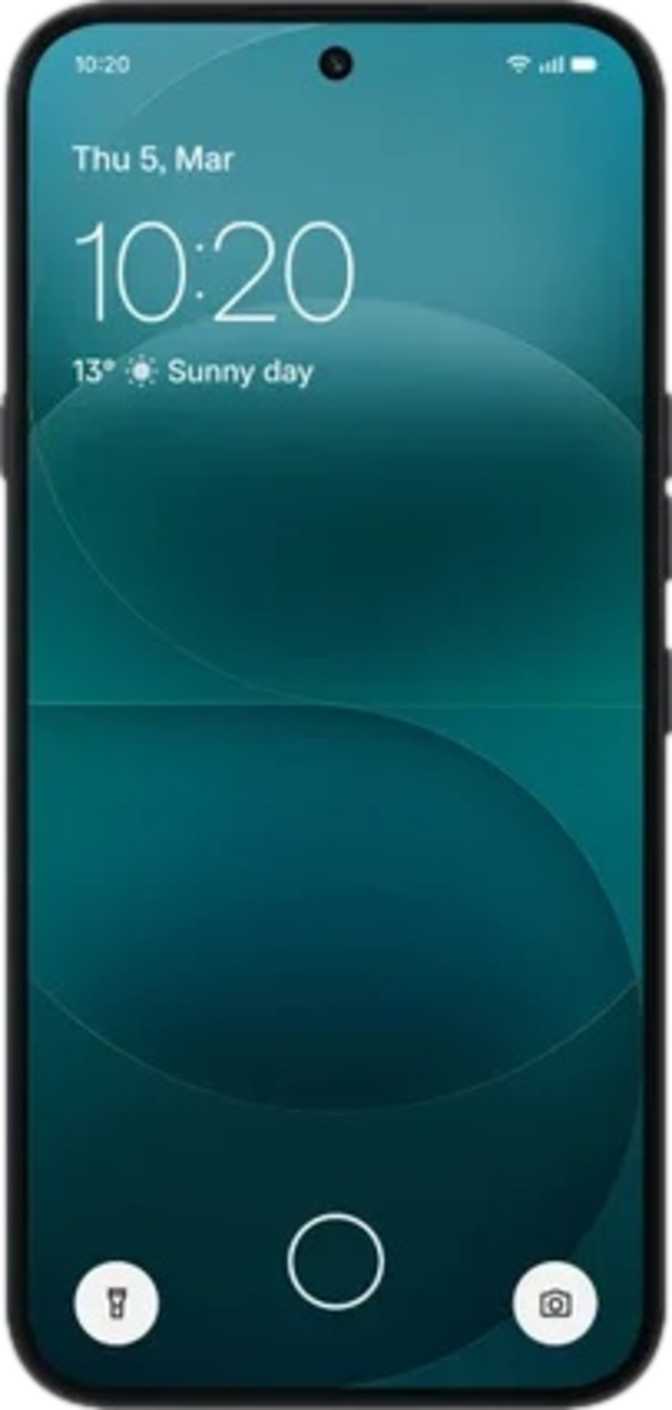
Nothing Phone (4a) Pro: Full Review and Real-World Verdict
SmartphonesNothing has built its reputation on doing things differently, and the Phone (4a) Pro is perhaps the clearest expression of that philosophy yet. In a mid-range market flooded with nearly identical devices, this phone makes a deliberate statement: that a phone at this price point doesn't have to feel like a compromise. Whether the substance matches the style is the question worth examining carefully before spending your money.
Editor's Overall Score
Design and Build Quality
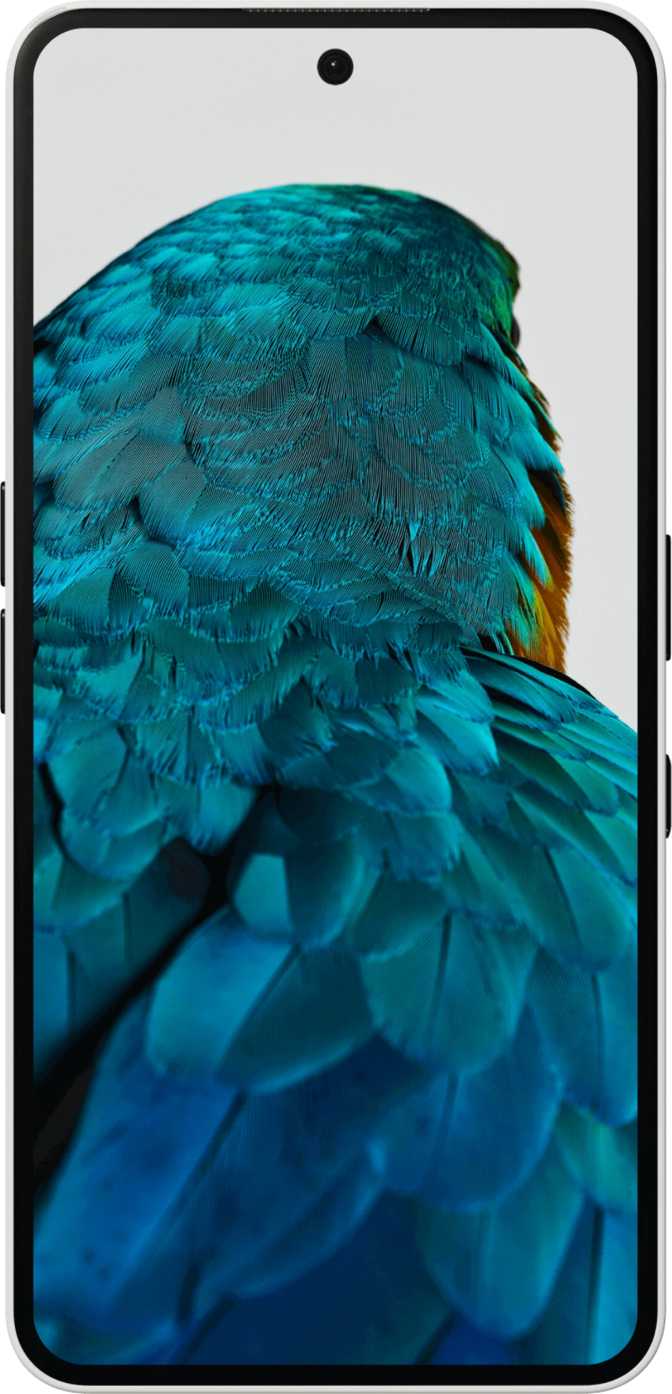
At 7.9mm thin and 210 grams, the Phone (4a) Pro sits in a comfortable middle ground — lighter than many competing phones with comparable displays, but with enough heft to feel solid in hand. The flat display — no curved edges — means screen protectors apply without fuss and thumbs don't accidentally register edge swipes when gripping the phone normally.
The profile is notably slim for a phone in this class, especially given the size of the battery housed inside. That's an engineering achievement worth acknowledging, and it contributes to a phone that feels more intentional than its price bracket usually produces.
IP64 Water Resistance Explained
The IP64 rating delivers two distinct layers of protection worth understanding clearly before purchase:
- The "6" means fully sealed against dust — no particulate matter enters regardless of exposure duration
- The "4" covers water splashing from any direction — rain, accidental spills, and hand-washing nearby pose no real threat
- Submersion is not covered — dropping it into a sink or pool is a different matter entirely
Physical Dimensions
- Height
- 163.6 mm
- Width
- 76.6 mm
- Thickness
- 7.9 mm
- Weight
- 210 g
- IP Rating
- IP64
- Display Edge
- Flat (no curve)
Display: A Screen That Earns Its Real Estate
The 6.83-inch OLED panel is large, but large doesn't mean wasteful when the resolution and pixel density back it up. At 1260 x 2800 pixels, the pixel density lands at 453 pixels per inch — meaning individual pixels are invisible to the naked eye at normal viewing distances. Text is sharp, fine image details are preserved, and extended reading sessions are noticeably more comfortable than on lower-density screens.
Refresh Rate and Touch Performance
The 144Hz refresh rate means the screen updates 2.4 times more often than a standard 60Hz display. Motion looks genuinely smoother — scrolling through social feeds feels fluid, animations don't stutter, and fast-paced games render with less blur. If you've never used a high-refresh screen, the first few minutes feel almost strange — then going back to 60Hz feels like the strange part.
The touch sampling rate of 2,500Hz is more relevant to dedicated mobile gamers than casual users. It means the screen checks for your finger's position 2,500 times per second, resulting in faster input recognition during fast-action gameplay. For everyday tapping and swiping, you won't consciously notice it.
Color, HDR, and Brightness
OLED technology delivers true blacks. When a pixel displays black, it turns off entirely, producing a contrast ratio of one million to one. That's not a marketing exaggeration — it's the physical result of comparing a lit pixel to a pixel that emits no light at all. Dark scenes in movies, dark mode in apps, and nighttime photography all benefit in ways immediately visible to anyone coming from an LCD screen.
Dynamic brightness adjustment scene-by-scene. Amazon Prime Video HDR10+ content displays natively at its intended quality level.
Apple TV+ and some Netflix content uses Dolby Vision. This content won't display at its intended quality tier on this phone.
Shows time, notifications, and glanceable info while locked without a full wake. It becomes indispensable once you use it daily.
Performance: The Snapdragon 7 Gen 4 Explained
The Qualcomm Snapdragon 7 Gen 4 is purpose-built for the upper mid-range market — not a flagship processor, but not a cost-cut compromise either. Built on a 4-nanometer manufacturing process, it sits on the same fabrication technology as high-end chips. Smaller semiconductor nodes generally mean better power efficiency and more performance per watt, which matters for both speed and battery longevity.
CPU Architecture
The CPU uses a split-core arrangement that routes tasks intelligently, a design known as big.LITTLE. Your phone is constantly assigning work to the most appropriate core type — demanding tasks get full power, idle background processes don't needlessly drain the battery.
| Core Type | Count | Clock Speed | Primary Role |
|---|---|---|---|
| Performance | 1 core | 2.8 GHz | Intensive single-threaded tasks |
| Mid-Range | 4 cores | 2.4 GHz | Sustained multitasking workloads |
| Efficiency | 3 cores | 1.8 GHz | Background tasks, battery preservation |
Memory and Storage
12 GB DDR5 RAM
DDR5 is the current generation of memory technology, offering roughly double the bandwidth of the previous DDR4 standard. At 4,200 MHz with 33.6 GB/s peak bandwidth, the processor retrieves data faster — which shows up as snappier app launches, smoother multitasking, and better gaming performance.
With 12 GB available, you can keep many apps open simultaneously without the phone reloading them from storage when you switch back. Heavy multitaskers managing many open apps, live navigation, and video calls simultaneously will handle it without forced app reloads.
256 GB Internal Storage
256 GB is the only configuration available, and there is no microSD card slot to expand it. For most users — including heavy photo and video takers — 256 GB fills slowly.
Camera System: Three Lenses, One Honest Assessment
The Phone (4a) Pro runs a triple-camera system where each lens covers a meaningfully different focal length — rather than padding the spec sheet with redundant sensors. The 3.5x optical zoom is the standout capability, a specification that most phones in this price range simply don't offer.
- Aperture
- f/1.9
- Pixel Size
- 1.0 µm
- OIS
- Yes
- Autofocus
- PDAF
The f/1.9 aperture allows strong light intake for low-light photography. OIS physically stabilizes the sensor against hand movement, producing sharper stills and noticeably smoother video footage.
- Aperture
- f/2.9
- Pixel Size
- 0.64 µm
- OIS
- No
- Field
- Wide scene
The narrower f/2.9 aperture lets in less light than the primary — a common trade-off across all multi-camera systems. This shows up most clearly in low-light ultrawide shots, which will carry more noise than the main camera.
- Optical Zoom
- 3.5x
- Aperture
- f/2.0
- Pixel Size
- 1.12 µm
- Type
- True optical
True optical zoom uses glass optics to physically magnify the subject — unlike digital zoom, which crops and degrades the image. At 3.5x, you frame distant subjects without losing meaningful detail.
Front Camera and Video Capabilities
Front Camera — 32 MP / f/2.2
The 32-megapixel front sensor produces detailed selfies and handles video calls clearly. It is a single-lens system — no ultrawide option for group shots. There is no front-facing LED flash, so low-light selfies rely entirely on ambient light and screen brightness for fill.
Video Recording
- 4K recording at 30 fps
- Continuous autofocus during recording
- OIS for stabilized footage
- Slow-motion video supported
- No 4K at 60fps or higher frame rates
Battery and Charging: Real-World Endurance
The 5,080 mAh battery is large for a phone of this size and thickness — a credit to the engineering choices made to fit it inside a 7.9mm profile. In practical terms, this capacity tier routinely delivers a full day of heavy use and frequently pushes into a day and a half for moderate users.
Heavy use — hours of streaming, social media, GPS navigation, and camera use — will generally bring you to evening with battery remaining. Light-to-moderate use — calls, messaging, some browsing, occasional photos — should comfortably last into the next morning before requiring a charge.
50W Wired Charging
From empty, 50W charging gets the phone to a usable level in roughly 30–40 minutes — a full charge in under an hour to an hour and a half. It's not the fastest in the market, but meaningfully faster than the 18W–25W that budget phones often top out at.
Software: NothingOS on Android 16
The Phone (4a) Pro ships with Android 16, placing it at the front of the Android software generation. NothingOS layers Nothing's visual identity and customizations on top of the Android base without replacing it entirely — you get the full Android ecosystem with Nothing's aesthetic sensibility applied throughout.
- Per-app camera and microphone access controls
- Location privacy settings with granular permission tiers
- App tracking blocking built into the OS
- Clipboard warnings — alerts when apps read your clipboard
- Offline voice recognition — commands without server transmission
- Dynamic theming adapts system colors to your wallpaper
- Dark mode system-wide
- Split-screen multitasking and Picture-in-Picture mode
- Customizable notifications, widgets, and lock screen
- Multi-user system support and child lock
Connectivity: Modern Where It Counts
What's Included
- 5G — current-generation cellular connectivity supported
- Wi-Fi 6 (802.11ax) — better performance in crowded networks, lower latency than Wi-Fi 5
- Bluetooth 5.4 — latest standard, improved connection stability and range
- NFC — enables Google Pay and contactless payments at supported terminals
- Dual SIM + eSIM — two physical SIMs plus one eSIM; ideal for travelers and dual-number users
- GPS + Galileo — European satellite support improves location accuracy in dense urban environments
Notable Omissions
- No 3.5mm headphone jack — Bluetooth or USB-C adapter required for wired audio
- No LDAC / aptX support — Bluetooth audio tops out at standard SBC/AAC; high-end wireless headphones won't reach their full potential
- USB 2.0 data speeds — wired file transfers are slow; moving large video libraries to a computer via cable will be noticeably slower than USB 3.x
- No microSD slot — storage cannot be expanded beyond the internal 256 GB
Audio
Stereo speakers deliver audio from two directions, creating spatial separation for videos and music rather than projecting from a single point. The dual-microphone setup handles call clarity and video audio capture. The absence of LDAC and aptX codec support is the key audio limitation — casual wireless listeners won't notice, but audiophiles using premium Bluetooth headphones will find the wireless signal more compressed than those headphones are capable of handling.
Who Should Buy the Nothing Phone (4a) Pro
- Users who stream and read daily and want a large, high-quality OLED display at a mid-range price
- Photography enthusiasts wanting genuine optical zoom without paying flagship prices — 3.5x is a real capability most phones at this tier don't offer
- People who value all-day battery without mid-day charging anxiety, paired with fast morning top-ups
- Android users who want a clean, personality-driven software experience — NothingOS is opinionated without being restrictive
- Dual-SIM users and frequent travelers who need to manage multiple numbers on one device
- Audiophiles relying on LDAC-capable Bluetooth headphones — you won't get the codec support needed to drive them to their capability
- Wireless charging users whose desk or nightstand workflow is already built around charging pads
- Photographers who shoot RAW and do post-processing in desktop software — all photos are processed in-JPEG
- Users who regularly transfer large video or photo libraries via USB cable — USB 2.0 speeds will be genuinely frustrating
- Anyone who prioritizes one-handed use — at 76.6mm wide, this is a two-handed phone by design
How It Compares to the Competition
Placed against typical upper mid-range and value mid-range alternatives, a consistent pattern emerges: the Phone (4a) Pro punches above its price band on display quality, zoom capability, RAM speed, and software freshness — while trading away the headphone jack, wireless charging, and audiophile-grade Bluetooth codecs to get there.
| Feature | Nothing Phone (4a) Pro | Competitor A Budget-Flagship |
Competitor B Value Mid-Range |
|---|---|---|---|
| Display | 6.83" OLED, 144Hz, 453ppi | 6.7" AMOLED, 120Hz, 394ppi | 6.6" LCD, 90Hz, 401ppi |
| Chipset | Upper mid-range (4nm) | Upper mid-range (4nm) | Mid-range (6nm) |
| RAM | 12 GB DDR5 | 8 GB DDR4 | 8 GB DDR4 |
| Optical Zoom | 3.5x | 2x | None |
| IP Rating | IP64 | IP52 | Not rated |
| Battery / Charging | 5,080 mAh / 50W | 5,000 mAh / 45W | 5,000 mAh / 18W |
| Wireless Charging | No | No | No |
| 3.5mm Jack | No | Yes | Yes |
| Software | Android 16 / NothingOS | Android 14 (upgradeable) | Android 13 |
Honest Strengths and Weaknesses
The Phone (4a) Pro gets a lot right in a segment that usually asks buyers to accept frustrating trade-offs. The combination of a proper OLED panel at 144Hz, a meaningful optical zoom lens, a large fast-charging battery, and a current-generation chipset — all in a phone that doesn't look like everything else on the shelf — is a genuine achievement at its price point.
- Display quality far exceeds what mid-range pricing typically delivers
- 3.5x optical zoom is rare at this price point and genuinely useful beyond casual snapshots
- DDR5 RAM at 12 GB sets a higher performance floor than most competitors in this tier
- Large battery fitted inside an unusually slim chassis — a real engineering win
- Android 16 out of the box delivers a software freshness advantage over almost everything else at this price
Credibility requires honesty about where it falls short. None of these weaknesses are disqualifying on their own, but they're real — a buyer who knows them before purchasing won't be surprised six months into ownership.
- No wireless charging will genuinely inconvenience users who've organized their spaces around charging pads
- USB 2.0 data transfer speeds feel out of place in a phone this capable — a daily friction point for cable media transfers
- No LDAC or aptX support limits high-fidelity wireless audio from premium Bluetooth headphones
- Software update delivery speed depends on Nothing's release cadence rather than coming directly from Google
Questions Real Buyers Ask Before Purchasing
Final Verdict
The Nothing Phone (4a) Pro is one of the more thoughtfully assembled phones in the upper mid-range segment. It makes deliberate choices — sacrificing wireless charging and the headphone jack to deliver a superior display, meaningful optical zoom, faster RAM, and a larger battery than most competitors manage at this tier. If your priorities align with those choices, this phone delivers substantially more than its price bracket typically offers.
Recommended For
- Buyers wanting flagship-adjacent display at mid-range pricing
- Those who need real optical zoom without flagship spend
- Dual-SIM users and clean Android software enthusiasts
- Users who can live without wireless charging and LDAC audio
Skip It If
- Your daily workflow depends on wireless charging pads
- You use high-fidelity LDAC Bluetooth headphones
- You frequently transfer large media files via USB cable
- You need one-handed usability in a compact body
The display alone would make this phone worth considering at its price. Paired with the legitimate 3.5x optical zoom and a chip that handles all modern workloads fluently, the Nothing Phone (4a) Pro earns a clear, confident recommendation for the right buyer.