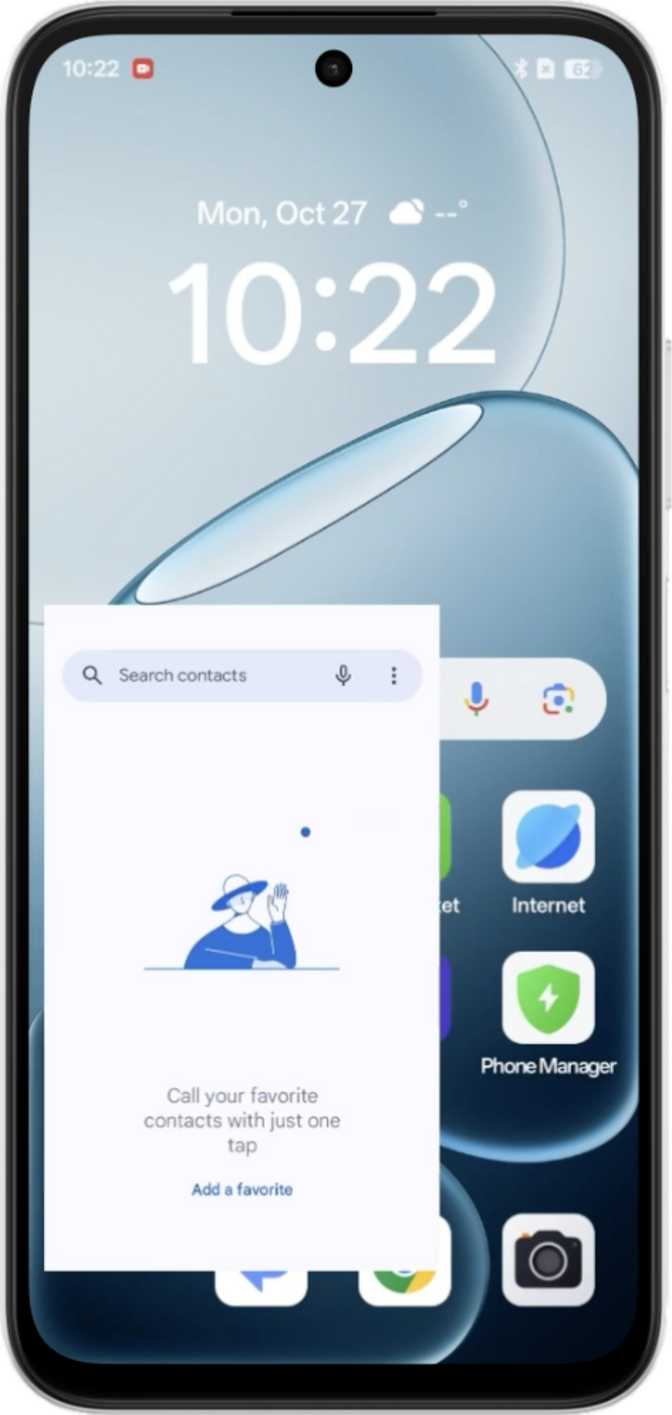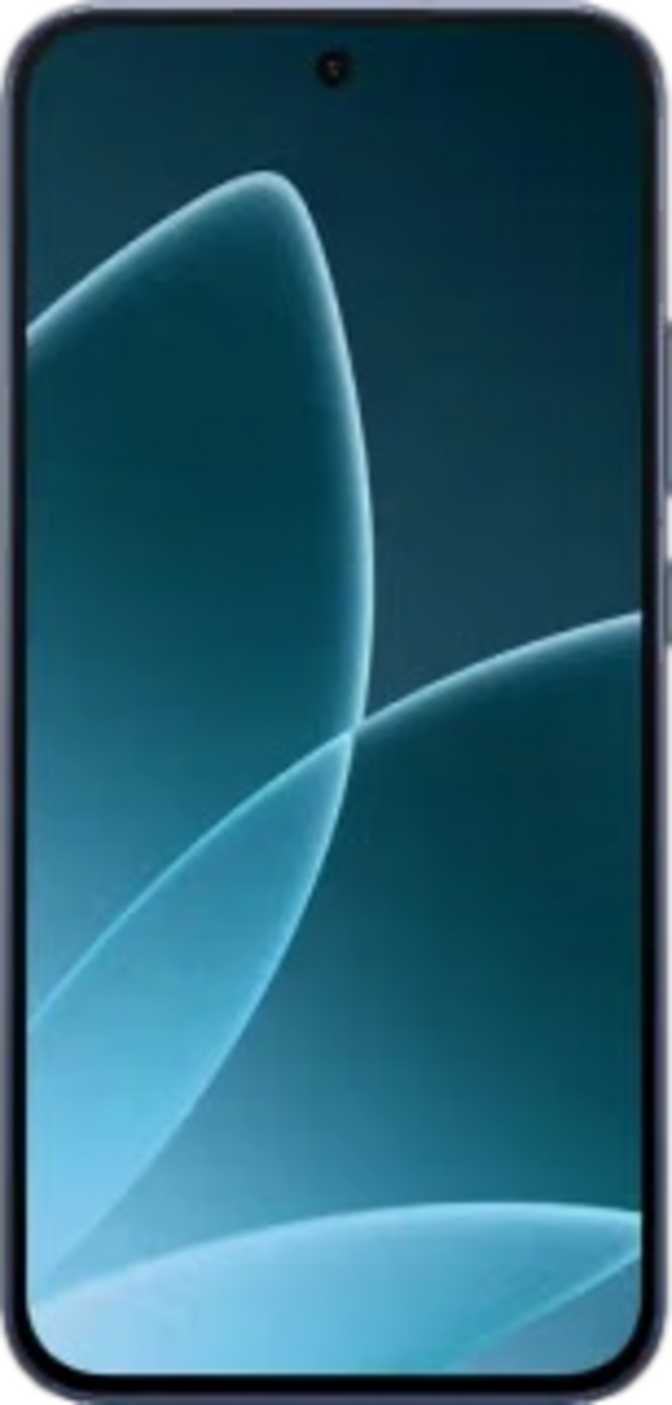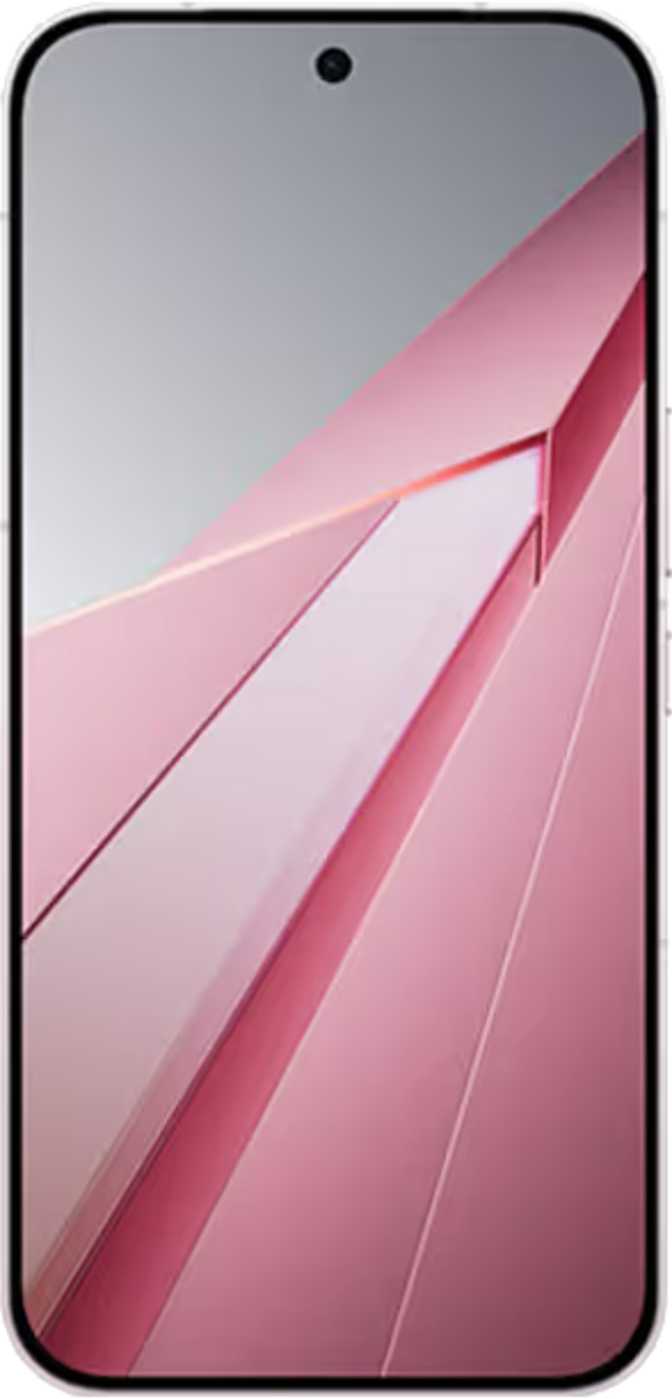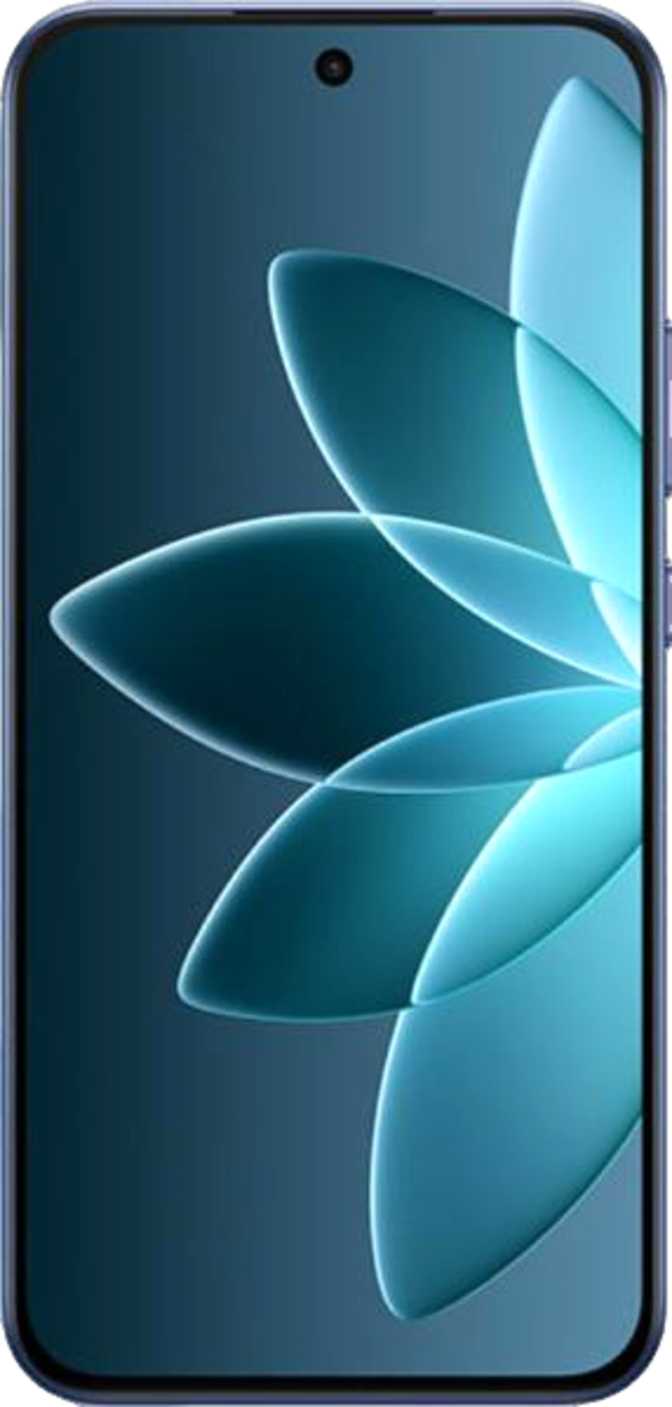
Oppo A6s Pro Review: A Mid-Range Phone Built to Last All Day
SmartphonesReview Scorecard
Overall Score
RecommendedMost smartphones in the mid-range segment ask you to make uncomfortable compromises — a weak battery here, a dim screen there, a camera that stumbles at dusk. The Oppo A6s Pro takes a different approach. It doubles down on the things people actually notice every day: screen quality, battery endurance, and water resistance, while keeping the price firmly outside flagship territory. That strategy either works brilliantly or reveals frustrating gaps depending on what you value most.
Design & Build Quality
At 8mm thin and just under 190 grams, the A6s Pro sits in comfortable territory — not featherweight, but not the kind of phone that makes your jacket pocket sag. Its 6.57-inch frame means one-thumb navigation requires some adjustment if you are coming from a smaller device, but it holds well in one hand for reading and general browsing.
The real story with this phone's build is its IP68 rating. That is full dust-tight, continuous immersion protection — the same certification found on phones costing significantly more. This is not splash resistance dressed up in marketing language. You can drop it in a sink, get caught in rain, or hand it to a toddler without quietly panicking. For anyone who works outdoors, exercises with their phone, or simply lives in a climate that does not cooperate, IP68 is a genuine and practical advantage.
The screen is protected by Gorilla Glass 7i, a newer formulation in Corning's mid-range protection lineup. It handles day-to-day scrapes, keys-in-pocket contact, and accidental knocks better than unbranded glass. The display is flat — no curved edges — which makes screen protector application straightforward and eliminates the accidental touch problem that plagues curved-display phones.
Physical Specifications
- Height
- 158.2 mm
- Width
- 75 mm
- Thickness
- 8 mm
- Weight
- 188 g
- Water Resistance
- IP68
- Glass Protection
- Gorilla Glass 7i
Display: Where This Phone Punches Above Its Class
Panel Type and Visual Character
The 6.57-inch IPS LCD panel runs at Full HD+ resolution, producing around 397 pixels per inch — enough that individual pixels are invisible at normal viewing distance. Text looks crisp, faces in photos look natural, and UI elements are clean without any artificial enhancement needed. IPS LCD means colors are accurate and consistent rather than oversaturated — whites look white, not slightly warm. For reading and content consumption, this is a genuine strength. Those who prefer the deep blacks and vivid pop of OLED will notice a different visual signature, but not an inferior one.
Refresh Rate and Touch Response
The 120Hz refresh rate makes scrolling feel physical and immediate. Paired with a 180Hz touch sampling rate — meaning the screen reads your finger's position 180 times per second — swipes and taps register with very low latency. This matters in gaming, and it makes everyday navigation feel noticeably more fluid than the standard 60Hz or 90Hz displays common at this price tier.
Outdoor Visibility and HDR10
Peak brightness of 1,000 nits puts this screen in territory where outdoor use is genuinely comfortable, not just barely readable. HDR10 support means content from compatible streaming platforms renders with wider dynamic range — brighter highlights, deeper shadows, more visual depth. The Always-On Display allows time and notification checks without waking the phone, a feature typically withheld from this price tier.
Display Features
- IPS LCD — accurate, consistent color reproduction
- 120Hz smooth display refresh rate
- 180Hz touch sampling rate — low latency input
- 1,000 nits peak brightness for outdoor use
- HDR10 streaming content support
- Always-On Display for notifications
- Gorilla Glass 7i protection
- No AMOLED or OLED panel
Performance: Capable, Calibrated, and Honest
The Chipset, Explained
The MediaTek Helio G100 sits in the upper tier of MediaTek's mid-range gaming-focused lineup. Built on a 6nm manufacturing process — the same node used in many chips from flagships of a couple of years ago — it balances processing efficiency with thermal management well. The "G" designation signals gaming optimization, and that shows in the GPU's clock rate and graphics API support.
The chip pairs two high-performance cores at 2.2GHz with six efficiency cores at 2.0GHz. This split architecture (known as big.LITTLE) lets the phone handle demanding tasks with its fast cores while routing background work through efficiency cores to preserve battery. In daily practice, apps open quickly and multitasking between a handful of open applications stays smooth without noticeable hesitation.
RAM, Storage, and Long-Term Use
The 8GB of RAM runs at a fast memory speed that helps background apps survive longer in memory, reducing how often you see cold reloads when switching between them. The 256GB of built-in storage is generous — enough for years of photos, apps, music, and downloaded content for most users. There is, however, no microSD expansion slot. 256GB is the hard ceiling, and it cannot be raised.
Gaming and Demanding Workloads
Mainstream mobile titles run well — frame rates stay consistent and the experience is smooth. Visually demanding AAA mobile games at maximum settings may show occasional drops over extended sessions. That is the honest ceiling of a mid-range chip, and it is not a criticism — it is accurate expectation-setting for anyone choosing this phone primarily for gaming.
Core Specifications
- Chipset
- Helio G100
- Process Node
- 6 nm
- CPU Cores
- 8 cores
- GPU
- Mali G57
- RAM
- 8 GB
- Internal Storage
- 256 GB
- MicroSD Slot
- None
Performance Tier
Optimized for smooth daily multitasking and mainstream mobile gaming. Not designed for maximum-settings AAA gaming or professional video processing workflows.
Camera System: High Resolution, Real Trade-offs
- Aperture
- f/1.8 (wide)
- Autofocus
- Phase-detection
- Stabilization
- Optical (OIS)
- Max Video
- 1080p @ 60fps
- Optical Zoom
- None (fixed lens)
- RAW Capture
- Not supported
- Full manual controls: ISO, shutter, white balance
- Slow-motion recording and timelapse
- Continuous autofocus during video
- No BSI sensor — affects very low-light results
- No 4K video recording capability
- Aperture
- f/2.0
- Lens Type
- Single lens
- Front Flash
- None
- Under-Display
- No
A 50MP front camera is unusually high-resolution for this segment. Selfie detail is sharp and the f/2.0 aperture handles most indoor conditions well. The absence of a front flash means results in genuinely dark environments depend entirely on ambient light.
- Exceptional resolution for this price tier
- No front-facing flash for dark selfies
The f/1.8 main aperture gathers meaningful light per shot, and Optical Image Stabilization reduces blur from hand movement — valuable in dim conditions where shutter speeds slow down. Phase-detection autofocus locks onto subjects quickly and tracks moving subjects reliably during video recording, keeping footage sharp as the camera moves. Manual controls cover ISO, shutter speed, white balance, focus, and exposure, giving photographers creative control alongside a capable automatic mode for those who prefer to just point and shoot.
Where the camera earns honest criticism: there is no optical zoom. Digital zoom is available but produces cropped, lower-quality results at higher magnification. The sensor does not use back-side illumination technology, which means very challenging low-light conditions — dimly lit rooms, night scenes — may show more noise than BSI-equipped rivals. Video tops out at 1080p at 60 frames per second: smooth and social-media ready, but not 4K.
Battery: The A6s Pro's Strongest Argument
The 7,000mAh battery is the specification that most directly sets this phone apart from the competition. Most mid-range phones ship with batteries 40 to 55 percent smaller. The result is a phone that genuinely stops making you think about battery levels.
Typically provides well over a full day for heavy users; two days for moderate users.
Meaningful charge in under 30 minutes; full charge in roughly one hour.
The 80W adapter ships in the box — no additional purchase required.
For a moderate user — a few hours of social media, streaming, navigation, and messaging — this phone will last well into a second day on a single charge. Heavy users who stream video, play games, and stay screen-on for six or more hours daily will comfortably reach end-of-day without anxiety. This is not a "get through the day" battery — it is a "stop thinking about battery" battery.
The 80W fast charging recovers that large capacity quickly — from empty to a meaningful charge in under 30 minutes, and to a full charge in roughly an hour depending on conditions. The charger is included in the box, which is not universal anymore and deserves acknowledgment. Software-based battery health monitoring lets you track cell condition over time — useful for anyone planning to keep the phone for multiple years.
Battery Summary
- 7,000mAh — category-leading capacity
- 80W fast charging speed
- Charger included in the box
- Battery health monitoring tool
- No wireless charging
- No reverse wireless charging
Software: Android 16 with a Well-Stocked Feature Set
The A6s Pro runs Android 16, placing it ahead of many competitors still shipping on older Android versions. The operating system arrives with a solid privacy framework and a feature set that feels current rather than stripped back for cost reasons.
Clipboard warnings, camera and mic access controls, and app tracking blocks come standard
Run two apps side-by-side or use Picture-in-Picture for video while multitasking
Comfort modes for night reading with an extra-dim display option available
Voice commands and recognition work without an internet connection
Scrolling screenshots, dynamic theming, widget support, multi-user profiles, and child lock round out a feature set that competes with phones at higher price points. The software handles the Always-On Display alongside the hardware capability, and on-device machine learning supports features without requiring cloud processing.
Connectivity: Solid Foundation, One Major Gap
The Oppo A6s Pro is a 4G LTE-only device. In regions where 5G infrastructure is widely deployed, this limits the phone's network speeds and long-term relevance. Buyers planning to use this phone for three or more years in an active 5G market should weigh this carefully before purchasing.
LTE download speeds are capable — fast enough for 4K streaming, large downloads, and video calls — but 5G's additional headroom and lower latency are simply unavailable. Wi-Fi 5 (802.11ac) covers dual-band home networking well, and Wi-Fi 6 is absent but unlikely to cause practical limitation for most users.
Bluetooth 5.4 is current-generation and provides stable wireless audio and peripheral connections. NFC is present, enabling contactless payments such as Google Pay — an important daily convenience not available on every mid-range phone. GPS is supported with Galileo satellite network coverage, providing accurate multi-network navigation.
The USB Type-C port uses USB 2.0 speeds. Functional for charging and moderate file transfers, but noticeably slow when moving large media libraries between a computer and the phone. There is no infrared blaster (no universal remote functionality) and no compass, meaning navigation apps derive direction from GPS motion rather than a magnetic sensor.
Connectivity at a Glance
- No 5G — LTE (4G) only
- Wi-Fi 5 (802.11ac) dual-band
- Bluetooth 5.4
- NFC — contactless payments
- GPS + Galileo multi-network
- USB Type-C connector
- USB 2.0 speed — slow file transfers
- No infrared sensor
- No digital compass
Who Should Buy the Oppo A6s Pro
-
Heavy daily users
Need a phone that survives all day and into the next without searching for a charger.
-
Outdoor and active users
IP68 provides genuine waterproofing — not just splash resistance — at a mid-range price.
-
Display-conscious buyers
120Hz, 1,000 nits, HDR10, and Always-On Display at a non-flagship price point.
-
Casual to mid-core gamers
Smooth mainstream mobile gaming performance without pushing into flagship territory.
-
Photography beginners and intermediates
50MP main camera with OIS, phase-detection AF, and comprehensive manual controls.
-
5G-dependent buyers
In markets where LTE is being phased out, the lack of 5G limits long-term usefulness.
-
4K video creators
Video recording tops out at 1080p. Not suitable for 4K content output of any kind.
-
Zoom photography enthusiasts
A fixed lens with no optical zoom is a real constraint for distant subjects.
-
RAW photography editors
No RAW file output means post-processing in tools like Lightroom is limited.
-
Wired audio purists and microSD users
No 3.5mm jack and no storage expansion slot are both fixed, non-negotiable limitations.
How It Compares to the Competition
The A6s Pro competes against a crowded mid-range field. Here is how its key differentiators stack up against typical rivals at a similar price point — its primary edge lies in three specs that are directly visible in daily life.
| Feature | Oppo A6s Pro | Typical Competitor A | Typical Competitor B |
|---|---|---|---|
| Battery Capacity | 7,000mAh | ~5,000mAh | ~4,500mAh |
| IP Rating | IP68 | IP54 or none | IP53 or none |
| Fast Charging | 80W | 33–45W | 25W |
| Display Refresh | 120Hz | 120Hz | 90Hz |
| 5G Support | Sometimes | ||
| Front Camera | 50MP | 16–32MP | 32MP |
| Optical Stabilization | Sometimes | ||
| Screen Protection | Gorilla Glass 7i | GG5 or none | GG5 |
Competitor data represents typical mid-range alternatives at a similar price point. Specifications vary by region and model variant.
Honest Assessment
The A6s Pro is built around a clear and defensible philosophy: make the things people notice every day excellent, and do not apologize for the rest. Its 7,000mAh battery and 80W charging form a combination that genuinely removes battery anxiety from daily life — and that alone distinguishes it from most of the competition in this price range.
The IP68 certification is real, meaningful, and rare at this price point. This is the same protection standard found on premium flagships, and the fact that it appears here — alongside a 1,000-nit display with 120Hz refresh — represents strong value engineering. The screen is excellent outdoors, smooth in use, and comfortable for long reading sessions.
The 50MP front camera is another standout — unusually capable for the segment. The main camera's OIS and phase-detection autofocus deliver consistent results in good lighting, and comprehensive manual controls give photography enthusiasts room to work creatively.
The most significant long-term concern is the absence of 5G. Launching without it in a world moving rapidly toward 5G networks is a gamble on longevity. A buyer who keeps phones for two or three years may find LTE increasingly limiting toward the end of that cycle, depending on their region's infrastructure pace.
The camera system is capable in good light but shows its limitations in challenging conditions. The lack of a back-side illuminated sensor affects low-light performance, the fixed focal lens means no optical zoom, and 1080p video rules out 4K content. Advanced photographers will feel these constraints.
USB 2.0 on the Type-C port makes file transfers slow. Premium Bluetooth audio codecs are absent, so audiophiles get standard wireless audio rather than high-fidelity output. And the combination of no headphone jack and no microSD slot closes two of the most common upgrade paths simultaneously — a double limitation with no workaround.
Questions Buyers Ask Before Purchasing
Final Verdict
Recommended for Battery-Focused BuyersThe Oppo A6s Pro is a phone with a specific and honest identity. It is not trying to compete with flagships on camera sophistication or network capability. It is making a calculated argument that battery endurance, genuine water resistance, and a class-leading display at a mid-range price point matter more to most people than 5G or a telephoto lens.
For buyers who prioritize exactly that — endurance, durability, and a screen that holds up in daylight — the A6s Pro is a confident recommendation. The 7,000mAh battery combined with 80W charging removes battery anxiety entirely. The IP68 rating is the most meaningful durability spec a phone can carry. The 120Hz display at 1,000 nits competes with phones priced significantly higher.
If 5G network access is a practical necessity in your market, or if zoom photography and 4K video are non-negotiable, look elsewhere. Those are not gaps the A6s Pro apologizes for — they are deliberate choices in a phone that knows exactly what it is and does it well.