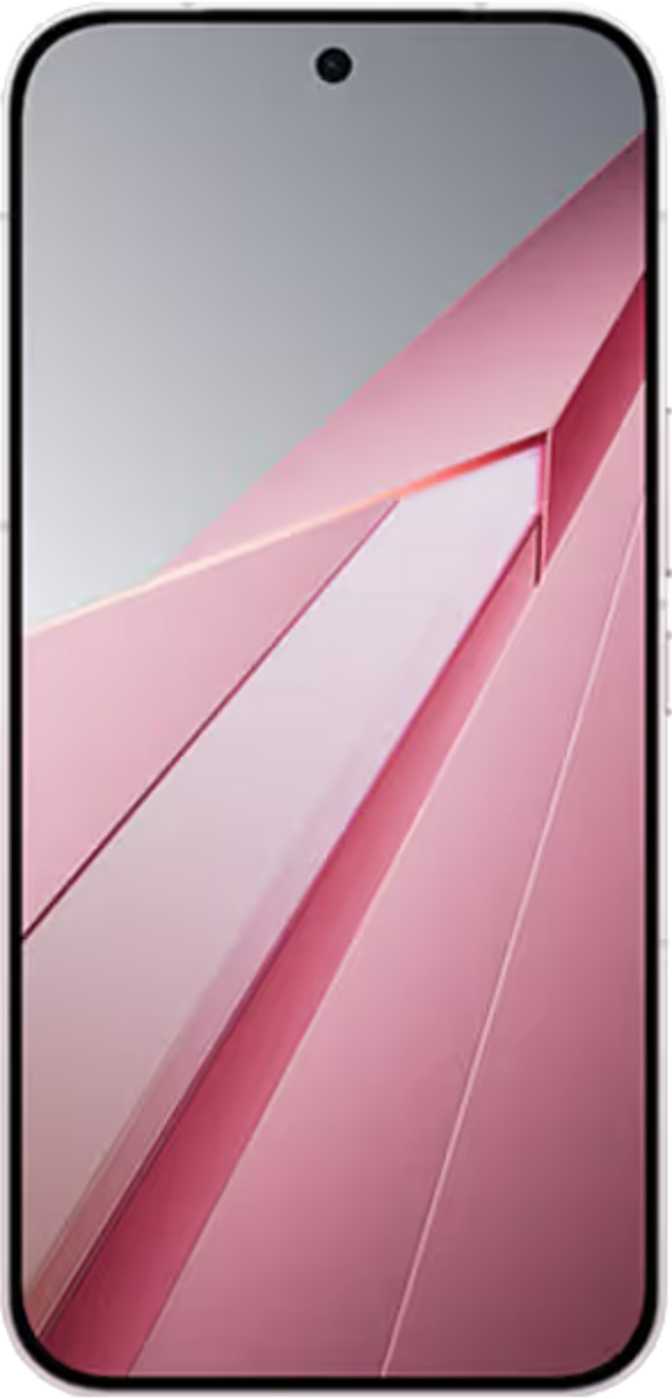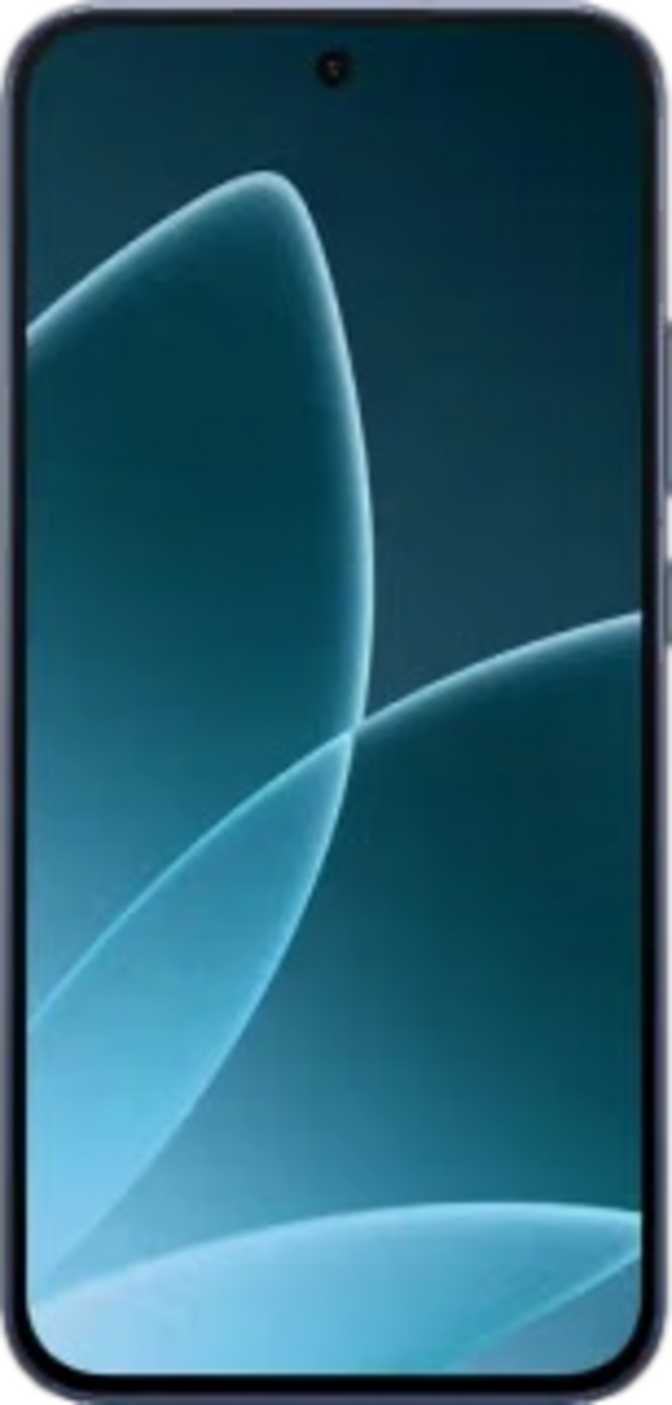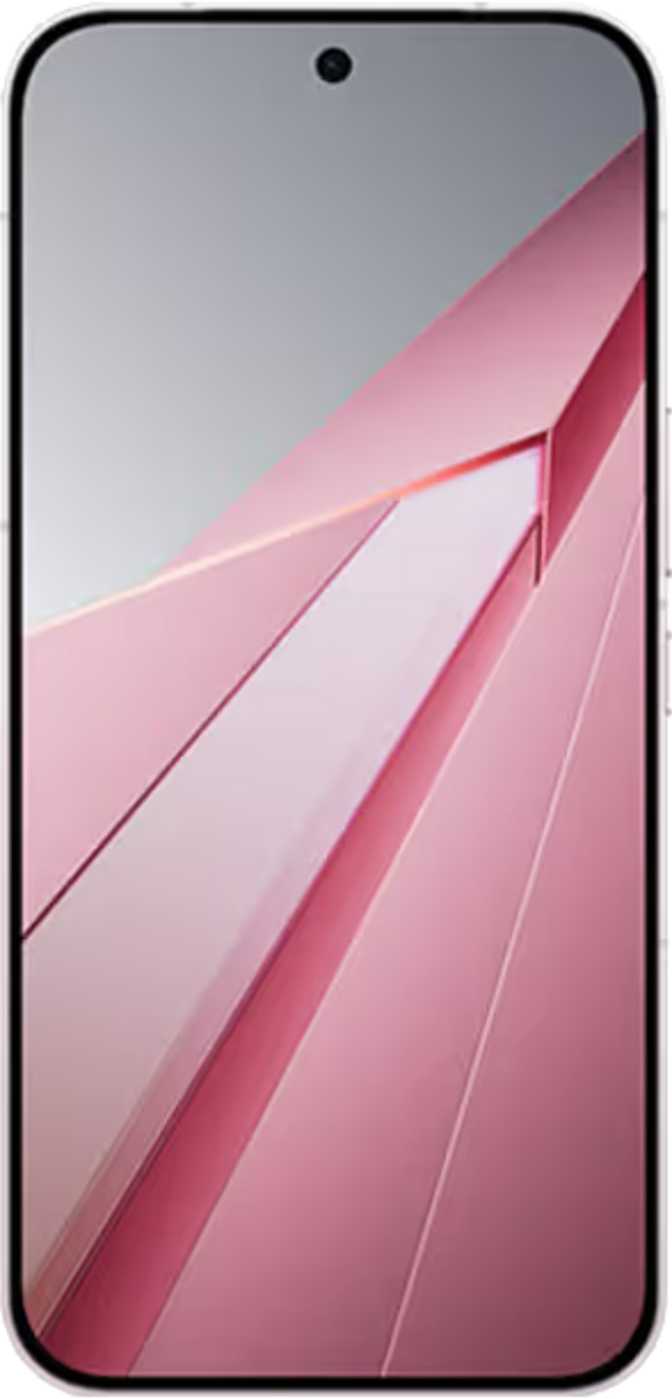
Oppo K15 Pro Full Review: Endurance and Durability Done Differently
SmartphonesFirst Look: What Kind of Phone Is the Oppo K15 Pro?
The mid-range smartphone segment is brutally competitive, and most phones in it make obvious compromises to hit a price point. The Oppo K15 Pro takes a different approach — it stacks specifications that traditionally belong to flagship devices and packages them in a body that is neither the thinnest nor the lightest, but clearly built with priorities in mind.
A 7,500mAh battery. A 144Hz OLED screen. IP69-rated water resistance. An AnTuTu score pushing past the 2.2 million mark. On paper, this phone punches well above its expected weight class. Whether that translates to a genuinely compelling everyday device is what this review unpacks.
- ChipsetDimensity 8500
- RAM / Storage12GB / 512GB
- Display6.59″ OLED 144Hz
- Rear Cameras50MP + 8MP
- Battery7,500mAh / 80W
- OSAndroid 16
- IP RatingIP69
- Weight203g
Design and Build Quality
The Physical Experience
At 203 grams and 8.3mm thin, the Oppo K15 Pro sits in interesting territory. It is not the featherweight that lifestyle-focused buyers prefer, but it is far from unwieldy. The weight is largely explained by what is inside — more on the battery later — and in hand, it distributes evenly enough that extended sessions do not cause the fatigue associated with top-heavy designs.
The 75.1mm width keeps one-handed use just barely viable for most adults, though users with smaller hands will reach across the screen with effort. At 158.3mm tall, it is a full-sized modern phone — not compact, but not unusually large either.
The display uses damage-resistant glass — a branded solution that adds meaningful scratch and drop protection to the screen surface. The build is not reinforced in the traditional rugged-chassis sense, so the IP69 rating is the primary durability story here rather than drop protection. There is no curved display, which has clear advantages: flat screens are easier to use near edges, more compatible with cases, and less prone to accidental touches.
IP69: What It Actually Means
The most headline-worthy physical characteristic is the IP69 certification. This is not the standard IP67 or IP68 rating found on many flagship phones.
High-pressure water jets
Tested against the kind of powerful streams used in industrial cleaning environments — far beyond typical rain or splashing.
1.5m submersion depth
Brief immersion is handled confidently. Rain, splashes, poolside accidents, and washing the phone under a tap are no longer concerns.
Rare at this price tier
For outdoor workers, kitchen users, and physically active people, this level of protection carries more practical value than almost any camera spec.
Display: Where Daily Life Actually Happens
A Panel That Earns Its Place
The 6.59-inch OLED display is the face of this phone, and it is a strong one. OLED technology means each pixel generates its own light — blacks are absolute, colors are vivid without artificial boosting, and contrast ratios that IPS LCD panels cannot physically achieve come standard. For anyone coming from an LCD smartphone, the difference is immediately visible.
The pixel density sits at 460 pixels per inch. At normal viewing distances, individual pixels are invisible to the naked eye. Text is sharp, fine details in photos and videos render with clarity, and there is no graininess even when holding the phone close. This density surpasses most flagship-tier panels, which typically settle in the 400–450 ppi range.
The 144Hz Advantage
The refresh rate of 144Hz is where this display separates itself from the majority of mid-range competition, which typically offers 90Hz or 120Hz. A higher refresh rate means the screen redraws more frequently per second, making scrolling through social feeds, swiping between apps, and navigating menus look noticeably smoother. Casual users notice this as a general sense of fluidity without always being able to name it. Mobile gamers will feel it directly in games that support higher frame rates.
The Always-On Display feature means the time and notification indicators remain visible without fully waking the screen, drawing minimal power thanks to OLED's pixel-level light control.
HDR10+ and Content Quality
Support for both HDR10 and HDR10+ means the display can reproduce the expanded color and contrast information embedded in streaming content on platforms that support it. Scenes with bright skies, candlelight, or deep shadows appear closer to how a cinematographer intended. The typical brightness is rated at 600 nits — adequate for indoor use and moderately bright outdoor conditions.
Dolby Vision is not supported, which matters only if you are specifically invested in Apple TV+ or other Dolby Vision content — the visual gap between HDR10+ and Dolby Vision is minor for most content at this screen size.
| Panel Type | OLED / AMOLED |
| Screen Size | 6.59 inches |
| Resolution | 1256 x 2760 px |
| Pixel Density | 460 ppi |
| Refresh Rate | 144Hz |
| Brightness | 600 nits (typical) |
| HDR Support | HDR10 + HDR10+ |
| Always-On Display | Yes |
| Damage-Resistant Glass | Yes |
| Dolby Vision | No |
| Curved Display | No (flat) |
Performance: What the Dimensity 8500 Actually Delivers
The Chipset in Context
The MediaTek Dimensity 8500 powering the Oppo K15 Pro is built on a 4-nanometer manufacturing process — the same fabrication node used for top-tier flagship chips. Smaller process nodes allow more transistors in less space while consuming less power and generating less heat. In practice, this means the phone can sustain performance under load without thermal throttling becoming a significant concern during longer gaming sessions or multitasking.
The processor configuration pairs one high-performance core at 3.4GHz with three additional performance cores at 3.2GHz, while four efficiency-focused cores handle lighter tasks at 2.2GHz. This architecture means the phone balances raw speed when you need it against battery conservation when you do not — automatically.
Memory and Storage
The 12GB of fast RAM running at 4,800MHz provides the headroom needed to keep many apps alive in the background simultaneously. Context-switching between a video call, a navigation app, and a browser with multiple tabs open remains smooth without memory management killing apps aggressively.
The 512GB of internal storage is generous by any standard. Even users who shoot a lot of 4K video, keep large game libraries, and never offload to cloud will find this capacity sufficient for years. There is no expandable storage slot, so what you have at purchase is what you keep — but at 512GB, that is unlikely to feel restrictive.
AnTuTu Score: ~2,290,000
Upper mid-range to near-flagship performance tier
Illustrative tier comparison based on benchmark ranges. Not derived from direct head-to-head testing.
| Chipset | MediaTek Dimensity 8500 |
| Process Node | 4nm |
| CPU Config | 1×3.4 + 3×3.2 + 4×2.2 GHz |
| GPU | Mali G720 MP8 @ 1300MHz |
| RAM | 12GB LPDDR5 @ 4800MHz |
| Storage | 512GB (no expansion) |
| Memory Bandwidth | 76.8 GB/s |
| L3 Cache | 6MB |
| DirectX | DirectX 12 |
Camera System: Capable, With Clear Priorities
Main Camera Setup
The Oppo K15 Pro uses a dual-camera system on the rear. The primary shooter is a 50-megapixel sensor with an f/2.2 aperture, paired with an 8-megapixel wide-angle lens at f/1.8. The wide lens actually lets in more light than the main lens — useful for landscape shots, architecture, and group photos where you need to fit more into the frame.
Optical Image Stabilization on the main camera uses physical hardware to counteract hand movement during capture, producing sharper photos in low light and smoother video without purely relying on digital correction. At this price point, OIS is not universal, and its presence benefits both still photography and video meaningfully.
The focal length range — from 15mm equivalent at the wide end to 24mm equivalent at the main lens — covers the most-used photography range for everyday shooting: environmental portraits, food, architecture, and travel. There is no optical zoom capability, however. Digital zoom is available but will soften images beyond moderate magnification, so users who frequently photograph subjects at a distance will notice this limitation.
Video Capabilities
4K video recording at 60 frames per second represents the current practical ceiling for smartphone video. 4K resolution captures enough detail for large-screen viewing and post-production cropping, while 60fps produces smoother motion compared to the standard 30fps, particularly in action scenes or when panning. Continuous autofocus during recording keeps moving subjects tracked without manual adjustment.
Slow-motion recording and timelapse are both supported. Manual controls — including ISO, exposure, white balance, and focus — give experienced photographers the tools to override automatic decisions. The absence of RAW file output means post-processing options are limited to in-camera JPEG, which will matter to photographers who edit extensively in software like Lightroom.
Front Camera
The 16-megapixel front camera with an f/2.4 aperture handles selfies and video calls. It is a single-lens setup with no front-facing flash, so low-light selfie performance depends entirely on screen brightness or ambient light.
| Aspect | Detail |
|---|---|
| Main Sensor | 50MP, f/2.2, OIS |
| Secondary Lens | 8MP wide, f/1.8 |
| Front Camera | 16MP, f/2.4 |
| Max Video | 4K @ 60fps |
| Optical Zoom | None |
| RAW Support | No |
| OIS | Yes |
| Slow Motion | Yes |
| Timelapse | Yes |
| PDAF | Yes |
| HDR Mode | Yes |
Battery and Charging: The Standout Specification
An Exceptional Capacity
The 7,500mAh battery is the Oppo K15 Pro's most unusual feature at this form factor.
Most smartphones considered large-battery devices offer 5,000–6,000mAh. A 7,500mAh cell represents roughly 50% more energy storage than the current midrange standard.
What does this mean in daily life? For moderate users — several hours of social media, messaging, occasional video, and navigation — two full days between charges is a realistic expectation. Even power users who spend extended time on gaming, video streaming, or video calls should comfortably reach the end of a full day with battery to spare.
Charging: 80W Wired
The included 80W fast charger partially offsets the large battery's recharge time. At 80W, a fully depleted 7,500mAh cell can reach a meaningful charge in under an hour under optimal conditions — competitive with many flagship fast chargers.
Battery size vs. category norms
Software: Android 16 and What It Brings
Running Android 16 places the Oppo K15 Pro on the most current version of the operating system available, which carries implications for both features and security. The software includes a thoughtfully practical set of capabilities that enhance the daily experience.
Privacy Controls
Clipboard activity warnings, granular camera and microphone access management, app tracking blockers, and location privacy options are all present.
Split-Screen Multitasking
Two apps run simultaneously on screen — useful for referencing a document while writing, or watching a video while messaging.
Picture-in-Picture
Video continues playing in a floating window while you navigate other apps — no need to pause or lose your place.
Full-Page Screenshots
Capture entire scrollable content rather than just the visible screen area — indispensable for saving long articles, receipts, or conversations.
Battery Health Monitor
Track cell degradation over time — particularly relevant given the large battery that users will depend on heavily for extended daily use.
Extra Dim Mode
Reduces brightness beyond the standard minimum — useful for late-night reading without disturbing others or straining your eyes.
Connectivity: Where It Leads and Where It Falls Short
Strengths
- 5G support
Access to faster mobile data on compatible networks — future-proofed for carrier rollouts.
- Wi-Fi 6 (802.11ax)
Faster wireless speeds and better performance in crowded environments — offices, airports, and apartment buildings with many competing networks.
- Bluetooth 5.4 with aptX HD
Current-standard wireless connectivity. AptX HD means compatible wireless headphones receive higher-quality audio than standard Bluetooth codec allows.
- NFC
Contactless payments through Google Pay and compatible banking apps work out of the box.
- GPS + Galileo
Multi-satellite positioning provides accurate navigation across different global regions.
Limitations
- USB 2.0 data speed
Charging and data transfer use USB-C, but at USB 2.0 speeds. Transferring a large 4K video library to a computer takes considerably longer than it would with USB 3.2. For a 512GB phone, this is a notable inconvenience.
- No 3.5mm headphone jack
Wired listening requires a USB-C to 3.5mm adapter or Bluetooth headphones. Existing wired headphone owners should budget for an adapter.
- No infrared blaster
Cannot function as a universal remote for TVs and appliances — a feature several competitor brands include.
- No FM radio
Eliminates broadcast radio for users in markets where this still carries practical value.
Who Should Buy the Oppo K15 Pro?
This Phone Is For
- Heavy users who dread battery anxiety.
The 7,500mAh cell is the defining argument. If you have ever finished a long day with your phone dead before you got home, this battery changes that calculation fundamentally. - Outdoor and physically active users.
IP69 protection provides genuine peace of mind in situations where most phones would be at risk — construction sites, kitchens, beach days, rain. - Multimedia enthusiasts.
A 144Hz OLED with HDR10+ support, paired with stereo speakers, provides a strong video and gaming experience relative to what competitors at this tier typically offer. - Performance-conscious buyers on a budget.
The Dimensity 8500's benchmark performance competes with hardware found in significantly more expensive devices.
This Phone Is NOT For
- Buyers who want wireless charging.
There is no Qi support. Full stop. If you have invested in wireless charging infrastructure at home or at work, this phone does not fit that setup. - Photography enthusiasts who need optical zoom.
Without a telephoto lens, distance shots are digitally zoomed and quality degrades accordingly. Sports, wildlife, and distant subjects are not this camera's territory. - Buyers who need lightweight portability.
At 203 grams, the K15 Pro is not uncomfortable, but it makes its presence known in a pocket throughout the day. - Users who frequently transfer large files by cable.
The USB 2.0 data rate will frustrate anyone managing large libraries of 4K footage via direct computer connection.
How It Compares to Logical Alternatives
The K15 Pro's battery and IP rating combination is genuinely unusual at its target price. Here is how it stacks up against typical competition.
| Feature | Oppo K15 Pro | Typical Mid-Range | Upper Mid-Range Alt. |
|---|---|---|---|
| Battery | 7,500mAh | 5,000–5,500mAh | 5,000–6,000mAh |
| IP Rating | IP69 | IP53 or IP54 | IP67–IP68 |
| Display Refresh | 144Hz OLED | 90–120Hz OLED/LCD | 120Hz OLED |
| Storage | 512GB | 128–256GB | 256GB standard |
| Wireless Charging | No | Varies | Often included |
| USB Speed | USB 2.0 | USB 2.0 (common) | USB 3.2 at higher tiers |
| Optical Zoom | None | Varies | Often 2–3x telephoto |
Honest Assessment: Strengths and Weaknesses
Where the K15 Pro Wins
The Oppo K15 Pro makes a coherent argument. Its combination of a 7,500mAh battery and IP69 water resistance addresses two real anxieties simultaneously — the phone dying at the worst moment and the phone being damaged by everyday moisture exposure. These are not niche concerns; they are among the most common complaints about smartphones in general, and the K15 Pro addresses both more decisively than most of its competition.
The OLED display with 144Hz and HDR10+ support means the daily visual experience is genuinely premium. This is not a display that requires apology or qualification. The performance hardware is equally unambiguous — the Dimensity 8500 at 4nm delivers speed that most users will never fully tax, and the 512GB storage eliminates the need to manage space for years.
Where It Asks for Compromise
The absence of wireless charging is a real missing feature that competitors have normalized, and its omission will frustrate users who have built charging habits around Qi pads. The USB 2.0 data interface is a quiet but meaningful limitation for anyone managing large amounts of media by cable.
The camera system is capable and well-stabilized but stops well short of versatile — no telephoto means no optical reach, and no RAW capture limits post-processing flexibility. The weight is a genuine consideration that stems from the large battery rather than design carelessness, but it is real and daily.
Common Buyer Questions Answered
Final Recommendation
The Oppo K15 Pro makes the most sense as a phone for users whose primary frustrations with previous devices have been battery life and durability. If you have ever chosen a phone and wished it simply lasted longer and survived more, the K15 Pro addresses both of those needs more completely than most of its competition.
The performance hardware ensures the phone will remain capable for years rather than becoming sluggish after one or two software update cycles. The display is excellent for daily media consumption. The 512GB storage eliminates the need to manage space.
The right buyer accepts that wireless charging is off the table and that the camera, while genuinely competent for everyday use, is not optimized for reach or post-production flexibility.
Buy If You:
- Prioritize endurance over all-day anxiety
- Work or play in wet, outdoor, or demanding environments
- Want near-flagship speed without flagship pricing
- Value a premium OLED display and stereo sound
Skip If You:
- Rely on wireless charging pads at home or work
- Regularly photograph distant subjects or need telephoto reach
- Prefer the lightest phone possible
- Transfer large file batches to a computer frequently