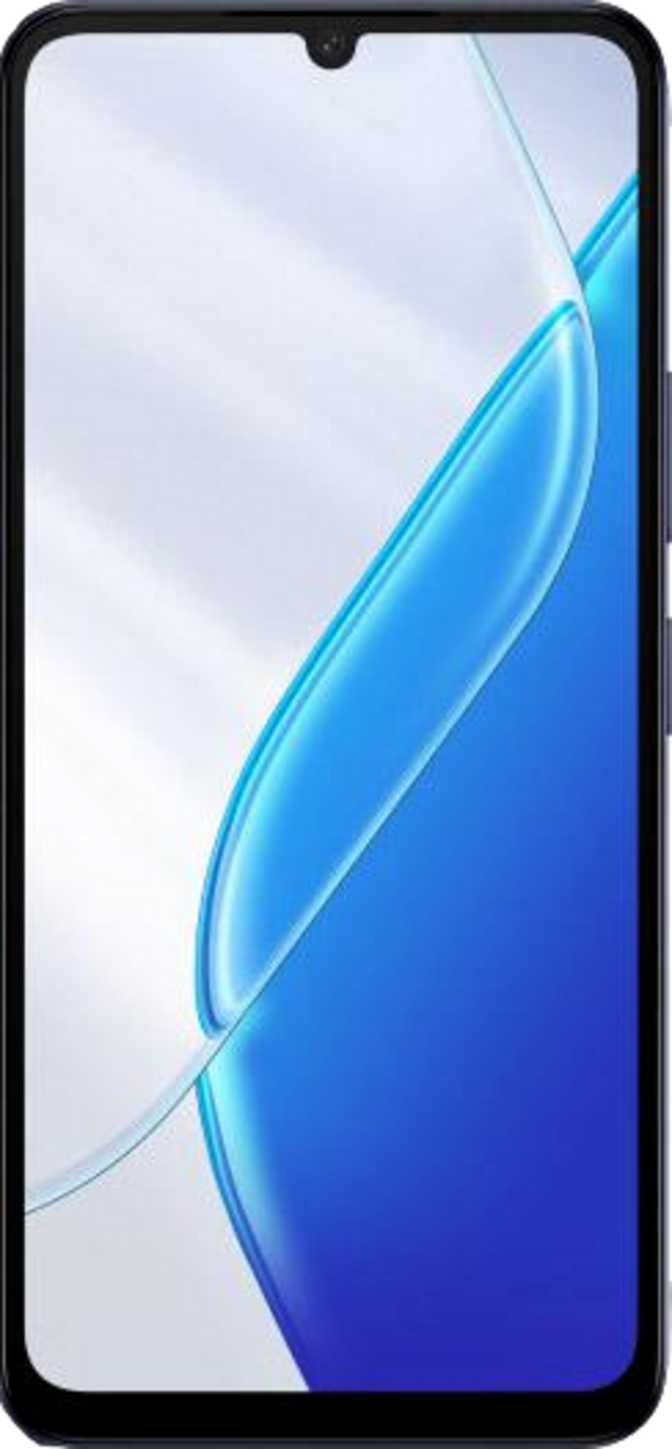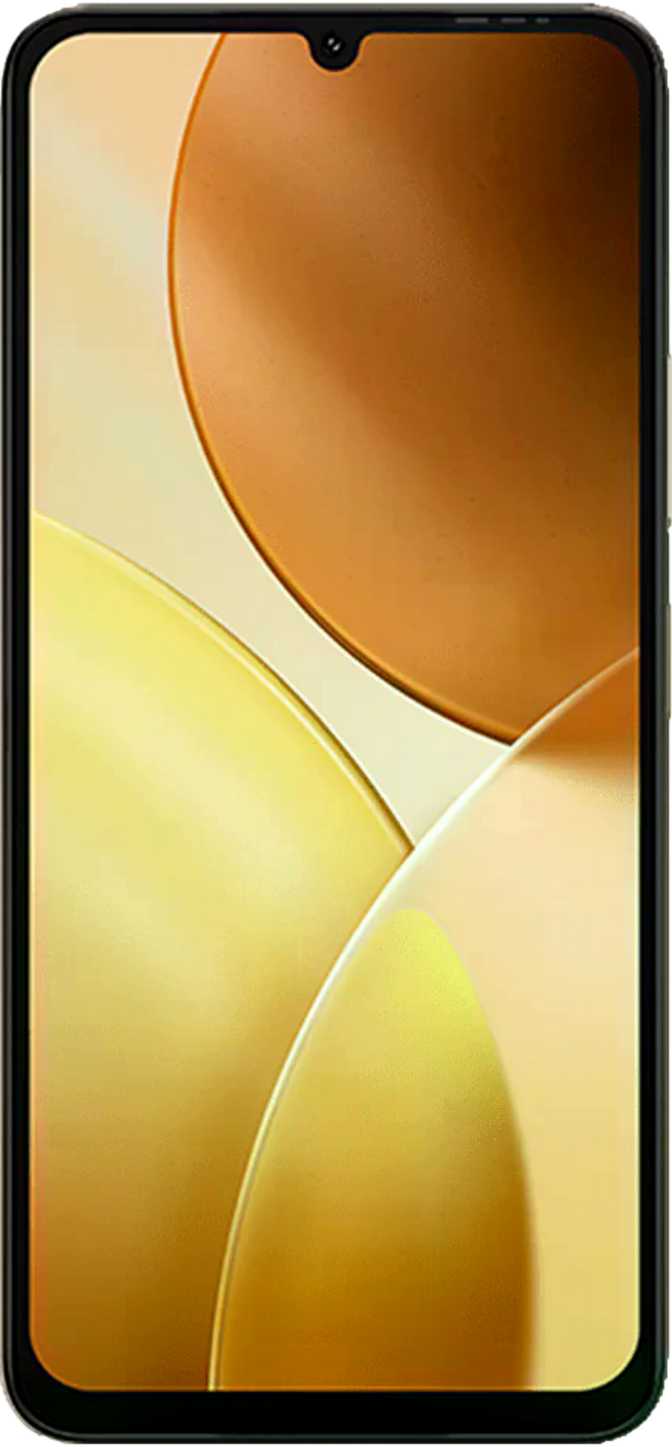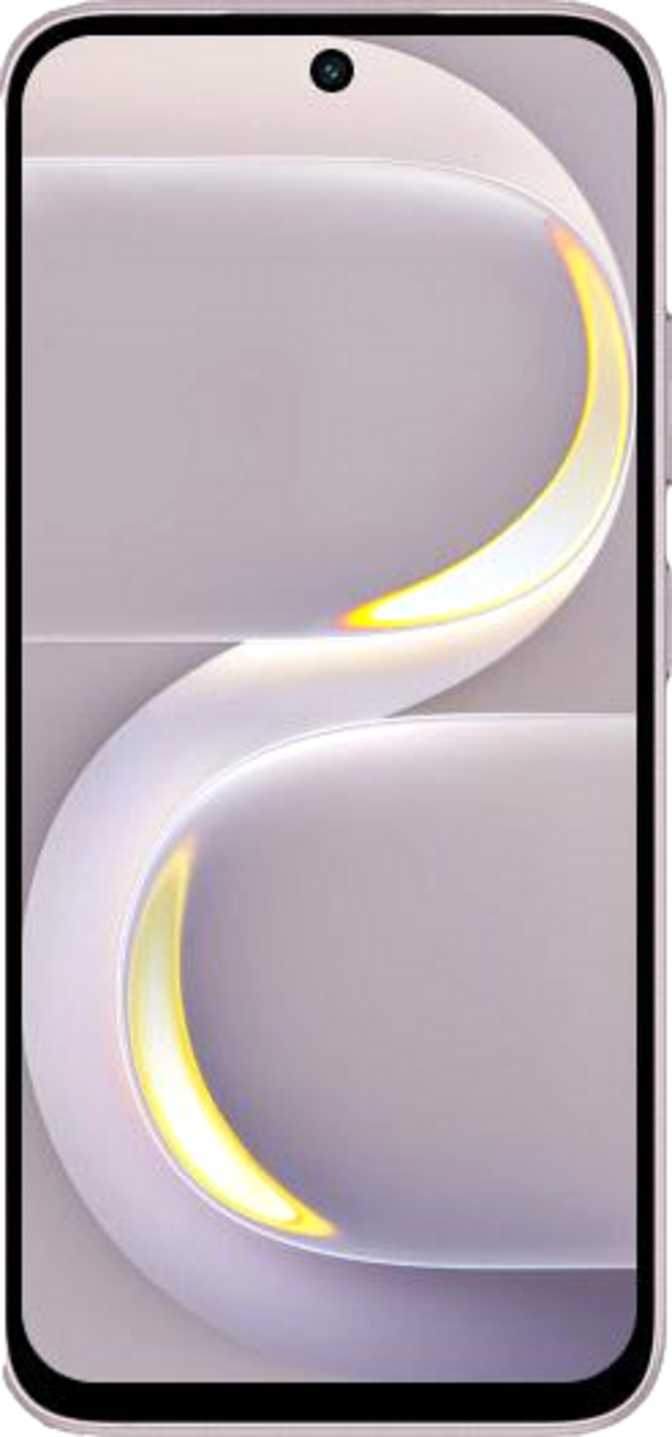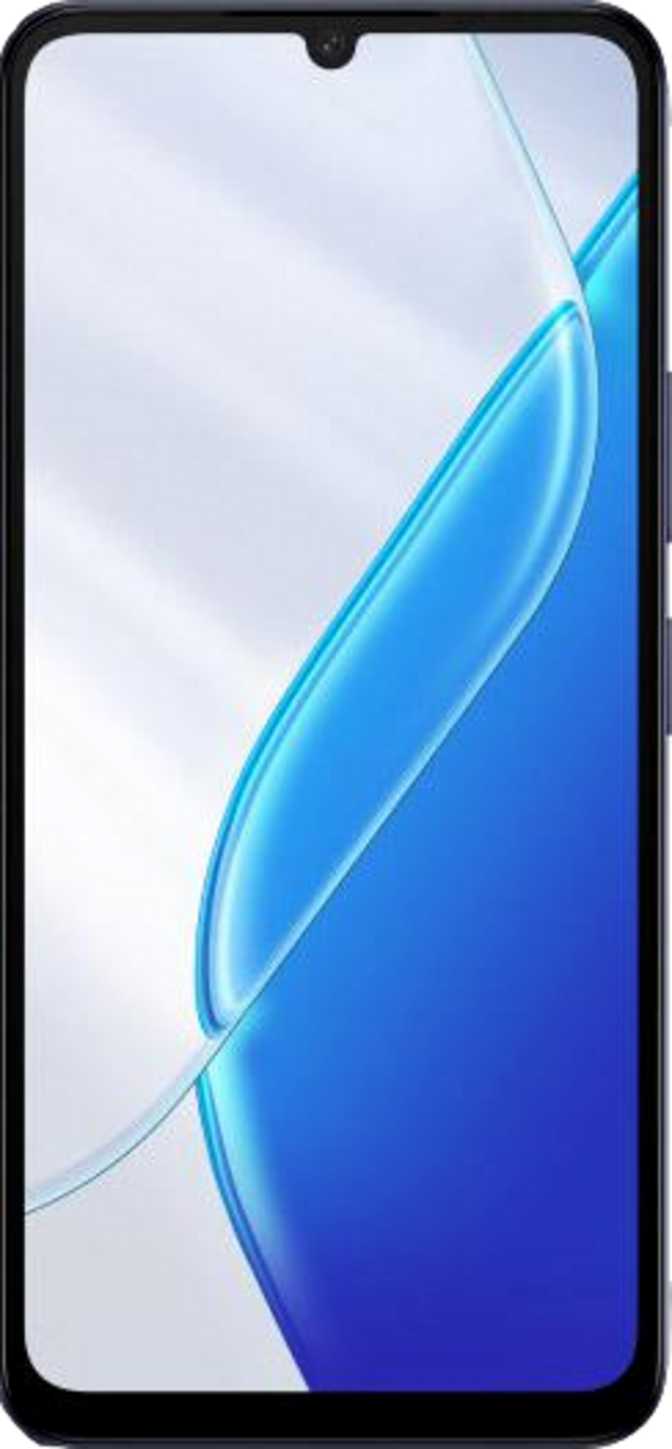
Itel A200 Full Review: A Budget Phone That Punches Above Its Weight
SmartphonesAt a Glance
Editorial ratings based on real-world specification analysis and performance implications
Display8.0
Performance6.0
Camera6.0
Battery8.5
Build Quality7.5
Value for Money8.0
Build Quality and Physical Design
How the A200 feels in your hand — and how it holds up in real life
A Surprisingly Slim Profile
At 8.3 mm thick, the Itel A200 sits comfortably in the range of mid-range phones that cost considerably more. Many budget phones creep past 9 mm because packing in a large battery usually means accepting a thicker chassis. The A200 avoids that compromise, making it a phone you can slip into a jeans pocket without it printing through the fabric.
The build is not ruggedized — no reinforced corners, rubberized bumpers, or MIL-spec drop claims here. But what it does carry is something far more practical for everyday life: genuine water and dust resistance that most phones at this price simply skip.
IP67 + IP64 Dual Rating
IP67 means the A200 can survive submersion in up to one meter of fresh water for 30 minutes. IP64 covers solid particle and dust intrusion. Splashes, rain, and accidental sink drops are handled without drama — at this price tier, that level of protection is genuinely unusual and practically valuable day after day.
Design Specifications
- Thickness
- 8.3 mm
- Water Resistance
- IP67 / IP64
- Rugged Build
- No
- Damage-Resistant Glass
- No
- Foldable
- No
- Form Factor
- Standard slab
Display: Big Screen, Smart Compromise
6.75 inches of IPS LCD — with one specification that genuinely stands out at this price
Display Specifications
- Screen Size
- 6.75 inches
- Panel Technology
- IPS LCD
- Resolution
- 720 x 1600 px
- Pixel Density
- 260 ppi
- Refresh Rate
- 120 Hz
- HDR10 Support
- No
- Always-On Display
- No
- Touchscreen
- Yes
6.75 Inches of Real Estate
One of the larger screens in its class, the A200's IPS LCD panel delivers accurate colors and wide viewing angles. IPS technology means content doesn't shift color or wash out when you tilt the screen — a practical advantage over cheaper TN panels used on some rivals. At 260 pixels per inch, text and icons look clean and readable at arm's length. Very fine image detail in photos may appear slightly softer than on a 1080p display, but for social media scrolling, video streaming, and daily use, the sharpness is entirely adequate.
120Hz: The Real Standout
A 120Hz refresh rate — double the 60Hz standard at this price point — makes scrolling, swiping between apps, and general navigation feel noticeably smoother and more fluid. This single feature makes the A200 feel faster than its processor benchmarks would suggest. Once experienced, returning to a 60Hz screen feels sluggish by comparison.
The display does not support HDR10 or Dolby Vision, so streaming platforms won't push high-dynamic-range content to this screen. For most video streaming at this price level, that is not a material loss — the IPS panel handles standard dynamic range content consistently well.
Performance: What the Unisoc T7250 Actually Delivers
An entry-level processor explained in real-world terms — not benchmark numbers alone
Understanding the Processor
The Unisoc T7250 is an eight-core processor built on a 12-nanometer manufacturing process. It uses ARM's big.LITTLE architecture, pairing two higher-performance cores running at 1.8 GHz with six efficiency cores at 1.6 GHz. Demanding tasks hand off to the faster cores while routine background work runs on the efficient ones, which helps extend battery life throughout the day.
Standardized benchmark testing places single-core performance around 437 and multi-core around 1,461 on Geekbench 6. These numbers position the T7250 firmly in the entry-level tier — a mid-range chip from a flagship brand typically scores two to three times higher in single-core tasks. In everyday use: messaging, calls, social media, music, maps, and light productivity all run without hesitation. The ceiling becomes apparent with graphically intensive games, video editing apps, or demanding multitasking.
RAM and Storage
The 4 GB of RAM handles everyday multitasking competently under Android 15. The OS supports extending available memory using internal storage as virtual RAM — reaching up to 12 GB effective total — which helps keep more apps in the background before they need to reload.
The 128 GB of internal storage is a genuine strength at this price. Most users won't fill it for years of normal use. A microSD card slot provides additional expansion without any trade-off. Storage uses the eMMC 5.1 standard — reliable and adequately fast for everyday tasks, though slower than the UFS technology found in pricier phones.
Geekbench 6 Benchmarks
Unisoc T7250 — relative position within the budget-to-mid-range segment
Single-Core437
Multi-Core1,461
Bar widths indicate relative performance context within the entry-to-mid segment
Performance Specifications
- Chipset
- Unisoc T7250
- Architecture
- 8-core, big.LITTLE
- Process Node
- 12 nm
- RAM
- 4 GB LPDDR4
- Internal Storage
- 128 GB eMMC 5.1
- Max Effective RAM
- 12 GB (virtual ext.)
- GPU
- Mali G57 @ 850 MHz
Camera System: Capable, Within Its Boundaries
A 13MP main camera with phase-detection autofocus — better equipped than the megapixel count alone suggests
Main Camera
- Resolution
- 13 Megapixels
- Sensor Type
- CMOS
- Autofocus
- Phase-Detection (PDAF)
- Video Recording
- 1080p @ 30fps
- OIS
- No
- Optical Zoom
- None (fixed lens)
- RAW Output
- No
Manual Controls Available
Front Camera
- Resolution
- 5 Megapixels
- Flash
- No front flash
- Multi-Lens Front
- Single lens
- Under-Display
- No
What Phase-Detection Autofocus Means in Practice
PDAF works by comparing two split images to calculate subject distance instantly — unlike the older contrast-detection method that hunts back and forth to find sharpness. The result is faster, more reliable focus lock on people, pets, and moving subjects. At this price tier, having PDAF on the main camera is a meaningful real-world advantage over budget rivals that rely on slower autofocus systems.
Battery and Charging: Built for the Long Day
A generous power reserve that covers most users comfortably from morning to night — and then some
5,000
mAh capacity
Average user consumes:
3,000–3,500 mAh over a full day
That margin means most users end the day with reserve capacity. Light-to-moderate users may comfortably stretch to two full days between charges.
Estimated Battery Life by Use Pattern
- Light use (calls, messaging)2 days+
- Moderate (social, browsing)~1.5 days
- Heavy (video streaming)Full day
- Intensive gaming8–10 hours
Estimates based on typical usage patterns for a 5,000mAh battery at this processor efficiency tier
Charging Details
- Wired Charging
- 15W
- Full Charge Time
- ~90–120 min
- Wireless Charging
- No
- Reverse Wireless
- No
- Removable Battery
- No
Audio: A Pleasant Surprise
Stereo speakers and a headphone jack — two features budget phones frequently sacrifice
What You Get
-
Stereo Speakers
Left-right audio separation makes a real difference for video watching and music. Most phones at this price have a single bottom-firing speaker that sounds unbalanced when held horizontally.
-
3.5mm Headphone Jack
Retained and fully functional. Use any wired headphones you already own — no dongle, no adapter, no extra purchase required.
Audio Codec Support
- aptX
- aptX HD
- LDAC
- aptX Adaptive
- aptX Lossless
Software: Android 15 With Practical Features
Current Android out of the box — with meaningful privacy controls and everyday convenience features
Running Android 15 places the Itel A200 at the current version of Google's mobile operating system. Newer Android builds include improved privacy controls, better memory management, and security patches covering more recently discovered vulnerabilities. Starting at the current OS version also extends the effective software support window.
Privacy and Security Features
-
App Tracking Blocker — prevents apps from tracking activity across other apps on the device
-
Clipboard Warnings — alerts you when an app tries to read your clipboard content
-
Granular Camera and Microphone Access — control permission per-app
-
Location Privacy Options — share precise or approximate location per-app
Feature Checklist
- Picture-in-Picture
- Split-Screen Multitasking
- Scrolling Screenshots
- Dark Mode
- Dynamic Theming
- Offline Voice Recognition
- Multi-User Profiles
- Child Lock
- Battery Health Check
- Focus Modes
- Direct Google OS Updates
Connectivity: 4G LTE, Dual SIM, and Practical Essentials
Everything you need for daily connectivity — with a few notable gaps worth knowing
Network and SIM
- 5GNo
- 4G LTEYes
- Download Speed300 Mbps
- Upload Speed150 Mbps
- Dual SIMYes
- microSD SlotDedicated
Wireless and Ports
- Wi-FiYes
- NFCNo
- BluetoothYes
- USB PortType-C
- USB Speed2.0
- InfraredNo
Sensors and Navigation
- GPSYes
- GalileoYes
- AccelerometerYes
- GyroscopeNo
- CompassNo
- Satellite SOSNo
Galileo GPS in the Budget Tier
Support for the Galileo satellite network improves positioning accuracy in urban environments and areas with partial GPS coverage. Most budget phones at this price omit Galileo. It's a small but practical advantage for navigation reliability.
Who Should Buy the Itel A200 — and Who Should Not
Matching the right phone to the right person is the most honest recommendation a review can offer
This Phone Is Right For
-
First-time smartphone buyers who need a complete, functional daily device without a steep learning curve
-
Users in 4G-standard markets where 5G is not yet relevant infrastructure
-
Battery-first users who want all-day endurance without anxiety
-
Water-exposure environments — kitchen, beach, unpredictable weather, outdoor work
-
Families sharing a device or buying an affordable secondary phone
-
Wired headphone users who want the 3.5mm jack without a dongle compromise
-
Light-to-moderate daily users: social media, calls, messaging, music, maps, casual video
Look Elsewhere If You Need
-
Mobile gaming performance — high-frame-rate, graphically demanding titles will hit the processor ceiling
-
Photography depth — optical zoom, computational night mode, and RAW shooting are absent
-
5G connectivity in areas where 4G plans are being phased out
-
Contactless payments — NFC is absent; tap-to-pay systems will not work
-
Heavy multitasking across resource-intensive apps simultaneously
-
AR apps and motion games — the gyroscope is absent
-
Guaranteed multi-year updates — Itel's update cadence is slower than manufacturer programs with explicit commitments
How the Itel A200 Compares to Alternatives
How the A200 stacks up against typical 4G competitors in the same budget segment
| Feature | Itel A200 | Typical 4G Rival |
|---|---|---|
| Display Size | 6.75" | 6.5" – 6.7" |
| Refresh Rate | 120 Hz | 60Hz (most) / 90Hz (some) |
| Water Resistance | IP67 / IP64 | Splash-resistant or none |
| Internal Storage | 128 GB | 64GB – 128GB |
| Battery Capacity | 5,000 mAh | 4,000 – 5,000 mAh |
| Charging Speed | 15W | 10W – 18W |
| NFC | No | Varies (often no) |
| Android Version | Android 15 | Android 13 – 14 (often) |
| Stereo Speakers | Yes | Rarely at this tier |
| 3.5mm Jack | Yes | Varies |
| Gyroscope | No | Often no |
Marks where the A200 holds a notable advantage over typical segment alternatives
Honest Assessment: Strengths and Weaknesses
A clear-eyed look at what the A200 genuinely delivers — and where it asks for compromise
Where It Shines
The A200's strengths are front-loaded into the features that define the daily experience. The 120Hz display makes the phone feel faster and more modern than its processor benchmarks suggest — scrolling and navigation have a fluidity you simply don't expect at this price tier.
The IP67 water and dust resistance is a genuine safety net for everyday life. Most budget phones ask you to be careful near water; the A200 lets you stop thinking about it. That's a meaningful reduction in daily anxiety that's hard to put a number on.
Stereo speakers matter more than most spec sheets acknowledge. Side-by-side, the A200 fills a room with noticeably better spatial audio than a single-speaker budget phone — whether you're watching video, listening to music, or on a group call.
Shipping with Android 15 is a real advantage. You're starting from the current OS baseline rather than playing catch-up from an older version, and the privacy control suite included is more comprehensive than what older Android versions provided.
Where It Falls Short
The processor is entry-level, and users who push the phone will encounter that ceiling. Heavy gaming, intensive multitasking, and video processing all reveal the T7250's limits. This is not unusual at this price — it's a known trade-off — but it needs to be stated plainly.
The camera system is competent for everyday photography but lacks the computational depth of more expensive options. No optical image stabilization means handheld video shows shake in motion. No optical zoom means distant subjects captured digitally lose clarity. For casual social media photos, it's fine — for anyone who cares seriously about mobile photography, it's limiting.
The absence of NFC is a meaningful gap as contactless payments become increasingly standard. It's the kind of feature whose absence goes unnoticed until the moment you reach for your phone to pay and can't.
Software update longevity is an open question. Itel's update channel means slower delivery and an unclear support timeline — a legitimate concern for anyone planning to use this phone for three or more years.
Common Questions Before You Buy
The questions real buyers search for — answered directly
Final Verdict
Our clear, direct purchase recommendation for the Itel A200
A Budget Phone That Earns Its Credibility
The Itel A200 earns its place in the budget segment by making smart choices about where to spend and where to save. The 120Hz display, IP67 water resistance, stereo speakers, large battery, and Android 15 form a compelling package for a phone at this price. These features improve the daily experience in ways the target buyer will feel every time they pick up the phone.
The processor is entry-level and the camera is limited — neither of those is surprising, and neither disqualifies the phone for its intended audience. The A200's weaknesses are honest, expected trade-offs — not unusual failures. You're getting a well-rounded entry-level phone with standout features in the right places, delivered within real constraints.
Buy the Itel A200 if
You want a durable, good-looking everyday phone with a smooth 120Hz display, strong battery life, genuine water resistance, and stereo audio — and your budget is firmly at the entry level. It handles communication, media, and casual photography competently while offering features that genuinely exceed category expectations.
Look elsewhere if
Mobile payments, serious gaming performance, or camera quality are primary priorities — or if 5G availability in your area makes a 4G-only phone a practical deal-breaker for the length of time you plan to keep the device.