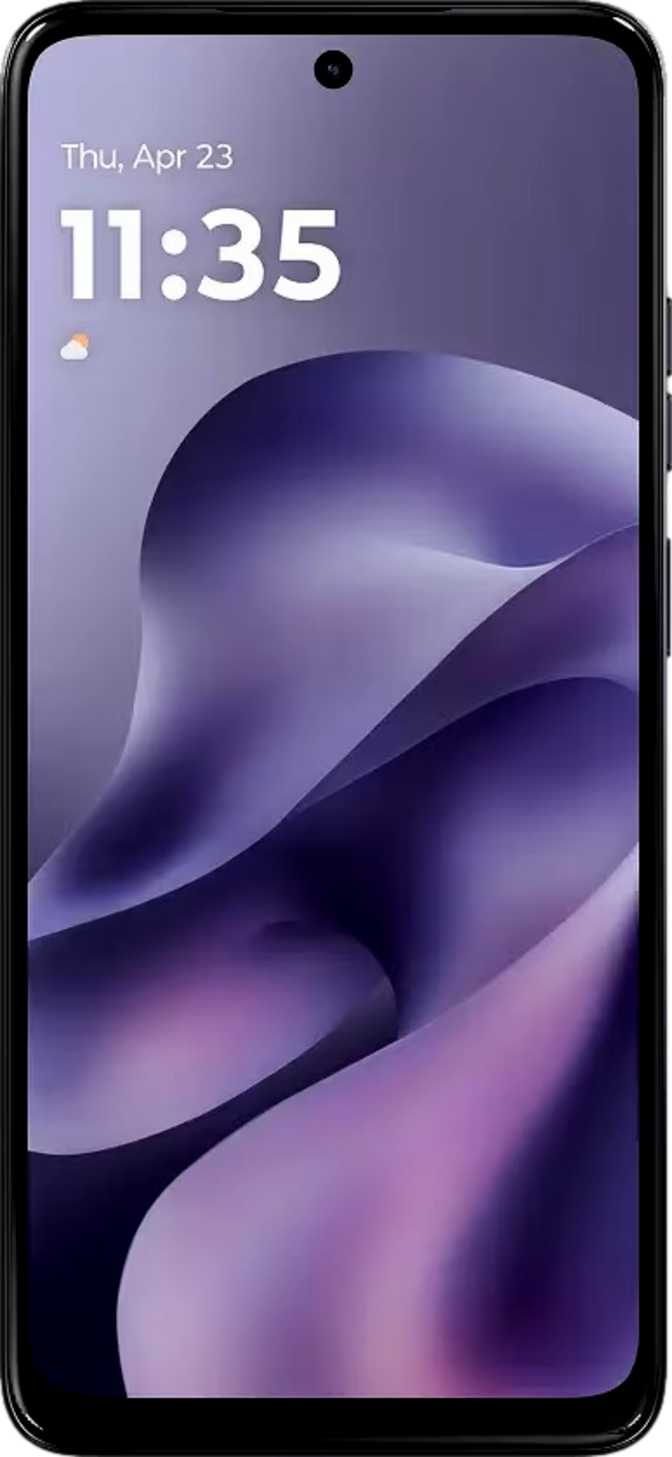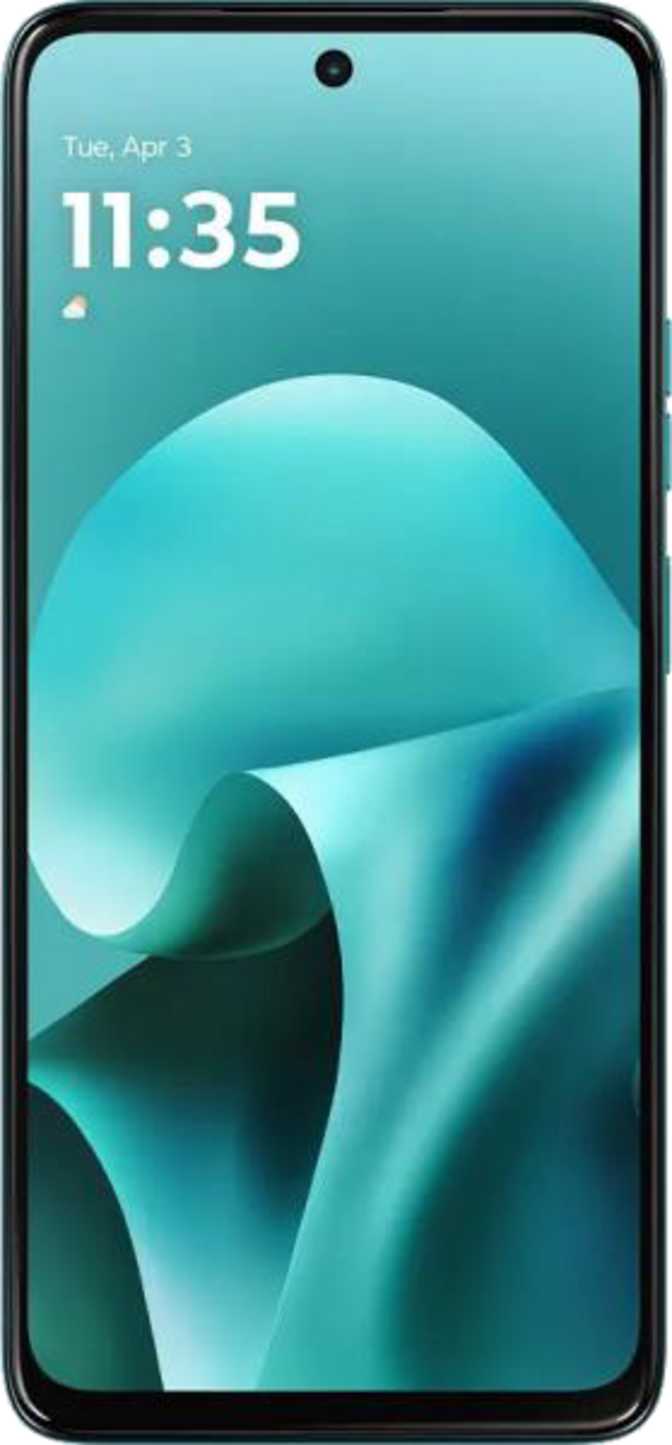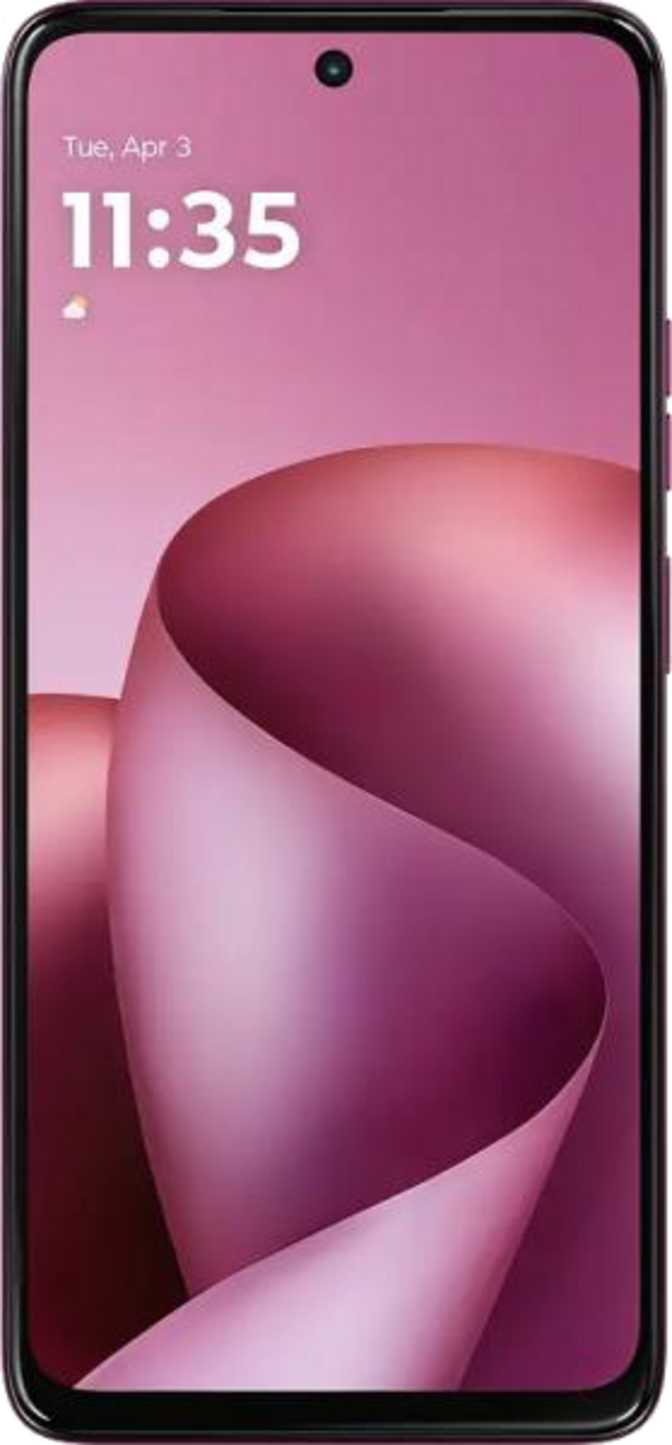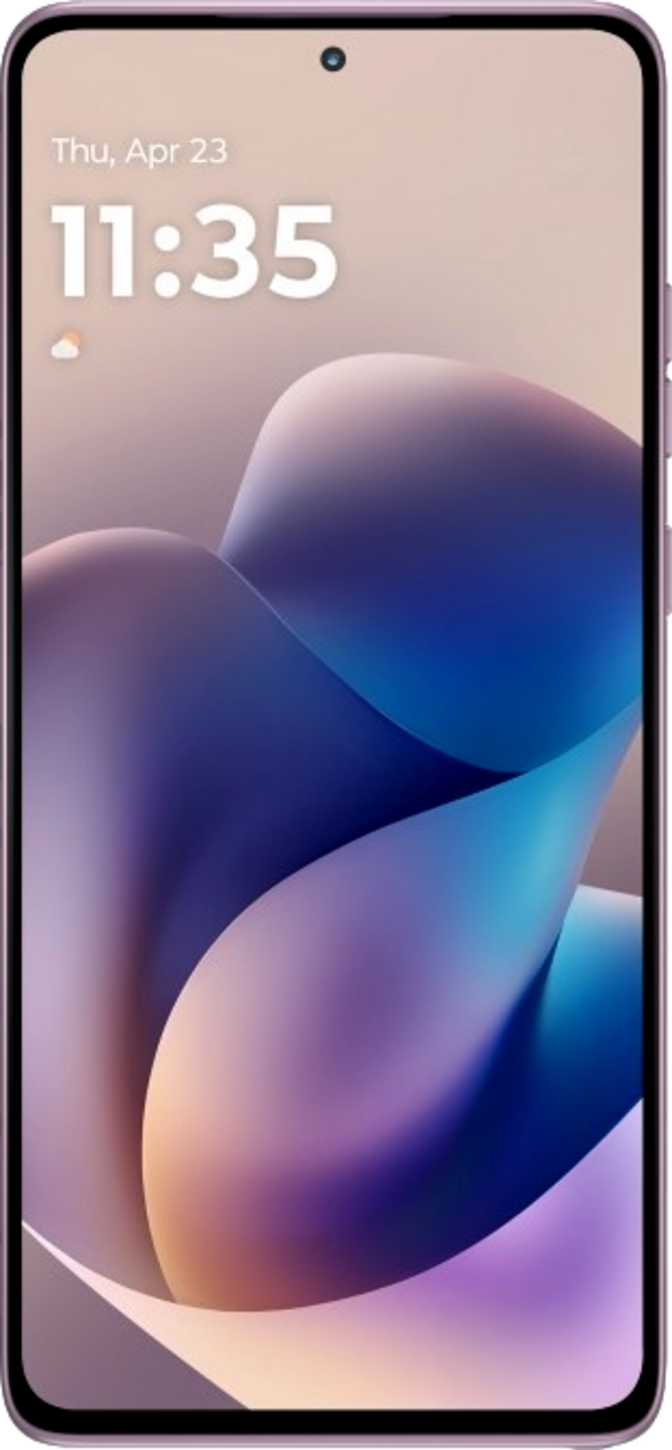
Motorola Moto G Stylus (2026) Review: Mid-Range Done Right
SmartphonesExpert Rating & Score
Overall Score
A rare mid-range package with premium-tier depth
Category Breakdown
Key Specifications at a Glance
IP69 Waterproof
Industrial-grade rating
6.7″ OLED 120Hz
444 ppi · HDR10+
Snapdragon 6 Gen 3
4nm · 8GB DDR5 RAM
68W Fast Charging
5200mAh · 15W wireless
Built-in Stylus
No charging required
5G + Wi-Fi 6E
Physical SIM + eSIM
50MP + RAW Capture
OIS · Phase-detect AF
Android 16
256GB expandable storage
Design, Build Quality & Durability
Physical Profile and Handling
At 192 grams and 8.3mm thin, the Moto G Stylus (2026) strikes a comfortable middle ground — present and purposeful in the hand without feeling excessive. The 74.8mm width keeps one-handed reach manageable, even paired with the generous 6.7-inch display. It won't slip into a shirt pocket easily, but it won't dwarf your palm either.
The flat-panel design is a deliberate choice that pays dividends daily. Flat screens accept screen protectors cleanly without edge-lifting issues, and they survive edge-on drops better than curved alternatives. Front glass protection comes via Gorilla Glass 3 — a generation behind current flagship standard, but meaningfully more durable than unbranded glass. Everyday scratches and minor drops are handled well; don't expect the same assurance from concrete impacts that newer Gorilla Glass versions provide.
IP69: Not Your Average Splash Rating
Most mid-range phones carry a modest splash-resistance certificate — just enough to survive an unexpected rain shower. The Moto G Stylus (2026) goes considerably further with an IP69 certification, an industrial-grade standard covering sustained exposure to high-pressure, high-temperature water jets at close range.
In everyday terms, you can rinse this phone under a running tap, take it poolside without anxiety, or hand it to a child who will do things to it you'd rather not think about. IP69 protection on a consumer mid-range device is genuinely rare and represents one of this phone's most compelling competitive advantages.
The Built-in Stylus
The stylus slots directly into the phone body — no accessories to purchase, charge, or misplace. It's a passive tool requiring no battery and no pairing, always ready when needed. It excels at note-taking, document annotation, rough sketching, and navigating small UI elements with precision. Artists seeking pressure sensitivity and tilt detection should look elsewhere. For the productive professional or organized student, it delivers without compromise.
| Height | 162.2 mm |
| Width | 74.8 mm |
| Thickness | 8.3 mm |
| Weight | 192 g |
| Water Resistance | IP69 Certified |
| Front Glass | Gorilla Glass 3 |
| Stylus | Built-in (passive) |
| Foldable | No |
IP69 is the highest-tier ingress protection rating applied to a consumer smartphone. It exceeds the IP68 standard found on most flagship phones, covering high-pressure spray at close range — not just submersion.
Display: OLED Quality at a Mid-Range Price
What This Screen Actually Looks Like
The 6.7-inch OLED panel is among the strongest arguments for buying this phone. OLED technology means each pixel generates its own light, producing absolute black levels, vivid and accurate colors, and contrast ratios that LCD panels at any price point simply cannot match. Dark mode on Android looks genuinely striking on this screen. HDR content watched in a dim room reveals depth that makes streaming feel purposeful rather than perfunctory.
The panel supports both HDR10 and HDR10+ — the latter enabling scene-by-scene brightness optimization for compatible streaming content. Dolby Vision is absent, which limits compatibility with Apple TV+ and certain Netflix streams locked to that format. For the vast majority of Android streaming libraries, however, HDR10-based content is the standard, so real-world impact is minimal.
Refresh Rate and Touch Response
The 120Hz refresh rate means the display redraws 120 times per second — motion that looks perceptibly smoother than the standard 60Hz panels found on older or budget devices. Scrolling through long pages, swiping between apps, and in-app transitions all benefit visibly. This is one of those features you notice most when you go back to a slower phone.
Touch input is processed at 240Hz — twice the visual refresh rate — so finger movements and stylus strokes register with minimal delay. For handwriting recognition and precise stylus control, this responsiveness matters more than most buyers initially anticipate.
Pixel Density and Sharpness
At 444 pixels per inch, individual pixels are invisible to the naked eye at any normal viewing distance. Text is crisp, photos render with fine detail, and the stylus can write at small sizes without legibility breaking down. This density exceeds what most flagship phones offered just a few years ago and remains well above the mid-range average today.
| Panel Type | OLED / AMOLED |
| Screen Size | 6.7 inches |
| Resolution | 1220 × 2712 px |
| Pixel Density | 444 ppi |
| Refresh Rate | 120 Hz |
| Touch Rate | 240 Hz |
| HDR Support | HDR10 & HDR10+ |
| Dolby Vision | Not supported |
| Protective Glass | Gorilla Glass 3 |
Display Tier Context
Most competing phones at this price point still ship LCD panels. This OLED display — with 120Hz refresh and HDR10+ — is the kind of screen typically found on phones priced significantly higher.
Performance: The Snapdragon 6 Gen 3 Explained
Processing Power in Plain Terms
The Qualcomm Snapdragon 6 Gen 3 chip is built on a 4-nanometer manufacturing process — the same scale used in many premium processors, not the older, less efficient designs found in budget devices. Smaller transistors mean this chip runs cooler, uses less power, and delivers more performance within the same heat envelope.
Eight cores are split into two groups: four faster cores that handle demanding tasks like gaming and video rendering, and four efficiency cores that manage lighter work like messaging and background app activity. This arrangement — called big.LITTLE — allows the phone to deliver peak output when needed without draining the battery during routine use.
A benchmark score in the 550,000 range on AnTuTu places this phone firmly in upper mid-range territory — comfortable for everyday multitasking, smooth video playback, most mobile games at medium-to-high settings, and all standard productivity tasks. The performance ceiling becomes noticeable only under sustained maximum-intensity workloads, which is outside normal daily use for most buyers.
Memory, Storage, and Expandability
The 8GB of DDR5 RAM runs at higher bandwidth than the DDR4 memory common in this tier, meaning apps stay resident in memory longer and reload times when multitasking are reduced. Combined with 256GB of internal storage — enough for thousands of photos, a full music library, and dozens of apps — most buyers will never feel squeezed. A microSD card slot adds further expansion without touching internal storage.
Graphics and Gaming
The integrated Adreno 710 GPU covers DirectX 12 and the full OpenGL ES 3.2 specification, meaning every title in the Google Play library runs without compatibility concerns. Casual and mid-tier games play without hesitation. More demanding titles run well at medium settings; sustained maximum-detail gameplay over extended sessions may introduce thermal throttling — expected behavior for this performance tier, not a defect.
| Chipset | Snapdragon 6 Gen 3 |
| Process Node | 4 nanometer |
| CPU Config | 4×2.4 + 4×1.8 GHz |
| GPU | Adreno 710 |
| RAM | 8GB DDR5 |
| Storage | 256GB (expandable) |
| Max RAM Support | Up to 12GB |
| AnTuTu Score | ~550,000 |
What This Chip Handles Well
- All standard productivity apps
- 4K HDR video streaming
- Mid-tier gaming at high settings
- Multitasking across 10+ apps
- Sustained max-detail 3D gaming — expect limits
Camera System: Practical Versatility Over Spec Chasing
Main Camera Array
The rear camera system pairs a 50-megapixel primary sensor with a 13-megapixel secondary lens. The primary camera handles everyday lighting well; the secondary lens opens wider at f/1.8, capturing more light and typically serving a portrait or ultra-wide role. Together, they offer compositional flexibility without requiring dedicated zoom hardware.
There is no optical zoom — a limitation worth stating plainly. Digital zoom is available but degrades rapidly past modest magnification. If telephoto reach is a priority, this phone will not meet that need.
Optical image stabilization on the primary sensor counteracts hand movement, producing noticeably cleaner handheld low-light shots and smoother video. Phase-detection autofocus locks onto subjects quickly and maintains tracking during continuous recording. The difference between sharp and blurry moving subjects often comes down to exactly this capability.
RAW capture is supported, which matters to any photographer who processes images in Lightroom Mobile or similar tools. Combined with manual controls for ISO, exposure, white balance, and focus, this camera hands genuine creative control to the user — unusual at this price tier.
Video Recording
4K recording at 30 frames per second is the video ceiling. Continuous autofocus during recording prevents jarring refocus snaps common on less capable systems. Slow-motion capture is available for action detail. HDR10 video recording is not supported, limiting dynamic range in high-contrast outdoor scenes — but for social content and family video, output quality is solid and reliable.
Front Camera
The 32-megapixel front camera is generously specified for video calls and selfies, performing well in office and indoor lighting without overexposing in bright conditions. There is no front-facing flash, so very low-light selfies rely entirely on ambient lighting or display brightness.
| Main Sensor | 50 MP (f/2.2) |
| Secondary Lens | 13 MP (f/1.8) |
| Front Camera | 32 MP (f/2.2) |
| Stabilization | Optical (OIS) |
| Autofocus | Phase-detection |
| Optical Zoom | None |
| Max Video | 4K @ 30 fps |
| RAW Capture | Supported |
Camera Feature Checklist
- Optical Image Stabilization
- Phase-Detection Autofocus
- RAW File Support
- Manual ISO, Exposure & WB
- Slow-Motion Video
- In-camera HDR Mode
- No Optical Zoom
- No HDR10 Video Recording
Battery Life & Charging
Capacity and Real-World Endurance
The battery in the Moto G Stylus (2026) is sized generously for the display and chip pairing it serves. Combined with the 4nm processor's efficiency, the phone comfortably covers a full day of mixed use for most people — several hours of browsing, social media, navigation, music, and calls without reaching for a charger before bedtime.
Heavy users — those streaming video continuously, gaming for extended periods, or running GPS navigation throughout the day — should expect to need a top-up by evening. The chip's efficiency is a meaningful factor: less energy wasted as heat translates directly into longer runtime compared to older processors handling equivalent workloads.
68W Wired Charging
68W fast charging is the headline number, and it earns the attention. In practical terms, the phone goes from critically low to a fully usable charge in roughly 20 to 25 minutes. A full charge arrives significantly faster than the mid-range industry norm. A charger is included in the box — notable because many manufacturers have started excluding it.
Wireless Charging
Wireless charging at 15W is supported, making overnight top-ups on a Qi pad convenient — place it down before bed, wake to 100% without cables. Reverse wireless charging, which would allow the phone to charge other devices, is not available.
| Capacity | 5,200 mAh |
| Wired Charging | 68W Fast Charge |
| Wireless Charging | 15W Qi |
| Charger Included | Yes |
| Reverse Wireless | Not supported |
| Removable Battery | No |
Wired Charging Speed vs. Tier
How 68W compares to typical category averages
Audio: A Genuine Strength
The dual speaker setup delivers true stereo sound — one driver fires from the top edge, one from the bottom — making media consumption noticeably better than single-speaker alternatives. Landscape video, gaming audio, and speakerphone calls all benefit from genuine stereo separation rather than a simulated experience from a single driver.
The 3.5mm headphone jack is present, which deserves recognition. Many manufacturers have quietly removed it over the past few years. Anyone with a preferred wired headset or who travels with earphones avoids the adapter situation entirely.
Wireless audio quality is a standout. Both aptX and LDAC Bluetooth codecs are supported. LDAC, developed by Sony, transmits audio at significantly higher data rates than standard Bluetooth — the difference is audible on quality headphones. For listeners who own high-end LDAC-compatible wireless headphones, this phone delivers the full fidelity those headphones are capable of producing.
AptX Adaptive — the newer codec that adjusts bitrate dynamically — is absent, which is a minor miss for buyers already invested in aptX Adaptive hardware. For everyone else, aptX and LDAC together cover the vast majority of quality wireless headphones on the market.
| Speaker Setup | Stereo (dual) |
| Headphone Jack | 3.5mm — Yes |
| LDAC | Supported |
| aptX | Supported |
| aptX Adaptive | Not supported |
| Microphones | Dual-mic array |
Stereo speakers, a 3.5mm jack, aptX, and LDAC simultaneously in a mid-range phone is uncommon. Most competitors at this tier offer at most two of these four — rarely the complete set.
Connectivity: Modern and Complete
5G and Wi-Fi 6E
5G is built in, with peak download speeds that reach multi-gigabit territory under ideal conditions. In practice, this means fast app downloads, smooth maximum-quality video streaming, and responsive cloud services wherever 5G coverage exists. The real long-term value is future-proofing — as carrier networks expand coverage, this phone is ready for them.
Wi-Fi 6E support adds compatibility with the latest router standards, including the 6GHz band that offers reduced congestion and higher throughput in dense environments like apartment buildings or offices with dozens of connected devices.
SIM Flexibility
The phone accepts one physical SIM and one eSIM simultaneously — useful for travelers maintaining a home number alongside a local data SIM, or for professionals keeping work and personal lines separate without carrying two devices.
Other Connectivity Notes
NFC handles contactless payments and data sharing. GPS with Galileo satellite support improves positioning accuracy across environments. The USB-C port is universal for charging and data transfer, but USB 2.0 speeds limit cable transfers of large video files — cloud and wireless transfer are the practical alternatives for bulk media. A fingerprint scanner and gyroscope round out a comprehensive sensor package.
| Cellular | 5G |
| Wi-Fi | Wi-Fi 6E (802.11ax) |
| SIM Support | 1 Physical + 1 eSIM |
| NFC | Yes |
| USB Port | USB-C (2.0 speeds) |
| GPS Systems | GPS + Galileo |
| Fingerprint | Yes |
| Gyroscope | Yes |
| Expandable Storage | Yes (microSD) |
Software: Android 16 With Real Privacy Depth
Running Android 16, the Moto G Stylus (2026) ships with a near-stock experience. Motorola's additions are light — practical gesture shortcuts and a handful of utilities — rather than the heavily customized skin found on many competitors. The result is a faster, more coherent interface with fewer bloatware concerns.
Privacy controls go deeper than the typical consumer checklist. App tracking can be blocked individually, location access is session-controllable and granular, and camera and microphone access can be restricted per app. Clipboard warnings notify when an app attempts to read clipboard content without the user's explicit action. These are functional protections, not marketing language.
Split-screen multitasking, picture-in-picture mode, offline voice recognition, widget support, and a system-wide dark mode are all present. The phone can operate as a PC terminal or desktop display — useful for productivity-focused users consolidating their device count.
Update commitment note: Motorola's long-term OS update track record has been inconsistent. Buyers who prioritize guaranteed multi-year Android version updates should verify the specific support commitment for this model before purchasing.
Notable Software Features
- Android 16 — near-stock experience
- Per-app camera & microphone access control
- Clipboard warning notifications
- App tracking blocker
- Split-screen multitasking
- Picture-in-picture mode
- Offline voice recognition
- PC desktop mode capability
- Dynamic theming & full dark mode
- On-device machine learning
- Long-term update history mixed — verify before buying
Who Should Buy This Phone — and Who Shouldn't
-
Students and professionalsBuilt-in note-taking without carrying extra accessories — the stylus is always there when needed.
-
Outdoor and active usersIndustrial-grade IP69 waterproofing that goes well beyond typical splash protection.
-
Multimedia consumersOLED screen, stereo speakers, and LDAC wireless audio without flagship pricing.
-
Photography enthusiasts on a budgetRAW capture and full manual controls for photographers who want real creative tools.
-
Frequent travelersDual SIM (physical + eSIM), 5G, and Wi-Fi 6E all in one device.
-
Telephoto photography enthusiastsNo optical zoom means distant subjects — wildlife, sports, events — are a genuine limitation.
-
Competitive mobile gamersThe chip handles most titles well, but sustained max-settings gameplay on the most demanding games hits a ceiling.
-
Wireless power sharing usersThis phone cannot charge earbuds or other devices wirelessly.
-
Bulk file transfer via cableUSB 2.0 speeds make moving large video files by cable impractically slow — plan for wireless or cloud transfer.
How It Compares to the Alternatives
No single feature here is uniquely unavailable elsewhere. The Moto G Stylus (2026)'s competitive edge is accumulation — combining features that usually require accepting a trade-off somewhere in the mid-range segment.
| Feature | Moto G Stylus (2026) | Budget OLED Competitor | Mid-Range (No Stylus) |
|---|---|---|---|
| Display Type | OLED 120Hz HDR10+ | OLED 90Hz HDR10 | LCD 120Hz |
| Waterproofing | IP69 | IP67 or IP68 | IP52 or none |
| Built-in Stylus | Included | None | None |
| Wireless Charging | 15W Qi | Rare at this tier | Sometimes |
| LDAC Audio | Yes | Rarely included | Sometimes |
| 4K Video | 30fps | Yes | Yes |
| RAW Camera Capture | Yes | Rarely | Sometimes |
| Headphone Jack | 3.5mm | Increasingly absent | Varies |
| Charger in Box | Included (68W) | Often excluded | Often excluded |
Honest Assessment: Strengths and Limitations
The IP69 certification stands alone at this price tier. This is waterproofing that covers industrial-pressure water jets — not just rain. That level of protection without a premium surcharge is the kind of spec that quietly makes this phone the right choice for a large audience of active buyers.
The OLED panel with 120Hz refresh and HDR10+ is well above what mid-range buyers typically encounter. Competing phones frequently still ship LCD panels at this price point.
The audio package — stereo speakers, a headphone jack, aptX, and LDAC simultaneously — is a setup most mid-range phones don't assemble in one place. Music through LDAC-compatible headphones sounds noticeably better than standard Bluetooth allows.
The built-in stylus is a practical, friction-free daily tool. Having it resident in the phone body means it's always available — no accessory to buy, charge, or leave behind.
68W fast charging with the charger included, dual SIM with eSIM support, RAW camera output, and 4nm chip efficiency collectively form a package that would require meaningful compromise to replicate from alternatives at the same price.
USB 2.0 transfer speeds feel anachronistic alongside the phone's otherwise modern spec sheet. Anyone who regularly moves large video files via cable will notice the bottleneck; cloud and wireless transfer are the practical workaround, but they require planning that shouldn't be necessary on a new device.
The absence of optical zoom is a real limitation that no software processing can fully overcome. Photographers who shoot distant subjects regularly — wildlife, sports, concerts — will feel this gap.
Gorilla Glass 3 does the job adequately, but it's two generations behind the current standard. On a phone carrying an IP69 rating and positioning itself for active use, the glass protection tells a slightly inconsistent durability story.
Dolby Vision is absent for Apple TV+ users and certain Netflix streams. AptX Adaptive users will find wireless codec support stops one step short of the current premium standard. Neither is a dealbreaker, but both are gaps for specific audiences.
Frequently Asked Questions
Final Verdict
The Moto G Stylus (2026) is a phone built around a clear identity — and it delivers on that identity convincingly. The stylus provides utility that competitors simply don't offer. The IP69 waterproofing punches well above this price category. The OLED display, 68W fast charging with a charger in the box, wireless charging, LDAC audio, RAW camera capture, and 5G connectivity form a package that's difficult to match from alternatives at the same price without accepting a meaningful trade-off somewhere.
If you're a student, a note-taker, a traveler, or someone who wants a capable, well-protected phone without flagship expenditure, this phone deserves serious consideration. If telephoto photography or sustained peak gaming performance is your priority, continue your search. For the substantial audience in between — this is one of the more complete mid-range packages available.