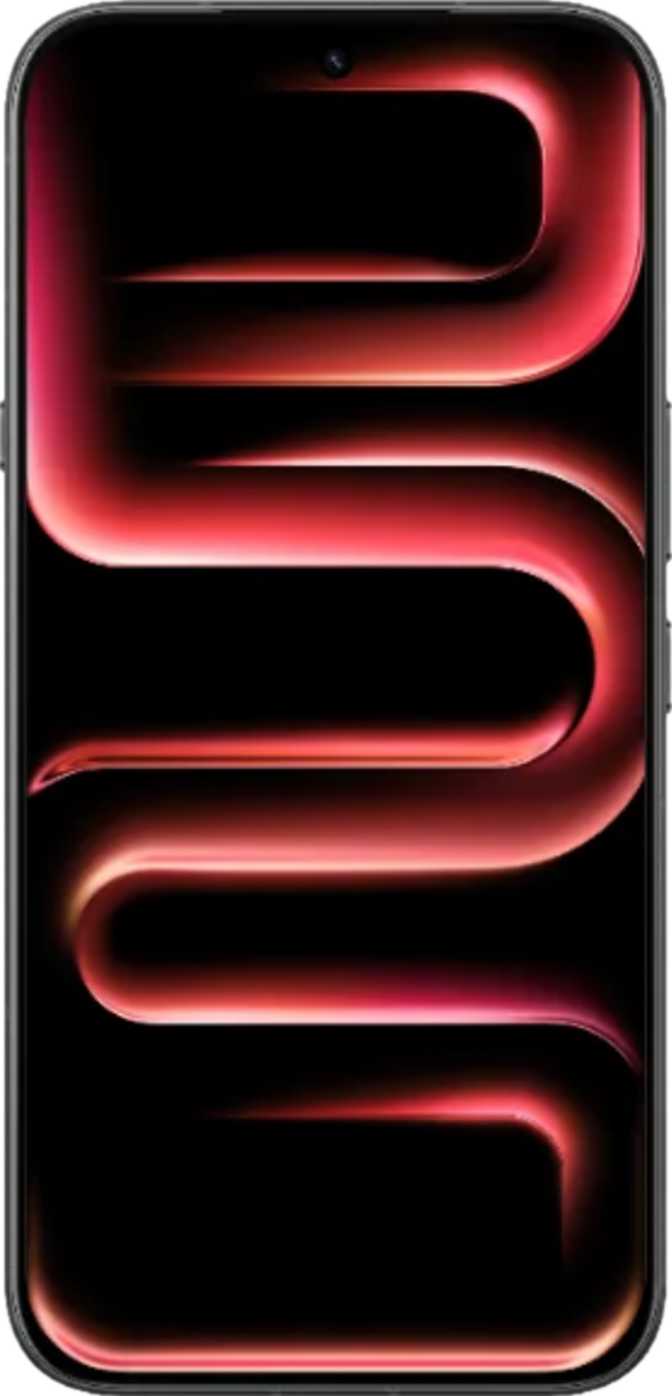
Infinix Note 60 Pro Review: Premium Hardware, Mid-Range Price
SmartphonesThe mid-range smartphone market is brutally competitive, and most phones in this segment ask you to accept a compromise you'll feel every single day. The Infinix Note 60 Pro takes a different bet: load the hardware sheet with specifications that would embarrass phones costing twice as much, then price aggressively enough to make the trade-offs feel acceptable. The result is a phone that genuinely earns attention — not because it's perfect, but because it's surprisingly hard to dismiss.
Category Scores
- 144Hz OLED display, 1600-nit brightness
- 90W wired + 30W wireless charging
- IP64 rated + Gorilla Glass 7i
- 4nm chip, 12GB DDR5, 256GB storage
- No optical zoom on any camera
- USB 2.0 speed only for file transfers
- No HDR10 or Dolby Vision support
Design, Build Quality, and Physical Experience
Physical Dimensions and In-Hand Feel
At 7.4 mm thick and just over 201 grams, the Note 60 Pro sits in that sweet spot where a large phone doesn't feel like a burden. It's slim enough to slide into a front pocket without protest, yet substantial enough to feel like something worth protecting. The 77.2 mm width places it firmly in big-phone territory — one-handed use is possible but not its strength. If you have smaller hands, expect to adjust your grip during scrolling sessions.
The flat display is a deliberate and sensible choice. Curved screens look elegant in ads but create accidental touches, complicate screen protector application, and reduce effective screen real estate. Infinix chose utility over aesthetics, and daily use rewards that decision every time.
IP64 Protection: What It Actually Means
Understanding IP64
The 6 means fully dustproof — no ingress regardless of duration or direction. The 4 means splash-resistant from any direction. Gym sessions, light rain, kitchen splatter, and sandy days are all handled. Submersion or heavy downpours are not covered.
Key Physical Specifications
Display: The Screen Is the Star
The 6.78-inch OLED panel running at 144Hz is the most immediately impactful thing about the Note 60 Pro. OLED means true blacks — not very-dark-gray blacks, but actual absence-of-light blacks. Every photo, video, and dark-mode interface benefits from contrast that is essentially limitless.
OLED at 144Hz: Why It Matters
At 60Hz — what most budget phones offer — scrolling has a subtle stuttery quality you stop noticing only once you experience something smoother. At 144Hz, motion is immediate and fluid. Scrolling a feed, swiping between apps, playing games — everything responds with a fluidity that phones twice the price were offering only a few years ago.
Brightness and Outdoor Usability
The 1600-nit brightness rating is where outdoor usability is secured. Most OLED panels at this price tier struggle in direct sunlight, becoming murky and hard to read. 1600 nits keeps the Note 60 Pro legible and vivid even on a bright afternoon — among the better outdoor experiences in the mid-range category.
At 429 pixels per inch, text and fine detail are rendered at sharpness the human eye cannot meaningfully perceive at normal viewing distance. Photos look detailed and text looks crisp — this is a genuinely sharp panel.
Touch Response and Always-On Display
The 240Hz touch sampling rate — separate from the visual refresh rate — means the screen registers your finger's position 240 times per second. For gaming, input lag approaches zero perceptible delay. The Always-On Display shows the time and notifications without waking the full screen, a small comfort that becomes surprisingly hard to live without once expected.
- OLED/AMOLED panel technology
- Always-On Display
- Gorilla Glass 7i screen protection
- Flat panel — no curved edges
- No HDR10 certification
- No HDR10+ certification
- No Dolby Vision support
Performance: The Snapdragon 7s Gen 4 in Real-World Terms
The Qualcomm Snapdragon 7s Gen 4 powering the Note 60 Pro is built on a 4-nanometer manufacturing process — the same node used in flagship chips. Smaller transistors mean more processing power per watt consumed, directly affecting battery life and how the phone handles sustained workloads.
Chip Architecture Explained
The processor uses a layered core arrangement: one high-performance core for demanding tasks, three balanced cores for everyday multitasking, and four efficiency cores that handle background work while barely touching the battery. The phone conserves power when you're reading and marshals full force when you open a demanding game or process a photo — exactly the kind of intelligence that makes flagship-node chips worth having at any price.
RAM and Storage: Generously Equipped
Twelve gigabytes of DDR5 RAM — the current fast standard — means the phone can hold a substantial number of apps in memory at once. Switching between a camera, social media, navigation, and a streaming service without any of them reloading is a realistic daily experience, not a lucky outcome.
The 256GB of internal storage covers most users' needs for years. The firm caveat: there is no microSD slot. What you purchase is what you have permanently. Cloud storage becomes your overflow option.
Gaming Performance
The Adreno 710 GPU, paired with DirectX 12 and OpenGL ES 3.2 support, positions the Note 60 Pro as a capable mid-range gaming device. Popular competitive titles — mobile battle royales, MOBAs, racing games — run comfortably at high settings with the 144Hz display feeding smoothness through to gameplay. Extremely demanding 3D titles will reach limits, but this chip punches clearly above its price class.
Camera System: Honest Assessment of a Dual-Lens Setup
The camera system is capable without being remarkable. It handles everyday photography well and delivers solid results for social media, travel, and daily documentation. Where it shows limits is in specific scenarios — and those limits deserve honest acknowledgment before you buy.
- 50 megapixel primary sensor
- Optical Image Stabilization (OIS)
- Phase-detection autofocus
- f/2.2 wide aperture
- 4K video recording at 30fps
- Slow-motion video support
- No RAW file capture
- 8 megapixel ultra-wide lens
- f/1.6 aperture — brighter than most rivals
- Better low-light ultra-wide performance
- Group shots and landscapes
- No optical zoom on any lens
- 13 megapixel selfie camera
- f/2.2 aperture
- Solid for video calls and selfies
- No front-facing LED flash
What the Camera Does Well
The primary 50MP sensor with OIS and phase-detection autofocus locks onto subjects quickly in bright and moderate lighting. OIS counteracts hand tremor for sharper low-light shots and smoother video footage. The f/2.2 aperture on the main lens lets in more light than many competitors. For social media content, travel photography, and everyday documentation, this is a genuinely capable system that produces great JPEGs right from the camera app.
What the Camera Cannot Do
- No optical zoom: Digital zoom degrades quality visibly. Distant subjects — wildlife, sports, architecture across a street — will disappoint.
- No RAW capture: Mobile photographers using Lightroom or similar darkroom workflows will need to look elsewhere.
- No HDR10 video: Content creators targeting HDR displays should note this ceiling.
Battery and Charging: The Endurance Flagship
The battery is large enough that most users — even heavy ones — will comfortably end each day with charge to spare. The 4nm chip's efficiency is a meaningful contributor here: power-hungry chips make large batteries feel ordinary; efficient chips make them feel exceptional.
90W Wired Charging Changes the Routine
90W wired fast charging puts the Note 60 Pro in territory most flagships only recently entered. From near-empty to fully charged in under an hour — practically, a 20-minute charge during breakfast puts enough power in the tank for a full day's use. Charging anxiety shifts from a daily concern to an occasional thought.
Wireless Charging Done Right
30W wireless charging is fast by any wireless standard — most pads in common use operate at 7.5W to 15W. Placing the phone on a pad at your desk or bedside table and having it charge at meaningful speed is a quality-of-life feature that, once used, becomes expected. Reverse wireless charging at 5W also lets the Note 60 Pro act as a charging pad for earbuds or a friend's phone when needed.
Charging at a Glance
- 90W Wired Fast ChargeFull charge well under 1 hour
- 30W Wireless ChargingGenuinely fast, not just a checkbox
- 5W Reverse WirelessCharges earbuds or other devices
- Battery Health MonitoringTrack long-term battery condition
Software: Android 16 with Practical Privacy Tools
Running Android 16, the Note 60 Pro arrives with Infinix's customization layer over a modern Android foundation. The software package is thoughtful in privacy and productivity — with one significant limitation that deserves an honest discussion before you commit.
Privacy Controls
- Clipboard warnings — notified when an app reads your clipboard
- Location privacy options for fine-grained control
- Camera and microphone access privacy toggles
- App tracking blocker built in system-wide
- On-device machine learning — no cloud dependency
Productivity Features
- Split-screen multitasking
- Picture-in-Picture — watch video while using other apps
- Full-page scrolling screenshots
- Dark mode and dynamic theming
- Extra Dim mode for nighttime use beyond standard brightness
- Offline voice recognition — works without internet
- Multi-user support
Important: OS Update Limitation
OS updates do not come directly from Google — they route through Infinix's own pipeline. This means major Android version upgrades and security patches may arrive later than on phones with direct update access. For users who prioritize timely security patches, this is a genuine consideration before purchasing.
Additional Software Features
- Child lock for family use
- Widget support on home and lock screens
- Customizable per-app notification controls
- Live Text — select text found in images
- Battery health status monitoring
- Play games while they are downloading
Connectivity: Well-Equipped with One Asterisk
The connectivity suite is well-rounded for the price tier. 5G, Wi-Fi 6, Bluetooth 5.4, and NFC are all present. The single significant limitation is USB 2.0 data transfer speed — invisible for most users, frustrating for those who regularly move large video files.
| Feature | Detail | Verdict |
|---|---|---|
| 5G | Supported on both SIM slots | Excellent |
| Wi-Fi | Wi-Fi 4, 5, and 6 (802.11ax) | Excellent |
| Bluetooth | Version 5.4 — current generation | Very Good |
| NFC | Yes — contactless payments supported | Good |
| USB | Type-C connector, USB 2.0 speed | Limited |
| GPS | GPS + Galileo satellite support | Good |
| IR Blaster | Yes — universal remote functionality | Bonus Feature |
| SIM | Dual SIM, both 5G capable | Good |
| Stereo Speakers | Yes — dual speaker setup | Good |
| FM Radio | Built-in FM radio receiver | Bonus Feature |
| Headphone Jack | 3.5mm jack not included | Missing |
The USB 2.0 Reality
The Type-C port charges and transfers data at USB 2.0 speeds — roughly 40–60 MB/s in practice. For most users, charging and occasional photo transfers, this is invisible. For those who routinely move 4K footage to a computer, it becomes a real bottleneck. This is the most technically outdated specification in an otherwise strong package.
No Headphone Jack
Wired audio requires a USB-C adapter or Bluetooth headphones. LDAC, aptX, and aptX HD wireless codecs are not supported, meaning lossless wireless audio is off the table. For casual listening and calls, this matters not at all.
Who Should Buy the Infinix Note 60 Pro?
Buy It If You...
- Prioritize display qualityAn OLED panel at 144Hz and 1600 nits at mid-range pricing is rare — this is the screen's strongest selling point.
- Need strong battery enduranceHeavy users end each day with charge remaining. Light users may realistically charge every other day.
- Want real physical protectionIP64 plus Gorilla Glass 7i at a mid-range price — dust, splashes, and drops handled without flagship cost.
- Play mobile gamesA 4nm chip, 12GB DDR5 RAM, and 144Hz display — gaming feels genuinely premium here.
- Need 256GB without cloud dependenceGenerous fixed storage covers most users' needs for years of normal use.
Look Elsewhere If You...
- Shoot telephoto frequentlyWildlife, sports from the stands, distant architecture — no optical zoom means visibly degraded digital crop.
- Transfer large video files regularlyUSB 2.0 data speed will frustrate anyone who routinely moves 4K footage to a computer.
- Stream HDR-certified contentNo HDR10 or Dolby Vision display support means premium HDR tiers from streaming platforms aren't delivered.
- Need fast, guaranteed OS updatesInfinix's update pipeline means patches arrive later than on Pixel or Samsung devices.
- Use premium wireless audio codecsNo LDAC or aptX support — audiophiles with high-end Bluetooth headphones won't receive lossless audio.
How the Note 60 Pro Compares to the Competition
The Note 60 Pro's hardware package is ahead of its price class on most dimensions. The trade-offs are real but concentrated in areas that don't affect the majority of buyers on a daily basis.
| Specification Area | Infinix Note 60 Pro | Typical Mid-Range Rival | Edge |
|---|---|---|---|
| Display Technology | OLED, 144Hz, 1600 nits | Often IPS LCD or lower-nit OLED | Note 60 Pro |
| Dust & Water Protection | IP64 — fully dustproof | IP52 or no official rating | Note 60 Pro |
| Wired Charging Speed | 90W | 33W–67W typically | Note 60 Pro |
| Wireless Charging | 30W included | Often absent or up to 15W | Note 60 Pro |
| Chipset Process Node | 4nm Snapdragon 7s Gen 4 | 4nm–6nm depending on model | Competitive |
| Base Storage | 256GB | 128GB common in the class | Note 60 Pro |
| USB Data Speed | USB 2.0 | USB 2.0 common; some offer 3.2 | Even |
| Headphone Jack | None | Varies by model | Rivals Vary |
| HDR Display Certification | None | Varies by model | Even |
Honest Assessment: Strengths and Weaknesses
Where the Note 60 Pro Excels
The display-battery-charging combination is exceptional for this price tier. Finding a phone with an OLED panel at this refresh rate and brightness, paired with both fast wired and wireless charging, and a battery large enough to last beyond a single day — at a mid-range price — is genuinely difficult to do. These three elements alone justify serious consideration.
The build quality adds physical confidence most buyers in this price range don't receive. A slim 7.4mm profile, IP64 dust and splash protection, and Gorilla Glass 7i together form a phone you carry without constant anxiety. The 4nm processor provides genuine performance efficiency — not just clock speed on paper, but sustained performance that doesn't throttle after ten minutes of gaming, and battery consumption that doesn't crater under mixed daily use.
Where the Price Shows
USB 2.0 is a legitimate limitation in a world where 4K video files are enormous. The absence of HDR10 or Dolby Vision certification on the display is surprising given how otherwise excellent the OLED panel is — streaming enthusiasts will feel this ceiling when platform quality tiers come into play.
The camera system is competent without being remarkable. The lack of optical zoom limits versatility for anyone who photographs subjects at distance. The absence of RAW capture closes the door on mobile photography workflows that go beyond the stock camera app.
Software updates arriving through Infinix's pipeline rather than directly requires trust in a manufacturer whose update history is less established than Samsung's or Google's. For security-conscious buyers, this is a meaningful variable — not a disqualifier, but a consideration worth weighing against the hardware advantages.
Questions Real Buyers Ask Before Purchasing
Final Verdict: Is the Infinix Note 60 Pro Worth Buying?
The Infinix Note 60 Pro earns its place as one of the most hardware-competitive options in its price range. The display alone — OLED, 144Hz, 1600 nits, Gorilla Glass 7i — would justify attention even if the rest of the package were average. The rest of the package is not average: 90W wired charging, 30W wireless, a large-capacity battery, IP64 protection, 5G, Wi-Fi 6, and a capable 4nm processor together form a specification sheet that reads like something considerably more expensive.
The trade-offs are real but predictable for the price: no optical zoom, no HDR streaming certification, USB 2.0 data speed, no headphone jack, and Infinix-mediated software updates. None of these are disqualifying for the majority of buyers, but each deserves honest acknowledgment before you commit.
For most people — social media, streaming, gaming, daily photography, and general productivity — the Note 60 Pro is an overachiever. It will feel like more phone than its price suggests, consistently, every single day.
Skip if: You need telephoto cameras, fast USB transfers, or guaranteed prompt OS updates.