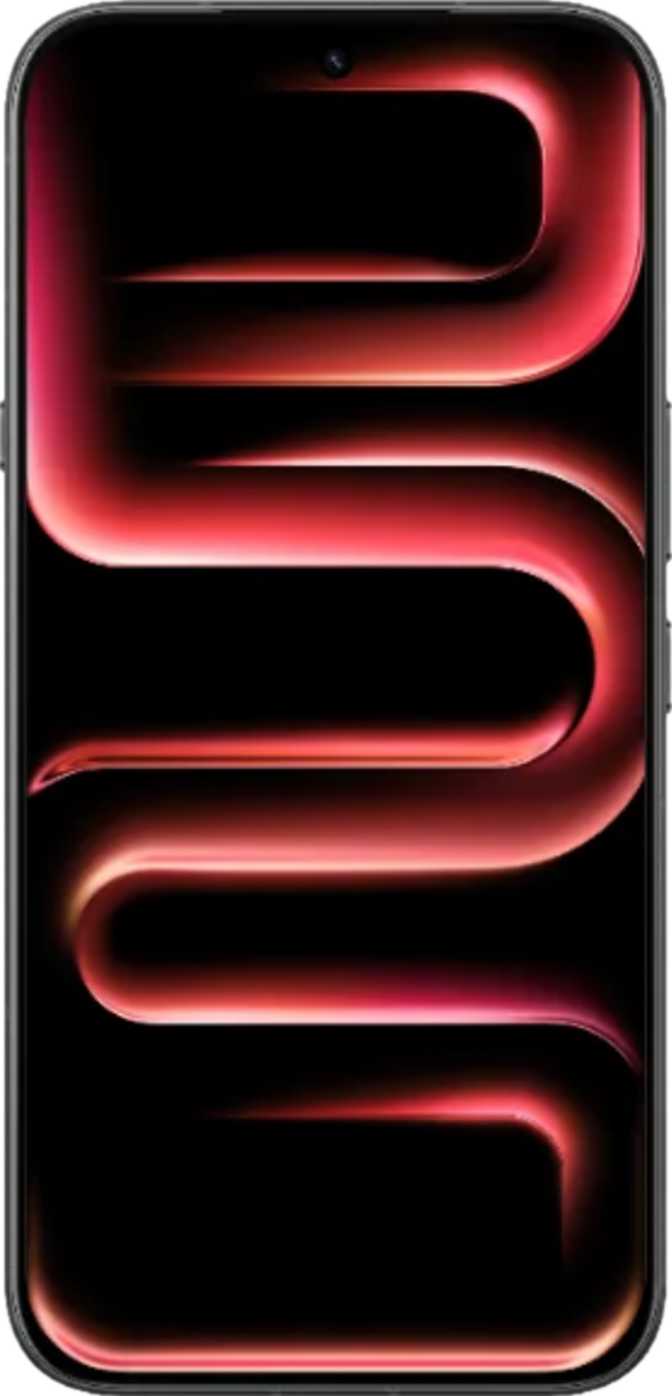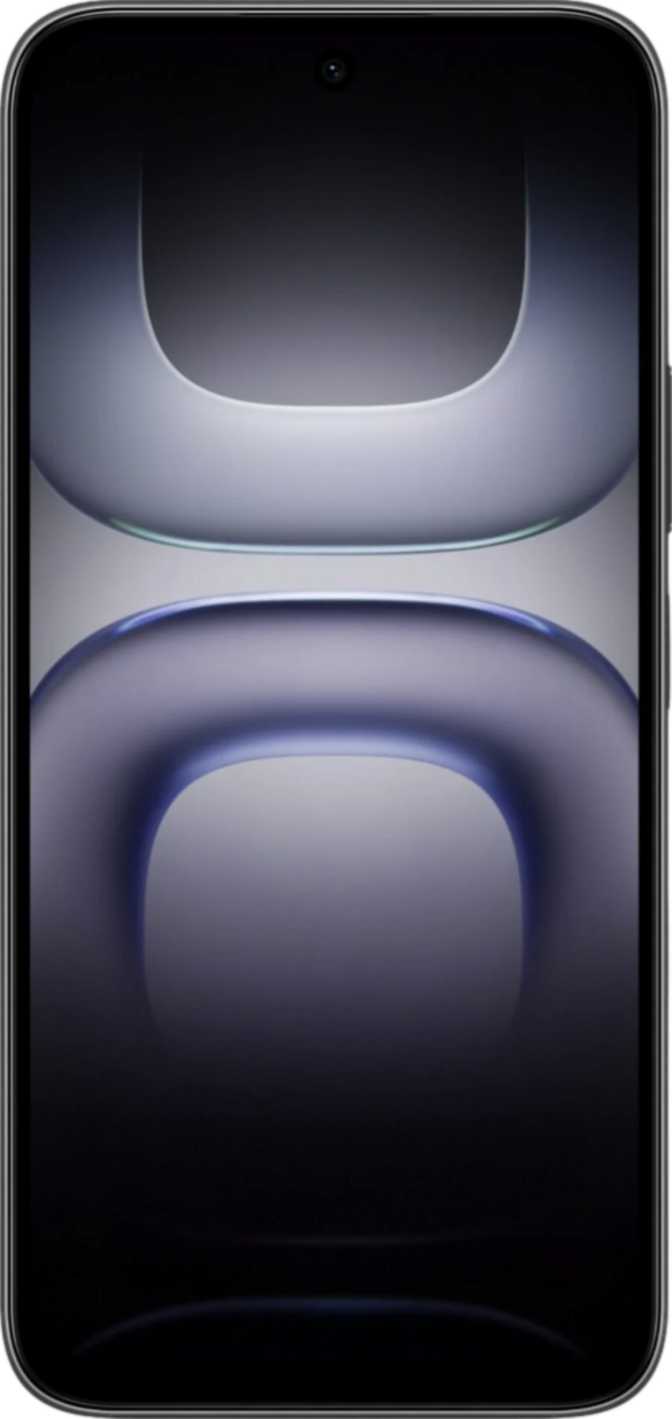
Infinix Note 60 Review: Exceptional Display, Honest Trade-Offs
SmartphonesBudget smartphones have a credibility problem. They overpromise on paper and disappoint the moment you actually use one. The Infinix Note 60 makes a different kind of case — mid-range hardware pairing a genuinely premium display, a capable chipset, and a battery that outlasts most of the competition, all in a frame that costs significantly less than flagship alternatives. The trade-offs are real. But they are ones you can make an informed decision about. Here is everything you need to know.
Overall Score
out of 10
At a Glance
Infinix Note 60 scored across all key review categories
Design and Build Quality
Physical experience, dimensions, and durability
At 7.5mm thin and just under 200 grams, the Note 60 sits comfortably in the hand without the slab-like heaviness that plagues many large-screened phones. Phones with similarly large displays often weigh 210–220 grams — so this is meaningfully lighter, not just marginally so.
The footprint is wide at 77.2mm across, which is the honest trade-off for a 6.78-inch display. One-handed use will be a stretch for smaller hands, but anyone who regularly watches video, reads, or browses will appreciate the screen real estate.
The flat-screen design is a practical choice. Curved displays look dramatic in marketing photos but introduce edge distortion, make screen protectors harder to fit, and are more expensive to repair.
Dimensions & Protection
- Height
- 162.4 mm
- Width
- 77.2 mm
- Thickness
- 7.5 mm — slim profile
- Weight
- 199 g — lighter than peers
- IP Rating
- IP64
- Glass
- Gorilla Glass 7i
IP64 Protection Explained
Fully sealed against dust, and resistant to water splashing from any direction. Rain, kitchen spills, and accidental knocks from a glass are covered. Submersion is not — do not drop it in a sink.
Gorilla Glass 7i
Engineered specifically for mid-range devices, it delivers real drop and scratch resistance for daily handling — not just a branding tick. It is below flagship Gorilla Glass Victus 2, but well above unnamed generic glass found on competitors.
Display: Where the Note 60 Punches Hardest
OLED panel, 144Hz refresh, 1600 nits peak brightness
OLED / AMOLED
True blacks, vibrant color, and superior contrast versus any LCD at this price
144Hz Refresh
Scrolling, swiping, and gameplay feel physically smoother — the difference from 60Hz is immediately noticeable
429 ppi Sharpness
Far beyond the threshold of human perception — text and fine detail are genuinely crisp
1,600 Nits Peak
Strong outdoor visibility in direct sunlight — no more squinting or hunting for shade
What These Specs Mean Daily
OLED means the pixels that form dark areas literally switch off. Black areas of the screen are truly black, not a backlit dark grey. The consequence for everyday use: watching films in a dark room looks cinematic, dark mode at night is comfortable on the eyes, and contrast in all content is vivid without being artificially oversaturated.
The 240Hz touch sampling rate accompanies the 144Hz panel — this describes how often the screen detects and registers your finger position. A higher rate translates to inputs feeling more immediate, which matters particularly during gaming where reaction speed is everything.
Always-On Display is supported, keeping the clock and notifications visible without waking the full screen. It is a small thing used dozens of times a day.
One Real Limitation
The display does not support HDR10, HDR10+, or Dolby Vision. Streaming services that offer HDR-mastered content will default to standard dynamic range on this device. The screen is excellent — but HDR enthusiasts will feel the gap.
| Technology | OLED / AMOLED |
| Size | 6.78 inches |
| Resolution | 1208 × 2644 px |
| Pixel Density | 429 ppi |
| Refresh Rate | 144 Hz |
| Touch Sampling | 240 Hz |
| Peak Brightness | 1,600 nits |
| Always-On Display | Yes |
| HDR10 Support | No |
| Glass Protection | Gorilla Glass 7i |
Performance: The Dimensity 7400 Explained
Chipset, RAM, storage, and real-world speed
The Infinix Note 60 runs on MediaTek's Dimensity 7400, built on a 4-nanometer manufacturing process. The nanometer figure describes how small individual transistors are inside the chip — 6.2 billion of them here. Smaller transistors mean more computational power from less energy, so the chip runs cooler and draws less battery than older 6nm or 7nm equivalents.
The processor uses eight cores in a split configuration: four high-performance cores at 2.6GHz tackle demanding tasks, while four efficiency cores at 2.0GHz handle lighter background work. The phone automatically switches between clusters based on what is happening, keeping things responsive when needed and conserving battery when it is not.
For gaming, the Mali G615 MC2 GPU supports DirectX 12 — the current standard for graphics rendering. Popular titles including PUBG Mobile, Mobile Legends, and Call of Duty Mobile run well. The most graphically demanding games at their highest settings will show limitations, but for the overwhelming majority of Android gaming, performance is solid.
Memory & Storage
8GB of DDR5 RAM at 6,400 MHz is a strong allocation at this price. DDR5 is the current memory generation — faster and more efficient than the DDR4 found in many competitors. Apps load quickly when switching and stay in memory longer without reloading.
256GB of internal storage is genuinely generous — enough for years of photos, videos, and apps without managing space. There is no microSD expansion slot, so what you get is what you keep. 256GB is the right baseline to have locked in.
| Chipset | MediaTek Dimensity 7400 |
| Process Node | 4 nm (efficient & cool) |
| CPU Config | 4× 2.6 GHz + 4× 2.0 GHz |
| Transistors | 6.2 billion |
| GPU | Mali G615 MC2 |
| DirectX Support | DirectX 12 |
| RAM | 8 GB DDR5 |
| RAM Speed | 6,400 MHz |
| Storage | 256 GB (no expansion) |
| Memory Bandwidth | 25.6 GB/s |
Camera System: Competent, With Clear Limits
Dual rear cameras, OIS, 4K video, and 13MP front shooter
Main Camera
The rear system pairs a 50-megapixel primary sensor with an 8-megapixel secondary camera. The main sensor's f/2.2 aperture lets in a useful amount of light for everyday shooting. The secondary lens at f/1.6 has a wider opening, which is an advantage in lower ambient conditions.
Optical Image Stabilization is present on the main camera — a hardware mechanism that physically counteracts hand movement to reduce blur in handheld photos and shake in video. At this price, OIS is not a given, making its inclusion a genuine differentiator.
Video tops out at 4K at 30 frames per second, with continuous autofocus during recording. Phase-detection autofocus handles stills — the faster, more accurate method borrowed from dedicated cameras.
Manual controls are available for ISO, white balance, exposure, and focus for users who want creative control beyond auto mode.
No Optical Zoom
Digital zoom degrades image quality at higher magnifications. There is also no RAW file output, no laser autofocus, and no dual-tone flash. Casual photographers will not feel these gaps — dedicated photography enthusiasts will.
| Main Sensor | 50 MP, f/2.2 |
| Secondary Sensor | 8 MP, f/1.6 |
| Stabilization | Optical (OIS) |
| Autofocus | Phase Detection (PDAF) |
| Video | 4K @ 30 fps |
| Optical Zoom | None (digital only) |
| RAW Output | Not supported |
| HDR Mode | Yes |
| Slow Motion | Yes |
| Timelapse | Yes |
| Panorama | Yes |
| Front Camera | 13 MP, f/2.2 |
Front Camera
The 13-megapixel selfie camera at f/2.2 handles video calls and everyday self-portraits reliably. There is no front-facing flash and no wide-angle lens option. For content creators who depend heavily on front-camera video, sampling footage before purchasing is worthwhile.
Battery Life: A Full-Day-and-Then-Some Proposition
6,500mAh capacity, 45W fast charging, no wireless
mAh — well above category average
Infinix Note 60
Category Average (~5,000mAh)
Budget Tier (~4,500mAh)
The 6,500mAh cell sits at the upper end of what current smartphones carry — roughly 30–45% more stored energy than the category average. Combined with the efficiency of the 4nm chipset, this phone is engineered to last.
For most users — social media, streaming, browsing, calls, and some gaming — two days of use per charge is realistic under moderate conditions. Heavy users who push gaming or continuous media all day should expect a full day comfortably. This is a phone you stop worrying about by mid-afternoon.
Charging at 45W recovers meaningful battery in short windows — approximately 30 minutes from low should restore a substantial portion. That is fast enough for top-up charging to be a real option.
45W Wired Fast Charge
USB-C cable required, recovers meaningful charge in under 30 minutes
No Wireless Charging
A cable is always required. The phone cannot charge other devices.
Software: Android 16 With Useful Privacy Controls
Features, privacy tools, and update expectations
Running Android 16, the Note 60 ships without the software disadvantage that plagues phones running older releases. The version brings modern privacy architecture including clipboard access warnings, location privacy controls, and per-app camera and microphone access management.
App tracking can be blocked at the system level. Customizable notifications give meaningful control over interruptions. Split-screen multitasking and picture-in-picture are both supported.
Update Cadence Caveat
Updates come through Infinix, not directly from Google. Historically this means fewer guaranteed years of updates and potentially longer waits between versions. Buyers planning to keep this phone for three or more years should factor this in.
- Android 16 (current)
- Clipboard access warnings
- Per-app camera & mic privacy
- App tracking block
- Split-screen multitasking
- Picture-in-Picture
- Dark mode & dynamic theming
- Always-On Display
- Battery health check
- Offline voice recognition
- Direct Google OS updates
- Focus modes
Connectivity: 5G Ready, Wi-Fi Has a Ceiling
5G, NFC, Bluetooth 5.4, GPS, IR blaster, and more
5G support makes the Note 60 compatible with current-generation mobile networks. NFC is included for contactless payments without additional hardware. Bluetooth 5.4 is the current standard, ensuring stable and low-latency connections to wireless earbuds, speakers, and accessories.
Wi-Fi supports both Wi-Fi 4 and Wi-Fi 5 (802.11ac), but not Wi-Fi 6 (802.11ax). On most home or office networks the practical difference for everyday tasks is negligible. In congested environments with many simultaneous connections, Wi-Fi 6 offers more consistent throughput — but for the vast majority of users, Wi-Fi 5 is sufficient.
The USB-C port operates at USB 2.0 data transfer speeds, which is adequate for charging and routine use but slow when moving large video files to a computer.
Infrared Blaster
Controls TVs, ACs, and IR devices — a rare practical feature at this price
FM Radio
Useful in low-connectivity areas or during travel
NFC Payments
Google Pay and contactless transactions fully supported
Dual SIM
Two active lines simultaneously — ideal for travel or work/personal split
GPS + Galileo
Multi-system navigation improves accuracy in urban environments
No Headphone Jack
USB-C adapter required for traditional wired headphones
Audio: Stereo Sound, Standard Wireless Codecs
Speaker configuration and Bluetooth audio quality
Stereo Speakers
Left and right channel separation makes a real difference during media consumption compared to mono setups. Watching videos, playing games, or listening to music benefits from genuine stereo output.
No High-Resolution Bluetooth Codecs
aptX, aptX HD, and LDAC are not supported. Audiophiles connecting high-end Bluetooth headphones will not receive lossless or high-resolution wireless audio. For the majority streaming through standard wireless earbuds, this is not a meaningful daily limitation.
Who Should Buy the Infinix Note 60
Real-world usage scenarios and audience fit
- Users who want OLED and 144Hz experience without flagship pricing
- Anyone burned by poor battery life on previous phones — the 6,500mAh cell is a genuine strength
- People who value dust and splash resistance for everyday environments
- Dual-SIM users, frequent travelers managing two phone numbers simultaneously
- Light to moderate gamers playing popular titles without demanding maximum settings
- Content consumers who stream video and want a vibrant, large screen worth watching on
- Photographers needing versatile zoom or challenging low-light performance
- HDR streaming enthusiasts — Netflix and Disney+ HDR will not render on this display
- Users dependent on wireless charging as part of their daily routine
- Audiophiles using high-end Bluetooth headphones who need lossless wireless audio
- Users expecting guaranteed multi-year direct OS update support
- Heavy file transfer users — USB 2.0 speeds are a bottleneck for large video files
Competitive Positioning: How It Stacks Up
Infinix Note 60 versus typical alternatives at the same and next price tier
| Feature | Infinix Note 60 | Typical Same-Price Rival | Step-Up Alternative |
|---|---|---|---|
| Display Type | OLED 144Hz | LCD 90Hz | OLED 120Hz |
| Battery | 6,500mAh | 5,000mAh | 4,500–5,000mAh |
| Fast Charging | 45W wired | 33W wired | 45–65W wired |
| Wireless Charging | Often | ||
| IP Rating | IP64 | IP52 or none | IP67 |
| Chipset Node | 4nm | 6nm | 4nm |
| Headphone Jack | Often | Sometimes | |
| Wi-Fi Standard | Wi-Fi 5 | Wi-Fi 5 | Wi-Fi 6 |
| HDR Display | Often | ||
| OIS Camera | Rare |
Competitor columns represent typical specifications found in phones at equivalent and one tier higher price brackets. Specific models vary by region and availability.
Honest Strengths and Weaknesses
A balanced editorial assessment — not a marketing checklist
The display is the Note 60's signature achievement. A 6.78-inch OLED panel with 144Hz refresh and 1,600 nits of brightness is not what buyers expect at this price tier, and using it daily reflects that quality genuinely. Paired with a battery that frankly embarrasses most competitors in terms of raw capacity, the phone earns real credibility for media-heavy and on-the-go use.
The IP64 rating and Gorilla Glass 7i add a durability confidence that many budget phones skip entirely. These are not marketing checkboxes — they translate to less anxiety in everyday situations where phones typically take damage. The 4nm chipset ensures performance feels responsive and thermal management stays sensible for a non-cooled device.
The camera system's lack of optical zoom means distant subjects degrade as soon as you push past 1x. The absence of HDR display support is a genuine gap for streaming enthusiasts who have chosen a service specifically for its HDR catalog.
The update cadence from Infinix has historically been slower than stock Android or Samsung devices — relevant if you plan to keep this phone for three or more years. Wireless charging's absence is a convenience that, once experienced, is hard to give up. USB 2.0 transfer speeds are functional but feel dated on a modern device. These are not flaws exactly — they are the predictable consequence of hitting a price target while prioritizing other things.
Common Questions Answered
Answers to what buyers actually search for before purchasing
A Display and Battery Champion With Clear Trade-Offs
The Infinix Note 60 earns a confident recommendation for the right buyer. If your priorities are a premium OLED display experience, exceptional battery endurance, and reliable day-to-day performance — all without paying flagship prices — this phone delivers all three without compromise.
Where it asks for compromise — no wireless charging, no HDR support, no optical zoom, and a slower update track — the trade-offs are predictable and honest. For a first smartphone upgrade, for someone who primarily consumes content on a screen worth watching, or for a buyer tired of charging every night, the Note 60 makes a compelling, transparent case.
Overall Score
Recommended
Value Tier Winner
Best For
Display & Battery
Quick Summary
- OLED 144Hz display at this price
- 6,500mAh battery endurance
- IP64 dust and splash protection
- 4nm efficient chipset
- OIS camera stabilization
- Android 16 out of the box
- No HDR display support
- No wireless charging
- No optical zoom
- Slower OS update cadence