Realme Buds T500 Pro Review: A Budget TWS That Earns Its Pro Badge
Wireless EarbudsThe budget true wireless earbud market is crowded with options that look impressive on paper and disappoint in your ears. The Realme Buds T500 Pro challenges that pattern with a specification sheet that raises eyebrows — particularly around its audio codec support and Bluetooth generation — at a price point where such features are rarely expected. Whether those specs translate into a listening experience worth your money is exactly what this review unpacks.
Design and Build Quality
Physical comfort, durability, and the day-to-day experience of wearing these earbuds
Fit and Everyday Comfort
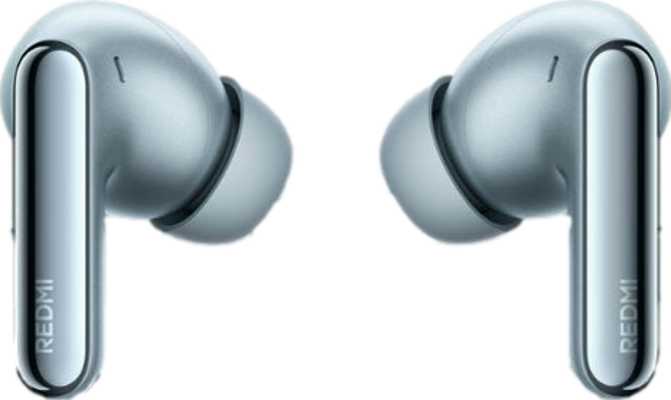
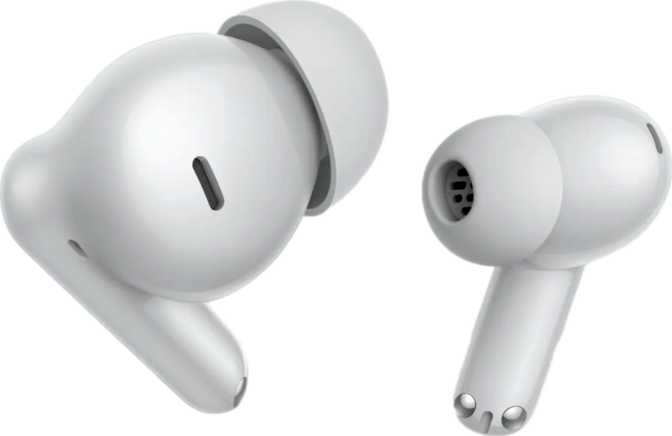
The Buds T500 Pro uses a standard in-ear design without wingtips, relying on a well-contoured eartip seal to stay in place. Getting the right eartip size is worth a few minutes out of the box — it affects both comfort and passive sound isolation significantly.
For commuters, office workers, and casual listeners, this suits daily wear perfectly. For intense gym sessions or trail running, fit security depends more on your ear shape — a short test run will confirm whether the seal holds for your anatomy.
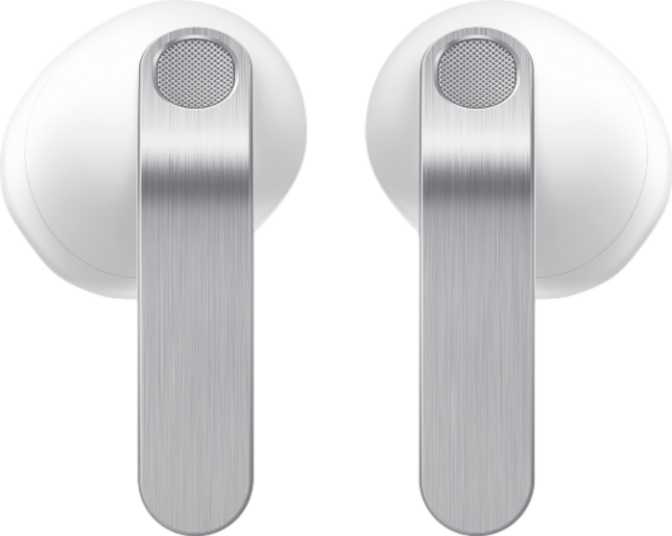
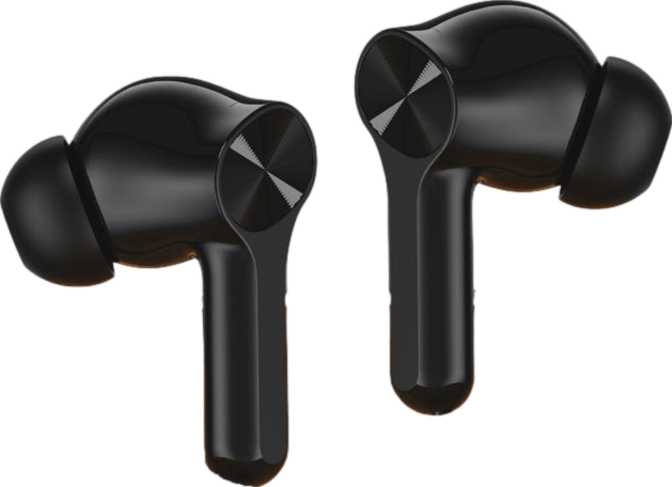
There is no RGB lighting, no novelty sensor features, and no gimmicks attached to the chassis. The design is clean and professional — equally at home in a conference room and at the gym. A travel bag is included in the box, a small but genuinely appreciated touch that many budget competitors omit.
IP55 Rating: What It Actually Covers
The IP55 certification is the clearest indicator of how seriously Realme has engineered these buds against real-world conditions. The first "5" confirms solid protection against any meaningful dust intrusion. The second "5" means the earbuds can withstand water jets from any direction without damage.
In practice, this covers heavy workout sweat, being caught in unexpected rain, and accidental splashes without a second thought. These are not buds designed for swimming, but they are genuinely built to handle daily life without careful handling.
Compared to the IPX4-rated competitors common at this price, full IP55 certification offers meaningfully better dust protection and water resistance from all directions — not just splashes from specific angles.
Sound Quality
Driver hardware, noise isolation, and codec support — what the specs actually mean for your listening experience
12.4mm Driver
A 12.4mm dynamic driver is notably larger than the 6mm to 10mm units found in most budget and mid-range competitors. A physically larger driver moves more air — which supports deeper bass reproduction and a better overall sense of space in the sound.
The frequency range spans the complete breadth of human hearing, from the lowest audible bass to the highest perceptible detail. The hardware ceiling is set to reproduce full-spectrum music without artificially cutting either end of the range.
Passive Isolation
These buds rely on passive noise isolation rather than active noise cancellation (ANC). A well-fitting in-ear earbud blocks roughly 15 to 25 decibels passively — effectively handling voices, office equipment, and mid-frequency background noise without any processing involved.
For office workers, commuters on lighter transit routes, and general listeners, passive isolation is genuinely sufficient. For plane travel or loud subway commutes where low-frequency rumble is the challenge, the absence of ANC is a real limitation worth naming plainly.
LDHC Codec
Beyond standard AAC support, the Buds T500 Pro includes LDHC — a high-definition codec that transmits at bitrates significantly higher than conventional Bluetooth audio. For anyone streaming from lossless services or playing high-resolution local files, this allows audio detail to reach the earbuds intact rather than compressed away in transit.
LDHC requires a compatible source device to activate. Standard streaming quality sees a subtler benefit — but the ceiling is there when your source supports it. Spatial audio, Dolby Atmos, and LDAC are not supported.
Bluetooth 6.1 Connectivity
Why the version number matters and what it delivers day-to-day
Bluetooth 6.1 is among the most current iterations of the standard available in consumer earbuds. Newer Bluetooth versions bring improvements to connection stability, power efficiency during idle states, and interference handling in dense wireless environments — airports, open-plan offices, and apartment buildings where dozens of devices compete for the same spectrum.
Wireless range extends to around 10 meters in open space — standard for the category, and sufficient for keeping your phone on a desk while you move around a typical room. Leaving your source device in another room will begin to test the signal limits.
Audio latency measures 45 milliseconds — imperceptible for music and podcasts, and generally fine for video streaming on major platforms where small delays are automatically compensated. Competitive gaming requiring frame-precise audio sync is the one edge case where this could surface. Casual mobile gaming remains unaffected.
Connectivity Highlights
- Two-device multipoint — Laptop and phone paired simultaneously. Phone calls interrupt laptop audio automatically with no manual switching.
- AAC + LDHC codecs — Solid quality on all devices; high-resolution ceiling on compatible Android sources.
- USB-C charging — No proprietary cable required; works with any modern charger you already own.
- No NFC pairing — Initial setup follows the standard manual Bluetooth pairing process rather than a tap-to-connect shortcut.
- No LE Audio or Auracast — Next-generation sharing and broadcast features are absent, though still rare in this category regardless.
Call Quality: Six Microphones Doing Serious Work
Hardware investment in voice clarity that sets these buds apart at their price point
Noise-canceling mic processing across both earbuds, actively isolating your voice from background noise during every call
Six microphones across two earbuds is a significant hardware investment at this price point. The array works with dedicated noise-canceling processing that is entirely separate from the listening-side experience — meaning the Buds T500 Pro actively suppresses background noise specifically for the people you are calling, even when your surroundings are chaotic.
Coffee shops, windy streets, and open-plan offices are precisely where this microphone investment pays for itself. Your voice should reach the other end of the call clearly even when your environment is not cooperating.
A mute function is built into the earbud touch controls — no phone screen required. For anyone who takes frequent work calls, managing call audio directly from the earbud is a genuine workflow improvement over reaching for a device every time.
The Buds T500 Pro function as a complete headset for VoIP, video conferencing, and standard calls. Voice prompts provide spoken feedback for connection status and battery level, keeping you informed without needing to glance at a screen.
Battery Life and Charging
Endurance numbers that comfortably lead this price category — with honest context for each figure
A full earbud charge covers a standard workday — morning commute through an afternoon session — without opening the case. Heavy daily listeners at 6 to 8 hours will typically charge every other day at most.
Under heavier processing or higher volume output, playback settles near nine hours. This lower figure still exceeds what most competitors manage at their best — and covers a full working day with room to spare.
With case top-ups factored in, total playback spans several full working days before the case itself needs a cable. For irregular chargers and weekend travelers, this buffer is genuinely reassuring.
Charging Details
Key Features Worth Knowing
What each feature means in daily use — beyond the bullet point on the box
Built-In Language Translator
Real-time spoken language translation delivered through the earbuds directly, without a separate app in the foreground. A meaningful convenience for travelers and globally connected users — unexpected at this price tier. Treat it as a capable bonus rather than a primary purchase reason; actual language coverage depends on the companion app.
Multipoint: Two Devices at Once
Simultaneous pairing to your laptop and phone means audio switches automatically between them. Incoming phone calls interrupt laptop audio with no manual action needed. For anyone splitting the day between a work machine and a personal device, this changes the daily workflow in a way that is genuinely hard to give back once you have had it.
Find My Earbuds
Plays an audible tone through a misplaced earbud via the companion app — the same principle as find-my-device on smartphones. If you regularly misplace one bud around the house, this becomes one of the more practically useful features on the list. Budget competitors at this level routinely omit it.
Fast Charging
A 10 to 15-minute charge in the case provides enough battery for a meaningful listening session when you are caught short. The USB-C connection means the same cable as your phone handles the case — no additional cable needed in your bag or on your desk.
Voice Prompts and Touch Controls
Spoken audio feedback confirms connection status, battery level, and call actions without looking at your phone. Touch controls on the earbuds handle muting, playback, and call management — keeping your device in your pocket during calls and meetings rather than on the desk within reach.
Battery Level Indicator
Clear battery status across both earbuds and the case means you know when a charge is needed before you leave the house — not mid-commute. A small quality-of-life detail that makes an outsized difference in daily reliability when it matters most.
Who Should Buy the Realme Buds T500 Pro?
Matching the right earbuds to the right listener — an honest breakdown before you commit
These Are Right for You If...
You listen throughout the workday and need battery endurance that doesn't require a mid-afternoon case trip to get through.
You take frequent calls in noisy environments and need a microphone setup that keeps your voice clear regardless of background conditions.
You use a laptop and phone simultaneously and want seamless audio switching between both without manual re-pairing each time.
You stream lossless audio or play high-resolution files and want the codec support to match what your source device outputs.
You need genuine weather resistance for gym sessions and outdoor use without paying a dedicated premium specifically for it.
Look Elsewhere If...
You travel frequently by plane or use loud subway transit daily and need active suppression of low-frequency engine rumble — ANC is genuinely absent here.
You rely on LDAC or aptX Adaptive within an existing high-resolution audio ecosystem — LDHC is capable but sits on a different compatibility chain.
You want automatic ear detection to pause playback the moment you pull a bud out — this convenience feature is not present on the T500 Pro.
You use ambient sound passthrough to stay aware of your surroundings without removing the earbuds — this listening mode is absent entirely.
Wireless case charging is non-negotiable for your workflow — the case requires a USB-C cable every time it needs power.
How It Stacks Up Against the Competition
Category comparison across the specifications that matter most at this price point
| Feature | Realme Buds T500 Pro | Typical Budget Rival | Typical Mid-Range Rival |
|---|---|---|---|
| Bluetooth Version | 6.1 | 5.3 | 5.3 – 5.4 |
| Hi-Res Audio Codec | LDHC | None / SBC | LDAC or aptX |
| Active Noise Cancellation | No | Sometimes | Usually Yes |
| Microphone Count | 6 mics | 2 – 4 | 4 – 6 |
| Earbud Battery Life | ~13.5 hrs | 6 – 8 hrs | 7 – 10 hrs |
| Total System Battery | ~42.5 hrs | 20 – 30 hrs | 25 – 36 hrs |
| IP Rating | IP55 | IPX4 – IPX5 | IPX4 – IP54 |
| Multipoint Connection | Yes (2 devices) | Rarely | Often |
| Fast Charging | Yes | Sometimes | Yes |
The T500 Pro competes at entry-to-mid price points where most options compromise on codec support, battery life, or microphone quality. Trading ANC for stronger battery endurance and a genuinely current Bluetooth implementation is a calculated choice — one that serves the majority of everyday listeners well, even if it excludes specific travel and commute scenarios.
Honest Assessment: Strengths and Limitations
No product is perfect — here is where these earbuds genuinely excel and where they ask for compromise
Where It Excels
The battery system is one of the most generous in this class. The combination of long-lasting earbuds and a high-capacity case produces total endurance that most competitors at this level cannot match. This is not a marginal advantage — it is a meaningful daily-use edge that compounds over weeks of ownership.
The Bluetooth 6.1 implementation and LDHC codec support represent genuinely current hardware rather than a recycled last-generation chipset dressed in new packaging. Buyers who invest in lossless streaming or high-resolution local audio files will find the hardware ceiling set considerably higher than budget packaging typically delivers.
The six-microphone call setup is hardware-generous in the best sense. The IP55 rating provides durable real-world protection. And the combination of multipoint connectivity, fast charging, a translator feature, and an included travel bag produces a package that feels complete — not padded with omissions disguised as features.
Where It Asks for Compromise
The absence of active noise cancellation is the most significant limitation, and it is not a small one for every buyer. ANC appears on competing earbuds at similar price points and represents a genuine convenience loss for plane travelers, subway commuters, or anyone in loud environments who has relied on electronic noise suppression before.
Wireless case charging is missing — the case always needs a cable. This is common at this price tier but remains worth naming when some competitors now offer it.
Automatic ear detection, ambient sound passthrough, and head-tracked spatial audio are also absent. These features appear on competing earbuds at similar prices and represent real quality-of-life gaps for buyers who have experienced them previously. The T500 Pro asks you to weigh what it does exceptionally well against what it deliberately omits — and for most everyday listeners, that trade-off resolves firmly in its favour.
Frequently Asked Questions
Answers to the questions real buyers search for before purchasing
Final Verdict
The Realme Buds T500 Pro earns its "Pro" designation where it counts: audio codec quality, Bluetooth generation, call quality hardware, and battery endurance. It does not try to be everything — its deliberate omissions are the honest price of keeping costs controlled and battery numbers high.
The fundamental question every buyer must answer is whether they need active noise cancellation. If your commute is manageable, your workspace is reasonably quiet, or you value endurance over noise processing — the Buds T500 Pro is difficult to fault for the price it commands.
The 42-plus-hour total system endurance alone makes it a practical daily driver that most competitors at this level simply cannot match. For everyday listeners who take calls seriously, use two devices, and want current audio hardware without current flagship pricing — this earns a clear recommendation.
At a Glance
- 42.5h total system battery
- Bluetooth 6.1 with LDHC codec
- 6-microphone call quality
- IP55 weather resistance
- Two-device multipoint
- Fast charging + USB-C
- No active noise cancellation
- No wireless case charging