Realme Buds Air 8 Full Review: Budget ANC Earbuds That Mean Business
Wireless EarbudsBudget true wireless earbuds have a credibility problem. Most cut corners in ways that only reveal themselves after purchase — muddy bass, ANC that barely dents background noise, or call quality that makes you sound underwater. The Realme Buds Air 8 arrives with a specification list that punches well above its price bracket. This review breaks down every meaningful aspect so you know exactly what you are buying.
Editor's Score
Design and Build Quality
How They Feel in the Ear
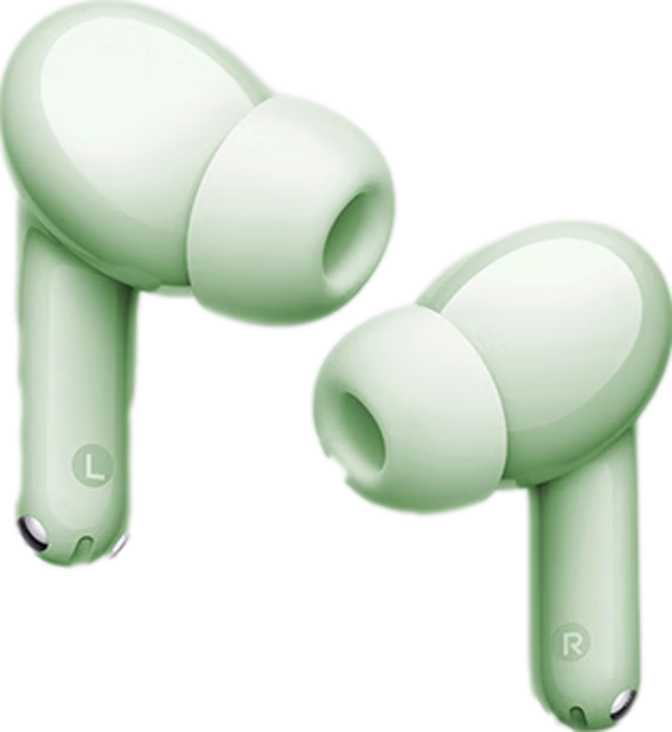
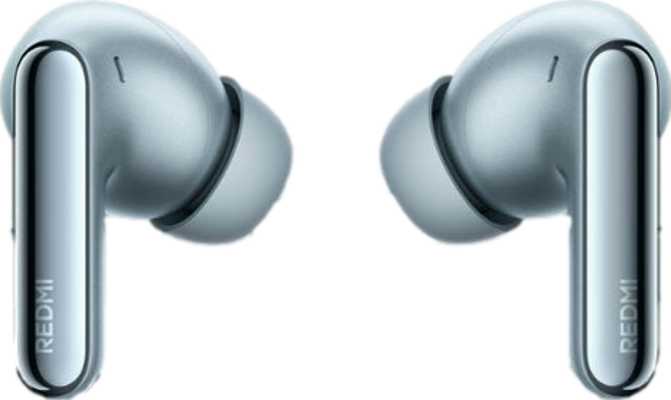
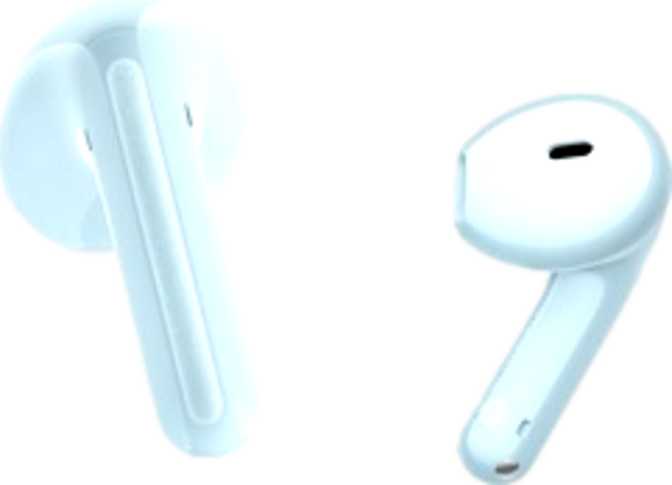
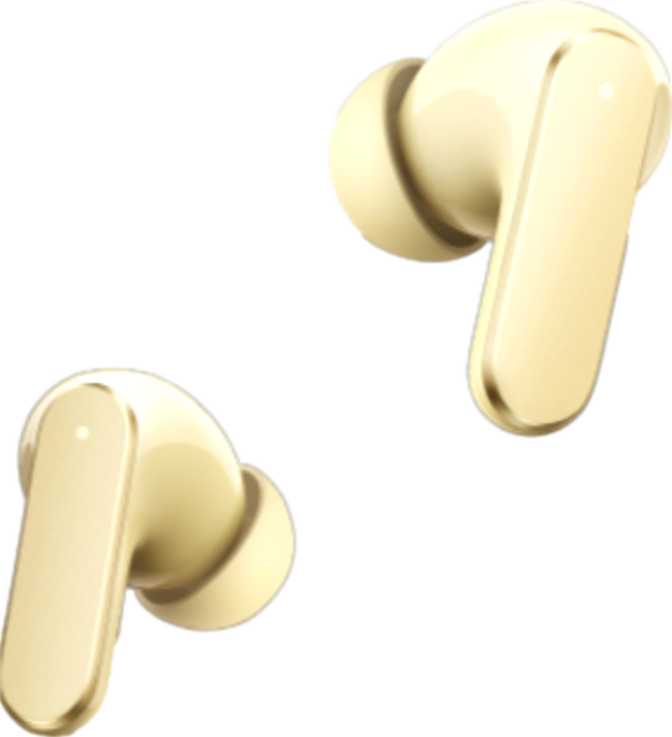
The Buds Air 8 uses a classic in-ear stem design — the earbud body sits inside your ear canal with a short stem hanging toward your jaw. No wingtips or stabilizer fins are included, so fit stability depends entirely on the silicone ear tips and the natural contour of your ear. For most people this is comfortable through commuting, desk work, and light movement. Those who need a fully locked-in fit for intense exercise should test them carefully before committing.
The case charges via USB-C — the current universal standard — and ships with a travel bag, a genuine value-add that many competitors skip at this price. There is no wireless Qi charging, so factor that in if your daily routine revolves around a charging pad.
IP55 certifies protection against low-pressure water jets from any direction and meaningful dust ingress. Gym sessions, light rain, and post-workout rinses are all within tolerance. Full submersion is not covered — but for daily wearables, IP55 is a credible and meaningful real-world standard.
- Fit TypeIn-Ear
- IP RatingIP55
- True Wireless
- Stereo Sound
- USB-C Charging
- Wireless Charging
- Wingtips Included
- Travel Bag Included
Sound Quality
Driver Size and Frequency Range
At the heart of each earbud is an 11mm dynamic driver — on the larger side for in-ear form factors. Bigger drivers move more air, which generally produces fuller bass response and a wider perceived sound stage. The hardware covers the complete span of human hearing from the deepest bass frequencies to the highest audible treble, meaning every element on a recording is within the driver's reach. Tuning and engineering determine the final result, but the hardware foundation is capable.
Active Noise Cancellation
ANC is real and functional here, backed by a six-microphone array. Most budget earbuds run two to three microphones for cancellation; the Buds Air 8 gives the system six acoustic inputs to work with, producing more comprehensive noise sampling and typically broader attenuation. The in-ear seal from the ear tips adds physical blocking of mid and high frequencies. The two systems working in parallel deliver better combined noise reduction than either method alone.
Spatial Audio
Spatial audio processing creates a three-dimensional sound field — instruments and voices feel positioned around you rather than locked inside your head. The effect is most noticeable on orchestral recordings, film soundtracks, and well-produced pop. Note that this is not Dolby Atmos specifically; content encoded exclusively for Atmos will not engage a full Atmos pipeline, but the spatial processing applies broadly to most content types.
Connectivity and Codec Support
What the Codecs Mean for Your Audio
Codecs are the wireless compression formats transmitting audio from your device to the earbuds. The Buds Air 8 leads with LDHC — a hi-resolution wireless codec supporting up to 900kbps bandwidth, putting it in the same performance tier as Sony's LDAC. For listeners with hi-res audio libraries on a compatible Android device, this translates to genuine fidelity that SBC and AAC simply cannot match. AAC is available for Apple device users, delivering meaningfully better quality than the baseline SBC fallback. What is absent — LDAC, any aptX variant, and Bluetooth LE Audio — matters specifically if you are in the Sony or Qualcomm audio ecosystem.
| Codec | Supported | Best For |
|---|---|---|
| LDHC (HWA) | Hi-res Android audio | |
| AAC | iPhone & iPad users | |
| SBC | Universal fallback | |
| LDAC | Sony ecosystem | |
| aptX / aptX HD | Qualcomm devices | |
| Bluetooth LE Audio | Next-gen standard |
Multipoint Pairing and Latency
Three-device multipoint — staying paired to three devices simultaneously — is a feature most competitors reserve for higher price tiers. When your phone, laptop, and tablet are all connected at once, audio shifts automatically to whichever device starts playing without manual re-pairing. That daily friction reduction is genuinely valuable for anyone who moves between screens throughout a workday.
Audio latency sits at 45ms, which is imperceptible for music and casual video watching. For competitive mobile gaming where split-millisecond cues determine outcomes, some dedicated gaming earbuds offer sub-20ms modes. The Buds Air 8 is not built for that use case, but handles all everyday video and streaming content without noticeable sync issues.
Battery Life and Charging
The earbuds carry enough charge for 14 hours of continuous playback under standard conditions. Combined with the case's reserve, total listening time reaches approximately 48 hours before needing a wall outlet. For someone listening six hours a day, that is three full days between cable charges. At the three to four hours typical of daily commuters, a full working week is achievable without anxiety.
Running ANC shortens earbud battery to 8 hours per charge — a meaningful drop, but the case still provides multiple recharge cycles to keep total ANC-enabled endurance substantial. Fast charging support means a brief plug-in delivers usable playback time quickly when you have forgotten to charge overnight. A full charge from empty takes approximately two hours, which is adequate but slower than the quickest options available elsewhere in the market.
Battery Breakdown
Fast charging via USB-C. Full charge from empty takes approx. 2 hours.
Call Quality and Microphone Performance
Six microphones is the headline specification, and the system applies active noise cancellation specifically for outgoing call audio — meaning the microphones work to suppress background noise for the person on the other end of the line, not just for your own listening. In windy environments, busy coffee shops, or commuter transit, this bilateral noise handling matters significantly in practice.
A mute function is accessible directly from the earbud control panel, removing the need to unlock your device and tap a screen during video calls. Voice prompts provide spoken feedback for connection events, battery status, and mode changes — a small but useful feature for staying informed without checking your phone.
- Total Microphones6
- Noise-Canceling Mic
- Mute Function
- Voice Prompts
- Headset Mode
- Control PanelOn Earbud
Key Features at a Glance
Who Should Buy the Realme Buds Air 8
Buy This If You...
- Use Android and want LDHC hi-res wireless audio that SBC and AAC cannot deliver
- Switch frequently between phone, laptop, and tablet throughout the day
- Need earbuds that hold up to gym sessions and outdoor commutes in all weather
- Make frequent calls and need effective microphone noise suppression on both ends
- Want genuine ANC capability without spending mid-range prices to get it
- Travel regularly and appreciate a complete package including a carry bag
Look Elsewhere If You...
- Rely on wireless Qi charging as a core part of your daily routine
- Play competitive mobile games where ultra-low latency audio is non-negotiable
- Depend on Sony LDAC or any aptX variant in your audio pipeline
- Need ANC running continuously for longer than 8 hours per session
- Require wingtip stabilizers for a secure fit during intense physical training
- Are an Apple user expecting Dolby Atmos or full iOS ecosystem integration
How It Compares to the Alternatives
The Buds Air 8 sits in a crowded segment. Here is how it stacks up against a typical budget ANC rival and a step-up mid-range option across every feature that materially affects daily use.
| Feature | Realme Buds Air 8 | Budget ANC Rival | Mid-Range Alternative |
|---|---|---|---|
| ANC | Yes | Limited | Stronger |
| Multipoint Devices | 3 | 2 | 2 |
| Hi-Res Codec | LDHC | Rarely | LDAC / aptX HD |
| Microphone Count | 6 | 2–4 | 4–6 |
| IP Rating | IP55 | IPX4–IPX5 | IP54–IP57 |
| Wireless Charging | Varies | Often Yes | |
| Spatial Audio | Rarely | ||
| Total Battery (Case) | ~48 hrs | 24–30 hrs | 30–36 hrs |
Honest Assessment: Strengths and Limitations
The Buds Air 8's strongest argument is how little it compromises. Most earbuds at this price tier make obvious cuts — fewer microphones, limited ANC, no spatial audio, or two-device multipoint at best. The Buds Air 8 consistently lands closer to mid-range specifications across nearly every metric that matters for daily use.
The limitations are real but predictable at this price tier. None are dealbreakers for the intended audience, but they are worth knowing clearly before purchase.
Common Questions Answered
Final Recommendation
The Realme Buds Air 8 earns its consideration through consistent feature delivery rather than a single headline specification. The combination of six-microphone ANC, three-device multipoint, LDHC hi-res codec, spatial audio, and IP55 protection in a single budget package is genuinely uncommon and delivers real value for the right buyer.
Its limitations — no wireless charging, 8-hour ANC endurance, and absent LDAC or aptX support — are real but predictable trade-offs for its price tier. None are dealbreakers for the audience this product is built for.
Buy Confidently If...
You are an Android user wanting capable ANC, flexible multi-device pairing, and reliable weather resistance — without paying mid-range prices to get them.
Look Elsewhere If...
Wireless charging, ANC sessions exceeding 8 hours, or Sony/Qualcomm codec compatibility are non-negotiable requirements in your setup.
Realme Buds Air 8