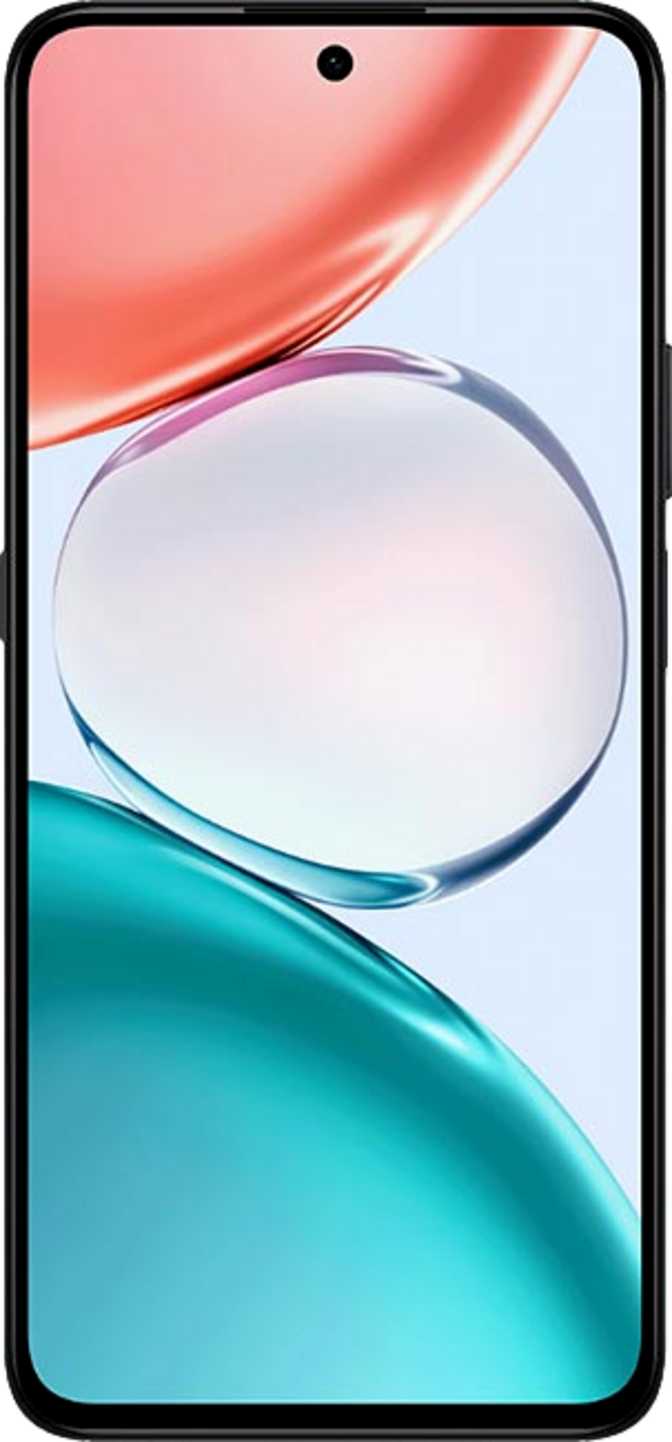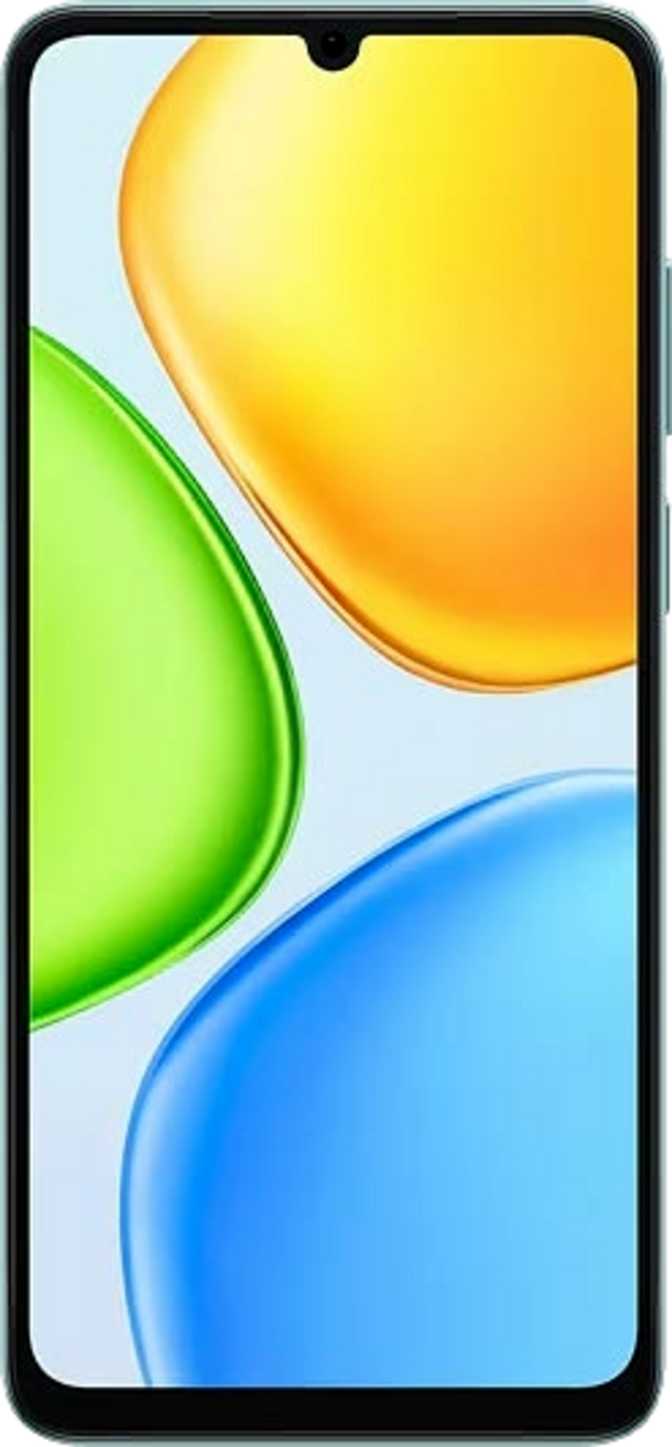
Honor Play 80 Full Review: 5G, 256GB, and IP65 at a Budget Price
SmartphonesAt a Glance
Overall Score
out of 10
Score Breakdown
Key Takeaways
- IP65 protection for rain and daily wear
- 256GB storage — no constant juggling
- 5,300mAh for genuine multi-day endurance
- 5G and NFC at a budget price point
- Android 15 out of the box
- 720p display on a 6.75-inch screen
- Only 15W charging for a large battery
- No headphone jack or microSD slot
Design and Build
Slim, light, and properly protected — a budget phone that defies size expectations.
At 7.9mm thick, the Honor Play 80 is genuinely slim for a device carrying this screen size and battery capacity. Most phones packing a large cell come with added bulk as a natural trade-off — this one avoids it. At 186 grams the phone sits comfortably during extended sessions, and its tall-narrow footprint (167mm tall, 77mm across) keeps it manageable in a pocket despite the generous display.
The IP65 certification is a meaningful differentiator at this price. Full dust protection and resistance to directed water jets means rain, kitchen splashes, and outdoor conditions are all covered without hesitation. This is not a submersion rating — prolonged time in standing water remains a risk — but for everyday real-world conditions the protection is genuine and reassuring where most rivals offer nothing.
IP65 Explained: The "6" means fully sealed against dust. The "5" means protected against water jets from any direction. This covers rain, splashes, and cleaning — not submersion or swimming.
The display is shielded by damage-resistant glass, providing meaningful scratch protection during daily carry. One notable omission is the 3.5mm headphone jack — wired audio requires a USB-C adapter, which may or may not be included in the retail box.
Physical Specifications
| Height | 167 mm |
| Width | 77 mm |
| Thickness | 7.9 mm Slim |
| Weight | 186 g |
| IP Rating | IP65 |
| Damage-Resistant Glass | Yes |
| Headphone Jack | No |
| MicroSD Slot | No |
| Foldable | No |
Display: Big Screen, Honest Trade-Offs
Size and smoothness take priority here. Pixel sharpness does not.
Size and Refresh Rate
The 6.75-inch panel is the first thing you notice, and it earns its keep. Streaming video, browsing articles, and scrolling social feeds all benefit from the generous canvas. The 90Hz refresh rate — a step above the 60Hz standard still common in this price range — makes animations and scrolling noticeably smoother. Once you have used a 90Hz screen, 60Hz starts to feel sluggish by comparison.
Resolution Reality Check
The panel renders at 720 x 1600 pixels, producing approximately 260 pixels per inch at this screen size. Individual pixels become distinguishable at close range — fine text and diagonal lines appear soft compared to a 1080p display. For social media and video streaming at typical mobile bitrates, this is acceptable. For reading dense documents or editing photos directly on-screen, the softness becomes genuinely noticeable. This is the most significant daily compromise on the Honor Play 80, and buyers should weigh it honestly against their use patterns.
Colour and HDR
The LCD panel delivers clean, natural colours for everyday content. Neither HDR10 nor Dolby Vision is supported, meaning streaming services that offer high dynamic range content will render it in standard dynamic range only. For casual viewing this is invisible; for anyone building a home media setup around a phone screen, it is worth knowing before purchase.
Display Specifications
| Panel Type | LCD |
| Screen Size | 6.75 inches |
| Resolution | 720 x 1600 (HD+) |
| Pixel Density | 260 ppi |
| Refresh Rate | 90Hz |
| Protected Glass | Yes |
| HDR10 | No |
| Dolby Vision | No |
| Always-On Display | No |
| Curved Display | No |
Performance: The Dimensity 6300 in Practice
An efficient 6nm chip built for everyday-first priorities, with genuine multitasking headroom.
Chipset and Architecture
The MediaTek Dimensity 6300 is built on a 6-nanometre fabrication process. That number matters practically: smaller transistors consume less power per operation — directly contributing to battery stamina — and generate less heat during sustained workloads. This is not a showpiece chip, but it is an efficient one that suits the Honor Play 80's priorities well.
The eight-core configuration splits into two performance cores running at 2.4GHz and six efficiency cores at 2.0GHz. The processor's dynamic scheduler assigns tasks to the appropriate cores in real time — demanding work gets the faster pair, background processes run on the efficient six. In daily use, this means responsive app switching, quick browser loading, and a system that doesn't hesitate.
Eight gigabytes of RAM provides multitasking headroom that older budget chips simply couldn't offer. Background apps stay resident longer before being refreshed, which means returning to a paused article or half-typed message without a reload. The 256GB of internal storage completes a configuration that is genuinely generous by budget phone standards.
Chipset Specifications
| Chipset | Dimensity 6300 |
| Fabrication Node | 6nm |
| CPU Configuration | 8 cores (2+6) |
| Peak Clock Speed | 2.4 GHz |
| GPU | Mali-G57 MC2 |
| RAM | 8GB DDR4 |
| Internal Storage | 256GB |
| 64-bit Support | Yes |
| big.LITTLE | Yes |
Geekbench 6 Benchmark Scores
What the Numbers Mean for You
- Messaging and social media
All platforms run without lag, even with many threads and tabs open simultaneously. - Streaming and web browsing
Video playback and general browsing are smooth at all times without stuttering. - Casual and mid-tier gaming
Light and mid-tier titles play comfortably without any manual adjustments needed. - Demanding 3D titles
Graphically intensive games require reduced settings to maintain acceptable frame rates.
Camera System: Functional, Not Impressive
Reliable for everyday moments. Not designed with photography enthusiasts in mind.
Camera Features
- Phase-detection autofocus
- Continuous AF during video recording
- HDR mode for high-contrast scenes
- Manual ISO control
- Manual white balance
- Manual exposure control
- Manual focus
- Burst (serial shot) mode
- Panorama mode
- Timelapse recording
- No RAW file capture
- No laser autofocus
Video Specifications
| Max Resolution | 1080p |
| Max Frame Rate | 30fps |
| 4K Recording | No |
| 60fps at 1080p | No |
| Slow Motion | Yes |
| Timelapse | Yes |
| OIS | No |
| HDR Video | No |
Battery Life: Where This Phone Genuinely Excels
The strongest argument for choosing the Honor Play 80 lives in its endurance.
What 5,300mAh Means in Practice
Many flagship phones ship with 4,500mAh cells, and a significant portion of budget devices use even less. The Play 80's larger reserve, combined with the power-efficient 6nm chip, means a full day of moderate to heavy use — calls, social media, streaming, and navigation — without watching the battery percentage nervously. Light users will regularly stretch into a second day before needing to find a charger.
The efficiency advantage of the Dimensity 6300 compounds the raw capacity benefit. Completing the same tasks simply consumes less power than on an older, less refined chip. The battery and chipset work together here in a way the spec sheet alone doesn't fully convey.
Charging Speed in Context
At 15W, filling the cell from flat takes approximately 90 minutes to two hours. This works comfortably for overnight charging but lags for quick top-ups before heading out. Budget phones at comparable prices increasingly offer 25W or 33W charging — worth factoring in if speed matters as much as stamina.
Connectivity: 5G, NFC, and All the Essentials
Future-ready networking at a budget price — with a few important gaps to know about.
Full Connectivity Breakdown
| 5G / LTE | Integrated 5G |
| Wi-Fi | Wi-Fi 4 + Wi-Fi 5 |
| Bluetooth | 5.3 |
| NFC | Yes — contactless pay |
| USB Port | USB-C (USB 2.0) |
| SIM Slots | Dual SIM |
| Satellite Navigation | GPS + Galileo |
| Fingerprint Scanner | Yes |
| Accelerometer | Yes |
| MicroSD | No |
Notable Sensor Absences
- No Gyroscope
AR applications, gyro-based aiming in mobile games, and some navigation features will not function. This affects a growing set of popular apps. - No Compass
Direction-finding and heading-based map features are unavailable without a dedicated magnetometer sensor. - Wi-Fi 5, Not Wi-Fi 6
Perfectly adequate for most home networks. On heavily congested setups with many connected devices, Wi-Fi 6 efficiency advantages won't apply. - USB 2.0 Transfer Speed
Wired data transfers are slow by current standards. Moving large video files to a computer requires patience.
Software: Android 15 with Honor's Layer
A current Android version, a comprehensive feature set, and a thorough privacy toolkit.
Standout Software Features
- Android 15 — current OS version
- Split-screen multitasking
- Picture-in-picture (PiP) mode
- Dark mode
- Dynamic theming and theme customisation
- Live Text — text recognition inside photos
- Full-page (scrolling) screenshots
- Offline voice recognition
- Battery health monitoring
- Extra dim mode for nighttime use
- Widget support and home screen customisation
- Multi-user profiles and child lock
Privacy and Security Controls
- Granular location privacy controls
- Camera and microphone access controls
- App tracking restrictions
- Clipboard usage warnings
- Customisable notification permissions
- On-device machine learning — no cloud dependency
OS Update Timing: Updates are delivered through Honor's own channel rather than directly from Google. Delivery may lag behind the standard Android release schedule.
Who Should Buy the Honor Play 80?
This phone has a clear identity. Knowing your own priorities makes the call straightforward.
This Is the Right Phone If...
- Battery life tops your priority list.
The 5,300mAh cell with an efficient chip delivers multi-day endurance that rivals at this price genuinely can't match. - You want 256GB of storage from day one.
No managing space, no culling apps. Room for years of photos and a full library of apps from the start. - Future-proofing your network connection matters.
5G means this phone won't need replacing just because your carrier expanded its coverage area. - IP65 everyday protection is important.
Rain, splashes, and outdoor conditions are genuinely covered — where many rivals at this price offer nothing at all. - NFC tap-to-pay is a daily essential.
Works natively with Google Pay and compatible banking apps — not a feature you should have to hunt for at this price.
Look Elsewhere If...
- A sharp display is non-negotiable.
The 720p panel shows visible softness every day. Competitors at comparable prices offer 1080p. - Photography is a major buying reason.
The 13MP camera without OIS will frustrate anyone who takes mobile photography seriously. - You use wired earphones daily.
No 3.5mm jack means a USB-C adapter every time — genuine daily friction for wired audio users. - Fast charging matters to you.
15W takes close to two hours from flat. Rivals at this price point offer 25W to 33W. - You rely on gyroscope-dependent features.
No gyroscope means AR navigation and gyro-aiming mobile games simply will not function.
How the Honor Play 80 Compares
Storage, battery, and protection are where it leads. Display sharpness and camera are where rivals gain ground.
| Feature | Honor Play 80 | Budget Rival A | Budget Rival B |
|---|---|---|---|
| Screen Size | 6.75" | 6.6" | 6.7" |
| Display Resolution | 720p HD+ | 1080p FHD+ | 720p HD+ |
| Refresh Rate | 90Hz | 90Hz | 60Hz |
| Chipset Node | 6nm | 6nm | 12nm |
| RAM | 8GB | 6GB | 4GB |
| Internal Storage | 256GB | 128GB | 128GB |
| Battery Capacity | 5,300mAh | 5,000mAh | 5,000mAh |
| IP Rating | IP65 | IP52 or None | None |
| 5G Support | Sometimes | Rarely | |
| NFC | Sometimes | Rarely | |
| Headphone Jack | Sometimes | ||
| MicroSD Slot |
Honest Assessment: Strengths and Weaknesses
A phone with a clear identity — and that clarity is worth respecting.
Genuine Strengths
The battery endurance compounds powerfully with the efficient 6nm chipset — a larger cell on an older, inefficient chip wouldn't deliver the same gains. These two advantages reinforce each other in ways the spec sheet alone doesn't convey, and the result is a phone that genuinely lasts.
The 256GB base storage resolves one of the most persistent frustrations of budget phones. Users spend less time managing space, offloading photos, or uninstalling apps to make room. That daily friction simply disappears, and that's meaningful.
The combination of 5G, NFC, and IP65 protection at this price point is difficult to match in a single device. Honor has prioritised the connectivity and durability features that matter most to everyday users, and the result feels meaningfully more complete than the price tag suggests.
Real Weaknesses
The 720p display is the most visible daily compromise. Its softness affects reading, streaming, and on-screen detail in ways that are hard to ignore once noticed — and on a 6.75-inch screen, the resolution gap compared to a 1080p panel is larger than it would be on a smaller display.
The camera lags behind what current rivals offer. Competitors now ship 50-megapixel sensors with wider apertures at comparable prices. The Play 80's 13MP main camera without optical stabilisation produces images that work for social sharing — and little more than that.
The 15W charging speed feels out of step with the phone's core identity. A device this focused on battery endurance would benefit meaningfully from faster charging, and 25W or 33W solutions already exist in rival phones at this price range.
Frequently Asked Questions
The questions buyers actually search before making a purchase decision.
A Phone That Knows What It Is
Deliberate choices. Honest trade-offs. Strong fundamentals.
The Honor Play 80 is a phone with a clear identity, and clarity is worth respecting. It doesn't try to be a flagship in disguise — it makes deliberate choices that serve a specific buyer well and leaves others underserved. If your priorities align with its strengths, it delivers on each of those promises without asterisks.
The battery endurance is class-leading, the 256GB base storage removes a common budget-phone frustration entirely, and the combination of 5G, NFC, and IP65 protection at this price is genuinely difficult to match. The slim build for a large-battery phone shows real engineering care, and Android 15 keeps the software current. Where it asks for compromise — the 720p display, the modest camera, the slow charging — those weaknesses are equally clear and should be weighed honestly against your personal priorities.
Buy It If:
Battery endurance, 256GB storage, 5G, NFC, and IP65 protection matter more to you than display sharpness or camera performance.
Skip It If:
A sharp display, capable camera, headphone jack, or fast charging sit at the top of your personal priority list.