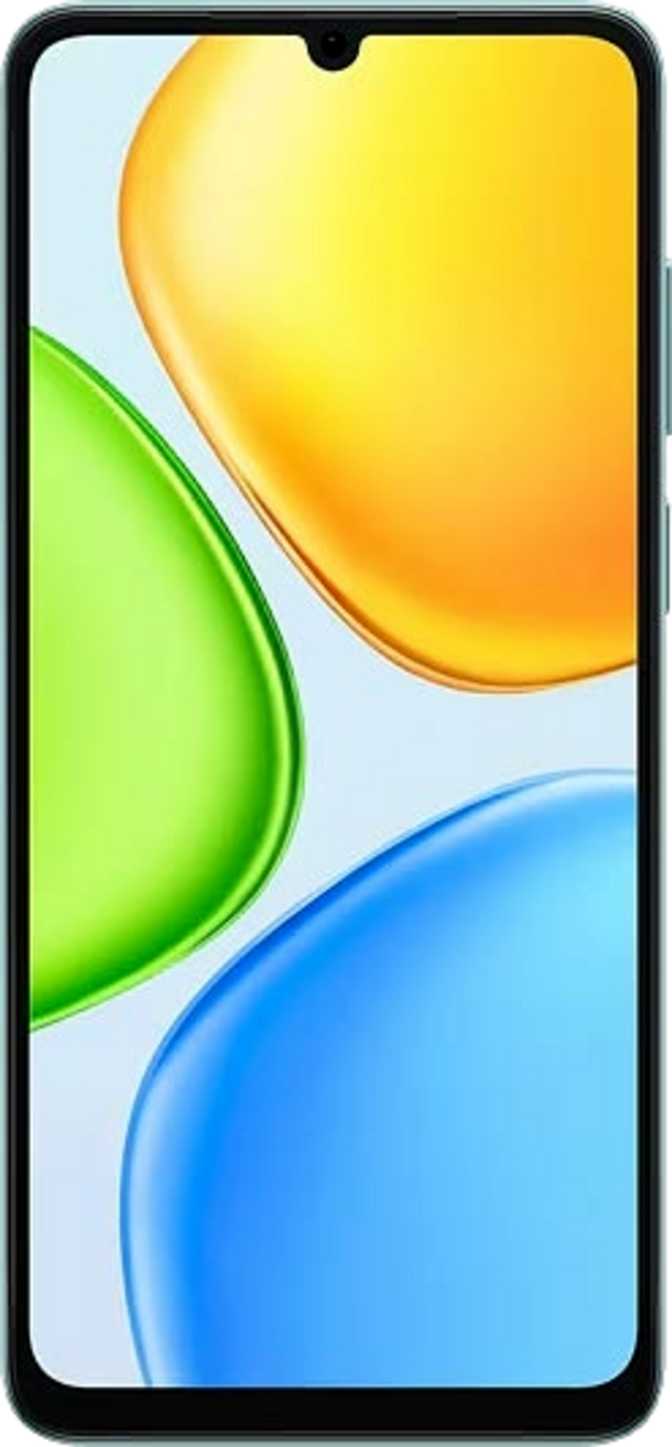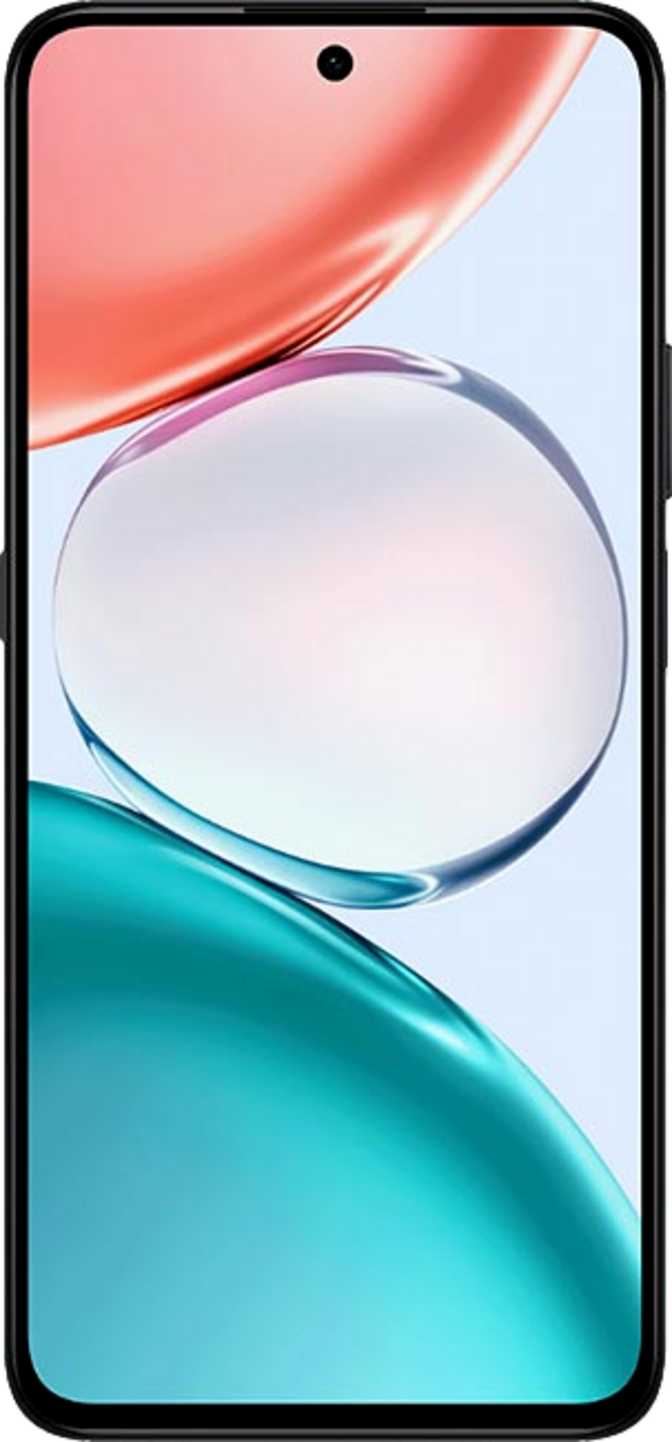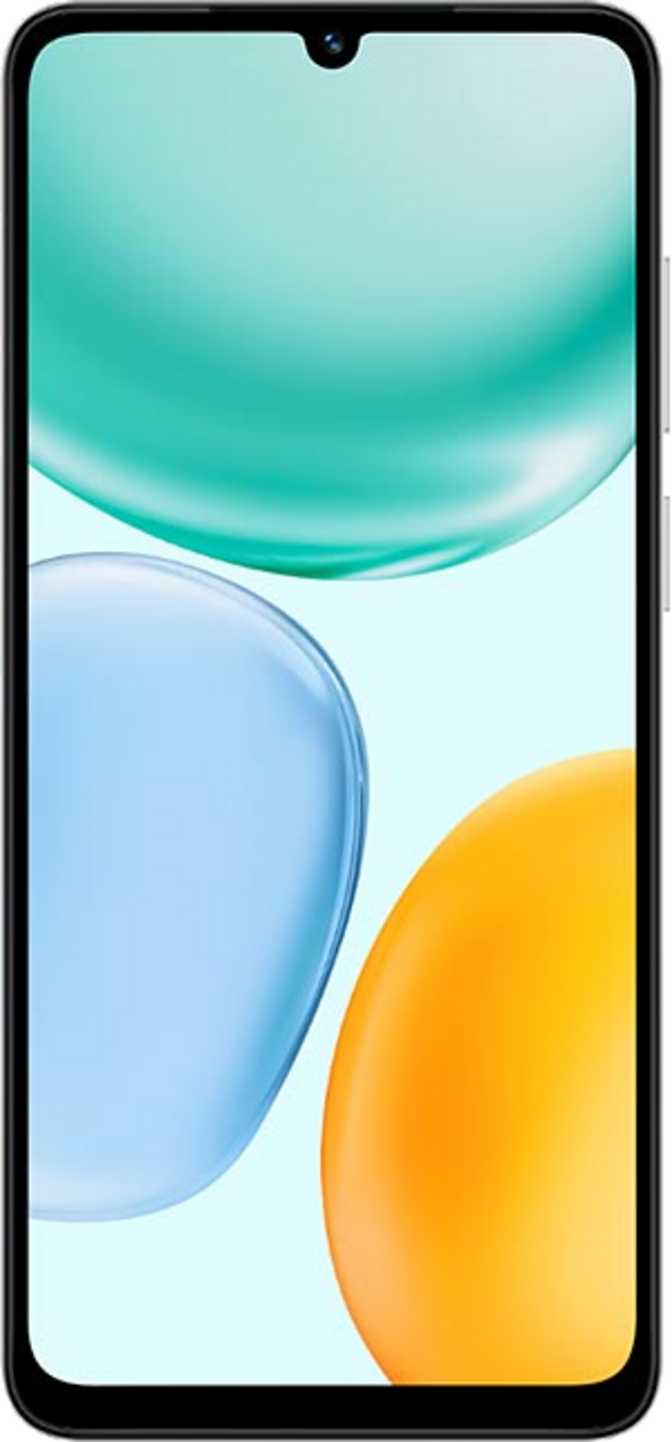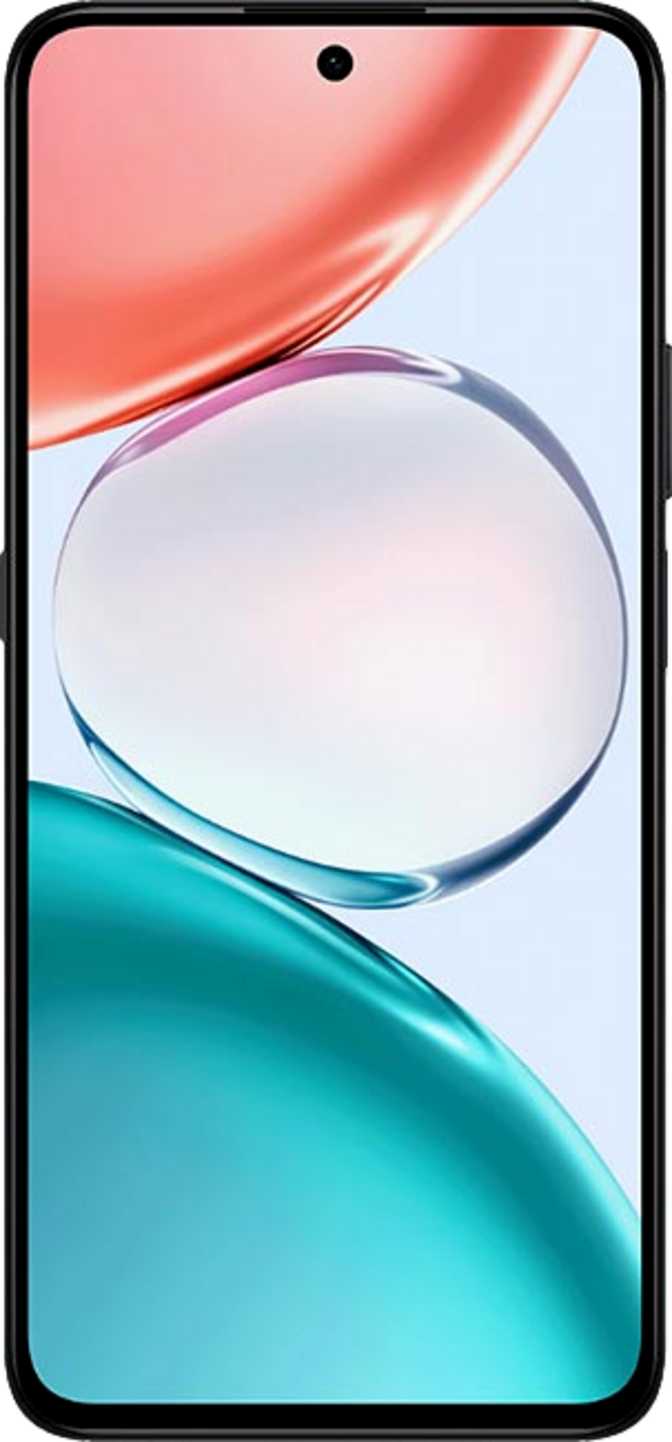
Honor Play 80 Pro Full Review: The Battery Champion Worth Knowing
SmartphonesOverall Score / 10
Performance at a Glance
There's a particular type of phone buyer who has been underserved for years — someone who wants a genuinely large screen, enough processing power to handle a full day of real work, and a battery that simply doesn't quit, all without paying flagship prices. The Honor Play 80 Pro is built squarely for that person. It isn't trying to be the fastest phone on the market or the one with the most sophisticated camera system. What it is trying to do is deliver a confident, complete daily driver experience at a price point where compromises usually feel unavoidable. Whether it actually succeeds is what this review is here to determine.
Design and Build Quality
A Phone Built to Be Held All Day
The Honor Play 80 Pro is a large phone — there's no sugarcoating that. At 166.9 mm tall and 76.8 mm wide, it sits firmly in what manufacturers call "max" or "plus" territory. People with smaller hands will need two hands for comfortable one-handed use, and that's simply a reality to factor in before purchasing.
What partially redeems the size is the thickness. At 8.2 mm, this is not a thick slab — it's slimmer than many phones carrying far smaller batteries, which speaks to genuine engineering care in how the internals are packaged. The weight of 207 grams is noticeable in a trouser pocket, but manageable for a device with this level of internal capacity.
The display uses branded damage-resistant glass, providing a meaningful layer of scratch and impact protection — a detail that matters for a phone likely to spend years in pockets and bags without a case.
IP65 means the phone is fully protected against dust ingress and can withstand sustained jets of water from any direction.
- Rain and heavy splashes
- Sweat during exercise
- Sink and kitchen splashes
- Not rated for submersion
Display: Big Screen, Honest Trade-offs
The 6.8-Inch Panel Up Close
The Honor Play 80 Pro uses a 6.8-inch IPS LCD panel with a resolution of 720 × 1610 pixels, delivering around 259 pixels per inch. For context, most people begin to notice individual pixels below approximately 250 ppi, and users with sharper vision can detect the difference below 300 ppi when reading fine text or examining photo detail closely.
At normal viewing distances — scrolling social feeds, watching video, reading articles — the display is entirely serviceable. Colors are reasonably natural courtesy of IPS technology, and brightness handles most indoor environments well. Where the lower resolution becomes apparent is in high-detail content like fine document text or zoomed-in photography viewed up close.
No HDR10, HDR10+, or Dolby Vision support. Streaming content on Netflix and similar platforms plays in standard dynamic range only. There is also no Always-On Display functionality — the screen is either fully on or fully off.
120Hz: The Standout Feature
The 120Hz refresh rate is the display's genuine highlight. Scrolling through feeds, navigating menus, and playing games all feel noticeably smoother than on 60Hz phones — a feature that was, until recently, confined to premium devices.
For users upgrading from an older budget phone, the fluidity of 120Hz is often the first thing they notice and appreciate. It elevates the everyday feel of the entire interface, not just gaming.
- Screen Size
- 6.8 inches
- Panel Type
- IPS LCD
- Resolution
- 720 × 1610 px
- Pixel Density
- 259 ppi
- Refresh Rate
- 120Hz
- HDR
- None
- Always-On
- Not available
Performance: What the Snapdragon 6s Gen 3 Delivers
The Chipset in Context
The Qualcomm Snapdragon 6s Gen 3 is a mid-range processor built on a 6-nanometer manufacturing process. The 6nm node places it in the same manufacturing tier as chips found in mid-to-upper mid-range devices, meaning it runs cooler and more efficiently than older, larger-process chips while delivering more performance per watt — a critical combination for a phone positioned around endurance.
The CPU uses a big.LITTLE arrangement: two higher-performance cores running at up to 2.3 GHz handle demanding tasks, while six efficiency-focused cores at 2.0 GHz manage routine work and conserve battery. This architecture is precisely why a large-battery phone can be both powerful and long-lasting — the chip actively steps down to lower power states when full speed isn't needed.
The Adreno 619 GPU, with DirectX 12 and OpenGL ES 3.2 support, positions this phone as a capable casual-to-mid-tier gaming device. Popular titles — battle royale games, MOBAs, racing games, RPGs — run well at medium to high settings. Those chasing maximum frame rates in the most graphically intense titles at highest settings will want to look at flagship-tier hardware.
12GB RAM: Genuinely Generous
At this price point, 12GB of RAM is a standout. The phone holds a large number of apps in memory simultaneously — switching between navigation, messaging, streaming, and reading apps without any needing to reload is a realistic daily experience for even heavy multitaskers.
256GB Storage: No Anxiety
Thousands of photos, tens of apps, downloaded media, and offline maps will comfortably fit without storage management anxiety. Important caveat: there is no microSD card slot, so 256GB is your total available space and it cannot be expanded.
Camera System: Capable Within Its Category
Main Camera
The rear camera centers on a 50-megapixel primary sensor with an f/1.8 aperture. The aperture is the more important number here — it determines how much light reaches the sensor, which directly impacts quality in indoor and low-light conditions. An f/1.8 lens gathers substantially more light than f/2.0 or f/2.2 lenses found on some competitors at this price tier.
For focusing, the camera uses phase-detection autofocus, which is fast and reliable for still photography and for tracking moving subjects. Continuous autofocus during video recording keeps subjects sharp as they move through the frame. However, the sensor is not back-side illuminated (BSI), which does limit the low-light ceiling — BSI sensors typically perform better in dim environments because of how they route light to photodetectors.
- No optical image stabilization (OIS) — more susceptible to hand-shake blur in low light
- Video maxes at 1080p / 30fps — no 4K recording available
- No RAW shooting format for post-processing
- No optical zoom — digital zoom only
The 5-megapixel selfie camera with an f/2.2 aperture is functional for video calls and casual self-portraits. It is not a highlight of the device.
Content creators and frequent video callers who prioritize front camera quality should consider alternatives with higher-resolution selfie sensors. The front camera has no dedicated flash.
Battery Life: The Core Strength of This Phone
This is where the Honor Play 80 Pro makes its most compelling argument. Most mainstream phones carry batteries significantly smaller — often nearly half the capacity or less. The difference in day-to-day life is profound.
Where a typical phone demands a charge every evening, this battery, paired with the efficient 6nm chipset, can realistically carry moderate-to-heavy users through two full days on a single charge. Light users may comfortably reach three days.
This matters in specific, real ways: overnight travel without a charger, long shifts where power access isn't guaranteed, or simply the freedom to stop mentally tracking battery percentage throughout the day.
45W Fast Charging
When charging is needed, 45W wired fast charging delivers substantially faster top-up speeds than the 10–18W charging that characterizes many devices in this tier.
No Wireless Charging
Neither wireless charging nor reverse wireless charging is supported. Users already invested in wireless charging hardware will need to reach for a cable instead.
Connectivity: Modern Where It Counts
5G and Network Performance
5G connectivity is present, with the modem capable of download speeds up to 2,500 Mbps on supported networks. In areas with strong 5G coverage, streaming, web browsing, and app downloads load at speeds that make the connection effectively invisible as a bottleneck.
Wi-Fi covers both Wi-Fi 4 and Wi-Fi 5 standards. Wi-Fi 6 is not supported. For home networks and most public environments, Wi-Fi 5 is entirely sufficient; users on Wi-Fi 6 setups will not see the full benefit of their router hardware with this phone.
NFC is included, enabling contactless payments via Google Pay and similar services — a feature that some phones at this price level omit. GPS is present alongside Galileo satellite support, which improves positioning accuracy in urban environments with partially obstructed sky views.
Connectivity at a Glance
Software: Android 15, Privacy, and Daily Features
The Honor Play 80 Pro ships with Android 15, bringing a current and feature-complete software foundation. The privacy toolkit is well-rounded: granular camera and microphone access controls, app tracking restrictions, location privacy options, and clipboard access notifications all ship out of the box — not as afterthoughts, but as a cohesive privacy posture.
The software does not receive direct OS updates from Google — updates are mediated through Honor. This is standard for manufacturer-skinned Android phones, but it means update timing and long-term support depend on Honor's own commitments rather than Google's schedule. Worth factoring in if longevity is important to you.
Key Software Features
Who Should Buy the Honor Play 80 Pro
-
Heavy daily usersThose who end every day at 20% battery and are tired of hunting for chargers
-
Travelers and remote workersPeople who can't always guarantee access to power throughout the day
-
Media consumersA large, smooth-scrolling screen for video, social media, and long reading sessions
-
Budget-conscious buyersThose who want 12GB RAM and 256GB storage without paying flagship prices
-
Upgraders from older devicesWill immediately feel the performance leap and the smoothness of 120Hz
-
Photographers and videographersNeed OIS, 4K recording, or strong low-light camera performance
-
Selfie-focused usersFront camera quality is below expectations for content creation
-
Display quality seekersThose who want OLED richness, HDR support, or higher pixel density
-
Wired audio usersNo headphone jack — an adapter is required for 3.5mm connectivity
-
Peak-performance gamersChasing maximum settings and benchmark-topping frame rates
How It Compares to the Competition
Understanding where the Honor Play 80 Pro sits requires looking at the full picture — not just price, but the specific trade-offs each category of phone makes. The table below reflects category norms, not named individual models.
| Feature | Honor Play 80 Pro | Typical Budget Rival | Typical Premium Mid-Range |
|---|---|---|---|
| Battery Capacity | 7,000 mAh (exceptional) | 4,000–5,000 mAh | 4,500–5,000 mAh |
| RAM | 12GB | 4–6GB | 8–12GB |
| Internal Storage | 256GB | 64–128GB | 128–256GB |
| Display Refresh Rate | 120Hz | 60–90Hz | 120Hz |
| Water Resistance | IP65 certified | None or IP52 | IP67–IP68 |
| 5G Support | Yes | Sometimes | Yes |
| NFC | Yes | Rarely | Usually yes |
| Optical Stabilization | No OIS | Rarely present | Usually present |
| Front Camera | 5MP | 8–13MP | 16–32MP |
| Headphone Jack | No | Often present | Varies |
| Wireless Charging | No | Rarely | Sometimes |
The Full Honest Picture
Where It Excels
The Honor Play 80 Pro's identity is built on battery life, and that specification fundamentally changes how you interact with your phone. The large battery capacity is not a marketing bullet point — the anxiety of midday battery checks, the hunt for an outlet in a hotel lobby, the social calculation of whether to use navigation or save power for later — these daily frustrations largely disappear.
Paired with 12GB of RAM and 256GB of storage, the phone delivers a memory and storage experience that out-classes much of its competition at this price tier. The 6nm chip with its efficiency-focused architecture is well-matched to the battery, ensuring the large capacity translates into actual endurance rather than simply compensating for an inefficient processor.
The 120Hz display, IP65 protection, NFC, and 5G connectivity round out a feature set that is genuinely competitive. These aren't premium features sneaking into a mid-range phone by accident — they represent deliberate choices to give buyers a complete, modern experience.
Where It Asks for Patience
The display's resolution ceiling is the most significant daily limitation. At 259 ppi, this screen will never impress someone who has used a higher-resolution panel. The IPS technology, while reliable and color-accurate, lacks the punch and contrast of OLED — black levels appear grey rather than true black, visible in dark scenes on video and in dark-mode interfaces.
The camera system does its job competently in good light but struggles in challenging conditions partly due to the absence of OIS and BSI sensor technology. The 5-megapixel front camera is below expectations for anyone who treats selfie quality as a meaningful daily feature.
The absence of a headphone jack, in a phone pitched at value-focused buyers who likely own wired headphones, is a genuine inconvenience rather than a minor one. USB 2.0 speeds also make offloading large video files a noticeably slow process.
Questions Buyers Ask Before Purchasing
Final Verdict
Honor Play 80 Pro — Purchase Recommendation
The Honor Play 80 Pro is a phone with a clear mission and strong conviction in how it executes on that mission. If battery endurance, generous storage, and smooth performance are your priorities, this phone delivers all three at a price where delivering even one convincingly is difficult. It is not the right choice for buyers who demand camera excellence, display vibrancy, or headphone jack convenience — and it makes no pretense of being those things.
For the buyer who is simply tired of their phone dying before dinner, tired of managing storage, and tired of a sluggish 60Hz screen — the Honor Play 80 Pro is a direct, substantive answer. It does the fundamentals exceptionally well, and for a large portion of smartphone users, the fundamentals are exactly what matters most.
You prioritize multi-day battery life, smooth 120Hz performance, ample RAM, and abundant storage in one mid-range package — and can accept a lower-resolution LCD display and capable-but-not-exceptional cameras.
Camera quality, OLED display richness, higher pixel density, a headphone jack, or OIS video stabilization are non-negotiable requirements for your daily routine.