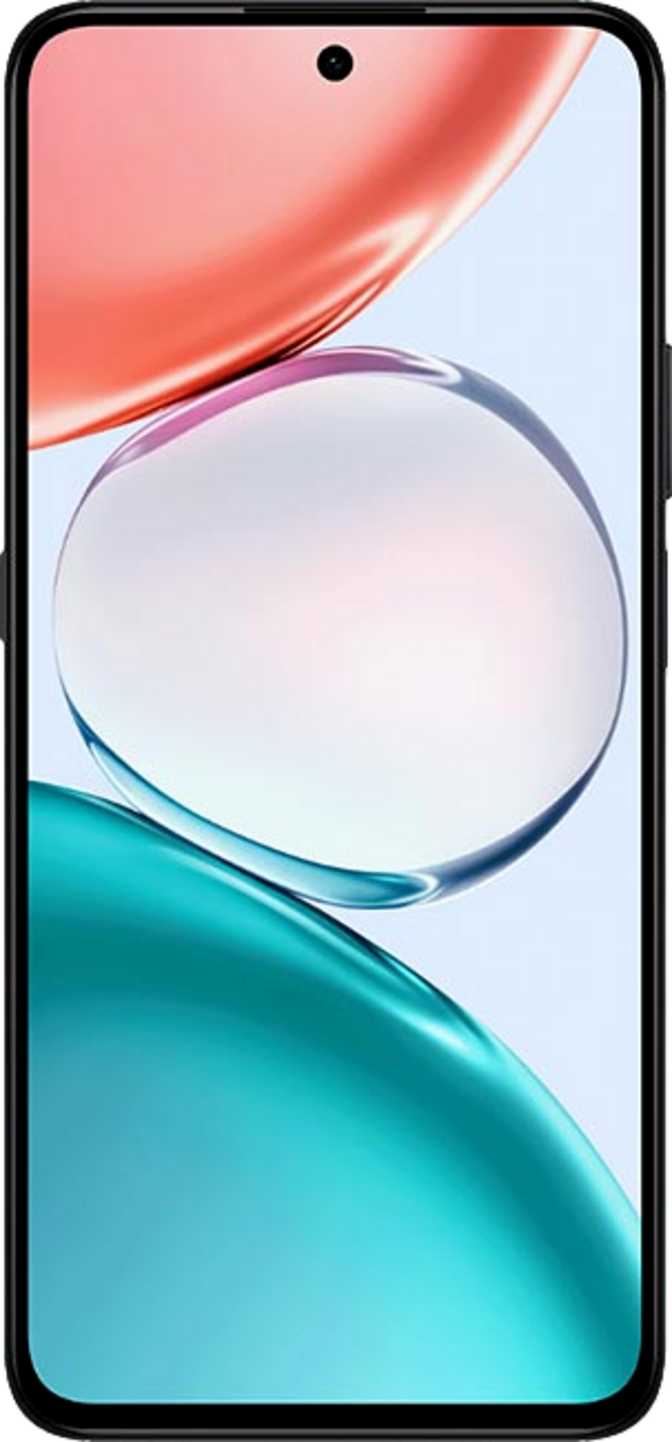
Honor Play 80 Plus Review: Big Battery Life and Real Trade-offs
SmartphonesThere is a specific kind of buyer the Honor Play 80 Plus is built for — someone who wants a large-screen Android phone with 5G, a full day's battery life, and enough headroom to handle daily tasks without throttling, all while keeping costs low. Honor has clearly targeted the value-focused mid-range with this device, and most of its design choices make sense within that goal. Whether those choices add up to a smart buy depends entirely on what you prioritize.
This is not a phone trying to compete with flagship killers. It is a phone trying to be reliable, uncomplicated, and good enough at everything — a harder goal than it sounds.
EDITOR'S RATING
4.0 / 5
Recommended for value-focused buyers
Design and Build Quality
Dimensions, durability, and physical experience
Dimensions and Feel in Hand
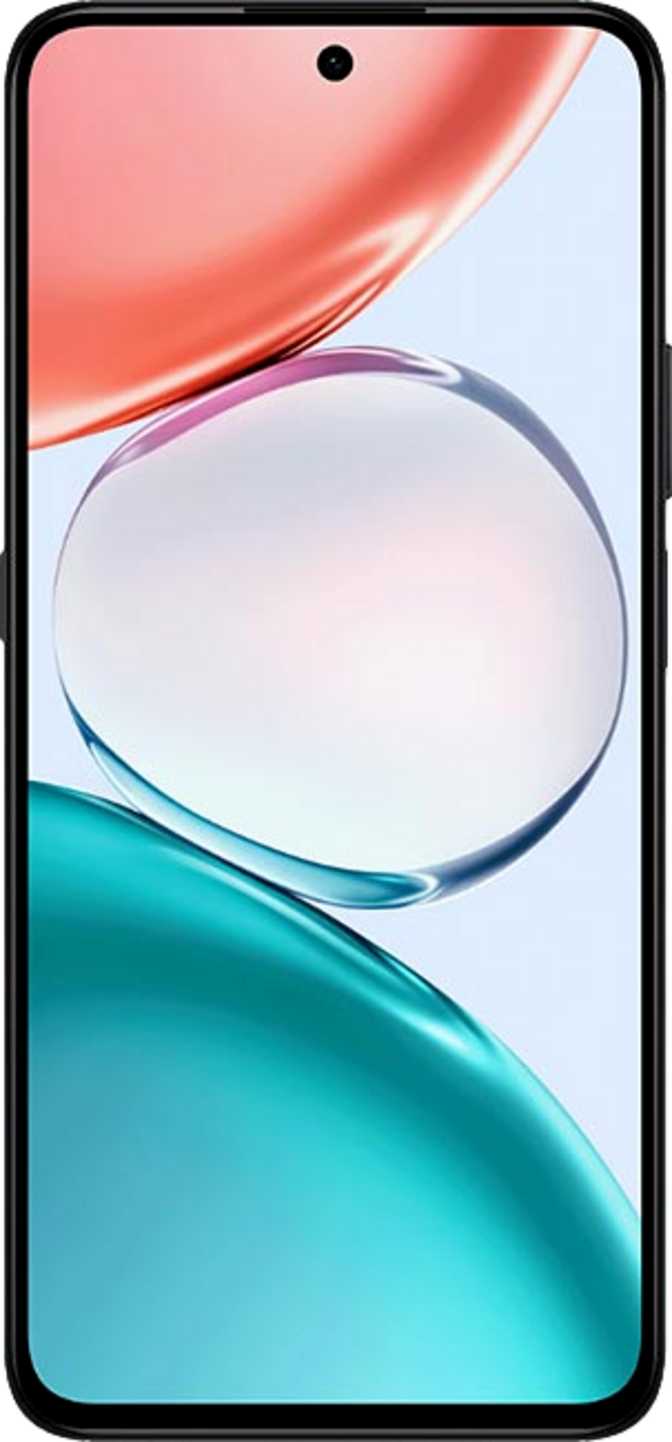
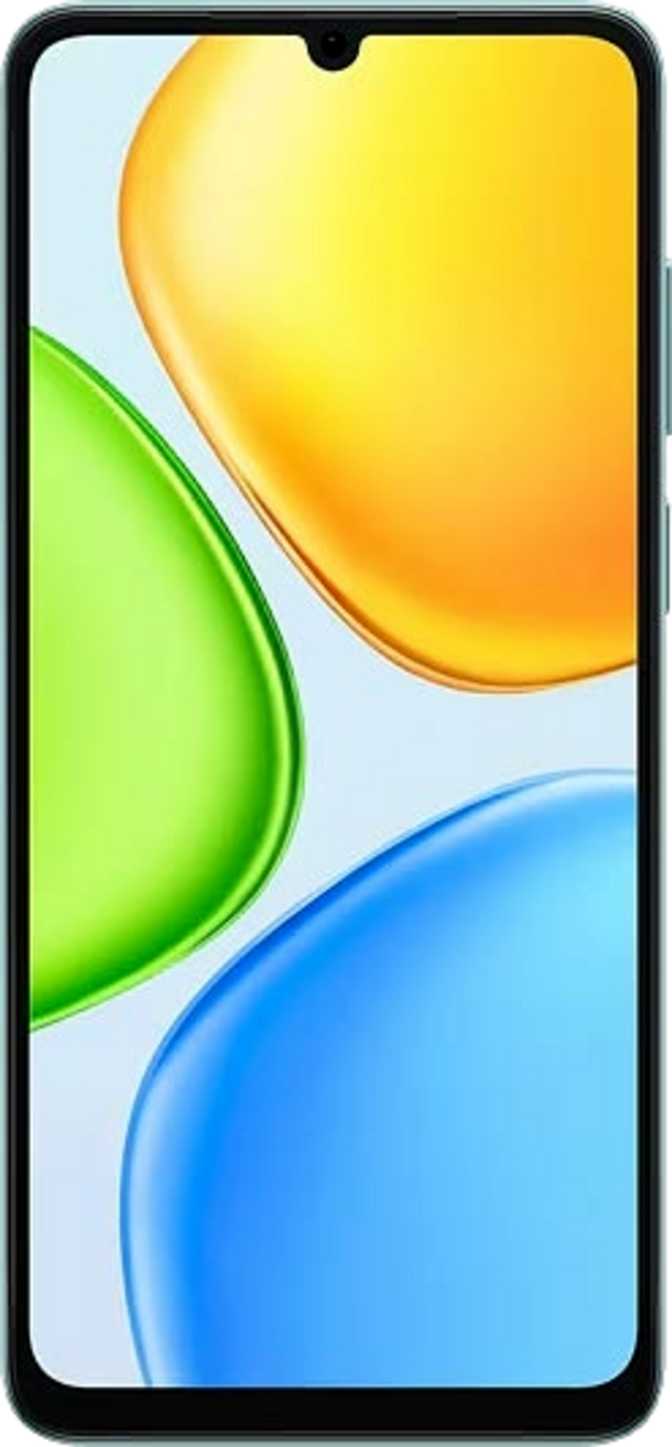
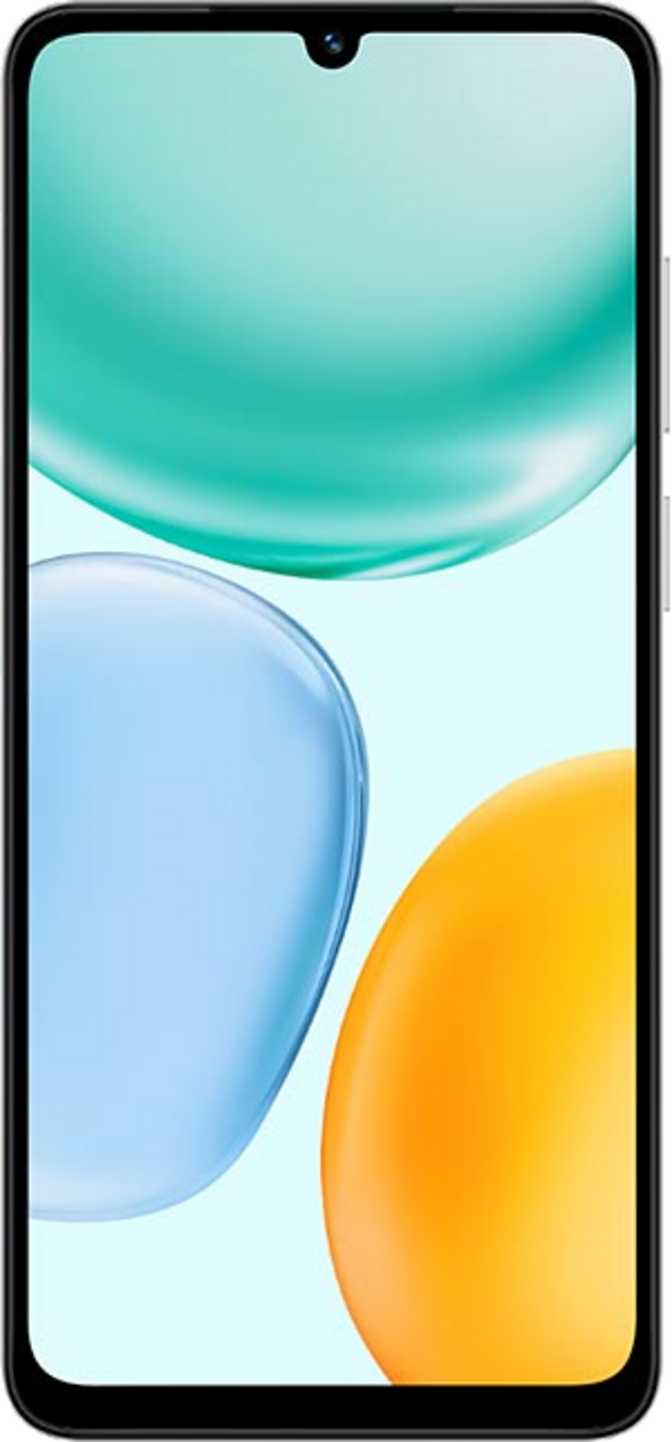
The Honor Play 80 Plus is a tall phone. At just over 163mm in height and nearly 76mm wide, it occupies the larger end of comfortable single-handed use. That said, its 8.3mm profile keeps it from feeling bulky, and at 205 grams it lands in a weight range that feels substantial without being fatiguing over long periods of use.
The form factor is entirely conventional — a flat slab with no folds, no curves, no gimmicks. For buyers who simply want a phone that slips easily into a pocket and sits flat on a desk, this is a feature in disguise.
Durability and Water Resistance
The IP64 rating is one of the more underappreciated inclusions at this price tier. The phone is completely dust-proof and can handle splashes from any direction. Rain, a kitchen counter, a sweaty gym session — none of these are a concern. Submersion is a different matter, but for everyday life this protection level is considerably better than devices with no rating at all.
The display surface uses branded damage-resistant glass — not sapphire, but a meaningful step above bare unprotected glass, offering improved resistance to surface scratching from keys, coins, and similar pocket companions.
163.9mm
Height
205g
Weight
8.3mm
Thickness
IP64
Protection
IP64 means: Fully dust-proof (6) and splash-resistant from all directions (4). Safe for rain, kitchen use, and gym sessions — not designed for submersion.
Display: 120Hz Fluidity vs. HD Resolution
6.61-inch LCD panel — what the numbers actually mean for your eyes
The Strength: 120Hz
The screen refreshes 120 times per second — double the rate of most budget phones. Scrolling feels noticeably smoother, animations are fluid, and the tactile experience feels more premium than the price suggests. This is nearly impossible to unsee once experienced; going back to a 60Hz display feels sluggish by comparison.
The Trade-off: HD Resolution
At 720×1600 pixels across a 6.61-inch screen, pixel density lands at 265 ppi. Text and images look acceptable at arm's length, but fine detail and photo sharpness fall short of a 1080p panel. Side-by-side with a Full HD phone, the difference is visible. In daily use, most people adapt quickly.
LCD vs. OLED: Understanding the Technology
LCD panels produce light uniformly across the screen. They cannot turn off individual pixels the way OLED screens can, which means blacks appear dark gray rather than true black, and contrast ratios are inherently lower. Colors tend to be accurate and neutral rather than vivid and punchy.
If you watch late-night content in a dark room and value dramatic visual depth, this screen will feel ordinary. If you mostly browse, read, and watch video with the lights on, you will likely have no complaints. There is no Always-On Display, and HDR10 support is absent — streaming platforms will deliver standard dynamic range content only.
| Screen Size | 6.61 inches |
|---|---|
| Resolution | 720 × 1600 |
| Pixel Density | 265 ppi |
| Refresh Rate | 120Hz |
| Panel Type | LCD |
| HDR10 | |
| Protected Glass |
Performance: A 4nm Chip Punching Above Its Class
Qualcomm Snapdragon 4 Gen 4 — what this processor means in real-world use
The Processor Explained
The Snapdragon 4 Gen 4 is built on a 4-nanometer fabrication process — the same manufacturing scale used in many higher-tier chips. Smaller transistors mean more processing power per watt, directly impacting both performance under load and how long the battery lasts.
Its eight cores split into two groups: two performance cores at 2.3GHz for demanding tasks, and six efficiency cores at 2.0GHz for lighter workloads. This big.LITTLE architecture ensures the phone doesn't burn unnecessary energy handling a text notification with its full processing arsenal.
Benchmark Context
Reflects app launch speed and navigation responsiveness — comfortably mid-range
Handles simultaneous apps, moderate gaming, and video processing effectively
For social media, messaging, navigation, and streaming, the performance envelope is more than sufficient. Moderate gaming — mobile MOBAs and lighter action titles — runs acceptably. Graphically intensive 3D games at high settings will require expectation management.
RAM and Storage
8GB
RAM
DDR5 · 3,200MHz
256GB
Storage
eMMC 5.1
With 8GB of DDR5 RAM, apps stay resident in memory longer. Switching between a dozen open applications is handled gracefully, avoiding the hiccup-and-reload behaviour common on phones with 4GB or 6GB.
The 256GB of built-in storage is genuinely generous. Most users — even those who take many photos and keep large music libraries — will never feel constrained.
No microSD slot. What you get at purchase is what you have for the life of the phone. Plan accordingly if you rely on large offline libraries.
Camera System: Competent Within Clear Limits
13MP main camera — what works and where the real boundaries are
Main Camera
The rear camera features a 13-megapixel primary sensor with an f/2.2 aperture — a reasonable opening for the price tier, though not particularly wide by current standards. The absence of optical image stabilization (OIS) is a limitation that shows up in two specific situations: low-light photography, where longer shutter times amplify camera shake, and handheld video recording.
Video recording tops out at 1080p at 30 frames per second — standard full HD, adequate for social media and everyday documentation, but not reaching the 4K capability found in phones further up the price ladder.
In good light, the 13MP main camera produces clean, usable photos. As light fades, the limitations become more apparent. The sensor uses a standard CMOS design without back-illuminated technology, which would otherwise improve low-light capture.
Front Camera
The 5-megapixel front camera covers the primary use case — showing your face clearly on a video call — without issue. There is no front-facing flash, so selfies in low light rely entirely on sensor sensitivity. Resolution is functional, not impressive.
- Phase-detection autofocus — handles fast-moving subjects reliably
- Continuous AF during video — keeps subjects sharp while recording
- Full manual controls — ISO, exposure, white balance, and focus
- HDR mode, slow-motion, timelapse, panorama, burst
- No optical image stabilization (OIS) — shakier low-light and handheld video
- No optical zoom — digital zoom only, with visible quality loss
- No RAW capture — post-processing limited to in-phone software
- No back-illuminated sensor — limits low-light performance ceiling
13MP
Main Camera
5MP
Front Camera
Battery Life: The Phone's Strongest Argument
5,300mAh capacity — real-world endurance and charging trade-offs
5,300
mAh Capacity
Real-World Endurance
With a 5,300mAh capacity, most users will comfortably reach the end of a full day — including an hour or two of video, social browsing, navigation, and messaging — with battery remaining. Users with lighter usage patterns will frequently see two days between charges.
The combination of a large battery and the efficiency-oriented Snapdragon 4 Gen 4 on its 4nm process node works strongly in the phone's favor. The chip sips power during idle and light tasks, preserving capacity for when it matters most.
Charging Speed
15W
Max Charging
None
Wireless
~2hr
Full Charge
Slow charging is the real trade-off. Modern mid-range phones regularly support 33W–65W. At 15W, refilling this large battery takes roughly two hours from empty. If you rely on quick top-ups during a commute or lunch break, plan for this limitation.
Software and Operating System
Android 16 with Honor's software layer — features worth knowing about
The Honor Play 80 Plus ships with Android 16, which represents the most current Android version available. Running the latest release means access to the most recent security architecture, privacy controls, and platform features — a meaningful differentiator over phones shipping with older Android versions.
- Camera and microphone access controls
- Location privacy options
- Clipboard access warnings
- App tracking blocker
- Split-screen multitasking
- Picture-in-picture mode
- Full-page scrolling screenshots
- Offline voice recognition
- Dynamic theming
- Dark mode
- Extra dim mode for night reading
- Widget and notification controls
- Child lock
- Multi-user support
- Play games while downloading
- Battery health monitoring
16
Android Version
Most current releaseUpdate cadence: OS updates are managed by Honor rather than delivered directly by Google. This means update timing is less predictable than on Pixel or select Samsung devices — worth factoring in if long-term security patches matter to you.
Connectivity and Features
Network, sensors, ports, and biometrics
Network and Wireless
5G Connectivity
5G hardware present — verify your carrier's specific band compatibility before purchasing
Wi-Fi 4 & Wi-Fi 5 (802.11ac)
Handles the vast majority of home and public routers; Wi-Fi 6 is absent
NFC Included
Enables contactless payments — not always guaranteed at this price tier
Dual SIM
Ideal for travelers, professionals managing two lines, or international users
Fingerprint Scanner
Handles device unlock; 3D facial recognition not present
GPS + Galileo
European satellite system support improves location accuracy and satellite lock speed
Ports and Audio
USB-C Port
USB 2.0 speeds — adequate for charging and everyday file transfers, not rapid large-file transfers
No 3.5mm Headphone Jack
Wired audio requires a USB-C adapter. Bluetooth 5.3 handles wireless audio.
No Gyroscope
Limits AR applications and tilt-based gaming. GPS navigation remains fully functional.
Bluetooth Audio Note
Bluetooth 5.3 is present, but the phone does not support aptX, LDAC, or aptX HD codecs. Audiophiles pairing high-quality wireless headphones will not benefit from lossless Bluetooth transmission. Standard SBC and AAC cover the majority of everyday wireless headphone use cases.
Who Should Buy the Honor Play 80 Plus?
Match this phone to your real-world needs before deciding
- Budget-conscious buyers who want 5G now and won't compromise on battery life
- Light-to-moderate users who primarily text, browse, stream, and use social media
- Anyone who values IP-rated durability — a feature often missing at this price tier
- Users comfortable charging overnight who don't need rapid top-up charging
- Dual-SIM users: travelers, professionals managing two lines, international users
- Those who want a large screen without flagship-level weight or price
- Mobile photographers who need optical stabilization, optical zoom, or a high-resolution front camera
- Heavy gamers who play graphically intensive titles and expect high-settings performance
- Audiophiles who rely on wired headphones or lossless Bluetooth codecs
- Users who need a gyroscope for AR applications or precision tilt-based gaming
- Anyone who frequently transfers large files to a PC and values fast cable speeds
- Those who prioritize rich display quality — deep blacks, HDR content, pixel-sharp resolution
How It Compares to the Alternatives
Honor Play 80 Plus vs. typical competitors in the same budget range
| Feature | Honor Play 80 Plus | Budget OLED Rival | Budget 5G (No OIS) |
|---|---|---|---|
| Display Type | LCD 120Hz, HD | OLED 60Hz, FHD | LCD 90Hz, FHD |
| Battery Capacity | 5,300mAh | ~4,500mAh | ~5,000mAh |
| Charging Speed | 15W | 18W | 18W |
| Water Resistance | IP64 | IP52 or none | None |
| Base Storage | 256GB | 128GB | 128GB |
| NFC | Sometimes | Sometimes | |
| Headphone Jack | Sometimes | ||
| Gyroscope | Usually | Usually |
The Honor Play 80 Plus consistently trades lower resolution and no gyroscope for more storage, a larger battery, and better IP protection than typical competitors at this price tier.
Honest Assessment: Strengths and Weaknesses
A balanced look at what this phone genuinely does well and where it falls short
What It Does Well
Battery life is the phone's most compelling practical advantage — and it is not subtle about it. The 5,300mAh capacity combined with an efficient 4nm processor creates an endurance package that most budget phones simply cannot match. Overnight charging is a realistic and sufficient routine for the majority of users.
The 120Hz display punches well above the price tier in terms of how daily interaction feels. Scrolling and navigating the interface feels premium in a way that raw specification comparisons don't fully convey.
Android 16 out of the box is a meaningful advantage. The Snapdragon 4 Gen 4 — despite its entry-level family label — is a capable and efficient chip that keeps the experience from feeling sluggish under normal conditions.
The combination of 5G, NFC, dual SIM, IP64 protection, and 256GB of storage represents genuine value density for a buyer who prioritizes reliability and everyday practicality over premium features.
Where It Falls Short
The camera system is limited in meaningful ways. The absence of optical stabilization makes low-light photography and smooth handheld video materially harder. The 5MP front camera is functional but unremarkable, and no RAW capture means post-processing flexibility is confined to what the phone's own software provides.
The HD resolution display will feel like a step backward to anyone coming from a 1080p or higher screen. It is not unusable by any stretch, but the clarity gap is real and becomes more apparent in photo viewing and fine text rendering.
At 15W, charging speed is slow enough to be a genuine frustration for users who need the phone topped up quickly. The missing headphone jack will frustrate anyone with an existing wired headphone collection. The absent gyroscope genuinely limits a small but specific segment of users.
None of these are surprises — they are the calculated trade-offs of building a phone at a value price point. The question is whether those trade-offs land in your favor.
Common Questions Before You Buy
Answers to what real buyers search for before purchasing
Final Verdict
Our recommendation after a complete evaluation
4.0
Out of 5
Recommended — for the right buyer
A clear recommendation for a specific type of buyer: someone who wants a large, durable, 5G-capable Android phone with exceptional battery life and a smooth display, and is willing to accept a modest camera system and slower charging in exchange for those gains at a budget price.
The Honor Play 80 Plus earns its place because it executes its priorities honestly. The battery delivers what the capacity implies. The 120Hz display makes the interface feel genuinely better than the price tier suggests. The Snapdragon 4 Gen 4 keeps daily use from feeling sluggish. Android 16, 5G, NFC, dual SIM, IP64, and 256GB storage in one package represents strong value alignment for a practically-minded buyer.
It is not the right phone if display resolution, camera performance, or charging speed are your primary criteria. But for the buyer it is designed for, the compromises here are at least honest ones — and that earns a confident recommendation.
Best For
Battery-first users, 5G adopters on a budget, dual SIM users, and anyone who values durability and storage generosity over camera excellence.
Skip If
Photography quality, display sharpness, fast charging, a headphone jack, or gyroscope support are non-negotiable for your use case.