Honor Play 11 Plus Review: Endurance First, Compromises Included
SmartphonesEditor's Verdict
Overall Score
A battery-first mid-ranger that earns its score through exceptional endurance, a vivid OLED display, and genuine IP66 protection — with real limitations for gamers and video creators.
Category Ratings
Key Specifications at a Glance
Design and Build: Slim, Sealed, and Serious
For a phone housing this much battery capacity, the Honor Play 11 Plus is impressively restrained in its physical footprint. It sits under 7.5 millimeters thin — a measurement that puts it at the lean end of the mid-range category. Competing devices with comparable battery ambitions often cross the 9-millimeter threshold and feel noticeably thick in hand or pocket. This phone does not have that problem. At just under 185 grams, the weight is proportionate and balanced. Flagship phones in this size class regularly exceed 200 grams. The Play 11 Plus feels substantial but not fatiguing during extended use.
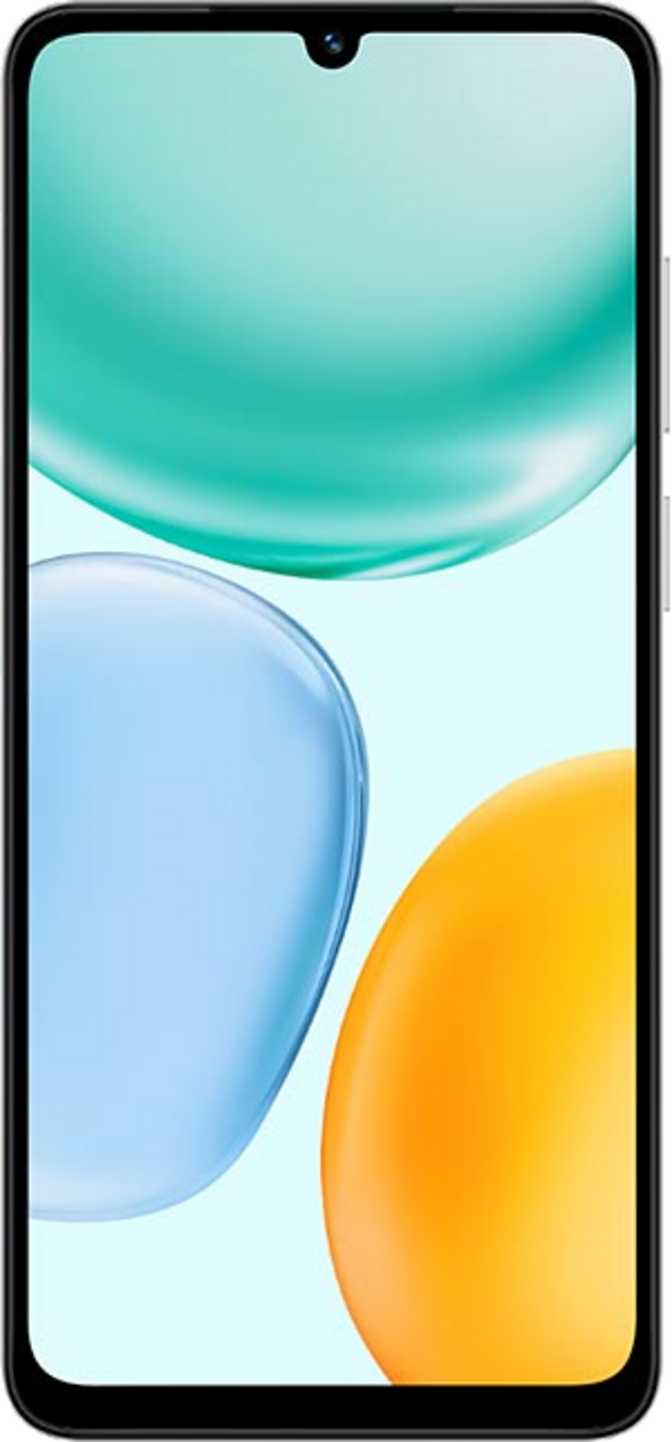
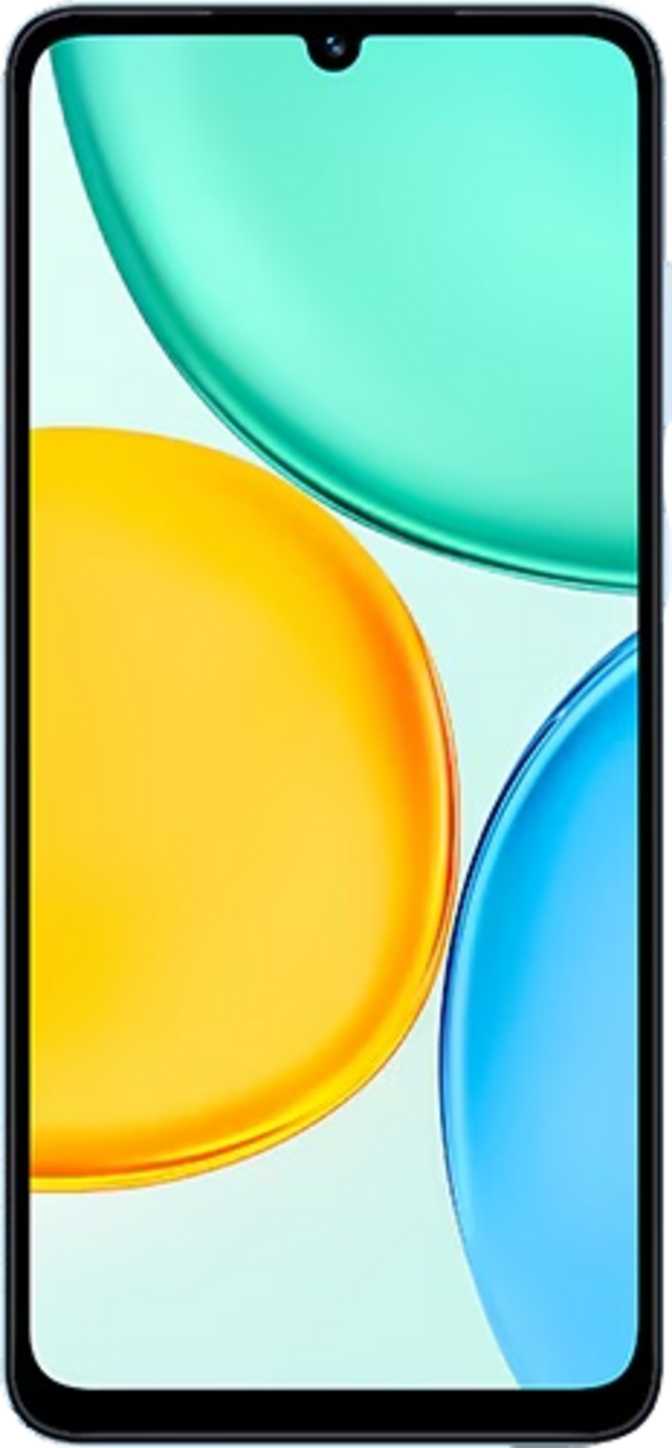
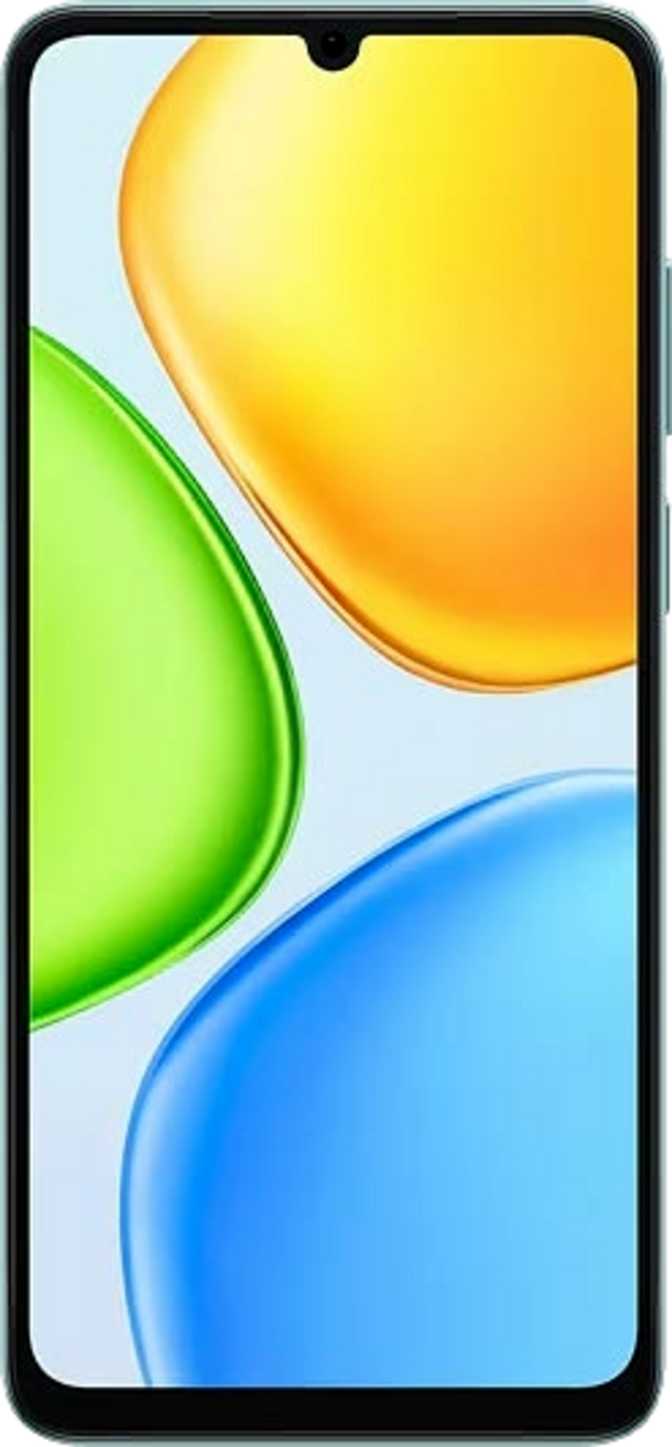
The display is flat rather than curved — a practical advantage that avoids accidental edge taps, simplifies screen protector application, and offers no functional penalty over curved-edge panels. One-handed operation sits at the edge of comfortable for average-sized hands, but this is a 6.6-inch device, so some width is inevitable.
IP66 Certified Protection
The first digit — six — means the device is completely sealed against dust of any particle size. The second digit — also six — means it can withstand powerful, sustained water jets from any direction. Heavy rain, splashing near a sink, dusty worksites: none of these pose a threat. This is not submersion-proof, but for every realistic daily exposure scenario, IP66 is more than adequate. At this price point, this level of protection reflects real design confidence.
Damage-Resistant Glass
The display glass carries branded damage-resistant treatment — not sapphire, which remains the preserve of ultra-premium devices, but a recognized industry-standard protection that meaningfully reduces the risk of scratching and face-down drop damage compared to unprotected glass. Combined with the slim chassis, the physical build of the Play 11 Plus inspires daily-use confidence without a rugged-device aesthetic.
Display: Where the Honor Play 11 Plus Genuinely Impresses
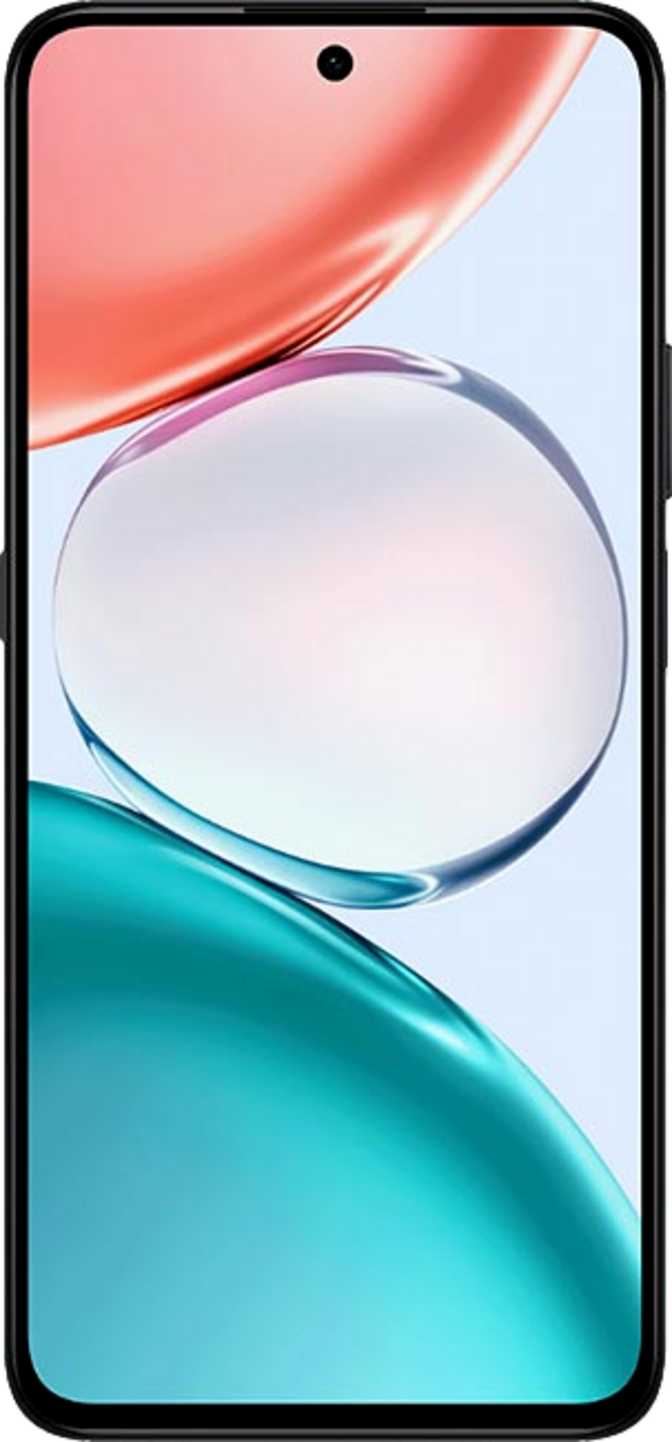
Many phones in this segment — and some in segments above it — still use LCD panels as a cost-control measure. The Honor Play 11 Plus uses a proper OLED/AMOLED panel, and the difference is not subtle once you know what to look for. OLED technology achieves true black by switching individual pixels completely off, rather than dimming a backlight behind a filter. This produces contrast ratios that LCD panels cannot match: dark scenes look genuinely dark, colors are more vibrant, and content in low-light settings is far more comfortable to view. In dark mode, the pixels producing background color are simply off — less light, less eye strain, less distraction at night.
The 120Hz refresh rate is one of those specifications that reviewers mention and buyers underestimate until they experience it. Scrolling and animation have a physical, liquid quality that 60Hz cannot match — once you use a high-refresh display daily, returning to standard rate feels sluggish. The Honor Play 11 Plus brings this experience to a price that previously required significantly more spending. At 434 pixels per inch across a 6.6-inch canvas, text renders with clean, sharp edges and images show genuine fine detail at any normal viewing distance.
Performance: Competent Daily Driver, Clear Gaming Limits
The Chipset in Plain Terms
The MediaTek Dimensity 6500 is built on a 6-nanometer manufacturing process — the same scale used in chips found in phones costing considerably more. Smaller fabrication means better energy efficiency and less heat generation, both of which directly support the phone's endurance ambitions. The chip uses two faster cores for demanding tasks — opening heavy applications, processing camera output, rapid multitasking — and six efficiency cores for lighter, ongoing workloads. The system allocates load intelligently, reserving full power only when genuinely needed.
For everyday use — web browsing, social media, streaming video, navigation, messaging, video calls, and running multiple apps simultaneously — this chipset handles everything without friction. Apps open quickly, switching is smooth, and nothing about the software experience reveals performance strain. Eight gigabytes of RAM enables comfortable multitasking, keeping several active applications in memory without constantly reloading them.
Storage and Memory
The 256 gigabytes of onboard storage is generous for most users — downloaded media, offline maps, apps, and several years of photos rarely fill this quickly. The critical caveat: there is no expandable storage slot. What comes with the phone is what you get. For the small number of users who routinely accumulate terabytes of data, this is a hard limitation.
Chip Architecture
- 6nm fabrication process
- big.LITTLE efficiency design
- 64-bit architecture
- Integrated 4G LTE
- 8GB DDR4 RAM
- 256GB internal storage
- No microSD expansion
- Mid-range GPU tier
Critical Gaming Limitation: No Gyroscope
The Honor Play 11 Plus does not include a gyroscope sensor — a significant absence for mobile gaming, and one that sits in uncomfortable contrast with the device's "Play" branding. A gyroscope enables physical motion-based aiming used natively in major competitive shooters like PUBG Mobile. Without it, those control schemes are simply unavailable. The GPU also handles demanding 3D titles with limitations at maximum settings. Casual and 2D gaming works without issue. Competitive, graphically intensive gaming does not.
Camera System: Capable but Honest
The primary camera uses a 50-megapixel sensor behind an f/1.8 aperture lens. The aperture describes how wide the lens opens to gather light — f/1.8 is a solid, practically useful opening that performs reasonably well in indoor environments and comfortably in outdoor daylight. The sensor architecture is conventional CMOS rather than back-illuminated, which is an older design. In good lighting, photos are clean, detailed, and sharp. As light decreases, the gap between this sensor and more advanced alternatives at similar prices becomes more visible.
Camera Capabilities
- 50MP main sensor, f/1.8 aperture
- Phase-detection autofocus for photos
- Continuous autofocus during video
- HDR mode for high-contrast scenes
- Manual ISO, exposure & white balance
- Manual focus control
- Burst mode & timelapse
- Slow-motion video capture
- Panorama mode
- 8MP front camera
Camera Limitations
- No optical image stabilization (OIS)
- No back-illuminated sensor (BSI)
- No RAW file capture
- Single lens only — no ultra-wide, no telephoto
- No optical zoom
- No front-facing flash
- Video capped at 1080p / 30fps
- No 4K recording
- No 60fps video option
- No 360-degree panorama
Battery Life: The Defining Strength
Rated Capacity
vs. 4,500–5,000mAh typical competition
The battery in the Honor Play 11 Plus is, without exaggeration, its most compelling feature. The capacity here is meaningfully larger than the 4,500 to 5,000 milliamp-hours typical of well-regarded mid-range competitors — in fact, it exceeds most of them by roughly 40 to 55 percent. That gap is not marginal. It is the difference between a phone that needs nightly charging and one that redefines when you charge.
Heavy users — continuous video streaming, active navigation, extended gaming sessions, frequent camera use — will comfortably reach the end of a full day with charge remaining. Moderate users will likely find every-other-day charging becomes the norm. The practical effect is meaningful: the low-level anxiety that most smartphone users carry — monitoring battery percentage, hunting for outlets, carrying a power bank — largely disappears.
A 30-minute plug-in delivers a significant percentage recovery. Full charge takes longer than smaller batteries at the same rate — physics is unavoidable — but it is fast enough for practical use.
Wireless charging is not supported. Users who have adopted wireless pads as their default charging method must return to cables. Reverse wireless charging is also absent.
Software: Modern, Feature-Rich, and Privacy-Aware
Running Android 16, the Honor Play 11 Plus ships with one of the most current software foundations available. Newer Android versions carry architectural improvements to privacy, system performance, and multitasking that the phone benefits from directly. Software updates are delivered through Honor's own channels rather than directly from Google — the speed and duration of ongoing support therefore depends on Honor's commitment rather than a manufacturer-agnostic schedule.
Privacy Controls
- App tracking restrictions
- Clipboard access warnings
- Granular location controls
- Camera & mic permissions
- Notification controls
- No cross-site tracking block
Productivity
- Split-screen multitasking
- Picture-in-Picture mode
- Full-page scrolling screenshots
- Widget support
- Multi-user system
- Child lock
Notable Extras
- Offline voice recognition
- Dynamic theming
- Extra-dim display mode
- Dark mode
- Play games while downloading
- Battery health check
Audio Experience
The stereo speaker configuration delivers proper left-right separation for media playback. Video, music, and gaming all benefit from spatial audio that a single rear or bottom-firing speaker cannot provide. Speaker quality at this tier will not satisfy critical listeners, but for casual use — commuting with the phone out, watching video without headphones — the stereo output is meaningfully better than the mono setups still found in competing devices.
Bluetooth 6 — the current generation of the standard — brings measurable improvements in connection stability and audio latency over older versions. Combined with aptX HD codec support, the phone delivers near-lossless audio quality to compatible wireless headphones, maintaining significantly more audio information during wireless transmission than standard Bluetooth compression allows. For listeners willing to invest in aptX HD-compatible headphones, this produces wireless audio quality that genuinely approaches wired performance. Note: LDAC support is absent, which affects Sony headphone ecosystem users specifically.
Audio Feature Summary
- Stereo speakers
- Bluetooth 6 (latest generation)
- aptX HD codec support
- aptX standard support
- No 3.5mm headphone jack
- No LDAC support
- No aptX Adaptive or Lossless
- No FM radio
Connectivity and Features
5G support ensures the Honor Play 11 Plus is network-ready for the foreseeable future. Wi-Fi supports the 5th generation standard — Wi-Fi 6 is not included, which makes no practical difference in most home and office environments but can matter in very congested networks. NFC enables contactless payments via compatible apps natively. Dual SIM supports two active phone numbers simultaneously — ideal for separating work and personal or maintaining a local SIM while traveling.
Who Should Buy the Honor Play 11 Plus?
This Phone Is Right for You If...
- Battery endurance is your top priority. This device will outlast almost anything in its price class by a meaningful margin. Heavy users finish the day with charge to spare; moderate users reach two days routinely.
- You want OLED without flagship pricing. A 120Hz OLED panel at this price point is genuinely unusual, and it elevates every hour of screen time.
- You travel or need dual SIM. Two active numbers alongside genuine water and dust protection makes this a capable travel companion.
- You invest in wireless audio. aptX HD over Bluetooth 6 delivers near-lossless wireless sound quality to compatible headphones.
- You want a universal remote. The infrared sensor replaces dedicated remote controls for televisions, air conditioners, and other IR-controlled home electronics.
- You need 5G and NFC daily. Both are present, along with current software and strong IP66 protection, at a mid-range price.
Look Elsewhere If...
- You are a competitive mobile gamer. The absent gyroscope restricts motion-based aiming in major titles. The GPU also handles intensive 3D games with settings compromises. This limitation cannot be patched.
- You create video content. The 1080p / 30fps ceiling, absent 4K, and lacking optical stabilization make this a poor production tool. Competitors serve this use case better.
- You transfer large files regularly. USB 2.0 throughput through the USB-C port makes large video or backup transfers slow and frustrating.
- Low-light photography is a priority. The conventional sensor and absent stabilization combine to produce results that dedicated camera-focused phones at similar prices handle considerably better.
- You prefer wireless charging. Wireless charging is simply not supported here. Your existing wireless pads will not work with this device.
- You need expandable storage. There is no microSD slot. 256GB is the only option, permanently.
How It Compares: Competitive Positioning
The mid-range market is dense and fiercely contested. The Honor Play 11 Plus makes its case based on a combination of features that, taken together, are harder to replicate at this price than any single one of them independently. The pattern that emerges trades certain category expectations for genuine leads in the areas that most directly affect daily satisfaction.
| Feature Area | Honor Play 11 Plus | Typical Mid-Range Competition |
|---|---|---|
| Battery Endurance | Substantially above average for the tier | Standard one-day performance; few exceed it |
| Display Technology | OLED + 120Hz + 434ppi — unusually strong at this price | Frequently LCD; OLED typically costs more |
| Dust & Water Protection | IP66 full dust seal + water jet resistance | Often absent or splash-only (IPX4) |
| 5G + NFC Together | Both present | 5G increasingly common; NFC still inconsistent |
| Infrared Sensor | Present — functions as universal remote | Rare; largely absent from competing options |
| Software Version | Android 16 — current generation | Varies; many ship on older versions |
| Gyroscope Sensor | Absent — limits gaming and AR | Present in most comparable devices |
| Video Recording | Capped at 1080p / 30fps — no 4K | Many competitors offer 4K at this tier |
| Expandable Storage | Not supported — no microSD slot | Many mid-range phones include microSD |
| Wireless Charging | Not supported | Available in select competitors |
Honest Assessment: Strengths and Weaknesses
Genuine Strengths
The Honor Play 11 Plus earns real admiration for the coherence of its battery-forward strategy. Very few phones — at any price — deliver this level of endurance. The capacity advantage over typical mid-range competitors is not marginal; it is a step-change that redefines daily charging habits. The freedom from low-battery anxiety is a quality-of-life improvement that compounds across weeks of ownership.
The OLED display is the second pillar of credibility. A 120Hz OLED panel with this pixel density is unusual at this price point, and its presence elevates every hour of screen time in ways that are not subtle. Contrast, color vibrancy, and nighttime readability are all meaningfully better than LCD alternatives in the category.
IP66 certification, Bluetooth 6, aptX HD audio, NFC, 5G, dual SIM, an infrared sensor, and Android 16 as shipped: these are practical features that prevent the phone from feeling compromised in daily connectivity. The software layer is feature-complete, the privacy controls are meaningful, and the infrared remote function — rarely seen in modern smartphones — proves surprisingly useful in daily life.
Real Limitations
The absent gyroscope is the most consequential single hardware gap, and the one that creates the most friction with the device's "Play" branding. This is not a minor omission — it is a fundamental hardware absence that affects competitive mobile gaming in a way no software update can address. Buyers drawn by the name who are also competitive mobile gamers will discover this mismatch after purchase rather than before.
The video recording ceiling is genuinely limiting for content creators. The camera system, while capable in good light, lacks the versatility of multi-lens arrangements common at competing prices, and the conventional sensor design shows its limitations as lighting conditions become more challenging. The absence of RAW capture removes post-production flexibility for serious photographers.
USB 2.0 throughput through a modern USB-C port is the kind of detail that irritates only occasionally — but when it does, during a large file transfer, the irritation is real. The naming dissonance between "Play" and the missing gyroscope, and between the USB-C port style and its underlying speed, both reflect a pattern of feature presentation that warrants careful reading before purchase.
Frequently Asked Questions
Real questions from buyers researching the Honor Play 11 Plus — answered directly.
Final Verdict
The Honor Play 11 Plus is a phone with a clear identity that serves a specific audience exceptionally well. If your priorities are battery endurance, a vivid OLED display at mid-range pricing, genuine water and dust protection, and current connectivity features, this phone delivers all of it without apology. The compromises are real but targeted — they land on mobile gamers, video creators, and users who depend on fast data transfers or expandable storage.
Confident Buy For
- Endurance-first daily users
- Media consumers wanting OLED
- Frequent travelers (dual SIM + IP66)
- Wireless audio enthusiasts
- Practical all-day smartphone users
Look Elsewhere If You Are
- A competitive mobile gamer
- A video creator or vlogger
- A low-light photography priority
- Someone who needs microSD
- A wireless charging daily user