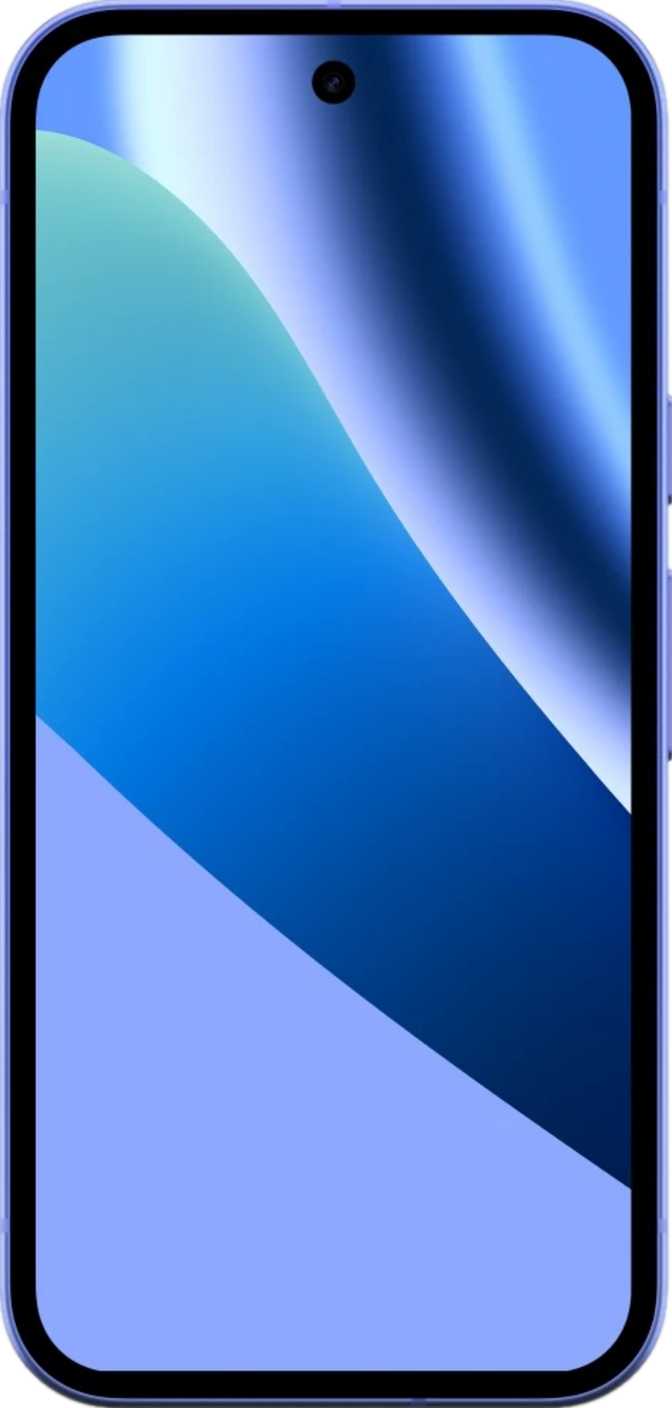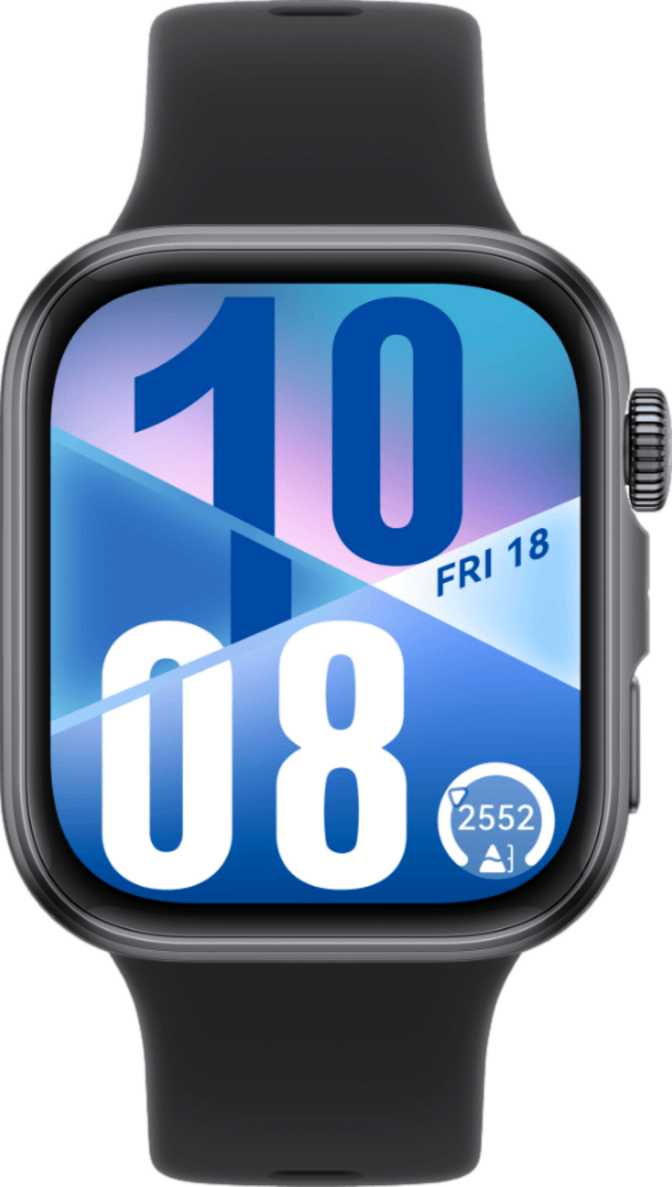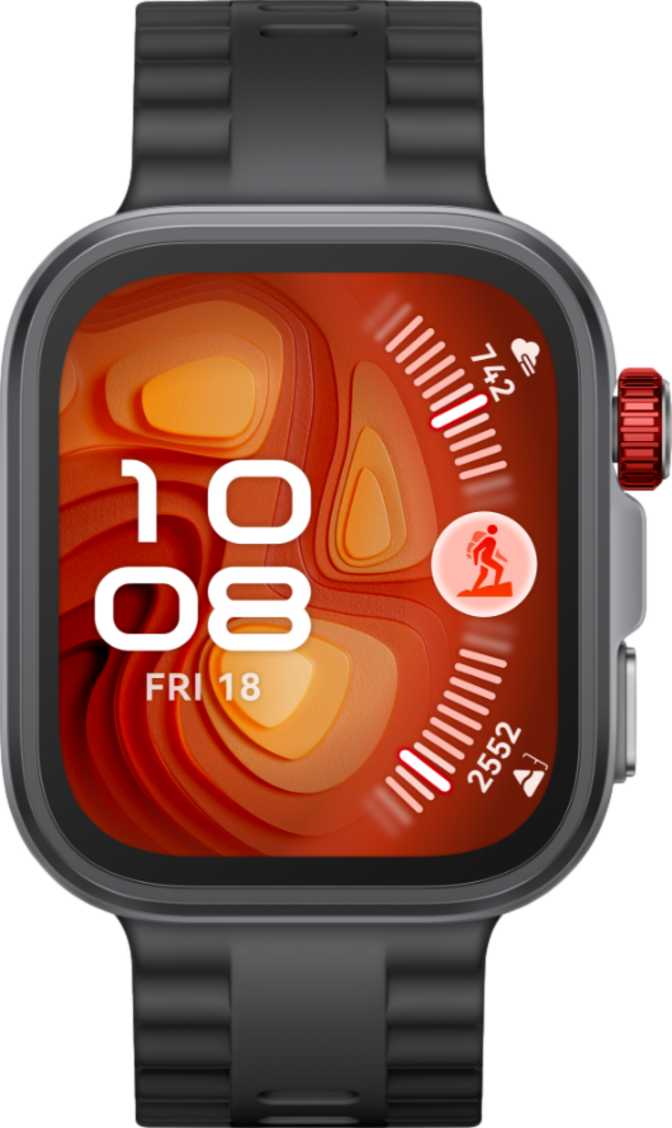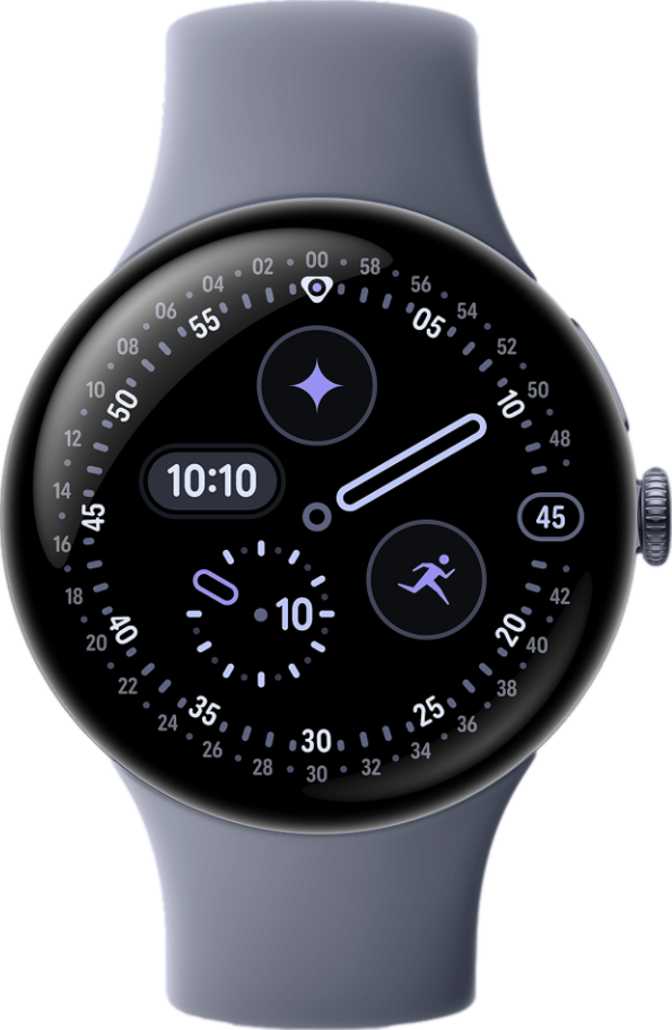
Google Pixel Watch 4 Full Review: The Android Health Watch Tested
SmartwatchesOverall Verdict
Recommended for Android users who want a health-serious smartwatch with cellular independence. Nightly charging is the one trade-off you must consciously accept.
Google's Pixel Watch 4 is the company's most complete wearable yet — and one of the more polarizing smartwatches in its price tier. It packs clinical-grade health sensors, a first-rate Android integration story, and genuine daily-life utility into a compact, circular form factor. But it also carries trade-offs significant enough to send the wrong buyer elsewhere.
If you're an Android user who wants a watch that thinks like a smartphone, communicates with Google's ecosystem without friction, and doubles as a health monitor you can actually trust, this deserves your serious attention. If you're an iPhone user, stop here — this watch does not work with iOS, and that is not a limitation any update will change.
Design and Build Quality
Form Factor
The circular 45mm case sits 12.3mm off the wrist and weighs just 36.7 grams without a band — roughly the weight of four US quarters. For a watch with a built-in LTE radio, this is genuinely light. The always-on AMOLED display keeps the time and key metrics visible at a glance without requiring a wrist flick, and the round design gives it a more traditional watch personality than rectangular competitors.
Display Quality
The AMOLED panel delivers deep blacks, vivid color, and a pixel density high enough that individual pixels vanish at normal viewing distance. Dark watch faces appear genuinely unlit. Outdoor legibility is strong across brightness levels.
Note: Gorilla Glass 5 handles impact well but is not as scratch-resistant as sapphire crystal. Surface wear may accumulate over years of daily use.
Water Resistance
The 5 ATM and IP68 ratings together certify the watch to 50 meters depth. In everyday terms, this covers:
- Pool and open-water swimming
- Daily showering and rain
- Kayaking and water sports
- Scuba diving — not rated
- High-pressure water jets
Performance and Processing
Inside the Pixel Watch 4 sit 2GB of RAM and 32GB of onboard storage — generous figures for a smartwatch. The RAM keeps app switching and real-time health monitoring fluid, with no noticeable hesitation between a workout session, incoming notifications, and navigation. Google Assistant runs on-device for timers, quick voice queries, and workout control without touching your phone.
The 32GB of storage holds a substantial offline music library, downloaded map tiles, and app data without crowding. For phone-free workout sessions, this combination of processing power and storage capacity is genuinely practical.
Health Monitoring: The Real Story
This is where the Pixel Watch 4 makes its strongest case for your wrist — and where it separates clearly from the competition.
Cardiac Health
Heart Rate Monitor
Continuous day-long monitoring with real-time workout intensity zones. Tracks resting heart rate as a long-term cardiovascular fitness trend — a consistently declining resting rate over weeks signals meaningful improvement.
ECG Technology
Single-lead electrocardiogram readings that can flag atrial fibrillation patterns. Not a diagnostic tool — but a meaningful first-alert mechanism that has flagged real cardiac events for real wearers.
HRV Tracking
Heart rate variability — the beat-to-beat timing variation — is one of the strongest objective indicators of recovery quality. Tracked passively during sleep every night and factored into your daily readiness picture.
Heart Rate Alerts
High and low heart rate notifications flag unusual resting readings. Irregular heart rate detection adds a separate layer of cardiac rhythm awareness beyond standard rate monitoring alone.
SpO2 Monitoring
Blood oxygen saturation tracking for altitude awareness, overnight sleep quality assessment, and general health baselines. Feeds directly into the nightly readiness score calculation.
Readiness Score
Combines HRV, sleep data, resting heart rate, and SpO2 into a daily recovery indicator. For consistent exercisers, this becomes a practical guide for intensity decisions each morning.
GPS and Navigation
Multi-constellation support — including the European Galileo network — improves position accuracy in challenging environments: dense urban blocks, forested trails, and areas where satellite signals are partially obstructed. Route tracking, pace, and elevation all run simultaneously during outdoor sessions. Elevation is measured by the onboard barometer rather than GPS estimates, making climb and descent data meaningfully more accurate for real-world terrain.
Full Sensor Reference
| Sensor | Real-World Function | Present |
|---|---|---|
| Heart Rate Monitor | Continuous monitoring, resting rate trends, workout intensity zones | |
| ECG | Single-lead cardiac rhythm check, AFib pattern detection | |
| SpO2 (Blood Oxygen) | Saturation monitoring, altitude and sleep quality awareness | |
| HRV Tracker | Recovery quality and nervous system load indicator | |
| Body Temperature | Illness trend detection, women's health cycle baseline | |
| Barometer | Accurate elevation gain and loss during outdoor workouts | |
| Accelerometer + Gyroscope | Motion tracking, step counting, fall detection, orientation sensing | |
| Compass | Directional awareness during navigation and outdoor tracking | |
| Cadence Sensor | Running step rate and cycling cadence measurement | |
| GPS + Galileo | Multi-constellation outdoor tracking with improved urban accuracy | |
| Perspiration Monitor | Biometric sweat and hydration sensing |
Activity Tracking
What it covers comprehensively — and where the gaps become visible.
Tracks Well
- Steps, Distance, and PaceAll-day passive tracking without requiring manual workout session starts.
- Full Sleep AnalysisSleep stage breakdown combined with SpO2, resting heart rate, and HRV data each night.
- Calorie and Nutrition LoggingActivity burn combined with manual food and water intake for a complete energy balance.
- Barometric Elevation TrackingAir pressure-based measurement — far more accurate than GPS-only altitude for real climbs.
- Automatic Activity DetectionRecognizes walks, runs, and cycling without manual intervention in most cases.
- GPS Route Tracking with MapsFull route stored per session with map overlays in the companion app.
Notable Gaps
- No Multi-Sport ModeTriathletes needing structured discipline transitions within a single timed session have no support here.
- No Swim Stroke CountingSwimming is tracked as an activity type, but stroke count and stroke type identification are absent.
- Not Designed for DivingWater-resistant to depth but explicitly not rated or designed for scuba or freediving use.
- No Golf ModeNo course mapping, distance-to-green, or shot tracking features of any kind.
- No Perspiration MonitoringHydration tracking is manual logging only — no biometric sweat sensor to automate this.
Battery Life: The Persistent Conversation
The Pixel Watch 4 asks you to make peace with one significant trade-off.
Daily Reality
Under typical daily conditions — always-on display active, continuous health sampling, GPS used a few times per week — expect roughly a day and a half between charges. Most users charge nightly. Heavy GPS days push this toward a single daily cycle.
The physics here are deliberate: a larger cell would add weight and thickness to a watch Google has optimized for wrist comfort. That is a conscious engineering trade-off, not an oversight — but it is one you should accept fully before purchasing, not rationalize after the fact.
Charging speed is a genuine bright spot: a full recharge completes in approximately 75 minutes. A nightly charge during dinner works without disrupting sleep tracking.
Battery at a Glance
Power Save Mode extends life to 72 hours by disabling most smart features. It is a travel safety net, not a daily-use configuration.
Connectivity: The Full Picture
Cellular Independence
The built-in eSIM and LTE radio let the watch make calls, stream music, receive notifications, and run navigation entirely without a nearby phone. For gym sessions, runs, or desk-bound days without your phone, this is real and reliable independence.
Wireless Protocols
- Wi-Fi 6 — latest-generation router compatibility for efficient connections
- Bluetooth 6 — current-generation, stable, low-energy phone link
- NFC — contactless payments via Google Wallet
- eSIM — digital carrier setup, no physical SIM tray needed
Platform Compatibility
Women's Health Features
The Pixel Watch 4 includes a dedicated reproductive health suite built into the core experience — not a bolt-on requiring a third-party app. Body temperature tracking, combined with cycle history, powers a set of predictive tools that go beyond basic calendar logging.
The Companion App: Software That Carries Its Weight
The companion app is free, ad-free, and requires no subscription to access its core features. It is not simply a data display — it is an analytical layer that gives your health metrics meaning over weeks and months of accumulated tracking.
App at a Glance
| App Cost | Free |
| Advertisements | None |
| Subscription Required | No |
| Google Account Required | Yes |
| Calendar Sync | Yes |
| Live Location Sharing | Yes |
| Music Playback | Yes |
| Voice Workout Feedback | Yes |
| Built-in Coaching | Yes |
Who This Watch Is For — and Who Should Look Elsewhere
Strong Fit
- Android smartphone users who want deep, frictionless integration with their phone and Google services
- Health-conscious daily wearers who want ECG, HRV, and SpO2 monitoring in an everyday package
- Casual to moderate fitness users — runners, cyclists, gym-goers — without niche sport requirements
- Cellular independence seekers who want a fully capable watch without a phone nearby
- Women tracking reproductive health alongside general fitness and wellness goals
- Wrist comfort-focused buyers — 36.7g is genuinely light for an LTE-capable smartwatch
Poor Fit
- iPhone users — no iOS support exists, no workaround, no partial compatibility
- Competitive triathletes who need structured multi-sport session transitions
- Serious lap swimmers who want stroke count and stroke type analysis
- Golfers expecting course maps, distance-to-green, or shot tracking
- Multi-day battery life seekers — nightly or near-nightly charging is unavoidable here
- Wireless charging consolidators who charge all devices on a single Qi pad
How It Compares to the Competition
Where the Pixel Watch 4 leads, where it concedes, and what competing alternatives trade away to win elsewhere.
| Feature | Pixel Watch 4 | Samsung Galaxy Watch | Garmin Mid-Range |
|---|---|---|---|
| ECG | Yes | Yes | Select models only |
| Typical Battery | ~1.5 days | 2–3 days | 7–14 days |
| Cellular / eSIM | Yes | Yes | Select models |
| iOS Compatible | No | No | Yes |
| Bluetooth Version | v6 — current gen | v5.x | v5.x |
| Wi-Fi Standard | Wi-Fi 6 | Wi-Fi 5/6 | Wi-Fi 4–5 |
| Multi-Sport Mode | No | Yes | Yes (extensive) |
| Swim Stroke Count | No | No | Yes |
| Wireless Charging | No | Yes | No |
| Watch Weight | 36.7g | ~40–50g+ | ~45–60g+ |
| Google Ecosystem | Native | Partial | Limited |
Competitor figures are representative of typical models in each category and may vary by specific product variant.
Honest Strengths and Weaknesses
Where It Excels
The health sensor suite stands out immediately. ECG, HRV, SpO2, body temperature, and readiness scoring together create a physiological picture that most mainstream smartwatches reserve for premium tiers or lock behind subscription paywalls. Getting all of that alongside phone-free calling, music, and navigation in a 36.7g package is a combination few competitors match at this weight.
The physical comfort story is also sustainable over time. Wearing this watch through a full workday and into sleep tracking doesn't feel burdensome — a meaningful advantage over heavier competitors with comparable sensor depth. And the companion app delivers the full analytical experience from day one, for free, without ads or feature tiers.
Where It Falls Short
Battery life is the most significant and unavoidable limitation. Nightly charging isn't a dealbreaker in isolation, but it is a real and recurring dependency that multi-day competitors don't impose. The absence of wireless charging adds logistical friction — a forgotten proprietary cable on a trip means no backup at all.
Gorilla Glass 5 will show fine surface scratches over the long term in ways sapphire crystal would not — a real consideration for buyers who keep devices for two or three years. And for niche athletes — triathletes, open-water swimmers, golfers — the tracking gaps make this the wrong tool regardless of how strong the health monitoring is.
Common Questions Before You Buy
Final Verdict
Google Pixel Watch 4 — Full Review
The Pixel Watch 4 is the right watch for a specific, well-defined buyer: an Android user who wants a health-serious, Google-integrated smartwatch they can wear all day and genuinely forget is there. If that description fits, the case is strong. The sensor depth, cellular independence, app quality, and physical comfort are all at the level you'd hope for at this price point.
The battery situation demands honest self-evaluation before committing. Nightly charging is a ritual that enthusiasm for the rest of the experience will not change. If a multi-day battery watch is what you actually want, this is simply not that product.
Athletes focused on triathlons or open-water swimming will find Garmin's lineup more capable, despite the very different smart-feature trade-offs. And for anyone in an Apple household, there is no version of this purchase that functions at all.
Buy It If You Are:
An Android user who values clinical health monitoring, cellular independence, and genuine daily wearable comfort above multi-day battery life and niche sport tracking features.
Skip It If You Are:
An iPhone user, a multi-day battery seeker, a competitive triathlete, a golfer, or anyone who needs stroke-level swim analysis from their wrist.