DJI Osmo Nano Full Review: Maximum Capability, Minimum Size
Action CamerasEditor's Rating
Action cameras have always demanded a trade-off: pocketability or quality, durability or features. The DJI Osmo Nano refuses most of those compromises. At just 52 grams — roughly the weight of a large egg — it fits in a coin pocket, survives a 10-meter dive without a case, captures 35-megapixel stills, and records cinema-grade 4K footage. It earns that specification set through deliberate design decisions, and not every one of them will suit every buyer.
Design and Build: Small Enough to Forget You're Wearing It
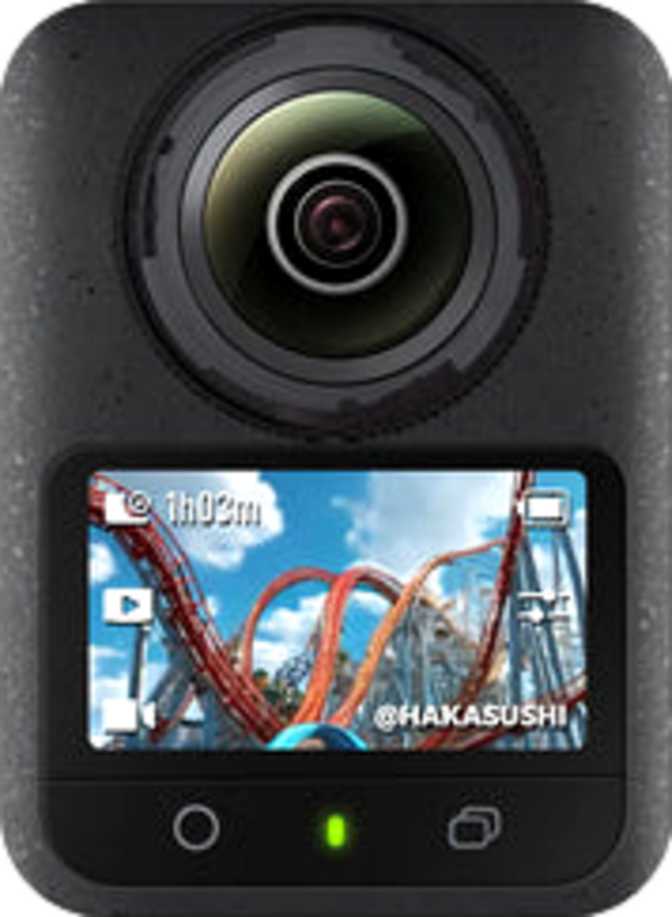
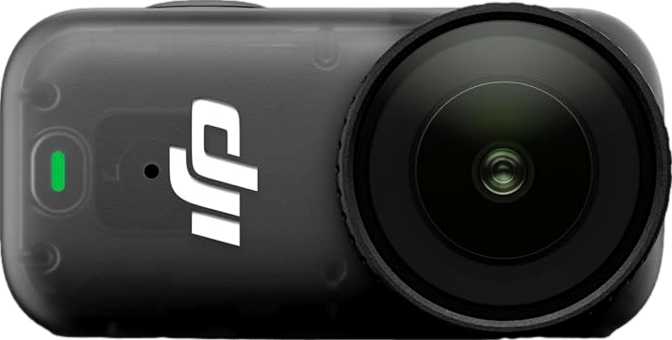
The Osmo Nano is genuinely tiny. Its footprint — roughly 57mm wide and under 30mm tall — means it sits comfortably on a helmet mount, chest harness, or clipped to a backpack strap without constantly reminding you it's there. The 28mm thickness leaves enough body to grip with two fingers and operate confidently during any activity.
At 52 grams, it competes with the lightest action cameras on the market. Most mid-range action cameras sit closer to 90–130 grams, and that difference matters over a long ski run, a day of cycling, or a multi-hour hike where gear fatigue is real and every gram counts.
The build is waterproof to 10 meters without any additional housing. That is proper submersible protection — sufficient for snorkeling, kayaking, surfing whitewater, or getting caught in a heavy downpour. DJI achieved this without the awkward sealed-body trade-off: the camera retains a 1.96-inch front-facing touch screen, an external memory card slot, and a USB-C port, all sealed against water ingress.
There is no flip-out or articulating screen, which matters for vlogging or selfie-style shooting — framing relies on the companion app or muscle memory. The body also has no hot shoe, no HDMI output, and no flash, which aligns squarely with its purpose as an action and adventure camera rather than a traditional imaging device.
- Width
- 57.3 mm
- Height
- 29.5 mm
- Thickness
- 28 mm
- Weight
- 52 g
- Screen Size
- 1.96 inches (touch)
- Waterproof Depth
- 10 m (no case)
Operates reliably from -20°C to 40°C — fully functional in sub-zero temperatures where most consumer electronics become unpredictable.
Image Quality: 35 Megapixels in a Body This Small
The Sensor
The Osmo Nano uses a back-illuminated CMOS sensor — known as BSI. This design places the circuitry behind the light-capturing layer rather than in front of it, delivering better light collection overall. The practical result is improved performance in overcast conditions, dawn and dusk shooting, and indoor environments where action cameras have traditionally struggled.
At 35 megapixels, still images carry enough resolution to crop aggressively in post-processing and still produce a sharp, publication-ready final image — a critical workflow for capturing fast-moving scenes where reframing after the fact is the norm.
The aperture sits at f/2.8, on the wider end for a fixed-aperture action camera. More light reaches the sensor in any given moment, which benefits fast-moving subjects in variable lighting. The trade-off is that depth-of-field control is fixed — this camera always produces that wide, near-everything-in-focus look that defines the category.
Shooting Modes
Manual exposure control means experienced photographers are not locked into automatic modes. You can set shutter speed and ISO values independently — useful when dialing in motion blur on a waterfall or locking exposure while moving between differently lit environments.
RAW image capture is available. For anyone processing images in editing software, RAW files retain far more latitude than JPEGs — better shadow recovery, highlight control, and color grading potential. At 35 megapixels, there is genuine photographic capability here that goes well beyond action camera conventions.
- RAW image capture for full post-processing control
- Manual exposure — shutter speed and ISO adjustable independently
- Burst mode for capturing the decisive moment in fast action
- Adjustable field of view for flexible, context-specific framing
Video Performance: 4K at 60fps — With Important Context
Resolution, Frame Rates, and Bitrate
The headline capability is 4K recording at up to 60 frames per second — the benchmark that separates casual action cameras from serious imaging tools. At 60fps, you can slow footage to half speed in a 30fps timeline while retaining full sharpness, a technique central to action sports editing that emphasizes key moments.
The 24p cinema mode records at 24 frames per second — the frame rate that gives footage the natural motion blur associated with film. This is a deliberate creative option for users who want a cinematic look without post-processing intervention.
At 120 Mbps, the camera stores a substantial amount of visual data per second. Higher bitrates mean less compression, more detail retained in complex textures — grass, water, foliage — and cleaner results when applying color grades in post. This footage holds up to professional editing workflows, not just social media sharing.
Stabilization — The Honest Truth
The Osmo Nano does not include optical image stabilization. It uses electronic stabilization — a software-based approach that crops into the frame and uses algorithms to compensate for movement. DJI's implementation is among the best in the category, but buyers moving from OIS-equipped cameras should calibrate expectations in heavy-vibration scenarios like motocross or rough off-road use at speed.
Autofocus and Additional Features
- Phase-detection AF for fast, accurate focus lock during recording
- Continuous autofocus and subject tracking throughout a shot
- Horizon leveling — keeps footage level even when the camera tilts
- Slow-motion recording for dramatic half-speed playback
- Timelapse mode for sunsets, star trails, and time compression
- RAW video capture for maximum post-production latitude
- Native vertical (9:16) recording for social platforms — no crop required
Audio: Functional, but Know the Limits
The Osmo Nano includes two built-in microphones, enabling basic stereo audio capture and wind noise reduction processing. For casual content — vlogs, travel videos, outdoor documentation — the dual-mic arrangement produces cleaner results than a single microphone, particularly for capturing ambient sound alongside on-camera dialogue.
For most action camera use cases, the built-in microphones are perfectly adequate. The limitation becomes relevant only when your content demands broadcast-quality audio — interviews, professional voiceover, or event coverage where spoken word quality matters as much as image quality. In those scenarios, you will need a separate recording device and sync audio in post-production, which adds steps to an otherwise streamlined workflow.
- No 3.5mm audio jack — cannot connect a lavalier or shotgun microphone
- No external microphone input of any kind — the sealed body is permanent
- No video light — separate lighting is required for low-light scenarios
Storage: Built-In and Expandable
The camera ships with 128 gigabytes of internal storage — a standout specification in this category where most competitors ship with nothing or a token 8GB. At maximum quality settings (4K/60fps, 120 Mbps), one hour of footage occupies roughly 54 gigabytes, meaning the internal storage holds approximately two to two-and-a-half hours of shooting before any offload is required.
For most single-day activities — a surf session, a ski morning, a two-hour hike — storage management is essentially a non-issue. The external memory card slot adds flexibility for longer expeditions, archiving footage directly in the field, or using faster cards to maximize write speeds during sustained 4K recording sessions.
Battery Life: The Honest Numbers
The onboard battery provides approximately 90 minutes of continuous use under 4K recording in moderate conditions. In colder temperatures — which this camera is specifically designed to handle — expect that window to narrow. With moderate use patterns rather than uninterrupted recording, some users stretch it slightly further.
For a full day of activity, a spare battery or a portable USB-C power bank is part of the planning equation. The USB-C port operates on the faster USB 3.1 standard, supporting quick top-ups between runs, sessions, or activities. The on-screen battery level indicator ensures a sudden shutdown never catches you off guard.
Connectivity: A Modern, Well-Equipped Setup
Wireless Performance
Wi-Fi 6 is the headline connectivity feature. The current mainstream standard delivers faster transfer speeds and more efficient connections in busy wireless environments — crowded events, urban areas dense with competing devices — compared to older cameras still running Wi-Fi 5. Transferring a full day of 4K footage to a laptop over Wi-Fi 6 is meaningfully faster than with previous-generation action cameras.
Bluetooth 5.1 handles low-energy pairing with the companion app for real-time control adjustments and monitoring. The combination of both wireless technologies means the Osmo Nano handles real-time remote control and bulk file transfer without switching modes awkwardly.
App, Remote Control, and Live Streaming
Full compatibility with both Android and iOS devices via DJI's companion app turns a connected smartphone into a remote monitor and control surface — useful for confirming framing when you cannot be positioned directly behind the camera. A dedicated physical remote control is also included in the package, extending manual control without requiring a phone at all times.
Live streaming is supported natively, without third-party workarounds or external hardware. Broadcast directly from a helmet, boat deck, or trail to a streaming platform — the infrastructure is built in from the start.
- Wi-Fi StandardWi-Fi 6 (802.11ax)
- BluetoothBluetooth 5.1
- USB PortUSB-C 3.1
- Android CompatibleYes
- iOS CompatibleYes
- Remote ControlIncluded
- Live StreamingBuilt-In
- HDMI OutputNot Available
- GPSNot Available
Who Should Buy the DJI Osmo Nano — and Who Should Not
- Water sports enthusiasts
Surfers, divers, kayakers, and open-water swimmers who need native 10-meter waterproofing without carrying or fitting a separate housing for every session.
- Winter sports athletes
Skiers and snowboarders who need a camera that functions reliably at well below freezing, where most consumer electronics become unreliable or shut down entirely.
- Travel filmmakers
Anyone prioritizing packability who doesn't want a camera adding meaningful weight to a carry-on while retaining serious imaging quality.
- Social content creators
Creators shooting vertical content natively without post-processing crops for platforms that display content in portrait orientation.
- Photographers wanting dual capability
Those who want 35-megapixel RAW stills alongside cinema-quality video in a single, pocketable device without carrying two separate cameras.
- Technically minded users
Buyers who want manual exposure control, RAW capture, and adjustable field of view rather than a point-and-shoot experience with no creative options.
- Professional audio production
The sealed body has no external microphone input — not a 3.5mm jack, not a digital input. If spoken word audio quality matters as much as video, this is a hard ceiling with no workaround.
- Optical image stabilization
Buyers moving from a physical gimbal or OIS-equipped camera will find the electronic stabilization works differently, particularly in high-vibration scenarios involving engine or rough terrain.
- Selfie-first vloggers
No flip screen and no secondary display means self-framing requires either the companion app or memorized positioning — a real friction point for solo creators.
- Extended single-charge expeditions
Multi-hour continuous recording without charging access requires spare batteries. The 90-minute runtime demands planning and additional gear for full-day activities.
- Audio-critical journalism or interviews
The fixed internal microphones with no expansion path are a real ceiling for any content where audio quality defines the entire production workflow.
Competitive Positioning: How It Stacks Up
The Osmo Nano occupies a specific tier: sub-60-gram waterproof action cameras with 4K capability and an integrated touch screen. The table below reflects where it stands within that competitive landscape.
| Feature | DJI Osmo Nano | Competitor A | Competitor B |
|---|---|---|---|
| Body Weight | 52 g | ~70 g | ~90 g |
| Native Waterproofing | 10 m, no case needed | 10 m, no case needed | Requires housing |
| Still Resolution | 35 MP | 12–20 MP | 16 MP |
| Max Video | 4K / 60fps | 4K / 60fps | 4K / 30fps |
| Optical Stabilization | Electronic only | Yes (some models) | Yes |
| Internal Storage | 128 GB | None or 8 GB | None |
| RAW Capture | Yes | No | No |
| Wi-Fi Generation | Wi-Fi 6 | Wi-Fi 5 | Wi-Fi 5 |
| Touch Screen | Yes | Yes | No |
Competitor specifications represent typical products in this weight and price category. Individual models vary.
Strengths and Honest Weaknesses
The Nano's most impressive achievement is what it manages collectively: getting 35-megapixel RAW stills, 4K/60fps video at 120 Mbps, native 10-meter waterproofing, Wi-Fi 6, and 128GB of internal storage into 52 grams is a packaging result that genuinely doesn't exist elsewhere at this weight. The internal 128GB storage and RAW capture capability set it apart most clearly from competitors.
- Industry-leading 35MP resolution for an action camera at this weight
- 4K/60fps at 120 Mbps provides genuine professional editing headroom
- Native 10m waterproofing — no housing, no fuss, no sealing ritual
- 128GB internal storage eliminates memory card dependency for most trips
- Reliable -20°C operation for genuine winter sports capability
- Phase-detection AF with subject tracking for reliable, hands-free video focus
- Wi-Fi 6 for fast wireless file transfer to laptops and mobile devices
- Native vertical video for modern social platforms without post-processing
The Osmo Nano's weaknesses are real, predictable, and worth understanding before purchase. None are unexpected for a camera of this size — they are the deliberate trade-offs that make extreme miniaturization possible — but they should shape your purchase decision.
- 90-minute battery runtime — a genuine planning constraint for full-day activities without access to USB-C charging between sessions
- No optical image stabilization — electronic stabilization is competent but shows its limits in high-vibration scenarios that OIS handles more cleanly
- No external audio input — the sealed body means there is permanently no path to external microphone improvement
- No flip screen — selfie framing and vlog-style shooting require the companion app or memorized positioning
- Small fixed screen — the 1.96-inch display is functional for basic monitoring but limited for detailed framing review
Common Questions Before Buying
Final Verdict
Our definitive recommendation for the DJI Osmo Nano
The DJI Osmo Nano earns its place as one of the most capable ultra-compact action cameras available. The combination of 35-megapixel RAW stills, 4K/60fps video at 120 Mbps, genuine 10-meter waterproofing, 128GB of on-board storage, Wi-Fi 6, and a working touch screen — all at 52 grams — is a package that legitimately doesn't exist elsewhere at this weight class.
The trade-offs are real but predictable: a 90-minute battery that requires planning, no external audio input for users who need it, no optical stabilization for high-vibration scenarios, and a small fixed screen that makes selfie framing reliant on the app. None of these should be surprises — they are the deliberate design decisions that make the extreme miniaturization possible.
- You need waterproofing without any housing or case
- Weight and packability are a primary priority
- You shoot in cold or winter sport environments
- You want RAW capture and manual creative control
- Having 128GB on-board eliminates memory card hassle
- You can plan charging around 90-minute sessions
- External microphone quality is non-negotiable
- You need OIS for high-vibration applications
- You vlog solo and rely on a flip screen for framing
- Full-day recording without spare batteries is essential
- You require HDMI output for external monitoring
- Extreme vibration (motocross, off-road) is your main use