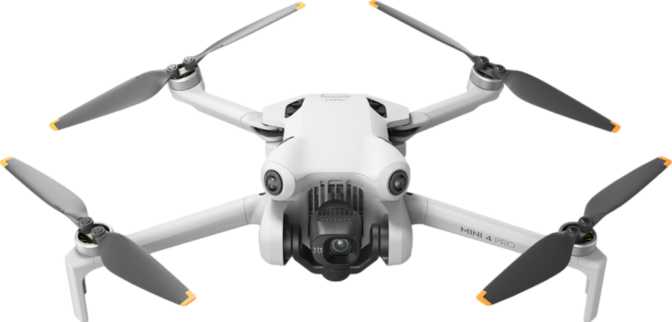
DJI Mini 4 Pro Review: An Honest Look at Camera and Flight Performance
DronesPick up the DJI Mini 4 Pro and the first thing that registers is how little it asks of you. It folds down small enough to disappear into the side pocket of a daypack, sits lighter in your hand than a full water bottle, and doesn't announce itself the way bigger camera drones do.
Then you look at what's packed underneath that unassuming shell a 48-megapixel sensor, 4K60 video, obstacle sensing, and a 45-minute flight ceiling and the picture changes. This is a drone built on a deliberate bet: that most people don't want to choose between "easy to carry" and "actually capable."
This review breaks down exactly how that bet plays out in daily use, what the design feels like in hand, how the camera performs in the situations that matter, where the flight characteristics shine or fall short, and who should, and shouldn't, be reaching for their wallet.
Design, Build Quality and Everyday Portability
Foldable Portability
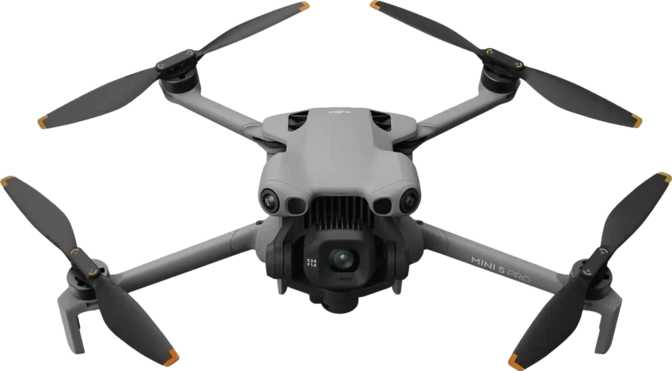
Folded arms shrink the aircraft down to something you can close one hand around and slide into a jacket pocket or backpack pouch. Unfolded, the arms extend out to a noticeably wider, more stable stance for flight.
Under the 250g Line
Weighing in just under 250 grams puts this drone under a threshold that many countries use to apply lighter registration and certification rules than heavier drones. Always confirm current local requirements before flying.
Splashproof, Not Waterproof
Light drizzle, morning mist, and damp grass landings are fine. A downpour or submersion is not what this rating covers, so keep expectations calibrated to "splash," not "submerge."
14°F to 104°F Range
Rated from -10°C to 40°C, which covers most seasonal flying. In cold weather, keep spare batteries warm in an inner pocket until just before takeoff, since lithium cells lose efficiency in low temperatures.
Flight Performance: Speed, Range, Stability and Safety
Realistic Flight Time Expectations
The headline 45-minute maximum is measured in calm air at a constant moderate speed with no aggressive maneuvering. Real-world flying, wind, climbing, hovering for shots, eats into that figure. Budget for meaningfully less than the stated maximum and treat the rest as a safety cushion.
Speed and Agility
A top speed of roughly 35 mph is fast enough to keep pace with a jogger, cyclist, or a fast-changing sunset shot, but agile rather than extreme. It is not a racing drone, and it isn't trying to be, this speed exists to serve photography and video.
Why 20 km of Range Rarely Matters
Most countries require visual-line-of-sight flying, so that 20 km figure is more a signal-strength reassurance than a usable radius. What it actually buys you is a stronger, more resistant connection at realistic distances near trees, buildings, or interference.
Obstacle Detection and Return-to-Home
Obstacle sensing brakes or alerts before a collision when your attention drifts to the live feed. Return-to-Home automatically flies back to the takeoff point on lost signal or critical battery. Both work best with a clear GPS lock and open sky, not a substitute for visual judgment.
Intelligent Flight Modes for Hands-Off Cinematic Shots
Automated orbiting, subject tracking, and preset cinematic flight paths produce polished-looking footage without requiring expert piloting, closing much of the gap between owning a drone and shooting footage that looks professional. These modes work best in open, obstacle-light environments.
Camera and Image Quality: The Real Reason People Buy This Drone
Battery Life and Charging Logistics for a Full Day of Flying
The included 2600 mAh battery is the foundation behind the 45-minute maximum flight figure and a reason the aircraft stays light enough to qualify for the lighter weight class. A full charge takes roughly 1.1 hours (about 66 minutes), fast enough that a short break between flights is realistic. The battery is removable and field-swappable, so spares keep you flying well past a single charge, and a battery that eventually degrades with age and charge cycles can simply be replaced on its own rather than retiring the whole aircraft.
| Batteries on Hand | Combined Maximum Air Time | What That Looks Like in Practice |
|---|---|---|
| 1 battery | Up to ~45 minutes | One flight, then a roughly hour-long wait before flying again |
| 2 batteries | Up to ~90 minutes | A second flight ready to go while the first battery recharges |
| 3 batteries (fly-more setup) | Up to ~135 minutes (2+ hours) | Charging keeps pace with flying as you cycle through batteries |
Figures shown are manufacturer-stated maximums, not averages. Real-world flying with wind and active framing will land somewhat below them.
Storage, Controller and Smart Features That Matter Day to Day
Memory Card Requirements at This Bitrate
Built-in storage amounts to just 2GB, enough for a quick emergency clip and nothing more. A microSD card is not optional, it's the only realistic way to use this drone. The external memory slot supports cards up to 512GB, and given the 150 Mbps top recording bitrate, it's worth doing the math before you buy a card.
| Card Size | Approx. Recording Time at Maximum Bitrate |
|---|---|
| 128GB | ~115 minutes (under 2 hours) |
| 256GB | ~230 minutes (under 4 hours) |
| 512GB (maximum supported) | ~460 minutes (about 7.5 hours) |
Controller Options
The included remote has a built-in display, so you can monitor your feed and flight data without mounting a phone. It also supports pairing a smartphone for the full companion app experience, choose minimal setup or full integration depending on the situation.
GPS, Compass and Stable Hovering
GPS, compass, and accelerometer together hold a rock-steady position in the air without your input, important during careful framing or longer-exposure low-light photos. GPS also underpins Return-to-Home and automatically geotags your photos.
Who the DJI Mini 4 Pro Is Really For
This Drone Fits You If
- You want serious photo and video quality without carrying a heavy, bulky drone
- You're new to flying and want safety nets like obstacle sensing and automated Return-to-Home
- You travel often and packability is a real priority, not a nice-to-have
- You want RAW photos and high-bitrate 4K video for genuine post-production work
- You care about staying under common drone weight regulations to simplify ownership
Consider Something Else If
- You need the absolute longest possible flight time per battery
- You're chasing competitive racing speed or extreme acrobatic FPV freestyle
- You routinely shoot in heavy rain or harsh weather beyond light drizzle
- You want a no-learning-curve toy drone with no manual controls at all
- You need a sensor and lens combination matched to a larger, heavier prosumer drone's optics
How It Compares to the Rest of the Market
Versus Entry-Level Mini Drones
Cheaper toy-class drones typically lack RAW photo capture, real obstacle sensing, or a sensor large enough for genuinely clean low-light results. The Mini 4 Pro's imaging hardware and safety systems put it in a different tier even though the physical size and weight class are similar.
Versus Larger Prosumer Camera Drones
Heavier drones above the 250-gram class generally offer longer flight times and, depending on the model, larger sensors or zoom lenses, because they aren't weight-constrained. What you give up by stepping up is the regulatory simplicity and travel-friendly portability that make the Mini 4 Pro easy to actually bring along.
The honest framing: the Mini 4 Pro isn't trying to beat larger drones at their own game, it's trying to get as close as possible to their image quality while staying in a far more portable weight class, and based on the specifications here, it closes that gap impressively.
Strengths and Weaknesses: The Honest Take
Where It Excels
The Mini 4 Pro's biggest strength is how rarely it forces a compromise. A sensor and bitrate this capable, paired with RAW capture and 4K60 video, would have been unthinkable in a sub-250-gram drone not long ago, and obstacle sensing plus automated flight modes mean beginners aren't sacrificing safety to get that image quality.
The removable battery and fast charge time mean a full day of flying is genuinely achievable without elaborate planning, and the splashproof rating removes a layer of anxiety that's common with smaller, more delicate drones.
Where It Falls Short
The 2GB of internal storage is effectively a non-feature, budget for a fast, high-capacity microSD card as a mandatory part of the purchase. The stated 45-minute flight time, like every manufacturer figure, is a best-case number that real-world flying won't consistently match.
The top of the ISO range introduces visible grain rather than clean low-light images, treat it as an emergency setting. And while 20 km of transmission range sounds dramatic, visual-line-of-sight rules mean you'll rarely use more than a small fraction of it.