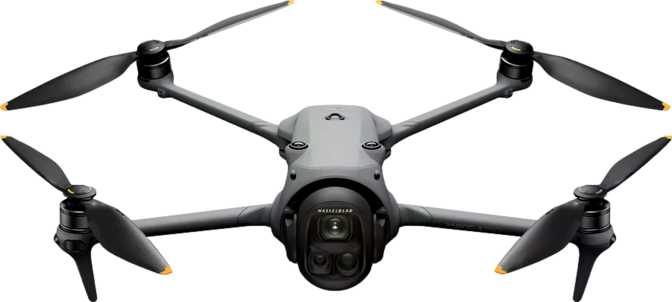
DJI Mavic 4 Pro Full Review: Aerial Imaging Tested
DronesThe gap between professional aerial cameras and consumer drones has been narrowing for years, but the DJI Mavic 4 Pro closes it to a near-invisible line. This is a drone built for photographers and videographers who refuse to compromise — people who want cinematic control without the logistics nightmare of a platform that needs a full crew to launch.
The Mavic 4 Pro's appeal is not built on one standout feature. It is the combination: a hundred-megapixel sensor capturing stills that rival medium-format territory, battery endurance that outlasts most shooting sessions, and a flight platform that handles speed, range, and obstacle avoidance in a package that folds down and fits in a travel bag.
Impressive specifications exist on many products that disappoint in practice. Here is an honest look at what these numbers actually mean for the person flying this drone.
Design, Build, and How It Feels in the Field
Size and Portability
The Mavic 4 Pro lands at the larger end of the "portable" category. At just over a kilogram — a hair above the threshold that triggers heightened regulatory scrutiny in many countries — it is not a stealth option. But the weight reflects the hardware inside: a large imaging sensor, a generous battery, and the structural rigidity that keeps a heavy camera stable at altitude.
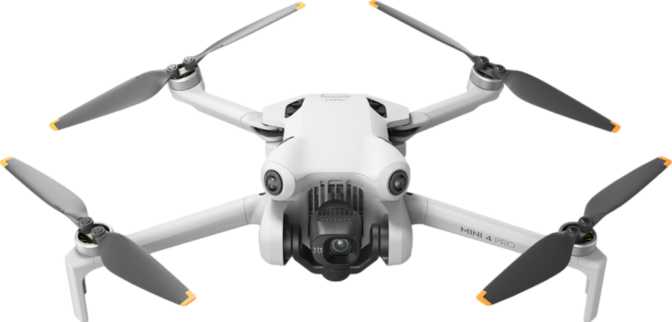
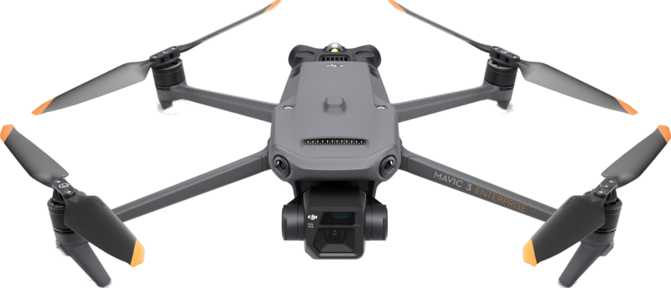
Folded, the drone occupies roughly the footprint of a thick hardcover book, carry-on friendly and backpack-compatible but not a device you slide into a jacket pocket. Unfolded, it extends to nearly 40 centimeters at its widest — a span that gives a real sense of the rotor geometry responsible for stable lift under load. The folding arms lock into position with a firm, deliberate click, and nothing flexes when it should not.
Weather Limitations: One Honest Caution
This matters because aerial photography opportunities do not arrive on schedule. Dramatic light follows storms. Low cloud conditions produce the most striking footage. If shooting in adverse weather is part of your workflow, this limitation deserves serious weight before purchase.
The drone operates reliably within its rated temperature range, which covers most temperate and warm-climate conditions. Sub-freezing shoots are possible, but battery performance will shorten in genuine cold — a physics reality, not a design flaw. Below the rated minimum, operating risk to electronics increases significantly.
Flight Performance: What Fifty-One Minutes Actually Means
Endurance
Fifty-one minutes of rated flight time is the headline figure, and it earns that position. For context: thirty minutes of useful air time is considered strong in this category. Forty is exceptional. Fifty-one is the kind of number that changes how you plan a shoot — from rationing battery time to actually thinking about composition.
In practice, flight duration depends on conditions. Full speed, headwinds, and high altitude all reduce the ceiling. But the baseline reserve is generous enough that conservative pilots in calm conditions can approach the rated figure regularly. For location photographers covering a large property, or cinematographers capturing a long sequence over a wide area, this endurance removes the anxiety of watching a battery percentage counter while trying to be creative.
The battery is removable, which matters significantly in the field. Two or three spares turn a half-day shoot into a full-day operation without requiring proximity to a power outlet.
Speed and Range
A top speed of 25 meters per second — roughly 90 kilometers per hour — places this drone well above recreational pace. For comparison, a professional cyclist at sprint speed reaches around 60–70 km/h. At 90, the Mavic 4 Pro moves fast enough to track vehicles, capture dynamic action, or simply reposition between shots without wasting battery time in transit.
The maximum operational range extends to 41 kilometers. In practice, most pilots will never approach this figure — local regulations, visual line-of-sight rules, and common sense keep flights much shorter. But the range ceiling provides a practical benefit: strong, stable signal even at extended distances where less capable platforms begin showing control lag or video compression artifacts.
Obstacle Detection and Safety
Active obstacle detection identifies objects in the drone's flight path and responds — either stopping, rerouting, or alerting the pilot. For new pilots, this is the feature that converts near-misses into clean flights. For experienced pilots, it is the background safeguard that catches complacency.
Return to Home automatically brings the drone back to its launch point if signal is lost or the pilot triggers it manually. Combined with GPS positioning, an onboard gyroscope, and accelerometer-based stabilization, the drone holds its position in space even without active stick input — hovering steadily while you frame your next shot rather than drifting with the wind.
The Imaging System: A Hundred Megapixels With Purpose
Still Photography
One hundred megapixels requires context to mean anything. At that resolution, the sensor captures images with enough detail to print at billboard scale, to crop aggressively in post-processing and simulate a longer focal length, or to extract high-quality still frames from different angles in a single hover without needing additional passes.
The sensor handles light sensitivity to ISO 12800 — a figure that determines how the camera performs as light levels fall. Higher ISO values introduce digital noise, and a ceiling of 12800 means the camera can produce usable results in twilight and dawn conditions where lower-sensitivity sensors would struggle. Whether the processing pipeline exploits this ceiling cleanly is a matter of real-world testing beyond raw specification, but the ceiling itself is respectable for an aerial platform.
RAW file support is not a marketing point — it is a workflow requirement for anyone serious about post-processing. RAW files preserve the full sensor data before any compression or in-camera processing, giving editors latitude to correct exposure, recover clipped highlights and shadows, and apply precise color grading. Shooting JPEGs from a camera this capable is leaving meaningful quality behind.
The 72° field of view covers a wide but not extreme angle — the visual equivalent of standing in a room and seeing most of it in one glance, without the geometric distortion that ultra-wide angles introduce at frame edges. For aerial work, this balance serves architectural and landscape photography well: natural perspective without warped structures.
In-Camera Features That Save Time
-
Built-in HDR Mode Automatically captures and merges multiple exposures to hold detail in both bright skies and shadowed ground — a constant challenge in aerial work where earth and sky rarely expose correctly at the same setting. For run-and-gun shooting where manual bracketing is impractical, this automated solution is genuinely useful.
-
Burst / Serial Shot Mode Enables rapid sequential captures, useful for action sequences where selecting the sharpest single frame from a fast series is more reliable than trying to time one perfect shot manually.
-
In-Camera Panorama Stitching Removes the post-processing step of assembling wide-view composite images. The drone captures the constituent frames and merges them automatically — a time-saver on location where setup and teardown compete with shooting time.
-
CMOS Sensor Architecture The CMOS sensor design enables the fast readout speeds necessary for both high-frame-rate video and low-distortion capture of fast-moving subjects — the fundamental hardware that makes everything else in this imaging system possible.
Video: Cinema-Grade Footage From a Folding Platform
Resolution and Frame Rate
The video system records footage at approximately 3,400 pixels across — a resolution tier that delivers genuine detail for theatrical and commercial delivery, with files that hold up in grading and post-production. At up to 60 frames per second, the system supports both high-frame-rate slow motion and smooth real-time capture. Shot at 60fps and played back at the standard cinematic rate, footage renders at 2.5 times slower than real life — a multiplier that transforms ordinary movement into weightless, deliberate visual storytelling.
The 24p cinema mode — 24 frames per second — is the frame rate used in most theatrical films. It carries a distinct visual character that audiences associate with cinematic narrative, separate from the hyper-realistic, documentary feel of higher frame rates. Having this as a dedicated mode signals that the camera is designed with production intent, not just technical capture.
HDR extends to video, preserving tonal range in moving footage the same way it does in stills — particularly valuable for sunrise and sunset work where sky and foreground rarely cooperate with a single exposure value.
The FPV Camera
A secondary FPV (first-person view) camera captures the forward-facing perspective as the drone flies — showing the pilot an immersive eye-level view of the airspace ahead. This serves multiple roles: improving situational awareness during fast or low-altitude flight, capturing unique perspectives distinct from the primary imaging sensor, and providing footage that, when cut against primary camera material, creates dynamic visual contrast in edited sequences.
Battery and Field Endurance: The Math That Matters
The battery supporting the Mavic 4 Pro's systems holds a substantial charge — large enough to sustain that fifty-plus-minute flight ceiling. The more operationally interesting figure is the charge time: from depleted to full in just under an hour.
Most batteries of comparable capacity require two to three hours to restore. Sub-hour charging dramatically changes field logistics. A meal break, a drive between locations, or a short rest is enough to bring a depleted battery back to full readiness. For the photographer managing a full day of shoots, this ratio — less charging time than flight time — means a drone that keeps pace with a demanding schedule.
Three batteries in rotation give approximately two and a half hours of continuous operation with brief swap pauses. For wedding cinematographers, real estate teams, or documentary crews working a full day at a single location, this arithmetic makes the Mavic 4 Pro viable as a single-drone solution without compromise.
Intelligent Flight Modes and Autonomous Capabilities
The Mavic 4 Pro includes a full suite of automated flight modes that execute complex movement patterns while the pilot monitors and makes high-level creative decisions. These modes typically cover subject tracking, pre-programmed orbital paths, terrain-following flight lines, and cinematic reveal sequences.
For solo operators — the single person who is simultaneously creative director, camera operator, and pilot — these autonomous modes substitute for a second crew member. The drone executes while the operator thinks about framing, timing, and story rather than managing altitude, bearing, and speed simultaneously.
GPS positioning underpins all of these features, providing precise location reference for accurate, repeatable paths. The combination of GPS, gyroscope, accelerometer, and compass creates a positioning and stabilization system that holds the drone in space reliably even during complex automated sequences — and keeps manual hovering rock-solid while you frame a shot.
The Remote Controller: Flying With a Built-In Screen
A Display That Changes the Experience
The included remote controller has a built-in display — a distinction that separates serious drone controllers from basic pairing accessories. Flying with a dedicated screen means no searching for the right phone mount, no anxiety about screen brightness in direct sunlight, and no drawing down a phone's battery just to see a live feed.
For pilots who fly regularly, this is a workflow improvement that compounds over time. Fewer setup variables, fewer points of failure, faster deployment from bag to airborne.
Smartphone Integration
The controller also supports smartphone connection, offering flexibility for pilots who prefer a larger viewing area or whose workflow integrates mobile applications for mission planning, telemetry logging, or flight path programming. A phone is an option here, not a requirement — that distinction matters.
Storage and Data Management
The 42 GB of internal storage handles a meaningful session's worth of captures before requiring an external card — a useful buffer for spontaneous shooting situations where swapping media mid-flight is impractical. For RAW shooters and video-heavy workflows, a high-capacity, high-speed external card is strongly recommended: files at this resolution accumulate quickly.
Having both internal and external storage creates practical redundancy. If an external card reaches capacity or fails mid-session, the internal storage becomes an immediate fallback. For professional assignments where missing a shot is not an acceptable outcome, this dual-option architecture is a genuine safety net.
Who the DJI Mavic 4 Pro Is Built For
Professionals
Photographers and videographers who need aerial imagery at a quality level suitable for commercial, editorial, or broadcast delivery. The sensor resolution, RAW output, and video system meet professional standards.
Real Estate and Architecture
Professionals who need to capture properties comprehensively in a single session. The flight endurance, camera quality, and intelligent modes cover wide establishing shots and close-detail passes without compromise.
Travel and Documentary Creators
People who carry their kit through airports and onto remote locations. Serious capability without checked luggage is a meaningful operational advantage when every kilogram counts.
Solo Operators
Pilots who cannot afford a dedicated crew separate from the camera operator role. Intelligent flight modes and obstacle detection effectively extend what one person can safely manage in the air.
Enthusiast Pilots
Those with professional aspirations who want a platform that advances their skills rather than quickly exposing its own ceiling. The Mavic 4 Pro will not be the limiting factor in your creative development.
Competitive Positioning
The Mavic 4 Pro occupies the upper prosumer tier — the space between consumer-grade drones and full professional aerial cinema rigs that cost multiples more and require dedicated operators for each flight.
| Feature | DJI Mavic 4 Pro | Entry-Level Drones | Pro Cinema Rigs |
|---|---|---|---|
| Camera Resolution | 100 MP | 12–48 MP | 100 MP+ |
| Max Flight Time | 51 min | 20–30 min | 30–45 min |
| RAW Capture | |||
| Weather Sealing | |||
| Portability | High (foldable) | Very High | Low (crew required) |
| Built-in Screen Remote | Varies | ||
| Obstacle Detection | Varies | ||
| Solo Operator Viable |
General category comparisons based on representative market positioning. Individual models within each tier vary.
Real Strengths and Honest Limitations
What It Does Well
-
Camera System That Matches Professional Expectations A hundred-megapixel sensor from an aerial platform that folds into a bag is a genuine capability shift. Photographers can treat drone imagery as primary material rather than supplementary establishing footage.
-
Battery Arithmetic That Works in Your Favor Long flight time, fast charging, and a removable battery design combine into field productivity that rivals dedicated professional systems without the overhead they require.
-
Built-In Controller Screen Setup becomes simpler, failure points decrease, and bright-sunlight operation becomes less frustrating — a design decision that feels modest on paper and significant every time you fly.
-
Versatile Intelligent Flight Modes Autonomous tracking, orbital passes, and reveal sequences let a single operator execute work that would otherwise require a dedicated pilot, freeing creative attention for composition and storytelling.
Where It Falls Short
-
No Weather Sealing The most meaningful limitation at this capability level. A sensor this capable invites photographers toward dramatic weather conditions — exactly those the drone is least equipped to handle. Operating discipline is not optional.
-
Regulatory Weight Category The weight places the drone above exemption thresholds in several jurisdictions. Administrative steps and additional licensing add friction to professional deployment in some markets.
-
Cold Weather Battery Degradation While the rated operating range includes sub-zero temperatures, real-world battery endurance shortens meaningfully in cold conditions. Winter shooting requires planning for reduced flight time per charge.
-
Steep Entry Cost The investment is not casual. Buyers who need to stretch to afford it will find the purchase anxiety counterproductive. The full value of this platform only becomes accessible when you can fly it freely, without hesitation.
Questions Real Buyers Are Asking
DJI Mavic 4 Pro: Our Recommendation
The DJI Mavic 4 Pro is a genuinely accomplished aerial imaging platform. Not a device that makes compromises and asks you to accept them, but one that has thought carefully about what professional and serious enthusiast photographers actually need in the air — and delivered most of it in a portable, field-ready form.
The camera system is the primary reason to buy this drone. A hundred-megapixel sensor with RAW capture, HDR, cinema frame rates, and high-resolution video does not need marketing language to justify itself — it justifies itself in delivered files. The flight endurance and fast-charging removable battery mean that camera gets used for a full workday, not rationed through short sessions. The built-in controller screen means fewer setup variables and more time actually flying.
The lack of weather sealing is the clearest gap at this capability level, and it should factor genuinely into the decision for anyone who regularly works in challenging environmental conditions. It is not a dealbreaker — it is a constraint that requires discipline.
For professional photographers, documentary filmmakers, real estate cinematographers, and serious enthusiast pilots ready to invest in a tool that will not limit them: the Mavic 4 Pro earns its place at the top of the portable aerial imaging category. Buy the extra batteries.