Xiaomi Redmi Pad 2 Pro Full Review: Big Screen, Smart Value
TabletsQuick Score Breakdown
The mid-range tablet market has a familiar problem: you either get a great display with a weak processor, a capable chip paired with a mediocre screen, or solid hardware buried under a battery that gives up before dinner. The Xiaomi Redmi Pad 2 Pro attempts something more disciplined — it identifies the handful of things that matter most to everyday tablet users and actually delivers them, rather than spreading thin across a long spec sheet full of caveats.
This is a Wi-Fi-only tablet with a 12.1-inch screen, a current-generation mid-range processor, and a battery that is, frankly, enormous. Whether that combination is right for you depends on what you’re actually using a tablet for — and this review will give you a clear answer to that.
Design and Build: Thin, Considered, and Comfortable to Hold
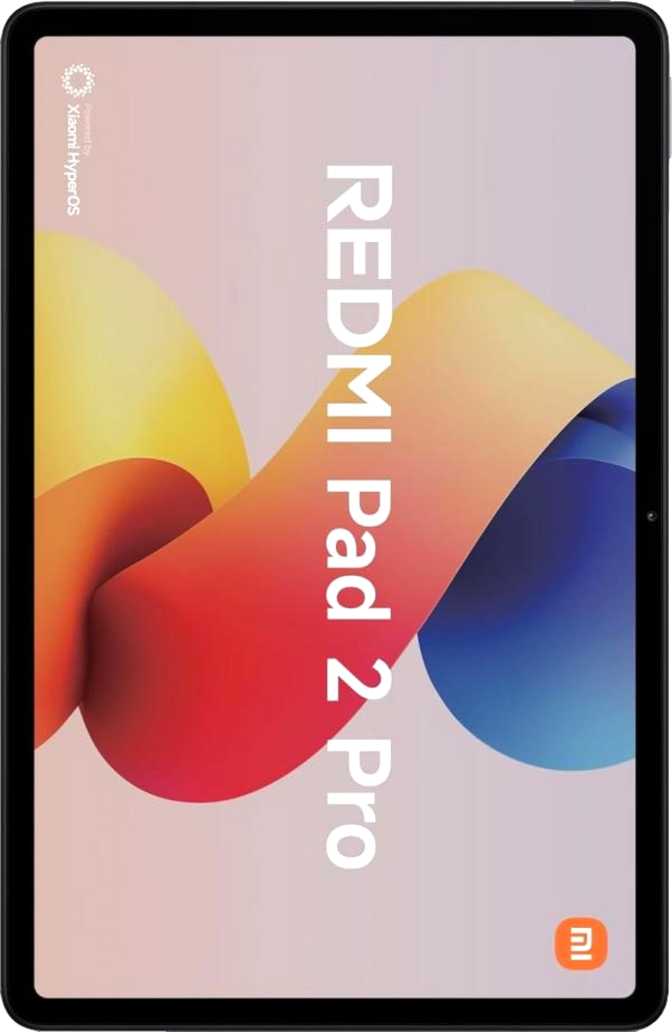
At 7.5mm thick, the Redmi Pad 2 Pro is genuinely slim for a tablet of this size — slimmer than many devices in its class. The footprint measures roughly 280mm wide by 182mm tall, which puts it comfortably in the territory of an A4 sheet of paper. That’s not a coincidence; tablets at this size are designed to approximate the experience of holding a document, a book, or a magazine.
The weight of 610 grams is the honest trade-off. Held in two hands in landscape orientation, this is manageable for extended reading or video sessions. Held in a single hand — say, standing on a commute — it will make itself known after fifteen or twenty minutes. This is not unusual for a 12-inch tablet; it’s simply the physics of the form factor.
Build quality at this price tier often gets glossed over in reviews, so let’s be direct: the glass protection here is Gorilla Glass 3, which is a meaningful generation behind the latest iteration but offers real resistance to everyday scratches and minor drops. It’s not bulletproof, but it’s not decorative either.
Accessories and Protections Not Included
- No water resistance rating of any kind — keep away from poolside or kitchen splashes.
- No bundled stylus — compatible accessories exist but are sold separately.
- No bundled keyboard — supported as an accessory category but requires separate purchase.
The Display: Where the Redmi Pad 2 Pro Earns Its Stripes
Screen Size and Resolution
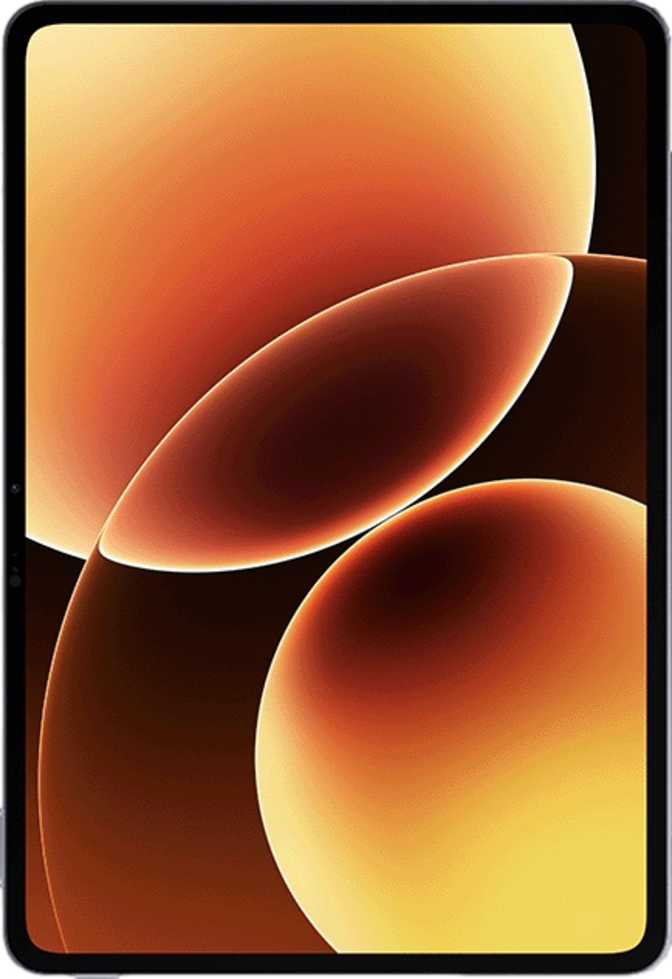
The 12.1-inch IPS LCD panel resolves at 2560 by 1600 pixels, landing at roughly 249 pixels per inch. To put that in practical terms: individual pixels are invisible at normal viewing distances. Text looks sharp whether you’re reading a novel, annotating a PDF, or browsing websites. Images and UI elements render with clarity that punches meaningfully above what this price point typically delivers.
IPS LCD is worth addressing directly, because some buyers assume AMOLED is automatically superior. For tablet use — especially in well-lit rooms — IPS has real advantages: consistent brightness across the entire panel, no risk of burn-in during static content like document apps or spreadsheets, and accurate color reproduction that doesn’t lean artificially saturated. The trade-off is black levels; LCD blacks are dark grey compared to the true black of OLED. For movies watched in a dim room, this is perceptible. For everything else, it’s rarely relevant.
Refresh Rate and Touch Response
The panel runs at 120Hz, meaning content scrolls and animates at twice the smoothness of a standard 60Hz display. For web browsing, reading, and casual gaming, this makes a tangible difference — motion feels fluid rather than choppy. The touch sampling rate pushes even higher at 240Hz, which means the screen registers your finger position up to 240 times per second. In practice, this makes the screen feel instantly responsive, with virtually no lag between touch and on-screen action.
Brightness and Dolby Vision
At 600 nits of typical brightness, this display is comfortable indoors and usable in most outdoor conditions with some shade. Full direct sunlight will challenge it, as it does most tablets in this tier. The contrast ratio of 1500:1 gives images a sense of depth without the extremes that only OLED achieves.
Dolby Vision support is a genuine addition here. Streaming services that offer Dolby Vision content — and major platforms increasingly do — will deliver richer highlight detail and a more cinematic presentation than standard HDR. Note that HDR10+ is not supported; buyers specifically invested in that format should be aware of the distinction, though most streaming libraries prioritize Dolby Vision anyway.
Performance: A Processor Built for Today and Tomorrow
The Chip and What It Means
The Snapdragon 7s Gen 4 is Qualcomm’s current entry in the upper-mid tier — fabricated on a 4-nanometre process, which is the same manufacturing technology used in flagship chips. Smaller fabrication nodes mean better performance per watt, which translates to faster speeds without excessive heat generation. The processor arranges eight cores across three performance tiers: one high-performance core at 2.7GHz handles the heaviest tasks, three balanced cores at 2.4GHz manage mid-weight workloads, and four efficiency cores at 1.8GHz cover lighter tasks like reading or background streaming. Demanding tasks get peak power when needed; battery life is protected when it isn’t.
For a tablet used in everyday scenarios — browsing, streaming, productivity apps, casual gaming, video calls — this chip is more than sufficient. It handles multitasking without hesitation and runs current Android apps without compromise.
RAM and Storage
Eight gigabytes of RAM paired with 256GB of internal storage is a well-matched combination for this use case. The RAM operates on the current DDR5 standard, giving the system fast memory access that keeps apps running smoothly when switching between tasks. The tablet also supports RAM expansion of up to an additional 16GB by drawing on internal storage, which extends multitasking headroom further on demand.
The 256GB internal storage covers a substantial library of apps, offline content, and documents. For users who want more, a microSD card slot accepts additional storage up to 1.5TB — a generous ceiling that makes running out of space a non-issue for virtually any use case.
Gaming Performance
The integrated graphics processor supports the full range of games currently available on Android. Casual and mid-tier titles run at high settings without issue. Demanding 3D games will perform well, though at the most intensive graphical settings in the heaviest titles, some frame rate variation is possible — the honest expectation for any mid-range GPU, regardless of manufacturer. The chip’s thermal management keeps the device from running hot during extended sessions, which matters especially for tablets used in sustained gaming or streaming.
Audio: Surprisingly Complete
Audio is an area where budget tablets frequently cut corners and hope users won’t notice. The Redmi Pad 2 Pro takes a more complete approach.
Stereo speakers are present — meaning sound comes from two distinct points and creates a sense of width, which matters for movies and music. A 3.5mm headphone jack survives here, which is not guaranteed on modern devices and will matter immediately to anyone with wired headphones they prefer over wireless.
For wireless audio, the Bluetooth 5.4 implementation supports both aptX HD and LDAC — high-resolution audio codecs that transmit significantly more data than standard Bluetooth audio connections. For users with compatible wireless headphones, this means audio quality approaching what you’d expect from a wired connection. The absence of aptX Adaptive is a minor limitation for users with the most recent high-end wireless headphones, but LDAC covers the same quality ceiling through a different technical path.
Battery Life: The Quiet Headline
The battery here is large — very large. Consider what it means in practice: a tablet of this size with this processor could realistically carry a user through multiple full days of mixed use — streaming, browsing, reading, and occasional video calls — before needing a charge. For most people, charging every other night rather than every night is a realistic expectation.
When you do need to charge, fast charging brings it from empty to full in approximately two hours. That is a reasonable turnaround for a battery this size, and it means an hour of charging while you cook dinner can restore a substantial portion of the day’s capacity.
Wireless charging is not supported. For a tablet, this is a minor omission rather than a critical one — tablets spend most of their downtime on a surface anyway, and a cable is no inconvenience in that context.
Software and Features
The Redmi Pad 2 Pro ships with Android 15, the current version, with Xiaomi’s MIUI interface layered on top. Android 15 brings a mature feature set including split-screen multitasking, Picture-in-Picture for video apps, dark mode, customizable notifications, and comprehensive privacy controls — including per-app camera and microphone access management and app tracking controls.
The multi-user functionality means different household members can have separate profiles on the same device, with their own apps, settings, and accounts. Child lock functionality is also included for families. Dynamic theming adjusts the interface palette based on wallpaper colors, making the home screen feel cohesive rather than generic.
The on-device machine learning capability enables features like offline voice recognition and Live Text — the ability to interact with text detected in images, such as copying a phone number from a photo without needing an internet connection.
Wi-Fi 6 (802.11ax) is supported alongside the older Wi-Fi 5 standard, meaning the tablet benefits from faster speeds and better network efficiency on modern routers — particularly relevant in homes with many connected devices.
What the Redmi Pad 2 Pro Does Not Do
Transparency here is as important as celebrating what the tablet does well. Several omissions will matter to specific buyers, and they deserve to be stated plainly before a purchase decision is made.
Wi-Fi only — no SIM slot, no LTE, no 5G. Internet access away from Wi-Fi requires tethering to a smartphone.
Navigation and precise location-based apps do not function independently. Standalone navigation without a phone is not possible.
Biometric security relies on 2D camera-based face recognition — convenient, but less secure and less reliable in low light than a fingerprint sensor.
Contactless payments and NFC-based data transfer are not available. Mobile payment apps that rely on NFC will not function.
Who This Tablet Is For — and Who Should Look Elsewhere
-
Streaming and Media at Home
The large screen, Dolby Vision support, stereo speakers, and strong audio codec support make this a compelling living room or bedroom entertainment device.
-
Students and Remote Workers
Screen size, split-screen multitasking, 256GB storage, and a microSD expansion slot give serious productive capability at a price well below premium tablets.
-
Readers and Note-Takers
The sharp display and large form factor suit long-form reading. With a compatible stylus, it becomes a capable digital notebook.
-
Family Households
Multi-user profiles, child lock, and a battery that lasts through the day without anxiety make shared family use practical and worry-free.
-
Users Needing Cellular Internet
Wi-Fi only. No SIM means tethering to a phone away from home — a genuine lifestyle constraint for frequent travelers.
-
GPS-Dependent Workflows
No onboard GPS means standalone navigation and precise location-based apps require a connected phone to function.
-
OLED Display Enthusiasts
Buyers who prioritize cinema-grade black levels — especially in dim environments — will find the IPS panel technically inferior to OLED alternatives.
-
Demanding Creative Professionals
The most intensive creative and processing workloads need flagship-tier performance that this upper-mid-range chip cannot match.
Competitive Positioning
The Redmi Pad 2 Pro occupies a genuine gap in the market: a large, high-resolution display with 120Hz refresh and strong audio at a price that doesn’t compete with flagship tablets. Where it loses ground to premium devices is in panel technology and raw processing power. Where it outperforms budget alternatives is in almost every measurable dimension — screen size, resolution, chip generation, storage, and battery capacity.
| Feature | Redmi Pad 2 Pro | Budget 10″ Tablet | Premium 12″ Tablet |
|---|---|---|---|
| Display Size | 12.1″ | 10.4″ | 12.9″ |
| Panel Type | IPS LCD, 120Hz | IPS LCD, 60–90Hz | OLED, 120Hz |
| Processor Tier | Upper-mid | Entry-mid | Flagship |
| Base Storage | 256GB + expandable | 64–128GB, no expansion | 256GB, no expansion |
| Battery Endurance | Multi-day | Full day | Full to multi-day |
| Audio Codecs | LDAC + aptX HD | aptX only | LDAC + aptX HD |
| 3.5mm Jack | Yes | Varies | No |
| Cellular Option | No | Often available | Yes (extra cost) |
| Price Tier | Mid-range | Budget | Premium |
Honest Assessment: Strengths and Weaknesses
Where It Excels
The display is its most compelling asset. At this screen size, resolution, and refresh rate — with Dolby Vision support added on top — the visual experience significantly outperforms what the price would suggest. Combined with an audio package that includes LDAC and a physical headphone jack, it’s a genuinely strong multimedia machine.
The battery endurance is a practical everyday advantage that’s easy to undervalue until you’ve owned a tablet that regularly runs short. Not needing to carry a cable everywhere because you know the device will make it through the day is a quality-of-life benefit that compounds over time.
The processor is well-matched to the use case. It’s not a workstation, and it’s not trying to be — but for the tasks most tablet users spend most of their time on, it performs without friction.
Where It Falls Short
The lack of cellular connectivity limits it to contexts where Wi-Fi is available, which is a meaningful lifestyle constraint rather than just a spec gap. The absence of GPS, NFC, and a fingerprint scanner are smaller but real gaps in a device that otherwise presents itself as a complete package.
Buyers who place high value on OLED display quality — particularly for movie watching in dim environments — will find the IPS panel technically inferior to what premium alternatives offer, even if it’s excellent for its tier. And the most demanding creative or processing workloads will need more raw performance than this chip delivers.
Common Buyer Questions Answered
Final Verdict
The Xiaomi Redmi Pad 2 Pro is one of the more coherent tablet offerings in the mid-range tier. It doesn’t try to do everything — and the things it deliberately omits are clearly scoped for a home and Wi-Fi lifestyle. Within that scope, it over-delivers.
It delivers a display that punches above its price, audio that serious listeners will actually appreciate, battery endurance that removes daily charging anxiety, and a current-generation processor that handles real workloads without drama. The microSD expansion, 3.5mm jack, and LDAC support are the kind of details that feel routine until you buy a device that doesn’t have them.
If you use a tablet primarily at home or in Wi-Fi environments for streaming, reading, studying, or general productivity — and you want the largest, sharpest, most capable screen you can get without paying premium prices — the Redmi Pad 2 Pro earns a strong recommendation. If you need independence from Wi-Fi, built-in navigation, or OLED display quality, the right device is a different one. For the buyer this tablet is designed for, it’s a well-executed, honest product at a fair price.
Xiaomi Redmi Pad 2 Pro
Highly Recommended