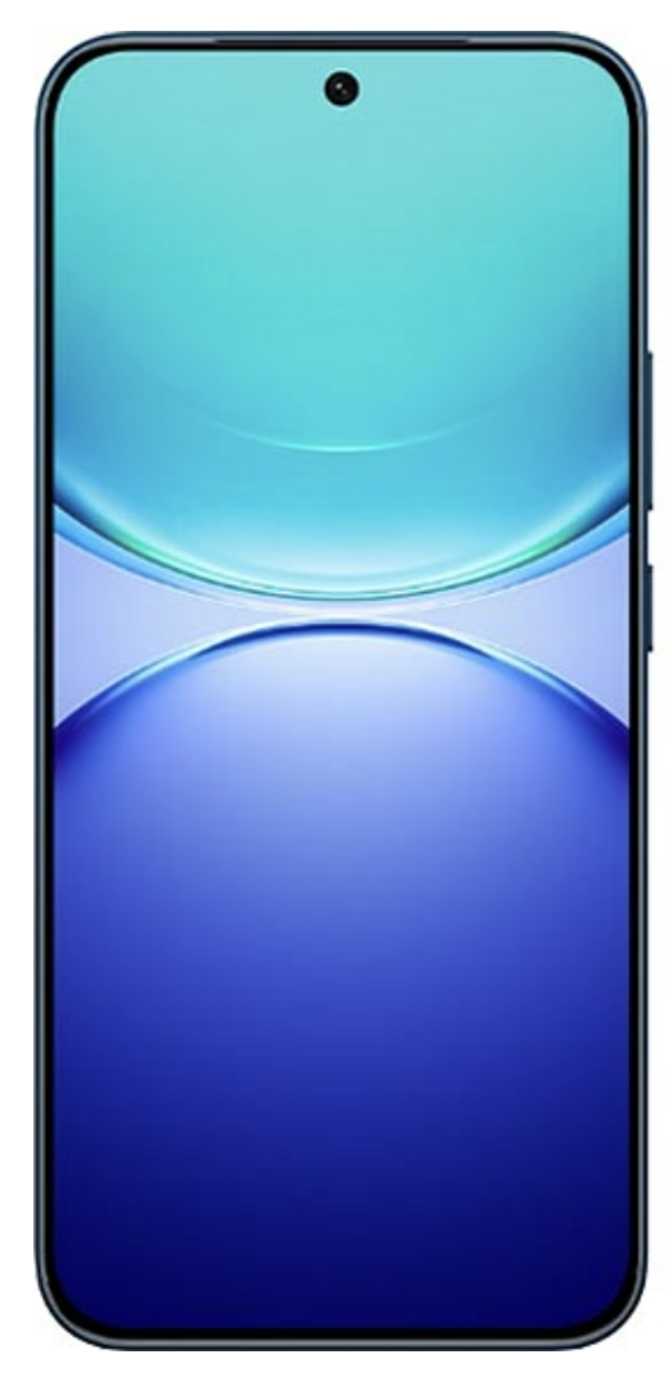
Vivo Y600 Turbo Full Review: Built for Battery Life and Built to Last
SmartphonesThe Vivo Y600 Turbo makes a bet that most mid-range phones won't: that serious battery endurance and legitimate waterproofing matter more to real buyers than camera versatility or wireless charging convenience. Whether that bet pays off depends entirely on what you need a phone to do — and this review answers exactly that.
Design and Build: Slim for Its Class, Substantial in Hand
Well-proportioned at 8.3mm thin — with IP68 waterproofing that rivals the most expensive flagships.
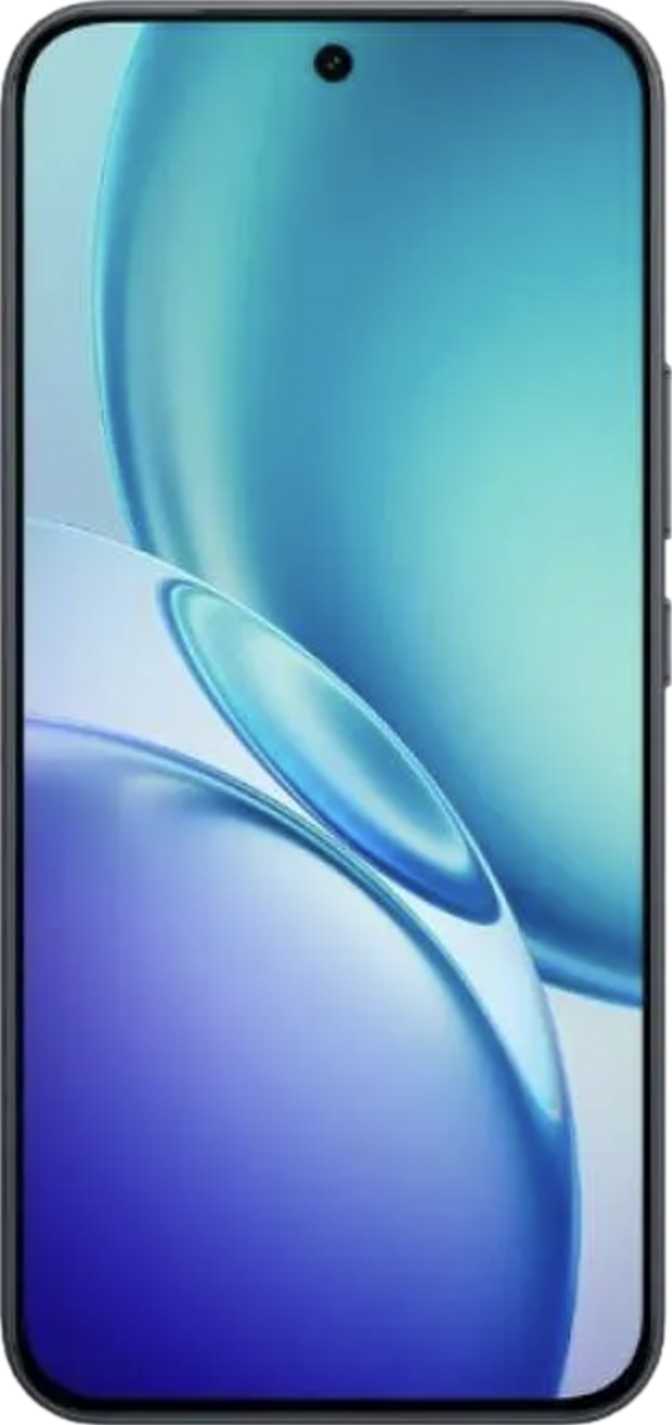
The Y600 Turbo's first physical impression is its thinness relative to the power reserve it carries. An 8.3mm profile is genuinely slim for a phone with this battery ambition — comparable devices frequently accept a thicker frame as the price of raw capacity. Vivo has found a different path here: the phone does not announce its endurance through bulk.
At 215 grams, real weight is present. At over 163mm tall and 76mm wide, this sits firmly in large-screen territory. Users transitioning from compact devices should handle one before purchasing; single-handed operation requires deliberate adjustment. Users already accustomed to large-screen phones will feel immediately at home.
The display does not carry a branded scratch-resistant glass treatment. Without confirmation of a proprietary protection layer, a screen protector is a practical precaution on a phone this size, where the display occupies substantial exposed surface area.
IP68: Genuine Waterproofing, Not Splash Resistance
IP68 is the highest water resistance standard consumer devices carry, certifying full submersion protection to 1.5 meters in fresh water. This is qualitatively different from the IP53 and IP54 splash ratings that populate most phones at this price tier — those protect against light rain and sprays, not submersion.
Using the Y600 Turbo near a pool, in heavy rain, on a wet kitchen counter, or in a steamy bathroom is entirely safe. The same IP68 certification appears on the most expensive flagship devices on the market; finding it at this tier is a meaningful distinction. What IP68 does not cover: salt water, high-pressure jets, and impact damage.
- Height163.7 mm
- Width76.2 mm
- Thickness8.3 mm
- Weight215 g
- Form FactorNon-folding
- IP RatingIP68
- Water Depth1.5 m
- Rugged BuildNo
The Display: OLED Quality Where Mid-Range Buyers Rarely Find It
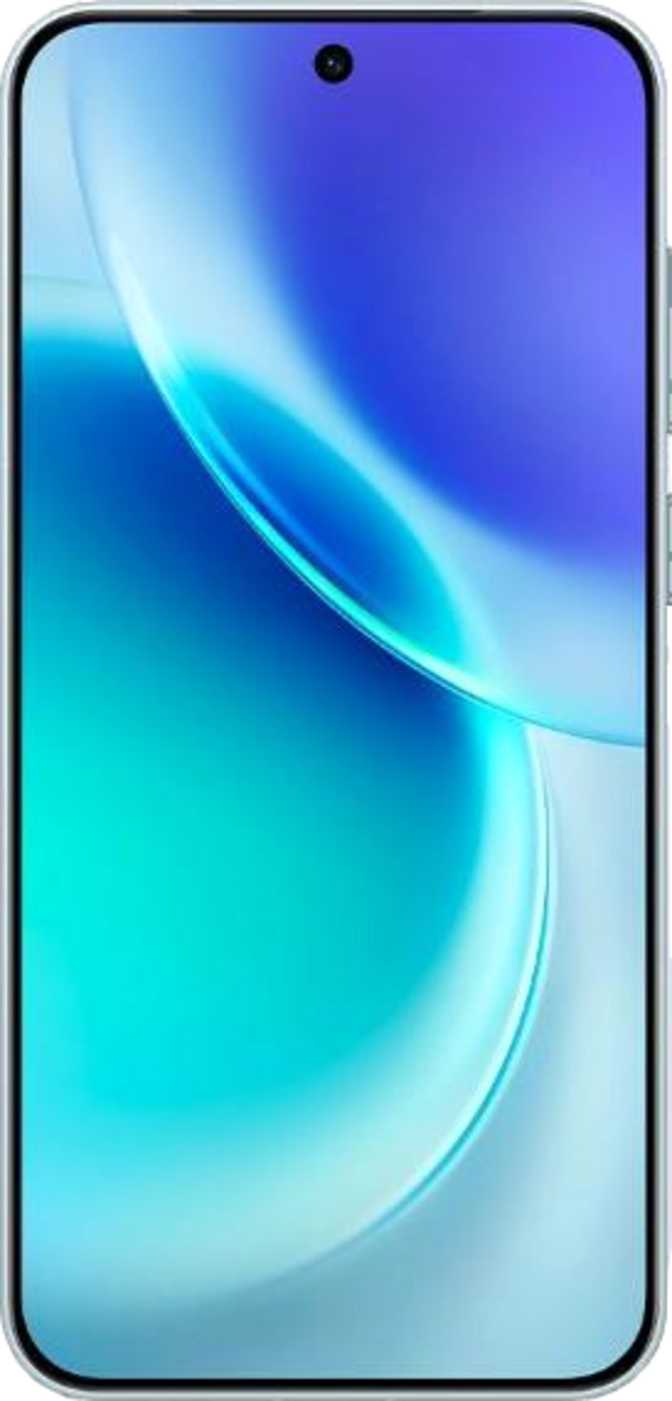
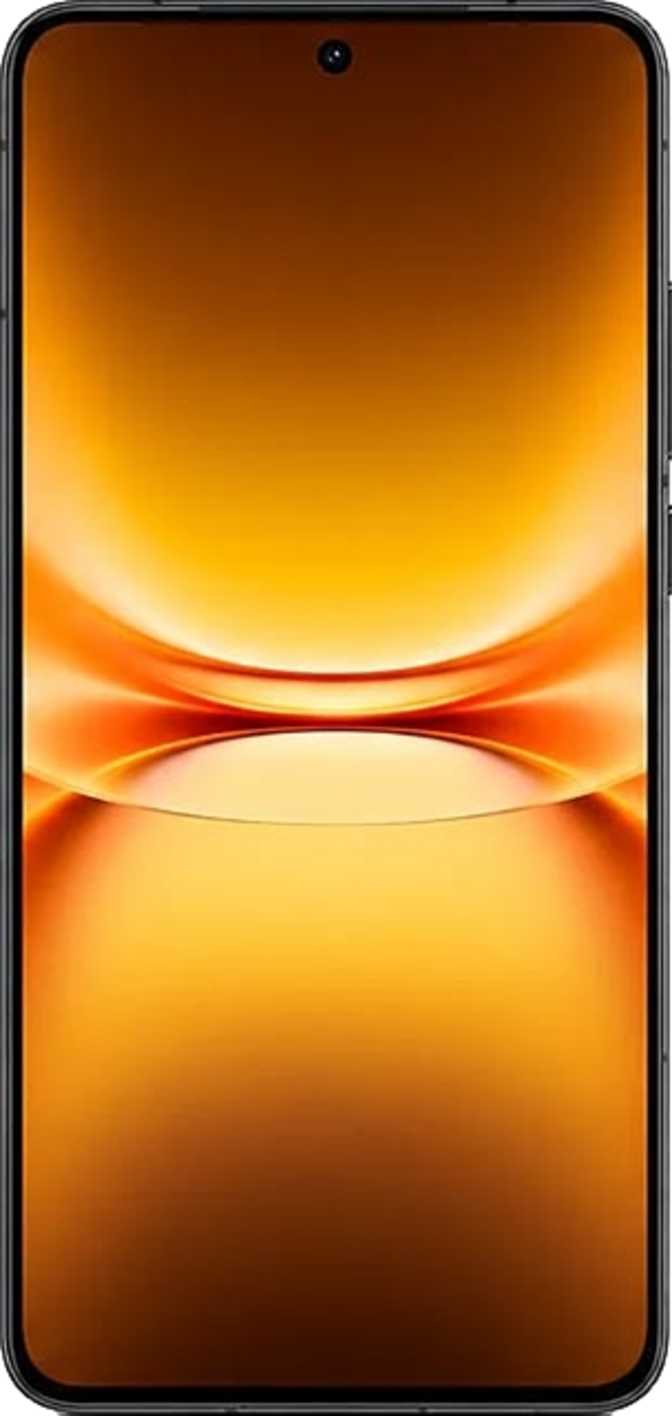
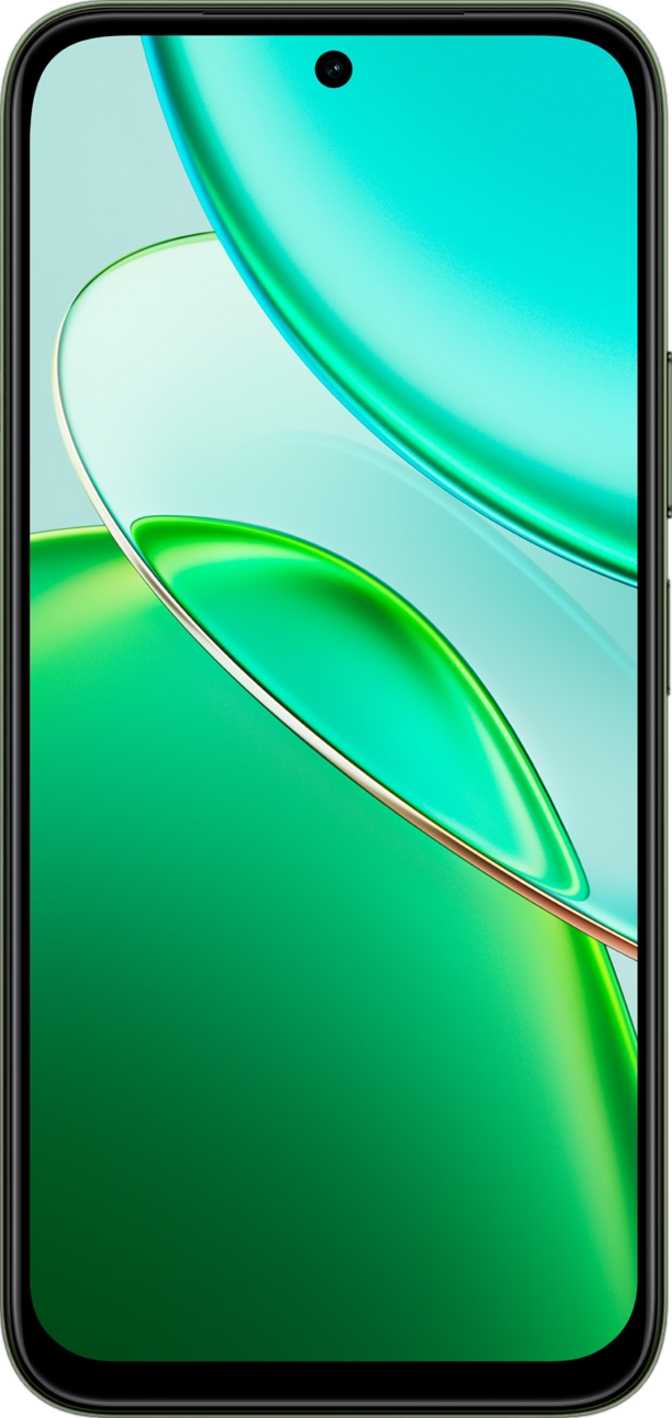
A 6.83-inch OLED panel at 450 ppi with 120Hz refresh rate and 1000-nit outdoor performance.
What OLED Actually Delivers
OLED — Organic Light Emitting Diode — means each individual pixel generates its own light and can switch completely off. The consequence is absolute black levels that no LCD-based competitor can match: dark film scenes render with genuine depth, dark-mode interfaces carry real visual weight, and the display consumes meaningfully less power in dark content. The contrast achievable on OLED is theoretically infinite — perceptible the moment you watch dark content or use a dark-mode application.
Sharpness, Refresh Rate, and Outdoor Visibility
At 450 pixels per inch across this 6.83-inch panel, individual pixels are indistinguishable at any normal viewing distance. Text renders crisply at small sizes, photos show fine detail without jaggedness. The tall 1260 x 2800 pixel count suits vertical scrolling content and modern video formats well.
At 120Hz, the display refreshes twice as fast as a standard screen — scrolling, navigation, and touch input all feel more immediate and connected. 1000 nits of typical brightness keeps content functional in direct sunlight without squinting — a practical daily convenience that lower-brightness alternatives cannot claim.
- Panel TypeOLED/AMOLED
- Screen Size6.83 inches
- Resolution1260 x 2800 px
- Pixel Density450 ppi
- Refresh Rate120 Hz
- Peak Brightness1000 nits
- HDR10Not Supported
- Always-On DisplayNo
- Dolby VisionNot Supported
Outdoor Readability
1000 nits of typical brightness is sufficient for genuine outdoor readability. Direct sunlight dims all displays in comparison to shade, but the Y600 Turbo's output level keeps content functional without requiring physical shade or squinting — a practical advantage that lower-brightness alternatives cannot match.
No HDR10 or Always-On Display
Films and series offered in HDR on streaming platforms will display in standard dynamic range. The screen goes entirely dark when locked — checking the time requires waking the device. For dedicated home theater watchers, these absences are noticeable; for casual viewers, barely perceptible.
Performance: What the Snapdragon 7s Gen 4 Actually Delivers
A 4nm chipset with 12 GB DDR5 RAM and 512 GB storage — built for efficiency and sustained responsiveness.
Processor Architecture
The Snapdragon 7s Gen 4 is built on a 4-nanometer manufacturing process — the same fabrication node used for premium chips, regardless of price tier. Chips made on 4nm run more efficiently and generate less heat than processors built on older processes, meaning sustained performance without the thermal throttling that causes cheaper phones to slow down during extended gaming or heavy multitasking.
The processor arranges eight cores in three tiers using big.LITTLE architecture. A single high-performance prime core handles demanding single-threaded tasks. Three mid-performance cores manage sustained workloads like gaming sessions and simultaneous downloads. Four efficiency cores handle everything routine — notifications, background syncing, light browsing — without drawing meaningful battery. Allocation happens automatically and continuously.
Memory and Storage
12 gigabytes of DDR5 RAM — the current generation memory standard found in modern high-performance laptops — ensures the processor is rarely waiting on data. The phone holds a large number of apps in memory simultaneously; switching between navigation, video calls, and document editors without any app reloading from cold start is expected behavior, not occasional good fortune.
512 gigabytes of internal storage is unusual at this pricing tier. Full photo libraries, complete app collections, and downloaded offline content rarely approach 200 GB for typical users. There is no microSD expansion slot — at 512 GB, this trade-off is easy to accept.
USB 2.0 Speed Caveat
The USB-C port uses USB 2.0 protocol. Transferring large amounts of that 512 GB to a computer proceeds at USB 2.0 speeds rather than the faster USB 3.x rates found on higher-end devices. Day-to-day usage is completely unaffected; bulk file transfer and backup workflows will be slower than the storage size implies.
- ChipsetSnapdragon 7s Gen 4
- Process Node4 nm
- CPU Config1+3+4 (big.LITTLE)
- GPUAdreno 810
- GPU Clock1050 MHz
- RAM12 GB DDR5
- RAM Speed3200 MHz
- Storage512 GB
- USBUSB-C 2.0
- DirectX12
- OpenGL ES3.2
- OpenCL2.0
- Shading Units128
- Mem Bandwidth25.6 GB/s
Camera System: Capable Where It Counts, Honest About Its Limits
A 50 MP main sensor with full manual controls and 4K video — but no optical stabilization for moving shots.
- 50 MP sensor, f/1.8 aperture
- Phase-detection autofocus (PDAF)
- Manual ISO, white balance, exposure & focus
- HDR, burst, timelapse, panorama modes
- Slow-motion video recording
- 4K video at 30 fps
- Continuous autofocus during video
- No optical image stabilization (OIS)
- 8 MP sensor, f/2.1 aperture
- Handles video calls competently
- Adequate for well-lit casual selfies
- No front-facing flash
- No dual-lens front camera
- Modest resolution for photography focus
The front camera serves communication and casual capture adequately. Users who prioritize front-camera photography will find this system modest rather than capable.
Optical image stabilization (OIS) uses a physically actuated lens element to counteract hand movement in real time. Without it, handheld video during movement — walking shots, event footage, active travel documentation — will show perceptible camera shake.
Software-based stabilization can partially compensate, but it cannot replicate physical correction. For users who document travel, create social content, or regularly record while in motion, this is a meaningful constraint that should factor directly into the purchase decision.
Who Is Affected:
- Travel and outdoor content creators
- Social media video producers
- Anyone recording while moving
- Still photographers: unaffected
Battery Life: The Defining Specification of the Vivo Y600 Turbo
At 9020 mAh, this is not a marginal advantage — it is a fundamentally different daily relationship with charging.
The Y600 Turbo carries a battery cell nearly twice the size of what most flagship smartphones from major brands contain. For moderate users — streaming, browsing, messaging, and calling through a full workday — ending two consecutive days with charge remaining is a realistic expectation. Heavy users who game for hours, stream video continuously, or use GPS navigation throughout the day should expect a full demanding day with battery left over at its end.
For travelers, users in physically demanding jobs, or anyone regularly away from power for extended periods, this difference has genuine daily-life impact. Airports, long-haul travel, field work, camping, and multi-day trips all become manageable without backup batteries or charger negotiation.
90W Charging in Practice
The included 90W charger moves energy quickly enough that short windows — 15 to 20 minutes during a lunch break — add meaningful capacity. A full charge from flat takes longer than it would on a phone with a smaller cell, because the total energy to be moved is substantially greater. But at 90W, this is measured in one manageable session rather than an extended overnight requirement. The charger comes in the box — this is not universal at this tier with 90W fast charging.
No Wireless Charging
The Y600 Turbo requires a cable for every charge. Reverse wireless charging is also absent. For users whose home and car setups are built around wireless charging pads, converting to cabled charging is non-negotiable — a habits disruption rather than a performance gap, but a real one.
Nearly double the capacity of most mid-range and flagship competitors — built for users who refuse to be tethered to a charger
Software: Android 16, Privacy, and Daily Utility
The latest Android version with a substantive privacy toolkit and genuinely useful daily features.
- Camera & microphone access control
- Granular location permissions
- App tracking blocking
- Clipboard access warnings
- Notification permission controls
- No cross-site tracking blocks
- No Mail Privacy Protection
- Split-screen multitasking
- Picture-in-Picture mode
- Full-page scrolling screenshots
- Multi-user account support
- Play games while still downloading
- Child lock support
- Offline voice recognition
- Dynamic theming
- Dark mode
- Extra dim mode
- Customizable notifications & widgets
- Battery health monitoring
- Live text in images
- On-device machine learning
Android 16 — Current Leading Edge
Shipping with Android 16 places the Y600 Turbo on the current leading edge of the Android platform. The latest security patches address vulnerabilities in older versions, and current API support ensures new app functionality is accessible as developers release it. Updates are delivered through Vivo's firmware pipeline on Vivo's own schedule rather than the upstream release calendar.
Infrared Blaster: The Feature Most Phones Forgot
The infrared transmitter turns the Y600 Turbo into a universal remote for televisions, air conditioners, and other IR-compatible appliances — requiring no pairing or Bluetooth handshake. This is a practically useful feature that has largely disappeared from Android phones outside a few manufacturers. Combined with offline voice recognition, the Y600 Turbo carries more self-contained utility than its price tier suggests.
Audio and Connectivity: Completing the Picture
Stereo speakers, aptX Adaptive Bluetooth audio, 5G, Wi-Fi 6, NFC, GPS, and a useful IR blaster.
Sound Quality
Stereo speakers produce spatial separation that mono alternatives cannot match. Video content, music, and speakerphone calls all benefit from sound emerging from two distinct positions. Bluetooth 5.2 supports aptX Adaptive — Qualcomm's codec that dynamically adjusts audio bitrate based on wireless connection stability, delivering near-lossless quality when signal conditions allow. aptX HD provides a fixed high-definition audio tier for compatible headphones.
- aptX Adaptive Supported
- aptX HD Supported
- aptX Supported
- LDAC Not Supported
- aptX Lossless Not Supported
No 3.5mm headphone jack — wired listening requires a USB-C adapter. LDAC is not supported.
Network and Wireless
- 5G — future-ready cellular
- Wi-Fi 6 (802.11ax) — efficient in crowded networks
- Bluetooth 5.2 — aptX Adaptive
- NFC — contactless payments
- GPS + Galileo — dual satellite positioning
- IR Blaster — universal remote
- Dual SIM — two active lines
- Fingerprint scanner — biometric unlock
- Gyroscope, compass, accelerometer
- No barometer or heart rate sensor
- 5G SupportYes
- Wi-Fi StandardsWi-Fi 4 / 5 / 6
- Bluetooth5.2
- Max Download2900 Mbps
- SIM SlotsDual SIM
- USB PortUSB-C 2.0
Who Is the Vivo Y600 Turbo Actually For?
A focused device built for specific users — know whether you are one of them before buying.
-
Multi-day endurance usersField workers, frequent travelers, or anyone fatigued by the daily charging ritual will experience real relief. No direct mid-range competitor combines OLED display quality with this scale of battery.
-
People who need genuine waterproofingIP68 at 1.5m is meaningfully different from splash resistance. Those who work outdoors, spend time near water, or have previously lost a device to liquid exposure will find this protection substantive.
-
OLED media watchers on a mid-range budgetPairing an OLED panel this size with a two-day battery at this price is unusual. Users upgrading from LCD devices will notice the contrast and color quality immediately.
-
Storage-constrained upgradersThe leap from 64 GB or 128 GB to 512 GB is transformative. Photo management, app installation, and offline content stop being zero-sum games.
-
Regular video creatorsHandheld video in motion will show camera shake without OIS. Users who document travel, create social media content, or record while moving will encounter this limitation consistently.
-
Wireless charging householdsDesk pads, nightstand chargers, and car mounts built for wireless charging will not work with this phone. Converting to cabled charging is the only path.
-
Compact phone usersThe physical size is a product of both the display area and the battery inside it. Users accustomed to easily pocketable, single-hand-operable devices should handle this phone before committing.
-
High-volume file transfer users512 GB of storage combined with USB 2.0 speeds creates a mismatch that surfaces during large backup operations. The storage is there; the transfer speed to access it externally is not.
How It Compares: Market Positioning
Understanding the Y600 Turbo requires understanding the trade-offs it deliberately makes — and the ones it refuses.
| Feature Area | Typical Mid-Range | Vivo Y600 Turbo |
|---|---|---|
| Large Battery | Frequently paired with LCD panel | OLED display retained |
| IP68 Waterproofing | Usually priced into premium tier | Present at mid-range |
| 512 GB Storage | Rarely available below flagship pricing | Standard configuration |
| OLED Display | Often paired with smaller battery | Combined with 9020 mAh cell |
| Current Android OS | Not universal at mid-range launch | Ships on Android 16 |
| OIS Camera | Frequently included at competing tiers | Absent |
| Wireless Charging | Available on several comparable options | Not Supported |
The pattern is coherent: engineering effort concentrated in endurance, protection, display quality, and storage depth. The concessions — OIS, wireless charging, USB 3.x, front camera hardware — are consistent with those priorities. These are choices, not oversights, and they define who the phone serves rather than representing general-purpose compromises.
Honest Strengths and Weaknesses
Where the Y600 Turbo excels is coherent and deliberate — and so are the trade-offs.
The Vivo Y600 Turbo's most compelling quality is internal coherence. The massive battery is paired with a 90W charger, an efficient 4nm processor, and an OLED display that consumes less power in dark content than LCD equivalents. These choices reinforce one another in the direction of endurance — not by accident, but by design.
The IP68 protection is the genuine certification, not a diluted version. The 512 GB storage is genuinely 512 GB with no upselling from a smaller default. These are not features bolted on as marketing checkboxes — they form a consistent identity for a specific buyer.
The display brings OLED quality that mid-range buyers usually pay significantly more to access. Paired with stereo sound and aptX Adaptive wireless audio, the Y600 Turbo is a credible portable entertainment device in a way that many phones in its category cannot match.
OIS is not a minor omission for video-oriented users — it is the feature that separates casual video capture from usable output in real motion scenarios. A phone positioned for travelers and outdoor users that cannot produce smooth handheld walking footage creates a gap between its marketed identity and one specific daily reality of that use case.
The USB 2.0 port is the quiet frustration. 512 GB of storage on a USB 2.0 connection creates an asymmetry that manifests during large backup operations. The storage is there; the transfer speed to access it externally is not.
The front camera and absent HDR10 support are smaller limitations individually, but together with the USB 2.0 port and missing wireless charging, they map the engineering budget's boundaries honestly. Knowing where the investment went makes both the strengths and the gaps legible rather than confusing.
Questions Real Buyers Ask Before Purchasing
Answers to the searches that lead buyers here.
Final Verdict
A clear recommendation for the right buyer
The Vivo Y600 Turbo is a phone that knows precisely what it is and delivers on that identity without meaningful compromise in the areas it has chosen to prioritize. The battery endurance is extraordinary at any price point. The IP68 protection is the real certification standard. The OLED display brings quality that most buyers at this tier must pay considerably more to access. The Snapdragon 7s Gen 4, 12 GB of fast memory, and 512 GB of storage ensure that processing performance, memory headroom, and storage depth are not daily concerns.
The trade-offs are real and should be entered into eyes open: no OIS for video, no wireless charging, USB 2.0 speeds, and a front camera that serves rather than impresses. These are the costs of the phone's identity, not failures of execution.
Purchase Verdict: Strong Recommendation for the Right Buyer
A strong recommendation for buyers whose priorities align with what this phone delivers — multi-day endurance, genuine waterproofing, a large vivid display, and storage that removes constraints entirely. Travelers, outdoor users, heavy media consumers, and users upgrading from storage-limited devices will find significant value in this combination at this tier. For users where video creation quality, wireless charging ecosystem integration, or compact form factor are non-negotiable, the Y600 Turbo is the wrong tool — and those priorities are better served elsewhere.