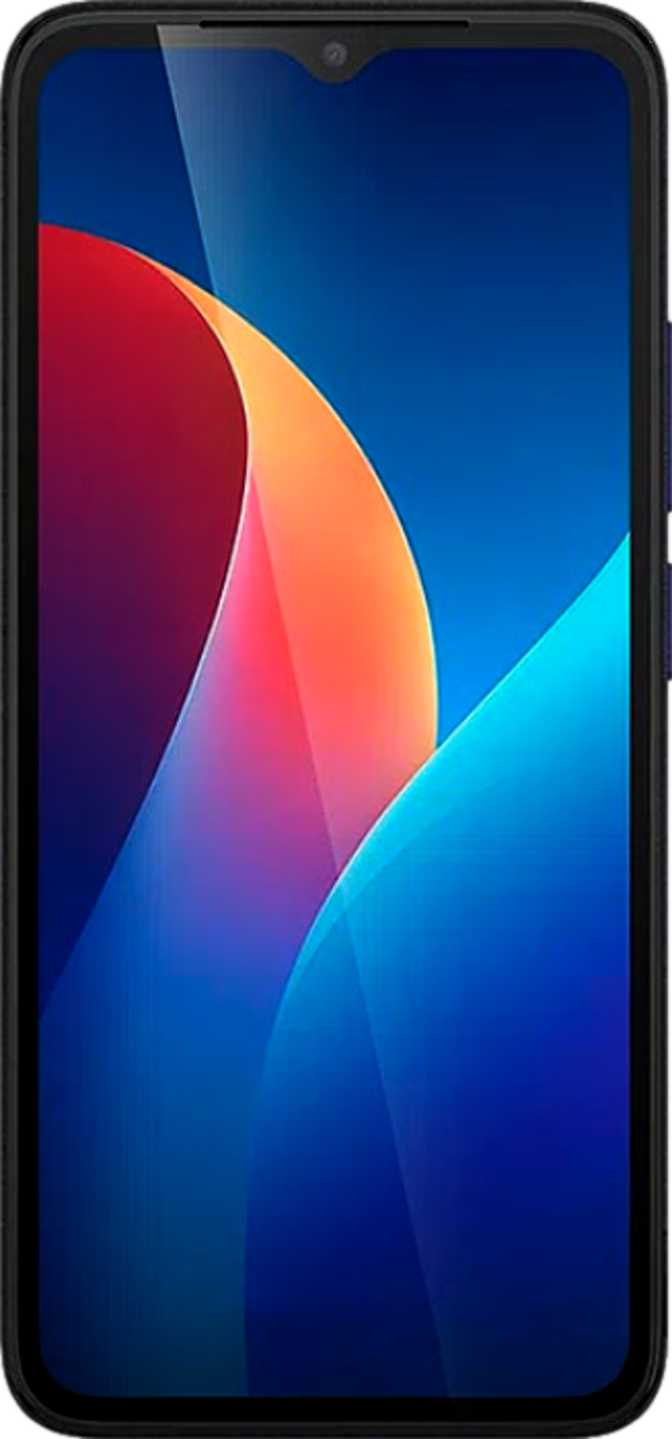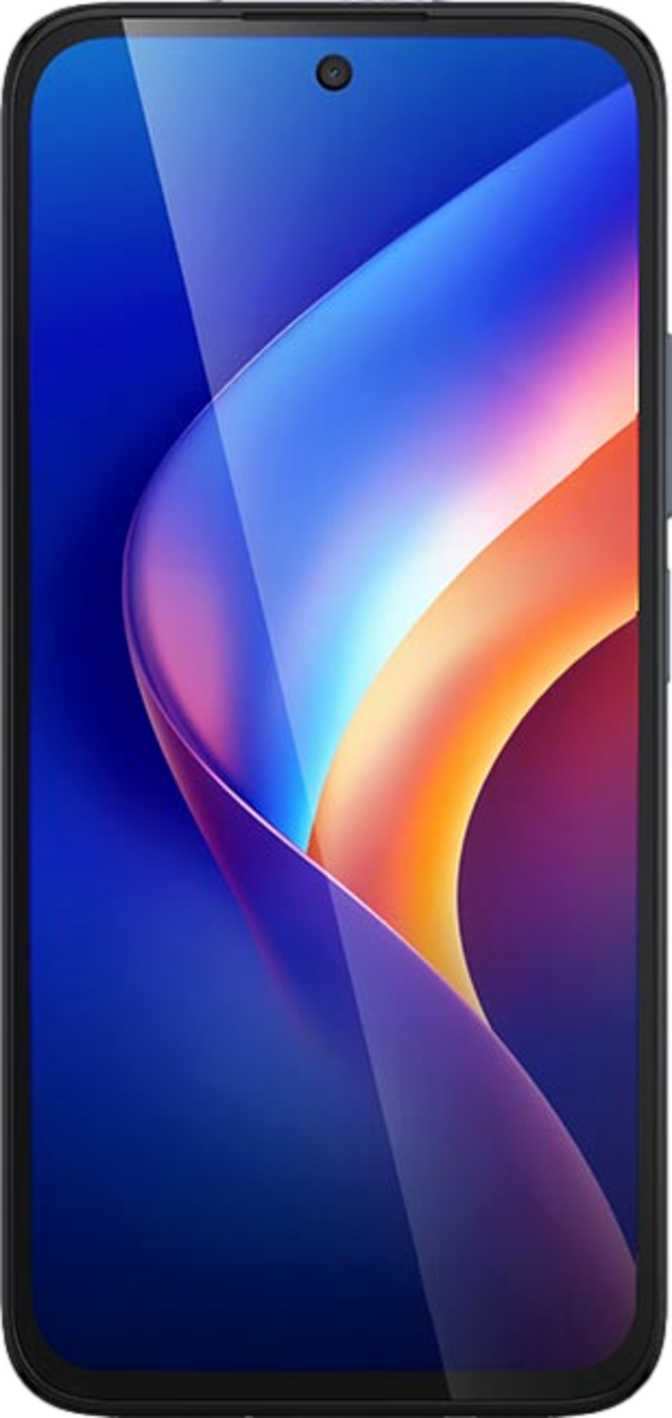
TCL K70 Full Review: Honest Performance for Everyday Buyers
SmartphonesThe budget smartphone market is crowded, brutally competitive, and full of compromises disguised as features. The TCL K70 steps into that arena with a proposition that's harder to dismiss than most: a large, smooth-scrolling screen, a modern mid-range chipset, genuine water resistance, and Android 16 — all wrapped in a frame that won't embarrass you in a meeting or at the gym. It's not trying to compete with flagship phones. It's trying to be the best phone it can be for the price, and understanding exactly where it succeeds — and where it doesn't — is what this review is about.
Quick Verdict
- Excellent battery endurance
- 120Hz smooth display
- IP64 water resistance
- Android 16 out of the box
- HD+ resolution on a large screen
- No 5G support
Key Specifications at a Glance
All critical figures decoded into plain-language meaning
Design and Build: Bigger Than It Looks on Paper
Size, materials, and everyday physical experience
Size, Weight, and Everyday Feel
At 167.7 mm tall and 79.1 mm wide, the TCL K70 is unambiguously a large-screen device. People with smaller hands will need to adjust — two-handed use is the realistic expectation for most tasks, and one-handed typing is a stretch.
That said, the 8.3 mm thickness keeps it feeling slimmer than its footprint suggests, and at 190 grams the weight sits in the comfortable middle ground — heavy enough to feel substantial and well-built, light enough to carry in a shirt pocket without pulling it down.
IP64 Water Resistance Explained
The TCL K70 carries an IP64 rating, which means it's fully protected against dust and can handle water jets from any direction without damage. Rain, splashed drinks, sweaty gym sessions, and clumsy bathroom moments are all within its tolerance.
This is a genuinely meaningful inclusion at this price tier. Many competing devices in the same category offer IP52 or no official rating at all, making the K70's protection a real differentiator.
Display: Large Canvas, Honest Limitations
6.75-inch IPS LCD — what the specs mean for your eyes every day
120Hz Refresh Rate: Real, Perceptible Benefit
The 6.75-inch IPS LCD panel gives you an expansive viewing area — a proper big-screen experience, genuinely comfortable for reading, video, and gaming in ways that smaller displays simply aren't.
The 120Hz refresh rate is the headline feature of this display, and it delivers real, perceptible benefit. Scrolling through social media, swiping between apps, and navigating menus all feel noticeably smoother compared to the 60Hz panels that still populate this price bracket. It's one of those features that's hard to appreciate until you've experienced it — and hard to go back from once you have.
Resolution Trade-Off: The Honest Part
The 720 x 1570 pixel resolution on a 6.75-inch screen produces a pixel density of approximately 256 pixels per inch. That's noticeably softer than Full HD displays, and at this screen size the difference is visible — particularly with small text, fine detail in photos, and sharp-edged icons.
For streaming video at standard definition or HD, casual browsing, and everyday use, most people won't be bothered. But if you spend long sessions with text or are coming from a sharper screen, this is a genuine trade-off to factor in. The display also does not support HDR10 or Dolby Vision, so don't expect flagship-level color depth.
What This Screen Is Good At
Performance: MediaTek Helio G100 — More Than It Sounds
Chipset, RAM, storage, and real-world speed decoded
Chipset and What It Means Day-to-Day
The MediaTek Helio G100 is built on a 6-nanometer manufacturing process — the same scale used in many mid-range and even some upper-mid-range chips. Smaller manufacturing nodes generally mean better power efficiency and thermal performance, which translates to a phone that runs cooler during extended sessions and gets more runtime from its battery.
The processor uses an eight-core configuration: two higher-performance cores handle demanding tasks like launching apps, gaming, and processing photos, while six efficiency cores manage lighter background tasks. This intelligent scaling means the phone isn't burning full power just to check your email.
The chip's benchmark score places it in territory where everyday tasks are handled without hesitation, popular mobile games run at medium to high settings comfortably, and camera shots are processed quickly. It's well clear of the sluggish, frustrating territory that budget buyers often fear.
Performance Benchmarks
RAM and Storage Reality
Four gigabytes of RAM is the functional baseline for a smooth Android experience. Day-to-day app switching, running a browser alongside messaging apps, and using social media simultaneously are all within comfortable reach. Where 4GB starts to show its limits is in aggressive multitasking — keeping many apps open simultaneously or leaving a dozen browser tabs open will eventually trigger the system to reload apps from storage.
The 128GB internal storage is a genuine strength at this tier. Most people never fill 128GB on a smartphone, and the addition of a microSD card slot means storage concerns are essentially a non-issue — expansion is cheap and straightforward.
GPU and Gaming
The Mali G57 graphics processor handles gaming duties. It supports the full library of Android games without exception. At medium settings, titles like PUBG Mobile, Genshin Impact at lower quality presets, and Call of Duty Mobile run acceptably. The 120Hz screen adds genuine value here — even when frame rates don't always hit the ceiling, the smoother panel makes motion feel less janky than it would on a standard 60Hz display.
Demanding 3D titles at maximum settings will require quality reductions, but this is expected at this price tier — and the K70 handles the compromise better than most.
Camera System: Capable But Grounded
50MP main camera with manual controls — real-world expectations set honestly
Main Camera: 50MP with a Practical Feature Set
The primary camera offers 50 megapixels behind an f/1.8 aperture lens. The wide aperture is the important figure here — it determines how much light the sensor can gather, and f/1.8 is a respectable opening that allows for reasonably good low-light performance. Photos in well-lit conditions will be detailed and usable; evening shots will show more noise, as is standard at this price point.
The sensor uses phase-detection autofocus — the same focusing technology used in most premium phones. Phase detection is fast and accurate in good light, making it reliable for capturing moving subjects like children and pets. Continuous autofocus during video recording keeps subjects sharp without the hunter-and-peck focus hunting you see on cheaper systems.
Manual Controls: More Than Expected
The camera app includes a meaningful set of manual controls typically found on higher-priced phones. For hobby photographers who want to experiment beyond the automatic mode, the K70 gives you genuine tools to work with.
- ISO adjustment
- Exposure compensation
- White balance control
- Manual focus
- Burst / serial shot mode
- Slow-motion video recording
- Time-lapse and panorama
- HDR photo mode
- No RAW capture / no 4K video
Camera Specifications Compared
| Feature | Main Camera | Front Camera |
|---|---|---|
| Resolution | 50 MP | 8 MP |
| Aperture | f/1.8 (wide) | f/2.1 |
| Autofocus | Phase-detection + Touch AF | Touch AF |
| OIS | No | No |
| Max Video | 1080p / 30fps | — |
| Slow Motion | Yes | — |
| RAW Capture | No | No |
| Flash | Dual LED | No |
| Dual Lens | Yes | No |
Battery Life: Built to Last the Day — and Then Some
5,200 mAh capacity with 33W fast charging — real-world endurance explained
Capacity in Context
The 5,200 mAh battery is one of the K70's most compelling practical features. To put that in perspective: the average smartphone in this size class ships with somewhere between 4,000 and 4,500 mAh. The K70's cell is meaningfully larger than that baseline.
Combined with the efficient 6nm chip and the fact that an LCD display — even at 120Hz — consumes less power than comparable OLED panels, the K70 is positioned to genuinely last a full day for heavy users and push into a day and a half or more for moderate users. For people who have grown accustomed to carrying a charging cable everywhere, the K70 may be the phone that breaks that habit.
33W Charging: Honest Assessment
Thirty-three watts of wired charging is a middle-ground speed — significantly faster than basic 10W or 18W chargers, meaning you can top up meaningfully in a short break. It won't match the 65W or 100W speeds found on more premium devices, but it's a responsible, battery-friendly speed that prevents premature cell degradation.
The charger is included in the box — no longer a universal given, and worth acknowledging. There is no wireless charging and no reverse wireless charging. Charging is cable-only.
Battery Feature Summary
- Capacity 5,200 mAh
- Wired Charging 33W
- Charger Included Yes
- Wireless Charging No
- Reverse Wireless No
Software: Android 16 as a Genuine Differentiator
Up-to-date software with meaningful privacy controls — and one important caveat
Up-to-Date Out of the Box
Running Android 16 on a budget phone is a meaningful statement. Most phones at this price tier ship with Android 13 or 14, sometimes 15. Android 16 brings the latest privacy controls, performance improvements, and feature set — a real competitive advantage that will take time for rival devices to catch up to.
The software experience includes dynamic theming, full widget support, Picture-in-Picture mode, split-screen multitasking, scrolling screenshots, and offline voice recognition. These are mature, useful features — not gimmicks.
Privacy Features Worth Knowing
- App tracking controls — block apps from tracking you across other apps
- Granular camera and microphone access per app
- Clipboard warnings — notified when apps read your clipboard
- Location privacy options with fine-grained control
- Cross-site tracking blocking is not present — a gap vs. some rivals
Notable Software Features
Connectivity: Modern Where It Counts, Limited Where It Doesn't
Wi-Fi, Bluetooth, NFC, GPS, sensors — the complete picture
Wi-Fi
Supports Wi-Fi 4 (802.11n) and Wi-Fi 5 (802.11ac). Connects to modern routers at respectable speeds. Wi-Fi 6 is absent but imperceptible for most home and office use.
Wi-Fi 5 ReadyBluetooth 6
Bluetooth 6 is a forward-looking inclusion with improvements in connection stability and range. No aptX or LDAC for audiophiles, but standard headphones connect perfectly.
Bluetooth 6NFC
NFC is present, enabling contactless payments via Google Pay and similar services. A genuinely useful daily feature that some budget rivals still omit.
Google Pay ReadyGPS + Galileo
GPS combined with Galileo satellite support gives location accuracy a boost over GPS-only devices, particularly in urban environments with tall buildings.
Galileo SupportedSensor Gaps to Know About
The gyroscope is absent — the most practically significant missing sensor. AR applications, some navigation features, and orientation-sensitive games will not function as intended. There's also no compass or barometer, which limits some utility apps. Fingerprint authentication is present for fast, reliable unlocking.
Dual SIM, MicroSD, and Audio
Two physical SIM cards and a microSD expansion slot make the K70 appealing for travelers, people who separate work and personal numbers, or anyone who wants multi-carrier flexibility.
The 3.5mm headphone jack is present — a choice that still matters to a meaningful segment of buyers with wired headphones. Stereo speakers deliver audio from two directions, improving media consumption compared to mono-speaker devices.
- Dual SIM (physical)
- MicroSD expansion slot
- 3.5mm headphone jack
- Stereo speakers
- USB Type-C (USB 2.0)
How the TCL K70 Compares to Its Natural Rivals
Positioned against typical large-battery budget phones in the same price range
| Feature | TCL K70 | Typical Rival A | Typical Rival B |
|---|---|---|---|
| Display Size | 6.75″ | 6.6″ | 6.7″ |
| Refresh Rate | 120Hz | 90Hz | 60Hz |
| Resolution | HD+ (720p) | FHD+ (1080p) | FHD+ (1080p) |
| Battery | 5,200 mAh | 5,000 mAh | 4,500 mAh |
| Fast Charging | 33W | 15W | 25W |
| IP Rating | IP64 | IP52 | IP52 |
| NFC | Sometimes | ||
| 5G | Some models | Some models | |
| Android Version | Android 16 | Android 14 | Android 15 |
| 3.5mm Jack |
Rival comparisons are representative of the budget large-battery category — not specific named devices — to provide honest context without marketing bias.
Who Should Buy the TCL K70
An honest breakdown of the ideal buyer — and who should look elsewhere
- First-time smartphone buyers or those upgrading from an older entry-level device
- Anyone who prioritizes battery endurance and wants to stop thinking about charging
- People who use their phone primarily for streaming, browsing, social media, and casual gaming
- Those who want water resistance and modern software without paying mid-range prices
- Travelers and dual-SIM users who need flexible connectivity options
- Users who still rely on wired headphones and appreciate the 3.5mm jack
- Anyone who values display sharpness above other factors — the HD+ resolution will disappoint
- Mobile photographers and videographers who need optical stabilization and 4K video
- Buyers in 5G-dominant markets planning to keep their phone for four or more years
- Power users who run demanding apps simultaneously and need more than 4GB of RAM
- AR enthusiasts or navigation-heavy users who depend on the gyroscope sensor
Common Questions Before You Buy
Real questions buyers search for — answered directly
Final Verdict: Should You Buy the TCL K70?
The TCL K70 is a well-considered budget phone that prioritizes the right things for its intended audience. Battery life, build protection, software currency, and display smoothness are all stronger here than the price typically demands.
The camera is capable rather than exceptional. The display is smooth but not sharp. The chip is efficient and fast enough for everything the target audience will throw at it. The software, crucially, is current — a genuinely rare advantage at this price tier.
The HD+ resolution is the largest genuine compromise, and it's one only you can decide matters to you. If you spend hours a day reading long articles or scrutinizing photos, it will bother you. If you're streaming movies and scrolling feeds on your commute, it probably won't register as a problem at all.
Buy it knowing what it is, and it will likely exceed your expectations. Go in expecting a flagship experience at a budget price, and it will disappoint. That's an honest summary of a phone that earns its recommendation.
- Everyday users
- Battery-focused buyers
- Dual-SIM travelers
- Budget-conscious shoppers