Samsung Galaxy A57 5G Review: An Honest Look at This Mid-Ranger
SmartphonesThe mid-range smartphone market is more crowded than ever, and separating a genuinely well-rounded device from one that merely looks impressive on paper takes more than a quick glance at a spec list. The Samsung Galaxy A57 5G enters this space with a compelling combination of display quality, processing power, and water resistance that punches well above the expectations of its category. Whether you are upgrading from an aging mid-ranger or stepping down from a flagship to manage costs without sacrificing your daily experience, this phone makes a credible case — though not without specific compromises worth understanding upfront.
Design and Build Quality
Form factor, materials, and physical durability
Form Factor and Handling
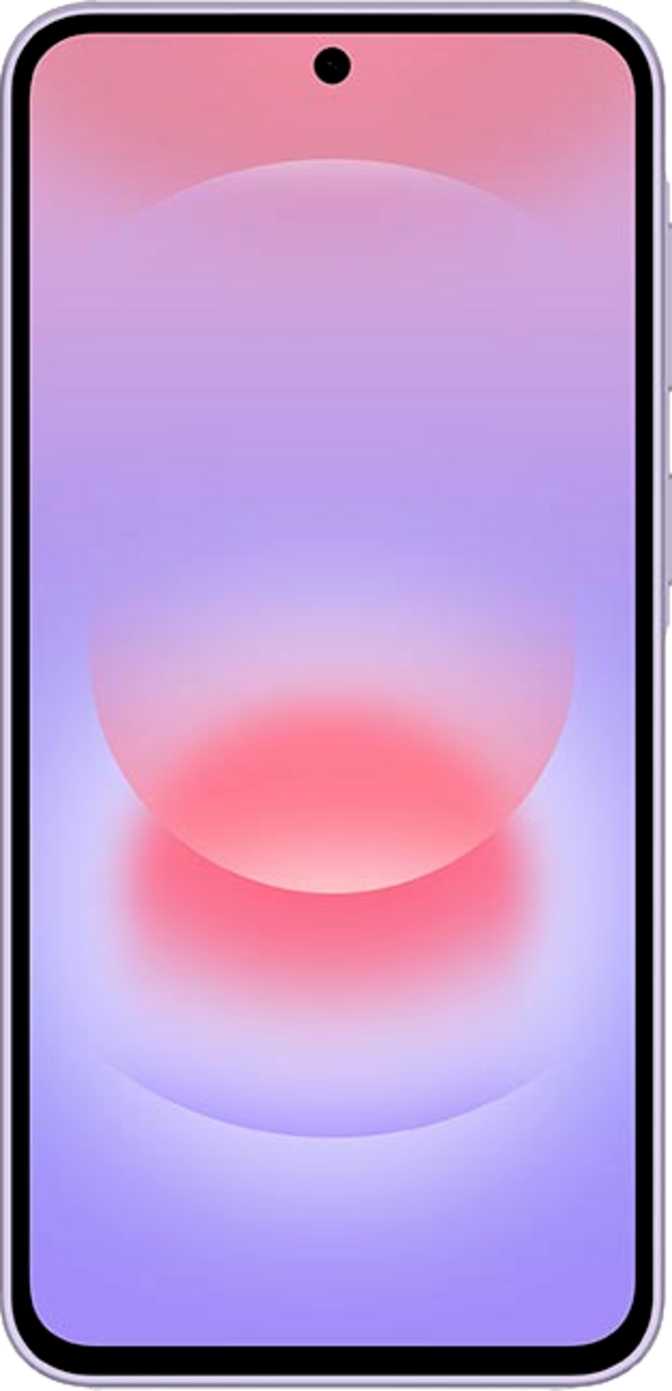
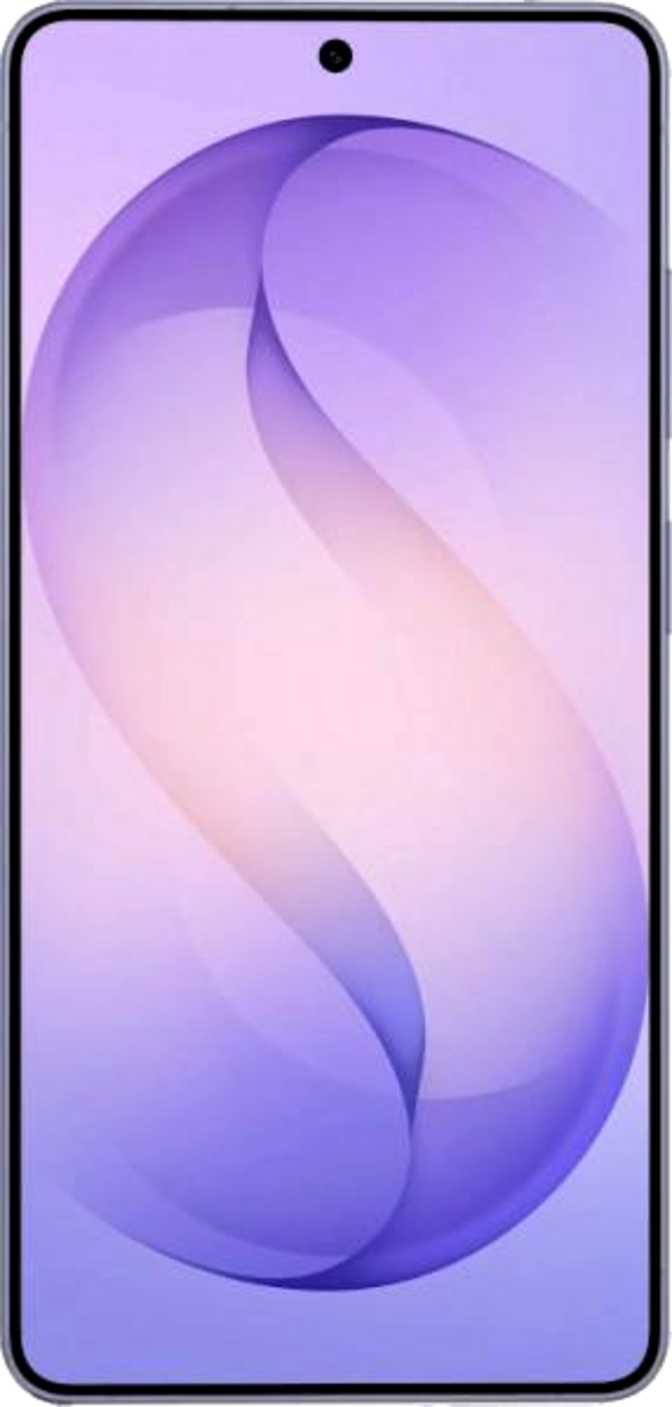
At 161.5mm tall and 76.8mm wide, the Galaxy A57 5G sits firmly in large-phone territory. This is not a one-handed phone for most people, and Samsung is not pretending otherwise. The 179-gram weight keeps things from feeling unwieldy — light enough for all-day carry without discomfort. The 6.9mm profile is genuinely slim for a phone of this screen size, contributing to a premium feel in the hand that is easy to notice when first picking it up.
The build is not designed for construction sites — there is no MIL-spec rating or rugged reinforcement. But it carries a full IP68 certification, meaning it is rated for submersion in up to 1.5 meters of fresh water for 30 minutes. Practically speaking: calls in the rain, a sink drop, a poolside accident — all handled without drama. Many competitors at this price skip water resistance entirely or cap out at light splash protection. IP68 here is a meaningful differentiator.
The display is protected by Gorilla Glass Victus, the toughest variant in Corning's consumer glass lineup — the same protection found on many flagship devices. Everyday drops and pocket scratches are met with considerably more resilience than the standard glass alternatives found on competing mid-range phones. The phone does not fold; Samsung's Z-series addresses foldable form factors separately.
Physical Specifications
- Height
- 161.5 mm
- Width
- 76.8 mm
- Thickness
- 6.9 mm
- Weight
- 179 g
- Water Rating
- IP68
- Water Depth
- 1.5 m / 30 min
- Display Glass
- Gorilla Glass Victus
- Foldable
- No
Full submersion rated to 1.5m for 30 minutes. A genuine durability upgrade over most competing devices in this price segment, where IP54 splash protection is the more common ceiling.
Display: Where This Phone Genuinely Shines
Screen technology, refresh rate, brightness, and media capabilities
Screen Quality for Everyday Use and Media
The 6.7-inch OLED panel is the Galaxy A57 5G's most immediately impressive feature, and one of the clearest arguments for choosing it over comparably priced phones that rely on LCD technology. OLED produces light at the pixel level — true blacks are genuinely black, not dark grey as on LCD screens. In a dark room watching a film, the contrast difference is visible to virtually anyone within seconds. Colors are vivid without being cartoonish, and Samsung's One UI offers enough display calibration for users who prefer a more neutral, accurate look.
The pixel density of 385 pixels per inch places text, icons, and images in the sharp-to-the-naked-eye category at normal viewing distances. Most people cannot distinguish individual pixels beyond around 300 ppi — at 385, the display is comfortably above that threshold.
The 120Hz Difference
At 120Hz the screen refreshes twice as fast as a standard 60Hz display. In practice this means noticeably smoother scrolling, more fluid animations, and a snappier overall feel that is difficult to ignore once you have experienced it. Gaming benefits too, with supported titles rendering more responsively. This feature was once exclusive to flagship phones; its presence here is one of the main reasons the A57 5G feels more expensive than its price suggests.
Outdoor Brightness and HDR Content
A peak of 1,200 nits keeps the screen readable in direct sunlight — on a bright beach, an outdoor terrace, or a well-lit office — without needing to shade it with your hand. Beyond brightness, HDR10 and HDR10+ support means compatible streaming apps from Netflix, Amazon Prime Video, and YouTube deliver expanded color range and scene-by-scene dynamic contrast adjustments. The one genuine absence: no Always-On Display mode for glanceable clock and notifications without fully waking the screen.
Display Specifications
- Panel Type
- OLED/AMOLED
- Screen Size
- 6.7"
- Resolution
- 1080 x 2340
- Pixel Density
- 385 ppi
- Refresh Rate
- 120 Hz
- Peak Brightness
- 1,200 nits
- HDR Standard
- HDR10+
- Screen Glass
- GG Victus
- Always-On
- No
- Dolby Vision
- No
Performance: The Exynos 1680 Under the Hood
Processor, memory, storage, and GPU capabilities
Processing Power
The Exynos 1680 is built on a 4-nanometer process — smaller fabrication nodes mean better power efficiency and thermal management, so the chip does more work while generating less heat than older designs. The eight-core CPU uses three performance tiers: a single high-performance core at 2.9GHz handles the heaviest workloads, four mid-range cores at 2.6GHz manage sustained tasks, and three efficiency cores at 1.95GHz cover background activity without draining the battery. This big.LITTLE architecture keeps the phone responsive under load while conserving power during lighter use.
For the day-to-day tasks this phone is designed for — app switching, browsing, streaming, photography, and everyday gaming — the Exynos 1680 delivers more than adequate performance. Flagship-class processors from the top-tier Snapdragon lineup outperform it on benchmarks, but those chips command significantly higher device prices.
RAM and Storage: Genuinely Above Average
Twelve gigabytes of RAM is a substantial allocation at this price level. RAM is the phone's working memory — the more available, the more apps stay loaded in the background without needing to reload from scratch when you return to them. For heavy multitaskers who keep many apps open or switch between processes frequently, 12GB provides meaningful headroom above the 6–8GB typically found in this category.
The 512GB built-in storage is genuinely generous — capacity typically seen on premium and flagship devices. Most users' full libraries of photos, apps, music, and offline video fit comfortably without active management. The important caveat: no microSD card slot means this capacity is fixed for the phone's lifetime.
Graphics: Gaming and Visual Processing
The Xclipse 550 GPU handles all graphics work — from home screen animations to mobile games. Running at 1,200MHz and supporting DirectX 12 and OpenGL ES 3.2, it handles popular mobile games at comfortable settings. Titles like Genshin Impact, PUBG Mobile, and Call of Duty Mobile run without consistent performance issues, though the most demanding games may require medium rather than maximum graphical settings to maintain smooth gameplay.
Chipset and Memory
- Chipset
- Exynos 1680
- Process Node
- 4 nm
- CPU Config
- 1 + 4 + 3 cores
- Top CPU Speed
- 2.9 GHz
- GPU
- Xclipse 550
- GPU Clock
- 1,200 MHz
- RAM
- 12 GB LPDDR5
- RAM Speed
- 3,200 MHz
- Storage
- 512 GB
- Mem. Bandwidth
- 51.2 GB/s
- microSD
- No
Geekbench 6 Benchmark
Scores shown relative to current mid-range category benchmarks.
Camera System: Capable, With Caveats
Main camera array, video capabilities, and front camera
Main Camera Array
The rear camera system uses three lenses: a 50-megapixel primary shooter, a 12-megapixel ultrawide, and a 5-megapixel depth sensor. Together they cover the use cases that most people care about in everyday life.
The primary 50MP camera captures enough detail that photos hold up well when cropped or enlarged. The f/1.8 aperture — where lower numbers mean wider lens opening and better low-light intake — is reasonably fast for a mid-range device. Paired with optical image stabilization (OIS), which physically compensates for hand movement during capture, handheld shots in dim environments are noticeably sharper than they would be on a stabilization-free alternative. Phase-detection autofocus locks onto subjects quickly and accurately, including during video recording where continuous autofocus prevents moving subjects from drifting out of focus.
The 12-megapixel ultrawide at f/2.2 handles landscape shots, architecture, and group photos where fitting more into the frame matters. The 5-megapixel depth sensor supports portrait-mode background blurring rather than capturing usable standalone images.
The camera app offers manual control over ISO, focus, exposure, and white balance — a full manual suite for photographers who prefer to work beyond automatic. Slow-motion video, time-lapse, and in-camera panoramas are all supported. The phone does not shoot in RAW format, which limits post-processing flexibility for enthusiasts who work with uncompressed image data in tools like Lightroom.
Video and Zoom
The rear camera records 4K video at 30 frames per second — standard resolution for high-quality video that serves most sharing platforms and personal archives well. There is no optical zoom: a dedicated telephoto lens is absent, and digital zoom degrades image quality at meaningful magnification levels. If zoom photography is important to how you use your phone, this is the A57 5G's clearest limitation.
Front Camera
The 12-megapixel selfie camera at f/2.2 handles video calls, selfies, and face unlock competently. Detail is sufficient for social media use and it performs well in standard indoor lighting. There is no front-facing LED flash, so very dark environments significantly degrade front camera image quality. The front setup is a single lens, not a dual arrangement.
Rear Camera Specs
- Main
- 50 MP
- Main Aperture
- f/1.8
- Ultrawide
- 12 MP
- UW Aperture
- f/2.2
- Depth Sensor
- 5 MP
- OIS
- Yes
- Autofocus
- PDAF
- Max Video
- 4K / 30fps
- Optical Zoom
- None
- RAW Output
- No
- HDR Mode
- Yes
- Manual Controls
- Yes
Front Camera
- Resolution
- 12 MP
- Aperture
- f/2.2
- Under Display
- No
- Front Flash
- No
- Dual Lens
- No
Battery Life and Charging
Capacity, real-world endurance, and charging speed
How Long It Actually Lasts
The 5,000mAh battery is the standard capacity for premium mid-range phones of this screen size, and it is the right call here. For a 6.7-inch OLED running at 120Hz, anything smaller would require careful daily power management. Moderate users — those spending 3–4 hours on screen daily with a mix of browsing, social media, and messaging — should comfortably reach the end of the day with charge remaining, and may stretch toward a day and a half under lighter conditions.
Heavy users running GPS navigation, streaming video for extended periods, or playing games intensively will find the battery more pressured, but still typically sufficient for a full day without a midday top-up.
45W Fast Charging
The 45W wired fast-charging support is a practical everyday advantage. Starting from a depleted battery, 45W charging can restore a significant portion of capacity in 30 minutes — roughly enough to top up from empty during a lunch break. This is faster than the standard charging found on many competitors in this bracket. There is no wireless charging capability, and no reverse wireless charging for topping up accessories. For users who have built wireless charging into their desk or bedside setup, this is a genuine gap.
Battery and Charging Specs
- Battery Capacity
- 5,000 mAh
- Wired Charging
- 45W
- Wireless Charging
- No
- Reverse Wireless
- No
- Removable
- No
A substantial charge from empty in roughly 30 minutes. Noticeably faster than the 18–25W charging common in this price bracket.
Software and Operating System
Android 16, One UI features, and privacy tools
The Galaxy A57 5G ships with Android 16 — the current Android generation. Samsung's One UI overlay adds a layer of features, customization, and Samsung-specific integrations on top of the base Android experience. Dynamic theming shifts the phone's color palette to match your wallpaper. Dark mode, customizable notifications, and theme controls make the interface highly adaptable to individual preferences.
The privacy toolkit is thorough. Per-app location controls, camera and microphone access toggles, clipboard monitoring alerts, and app tracking blocking are all present and accessible. On-device machine learning handles text recognition and voice commands without sending data to external servers — a meaningful privacy consideration for users who prefer local processing.
Productivity features include split-screen multitasking, picture-in-picture video playback, scrollable screenshots, full-page capture, and notification customization. Wi-Fi password sharing is not available — a small but occasionally frustrating omission when adding guests to a home network. One practical note: OS updates arrive through Samsung's own pipeline rather than directly from Google, meaning new Android versions and security patches reach the device on Samsung's schedule rather than immediately after Google releases them.
Key Software Features
- Android 16 with Samsung One UI
- Dynamic theming and dark mode
- Split-screen multitasking
- Picture-in-picture video playback
- Full-page and scrolling screenshots
- Per-app camera and microphone toggles
- Clipboard warning notifications
- App tracking blocking
- On-device machine learning
- Multi-user account support
- Extra dim display mode
- No Wi-Fi password sharing
- No direct OS updates from Google
Audio and Connectivity
Speakers, wireless connectivity, and port specifications
Audio
The stereo speaker configuration produces audio from more than one direction, making speakerphone calls, video playback, and casual gaming more immersive than a single-speaker phone. Speaker quality is appropriate for a phone in this class.
There is no 3.5mm headphone jack. Wired headphones require USB-C earphones or a USB-C to 3.5mm adapter. Bluetooth is the intended primary audio method, but the phone does not support high-fidelity Bluetooth codecs — no LDAC, aptX, aptX HD, or aptX Adaptive. Wireless audio through quality earphones sounds good, but will not reach the highest tier of Bluetooth audio quality that audiophile-grade hardware can deliver. For most listeners, this distinction is irrelevant.
Network and Wireless
5G connectivity provides access to the fastest available mobile networks where coverage exists. Wi-Fi 6 (802.11ax) delivers improved throughput and better performance in congested environments such as apartments or offices where many devices compete for the same network. Bluetooth 6 is the latest specification, ensuring compatibility with current-generation wireless accessories.
NFC enables tap-to-pay through Samsung Pay, Google Pay, and compatible banking apps. GPS includes Galileo satellite support for improved location accuracy. The USB-C port operates at USB 2.0 speeds — fine for charging, but noticeably slower than USB 3.x alternatives when moving large photo or video files to a computer by cable.
Connectivity Specs
- 5G
- Yes
- Wi-Fi
- Wi-Fi 6 (ax)
- Bluetooth
- 6.0
- NFC
- Yes
- USB Port
- USB-C 2.0
- GPS
- Yes + Galileo
- SIM Slots
- Dual SIM
- microSD
- No
Audio and Sensors
- Speakers
- Stereo
- 3.5mm Jack
- No
- LDAC
- No
- aptX
- No
- Fingerprint
- Yes
- Gyroscope
- Yes
- Accelerometer
- Yes
- Compass
- Yes
Who the Galaxy A57 5G Is For — and Who Should Look Elsewhere
Real-world buyer profiles and usage scenarios
Best Suited For
-
Screen-first buyers
The 6.7-inch 120Hz OLED with HDR10+ is the kind of display many people pay significantly more to get. If screen quality is your top priority, the A57 5G delivers it convincingly at this price.
-
Active lifestyle users
IP68 water resistance is not guaranteed at this price point. If your phone regularly encounters rain, splashes, or poolside conditions, the A57 5G covers you where cheaper alternatives may not.
-
Heavy multitaskers
12GB of RAM and 512GB of storage are configurations typically found at higher price points. Users with many apps installed and heavy switching habits will appreciate the headroom.
-
Upgraders from older phones
The step up from a 60Hz LCD with 4–6GB RAM to what this phone offers will feel dramatic and immediately worthwhile.
Consider Alternatives If...
-
You rely on optical zoom
Without a telephoto lens, the A57 5G cannot match phones with 3x or 5x optical zoom for distant subjects. Digital zoom degrades quality significantly at meaningful magnification.
-
Wireless charging is non-negotiable
If wireless charging is built into your daily desk or bedside routine, this phone will not accommodate it. No reverse wireless charging for accessories either.
-
You are a Bluetooth audiophile
The absence of LDAC and aptX-series codecs will matter to listeners with premium wireless headphones designed to take advantage of those formats.
-
You shoot and edit in RAW
Without RAW file output, mobile photographers who post-process in Lightroom or similar apps work with compressed, pre-processed images rather than full sensor data.
How It Compares to Key Alternatives
Competitive positioning in the mid-range segment
| Feature | Samsung Galaxy A57 5G | LCD Budget Mid-Ranger | OLED Alternative |
|---|---|---|---|
| Display Type | OLED, 120Hz, 6.7" | IPS LCD, 90Hz | OLED, 120Hz |
| Water Resistance | IP68 | IP54 | IP67 |
| RAM | 12 GB | 8 GB | 8 GB |
| Internal Storage | 512 GB | 128 GB / 256 GB | 256 GB |
| Wireless Charging | No | Yes | No |
| Headphone Jack | No | No | Yes |
| Optical Zoom | None | None | 2x Optical |
| Bluetooth Codec | Standard | aptX | LDAC |
| Fast Charging | 45W | 25W | 30W |
The Galaxy A57 5G's strongest competitive arguments are its display quality, water resistance tier, and generous RAM and storage configuration. It concedes ground on wireless charging, audio codecs, and optical zoom. Which of those trade-offs matters depends entirely on individual priorities.
Common Questions Answered
The questions real buyers search for before purchasing
Samsung Galaxy A57 5G: Our Recommendation
The Samsung Galaxy A57 5G is a well-assembled mid-range phone that makes smart choices about where to invest. The display is excellent — genuinely one of the best screens in its price category. The IP68 rating provides real-world durability that many competitors skip. Twelve gigabytes of RAM and 512GB of storage are allocations that give this phone meaningful longevity.
The compromises are real but specific. No wireless charging, no optical zoom, no RAW photography output, and USB 2.0 transfer speeds are not dealbreakers for most people — but they are for some. If you rely on any of those features specifically, check what else the market offers before deciding.
For the everyday smartphone user who wants a large, beautiful OLED screen, a capable and fast processor, solid cameras for daily life, and genuine water resistance — without paying flagship prices — the Galaxy A57 5G is a genuinely strong choice that is difficult to talk yourself out of once you have used it for a day.
- Media consumption
- Daily photography
- Heavy multitasking
- Active lifestyles
- Mid-range upgraders