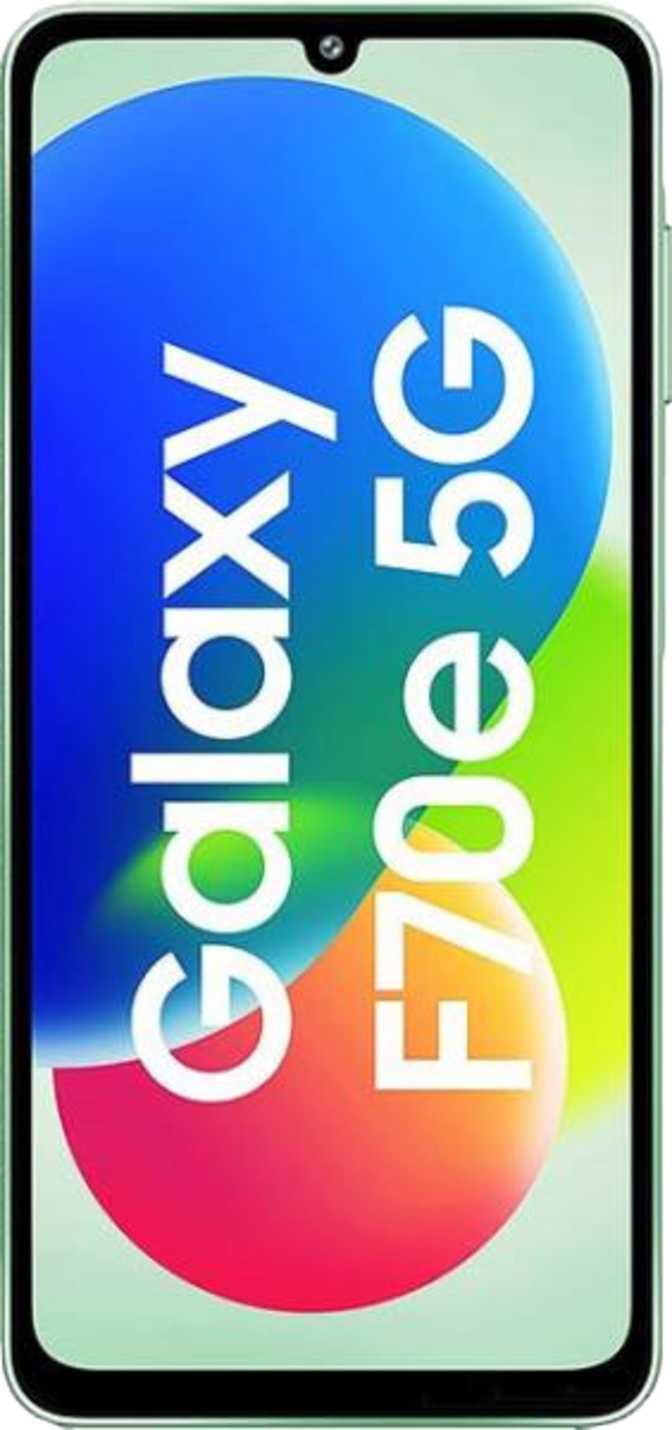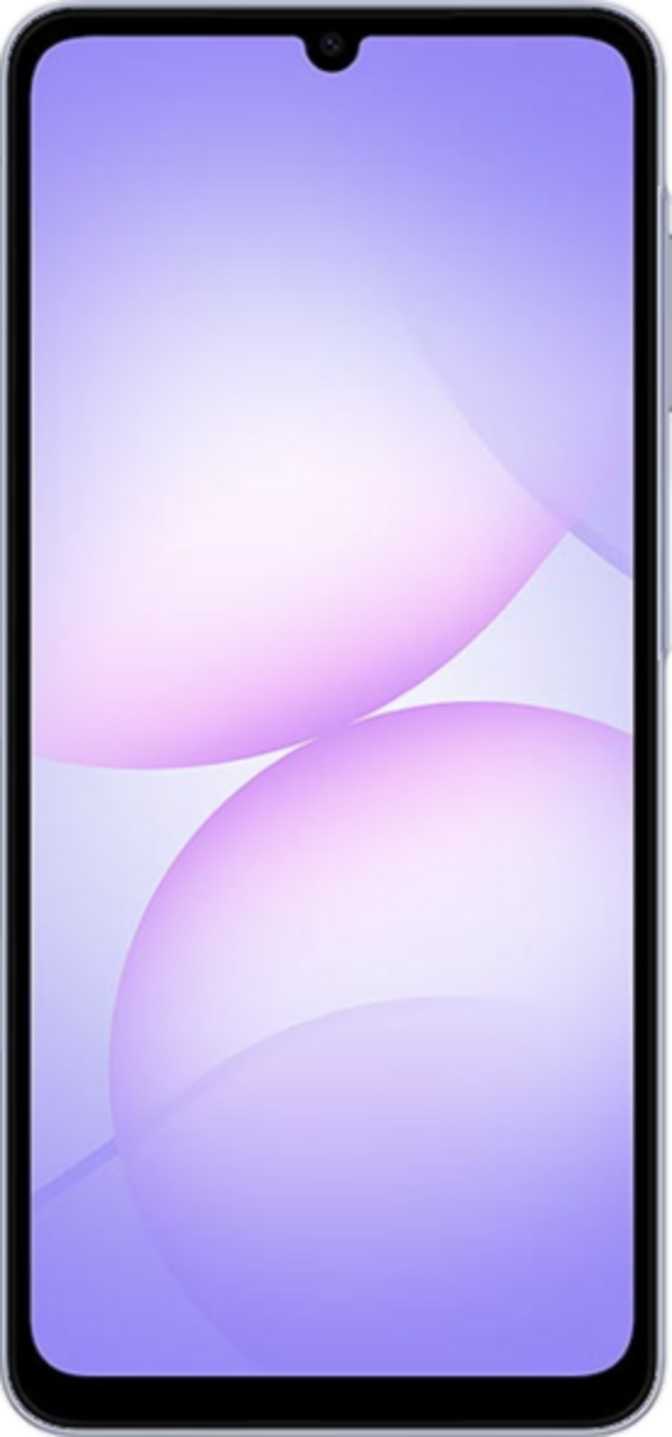
Samsung Galaxy A37 5G Review: Does the Mid-Range Bar Stay Raised?
SmartphonesAt a Glance
The essentials — what defines the Galaxy A37 5G before we go deeper.
6.7" OLED 120Hz
385 ppi · 1,200 nits
Exynos 1480 · 4nm
12GB RAM · 256GB Storage
IP68 Waterproof
1.5m rated · Gorilla Glass Victus
45W Fast Charge
5,000 mAh · No wireless charging
Overall Score
Expert Editor Rating
Design and Build Quality
Thinner than expected, tougher than the price suggests.
At 7.4mm thick and 196 grams, the Galaxy A37 5G occupies an interesting physical space: substantial enough to feel premium in hand, yet slim enough to disappear into a pocket without protest. That thickness sits notably slimmer than many phones in this category, and the weight lands right at the boundary where a large-screened phone stops feeling unwieldy.
The 6.7-inch footprint translates to a width of 78.2mm — a genuinely large phone. Single-handed use will require either a deliberate grip adjustment or acceptance that some corners of the screen need a two-handed approach. Buyers with smaller hands should factor this in honestly before purchasing.
The display is protected by Gorilla Glass Victus — Corning's toughened glass technology that is meaningfully more resistant to everyday drops and surface scratches than standard tempered glass. You find this same protection on phones at considerably higher price points. The flat-screened design (no curved edges) makes screen protectors easier to apply and edge swipes more reliable.
- IP68 certified — rated for 1.5m water submersion. Uncommon at this price tier where IP54 is typical.
- Gorilla Glass Victus — flagship-grade scratch and drop resistance protecting the front display.
- 7.4mm slim profile — impressively thin for a phone with a 6.7-inch screen.
- Flat display — better screen protector compatibility and more reliable edge swipe registration.
- 78.2mm wide — challenging for single-handed use for buyers with smaller hands.
Display: OLED Quality Without the Flagship Price
A 6.7-inch panel that delivers on color depth, outdoor brightness, and silky 120Hz fluidity.
6.7"
Screen Size
120Hz
Refresh Rate
1200
Nits Brightness
385
Pixels Per Inch
Panel Technology and Brightness
The 6.7-inch OLED panel is where the A37 5G makes its strongest first impression. OLED screens produce light at the individual pixel level, meaning blacks are genuinely black — not dark gray — and colors carry a depth and saturation that LCD screens simply cannot match. If you are upgrading from a mid-range LCD device, the visual jump here will feel dramatic.
At 1,200 nits of typical brightness, outdoor legibility is strong. Under direct sunlight, the screen remains readable in a way that many budget and mid-range phones struggle with — practical for navigation, checking messages, and photography in bright conditions.
Sharpness and Refresh Rate
At 385 pixels per inch across 6.7 inches, individual pixels are effectively invisible to the human eye at normal viewing distances. Text is crisp, fine photo details render clearly, and there is no visible screen-door effect commonly seen on lower-resolution panels.
The 120Hz refresh rate means the display refreshes 120 times per second — double the standard 60Hz found on most budget phones. Scrolling, swiping, and app navigation all carry a fluidity that, once experienced, makes 60Hz screens feel noticeably sluggish. This improvement touches everything you do, every minute of every day.
Streaming services delivering high dynamic range content will not display their full expanded color and contrast range on this screen. Casual viewers won't notice the absence — dedicated streaming enthusiasts will.
The screen goes fully dark when the phone locks. Checking the time or a notification requires waking the display — a small but daily inconvenience for users who rely on glanceable ambient information.
Performance: Built on Flagship-Generation Technology
A 4nm chip, 12GB of DDR5 RAM, and benchmark scores that sit well above the mid-range average.
The Exynos 1480 — What 4nm Means in Practice
The Samsung Exynos 1480 is manufactured on a 4-nanometer process — the same node generation used in flagship-tier chips. Smaller transistors mean more processing power in a smaller physical space, generating less heat and consuming less energy. The practical result is flagship-calibre efficiency without a flagship price tag.
The processor uses an eight-core design split between four performance cores running at 2.75GHz and four efficiency cores at 2.05GHz. This architecture intelligently assigns demanding tasks to the faster cores and routine operations to the efficient ones, preserving battery life without sacrificing responsiveness when it matters.
Memory and Storage
12GB of RAM is generous by any standard outside flagship territory — most mid-range phones ship with 6 or 8GB. The practical benefit is that the A37 5G keeps significantly more apps suspended in the background without reloading them when you switch back. If you juggle a browser, messaging, social media, email, and media simultaneously, this makes a tangible daily difference.
That memory runs on DDR5 — the latest generation — at 3,200MHz with peak bandwidth of 51.2GB/s across four channels. The processor is rarely left waiting for data. The 256GB of internal storage covers the vast majority of use cases with room to spare, though there is no microSD slot for expansion. Users who regularly shoot large volumes of 4K video should note this fixed ceiling.
An industry-standard cross-platform test. Higher scores indicate faster processing in each category. These scores place the A37 5G comfortably above the mid-range average.
App launch speed, touch responsiveness, camera processing.
Gaming, video export, and managing parallel app workloads.
The Xclipse 530 GPU uses AMD-derived architecture, bringing hardware-accelerated ray tracing to compatible titles — unusual at this price tier. Casual gamers will find everything runs effortlessly at high settings.
Serious mobile gamers pushing the most demanding titles will find solid medium-to-high settings performance, though not the maximum frame rates achievable on flagship hardware. DirectX 12 and OpenCL 2.0 support ensure future compatibility with demanding applications.
Camera System: Thoughtful Choices, Honest Limitations
A triple-lens setup anchored by OIS and a wide-aperture main sensor — but no optical zoom.
The primary sensor pairs a 50-megapixel count with an f/1.8 aperture. The wider the aperture, the more light reaches the sensor — directly improving low-light performance compared to cameras with narrower openings.
Optical Image Stabilization (OIS) is built in — a physical mechanism compensating for hand movement. The result is sharper photos in dim environments and noticeably smoother handheld video. This is a hardware feature, not a software workaround.
Phase-detection autofocus locks on moving subjects quickly. 4K video at 30fps, continuous autofocus during recording, and slow-motion capture are all supported natively.
The secondary lens expands the field of view for architecture, group photos, and landscapes where the main lens cannot fit everything in frame.
At f/2.2, the aperture is slightly narrower than the main camera — expected for this lens type. Low-light ultra-wide shots will show more noise than the primary sensor, but daylight performance is solid for this category.
The third lens handles close-up macro photography — useful for capturing fine textures, small objects, and product-style shots at close range where the main lens cannot focus.
At f/2.4, it has the narrowest aperture of the three. Macro photography benefits from good lighting — this lens performs best in natural daylight or with supplemental light available.
Manual Controls and Shooting Modes
The camera app offers meaningful manual control for photographers who know how to use it. HDR mode, panorama, timelapse, and burst shooting round out the standard shooting options alongside manual adjustments.
- Manual ISO and exposure control
- Manual white balance and manual focus
- HDR mode, panorama, and timelapse
- Slow-motion video recording
- Continuous autofocus during video recording
- 4K video capture at 30 frames per second
Front Camera and Key Limitations
The 12-megapixel front camera with an f/2.2 aperture handles selfies and video calls reliably. There is no front-facing flash, so low-light selfie quality depends on ambient light or screen illumination only.
- No optical zoom — telephoto reach is absent. Digital zoom degrades image quality rapidly as you push it.
- No RAW capture — all images save as JPEGs. Full post-processing flexibility in desktop editing software is not available.
- No front-facing flash — low-light selfies depend on whatever ambient or screen light is present.
Battery Life and Charging
All-day endurance with rapid wired charging — but no wireless option of any kind.
The 5,000mAh battery is the established standard for capable mid-range endurance. For most users, this translates to a full day with battery remaining — often stretching comfortably into a second day for lighter users. Heavy users pushing 5G data, gaming, and extended video will still reach end of day without concern.
The capacity is also well-matched to the 6.7-inch display size. Larger screens draw more power than smaller ones — a 5,000mAh reserve here is the right size for this form factor, not just marketing headroom.
45W wired fast charging is genuinely fast in practical terms. From near-empty to the point where most people feel comfortable leaving the house takes roughly 30 to 40 minutes. A full charge from flat sits well under an hour and a half for most implementations at this wattage.
- Capacity
- 5,000 mAh — all-day and beyond for most use patterns
- Wired Charging
- 45W — meaningful top-up in under 40 minutes
- Wireless Charging
- Not supported on this model
- Reverse Wireless
- Not supported on this model
Software: Android 16 With a Full Feature Set
Current software, strong privacy controls, and practical productivity features out of the box.
The A37 5G ships with Android 16 — genuinely current software, not a trimmed-down or delayed version. Samsung's One UI interface layers features and customization options on top that go meaningfully beyond stock Android for daily usability.
Privacy and Security Controls
- Per-app location controls — manage exactly when and how each app accesses your location.
- Camera and microphone access management — block individual apps from accessing hardware sensors.
- Clipboard access warnings — alerts you when apps read your clipboard data.
- App tracking blocker — prevents apps from tracking you across other services.
- Child lock and multi-user support — separate profiles for different users on a single device.
Productivity and Daily Usability
- Split-screen multitasking — run two full apps side by side on the 6.7-inch display canvas.
- Picture-in-Picture (PiP) — keep video running in a floating window while using other apps.
- Scrolling screenshots — capture full-page content in a single image without stitching.
- Live Text — extract and interact with text visible in photos or through the camera viewfinder.
- Offline voice recognition — voice commands function without an active internet connection.
- Dynamic theming — the interface color palette adapts to your wallpaper automatically.
- On-device machine learning — smart features run locally without sending data to external servers.
Connectivity: Modern Standards, One Notable Gap
5G, Wi-Fi 6, Bluetooth 5.4, and NFC present. No headphone jack and no premium audio codecs.
Wireless and Network
- 5G connectivity — future-proofed for network infrastructure as coverage continues to expand globally.
- Wi-Fi 6 (802.11ax) — the current mainstream standard. Better throughput and reduced congestion on busy networks compared to older Wi-Fi versions.
- Bluetooth 5.4 — current generation, covering all standard wireless audio and accessory pairing needs reliably.
- NFC — enables contactless payments via Google Pay and Samsung Pay, plus NFC tag interaction.
- Dual SIM — run two phone numbers simultaneously for personal and work, or home and travel SIM use.
Ports and Audio
- USB-C port — modern standard connector for both charging and data transfer.
- USB 2.0 speeds — sufficient for routine transfers and charging. Syncing large video libraries to a computer will be slower than on devices with USB 3.x.
- Stereo speakers — solid audio output for media consumption without headphones.
- No 3.5mm headphone jack — wired audio requires a USB-C to 3.5mm adapter, not typically included in the box.
- No LDAC or aptX HD — premium high-resolution Bluetooth audio codecs are absent. Standard SBC and AAC are supported, which is adequate for most listeners but falls short for audiophiles with compatible high-fidelity headphones.
Who Should Buy the Galaxy A37 5G?
Knowing who this phone serves well — and who it will frustrate — is the most useful buying guide of all.
- A power user who wants a phone that handles everything without hesitation. The 12GB of RAM and 256GB of storage cover virtually every daily use case without compromise.
- Someone who wants peace of mind outdoors. IP68 waterproofing removes the anxiety of rain, poolside use, and accidental spills in a way that most mid-range phones simply cannot match.
- A streaming and media consumer who wants a large, vivid OLED screen without a flagship price tag attached to it.
- A multitasker who regularly runs several apps simultaneously and notices when a phone reloads them from scratch each time you switch.
- An upgrader from an older budget or mid-range Android device. The jump in screen quality, chip performance, and feature depth will feel substantial and immediate.
- A photography enthusiast who needs telephoto reach. The absence of optical zoom is a real constraint for wildlife, sports, or capturing distant subjects with clarity.
- A user who relies on wireless charging. There is no Qi or comparable wireless charging support — cable only, every time.
- An audiophile with premium Bluetooth headphones. The lack of LDAC or aptX HD limits wireless audio quality regardless of how good your headphones are.
- A RAW shooter or serious mobile photographer. JPEG-only output limits the post-processing flexibility available to you in editing software.
- A buyer with smaller hands. The 78.2mm width genuinely requires conscious handling adaptation and rules out comfortable single-handed use for most people.
Competitive Positioning
How the A37 5G stacks up against logical alternatives in the same price bracket.
| Feature | Samsung Galaxy A37 5G | Typical A-Series Step Down | Typical Competitor at This Tier |
|---|---|---|---|
| Display Type | OLED 120Hz | OLED or LCD, 90–120Hz | LCD or OLED varies |
| Water Resistance | IP68 | IP54 or none | IP54 common |
| Chip Manufacturing | 4nm | 4–6nm | 4–6nm |
| RAM | 12GB DDR5 | 6–8GB | 6–8GB |
| Internal Storage | 256GB (fixed, no expansion) | 128–256GB | 128–256GB |
| Wireless Charging | Not supported | Occasionally | Varies by model |
| Optical Zoom | None | None typical | Occasionally present |
| Bluetooth Audio Codecs | Standard SBC/AAC only | Standard only | LDAC sometimes |
The A37 5G's clearest advantage over competing options is the combination of IP68 (rather than splash resistance), 12GB of RAM, and Gorilla Glass Victus at its price point. Competitors often win on wireless charging or telephoto cameras, but rarely combine the waterproof rating and memory configuration that the A37 5G delivers together.
Frequently Asked Questions
Answers to the questions real buyers search for before making a purchase decision.
Final Verdict
Samsung Galaxy A37 5G — The Most Honest Mid-Range Option Samsung Has Built in Years
Where It Excels
- IP68 waterproofing at a price where IP54 is the accepted norm
- 12GB DDR5 RAM — far more than most mid-range competitors offer
- 6.7-inch OLED at 120Hz and 1,200 nits — exceptional for the category
- 4nm Exynos 1480 — flagship-generation chip efficiency at this price
- Gorilla Glass Victus front protection — premium-tier durability
- OIS on the main camera — hardware stabilization at mid-range pricing
- Android 16 with a complete privacy and productivity feature set
Trade-offs to Accept
- No wireless charging — wired USB-C only, every time
- No optical zoom — digital zoom only, with quality loss at distance
- No RAW photo capture — JPEG output only limits editing flexibility
- No LDAC or aptX HD audio codecs for premium headphone use
- No headphone jack — USB-C adapter required for wired audio
- No Always-On Display — screen goes dark when locked
- 78.2mm width — challenging for users with smaller hands
Editor's Score
Buy it if you want the most capable daily driver the mid-range category currently offers.
The Galaxy A37 5G earns its recommendation by refusing to take shortcuts where they would actually hurt daily use. The IP68 rating at this price is unusual and genuinely valuable. The 12GB of RAM is the right answer to how people actually use phones in the current app ecosystem. The OLED display with 120Hz and 1,200 nits delivers a visual experience that does not ask you to make peace with anything.
Samsung chose to put the money into waterproofing, memory, display quality, and chip efficiency — and that is the correct prioritization for the majority of buyers. If wireless charging or optical zoom are non-negotiables for your specific use case, look elsewhere. For everyone else, this is the mid-range phone done right.