OnePlus Watch 3 Full Review: Premium Android Watch, Honest Verdict
SmartwatchesThe smartwatch market is crowded with safe, uninspired choices. OnePlus has never been that kind of brand — and the Watch 3 reflects that same philosophy. It arrives as a full-featured Android companion with a premium AMOLED display, a genuinely large battery, surprisingly capable health tracking, and enough onboard storage to function almost like a standalone device. But it also arrives with real limitations that will disqualify it entirely for some buyers. This review covers everything — the hardware, the health features, the software experience, and the competitive reality — so you leave with a clear picture.
Category Ratings
Design and Build Quality
Physical Experience · Display Technology · Durability
Size, Weight, and Daily Wearability
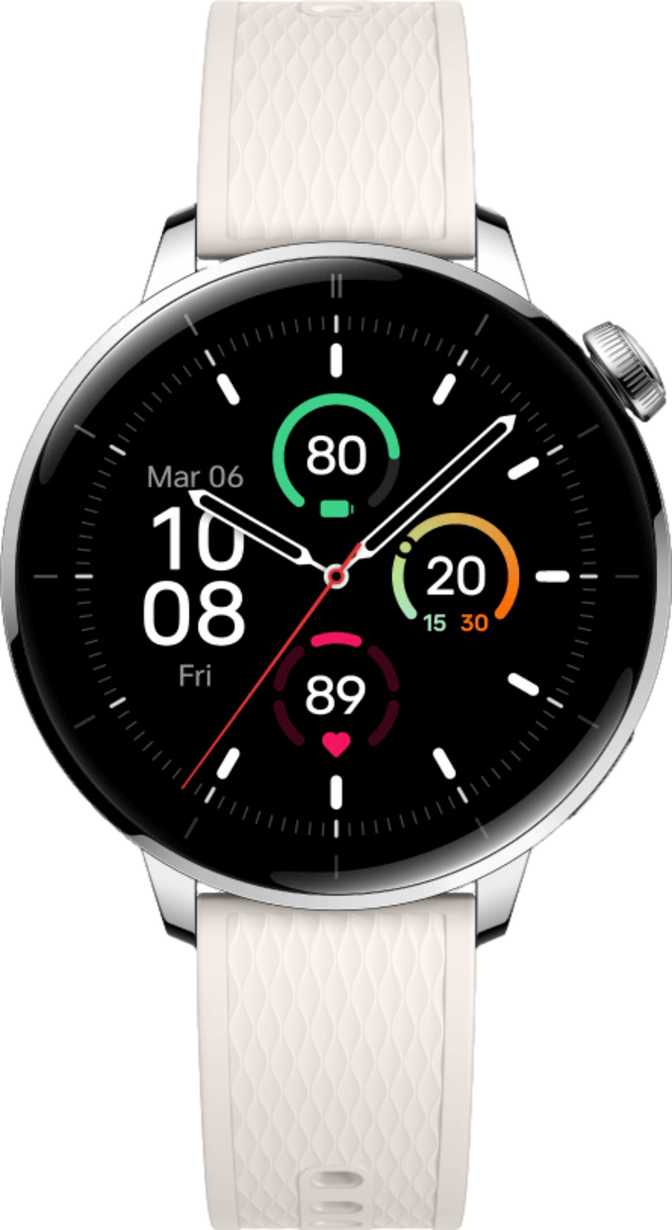
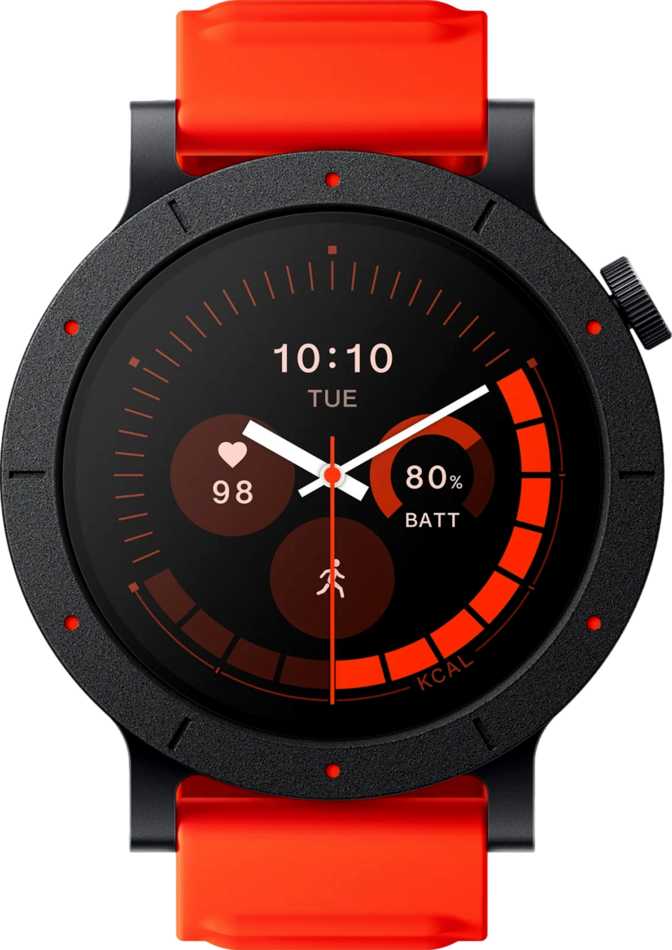
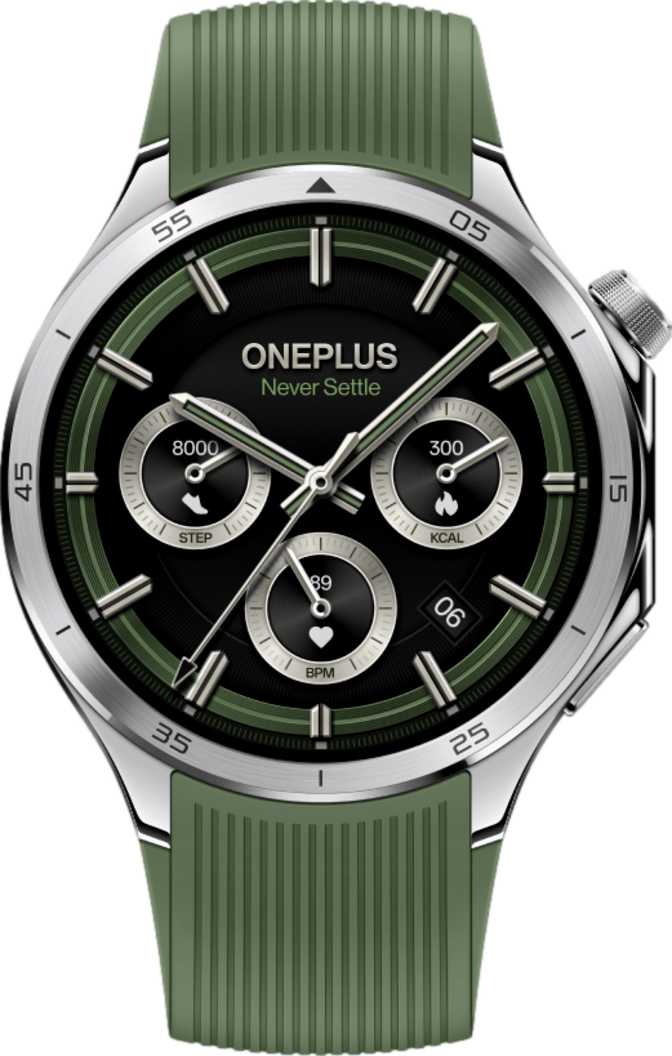
At just under 48mm tall and 47mm wide, the OnePlus Watch 3 is firmly in the large-watch category. Built for people who prefer a statement piece over a subtle fitness band, the case sits 11.8mm deep — slim enough to slide under a shirt cuff without catching, yet substantial enough to feel like actual wristwear rather than a sensor-laden bracelet.
The 81-gram total weight sits at the heavier end of the smartwatch spectrum. After a few days of wear, most users adjust to it; those with smaller wrists or who sleep with watches on may notice it more. The 22mm band width is a widely adopted standard, which means third-party replacement bands are plentiful and affordable — and the band is fully removable and interchangeable.
The Display: Where This Watch Genuinely Stands Out
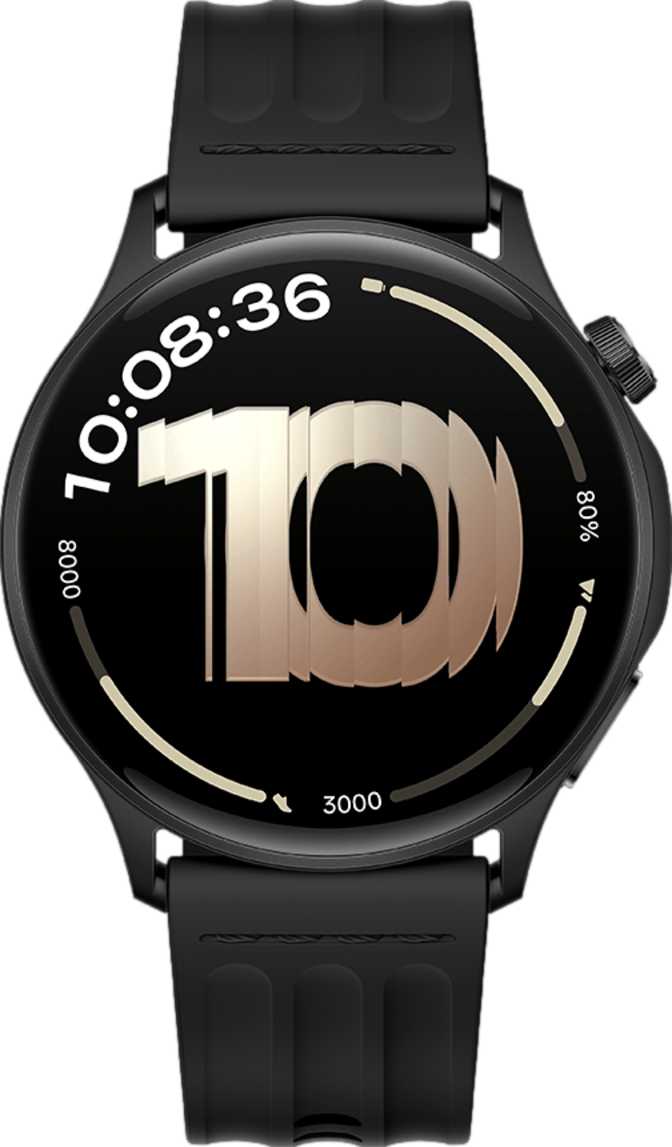
The 1.5-inch AMOLED screen is one of the Watch 3's most compelling features. At 439 pixels per inch on a 466×466 resolution panel, the display is sharp enough that text and icons look clean at any size. True AMOLED technology means blacks are genuinely black — not backlit dark grey — and colors achieve contrast levels that LCD-based alternatives simply cannot match.
The Always-On Display lets you glance at the time and complications without raising your wrist or tapping the screen — a quality-of-life feature that sounds minor until you've used a watch that lacks it.
Sapphire Crystal Glass
Sapphire sits near the top of the mineral hardness scale — the same material used in watches costing significantly more. Everyday keys, desk surfaces, and rough contact won't leave the scratches that appear on mineral or standard hardened glass. For a watch worn every day for years, this matters more than most spec comparisons suggest.
Water Resistance and Environmental Toughness
Performance: More Computer Than Watch
Processing Power · Storage · Real-World Independence
The Watch 3 carries 2GB of RAM and 32GB of internal storage. To put those numbers in perspective, many budget Android smartphones launched in recent years shipped with less of both. This isn't typical smartwatch hardware — it's closer to the internals of an entry-level smartphone, and that distinction changes how you can actually use the device.
The real-world implication of 32GB onboard is that you can load the watch with music, podcasts, or playlists and leave your phone behind during workouts entirely. You are not streaming — you are playing files stored directly on the device. For runners and gym users who find a phone bulky and inconvenient, this shifts the Watch 3 from phone accessory to a meaningfully independent tool.
The 2GB of RAM ensures the interface stays fluid rather than stuttering through menu transitions or app launches. Smartwatches with less memory often feel sluggish as they age or as the OS grows heavier. The Watch 3's headroom here suggests a more comfortable lifespan before any performance degradation sets in.
Internal Specs vs. Category Norms
| Component | OnePlus Watch 3 | Mid-Range Avg. |
|---|---|---|
| Internal Storage | 32 GB | 4 – 8 GB |
| RAM | 2 GB | 1 GB |
| Music Playback | Offline (stored) | Streaming only |
| Phone Needed for Music | No | Usually yes |
Health and Fitness Tracking
Sensor Stack · Heart Health · VO2 Max · GPS · Sleep & Recovery
The Sensor Stack
The Watch 3 is equipped with a comprehensive array of sensors that covers both general wellness monitoring and structured fitness training. Together, they form a toolkit that would have required multiple dedicated devices just a few years ago.
- Heart Rate MonitorContinuous and on-demand tracking throughout the day
- Blood Oxygen (SpO2)Oxygen saturation percentage in the blood
- Body TemperatureSkin temperature trends logged continuously
- BarometerAtmospheric pressure for accurate elevation tracking
- GPS + GalileoMulti-constellation navigation, no phone required
- CompassDirectional orientation independent of GPS
- Cadence SensorSteps per minute — a key running efficiency metric
- Gyroscope & AccelerometerMotion, orientation, and activity detection
Heart Health Monitoring in Depth
Beyond basic heart rate readings, the Watch 3 tracks Heart Rate Variability — the variation in time between individual heartbeats. HRV has become a widely used indicator of nervous system recovery; lower-than-normal readings often signal stress, illness, or inadequate rest before your body consciously registers those things. Having this tracked continuously on your wrist, rather than requiring clinical equipment, is meaningful for athletes and health-conscious users alike.
The watch measures resting heart rate and provides alerts when your rate climbs unusually high or drops unexpectedly low during rest. These fast/slow HR notifications can serve as early warnings for irregularities or simply provide useful context during illness recovery.
Important gap: The Watch 3 does not include ECG functionality or irregular heart rhythm detection. For atrial fibrillation monitoring, a medically certified device is the appropriate tool — not this watch.
VO2 Max and Recovery Scoring
VO2 max is the single most predictive indicator of cardiovascular fitness and long-term health outcomes — it measures your body's maximum oxygen consumption during exercise. The Watch 3 estimates this using heart rate data during workouts and compares the result against population norms. Wrist-based estimation is inherently less precise than laboratory testing, but serves reliably as a trend indicator over time.
The daily readiness or recovery score is a composite derived from sleep quality, HRV, resting heart rate, and accumulated activity load. Rather than requiring you to interpret raw data yourself, it gives you a single number that reflects whether your body is primed for hard training or better served by rest. For athletes managing training load, this is a legitimate decision-support tool.
GPS, Navigation, and Elevation
Onboard GPS tracks your routes without needing a phone nearby. Supporting both GPS and Galileo satellite systems improves location accuracy in dense urban environments where buildings obstruct signals — and in areas where single-system GPS coverage degrades. Fast GPS acquisition reduces the time spent waiting for a satellite lock before a workout.
Elevation data is derived from the barometer rather than GPS coordinates alone — atmospheric pressure readings are far more accurate for altitude measurement than coordinate-based estimates. This matters for hikers, trail runners, and cyclists where climbing data is a significant part of the session record.
Sleep Tracking and Wellness Monitoring
The Watch 3 tracks sleep automatically — no manual start or stop required. Reports break down sleep stages, duration, and consistency over time. The temperature sensor adds a meaningful layer: wrist temperature fluctuations during sleep have been linked to illness onset and sleep quality, and the Watch 3 logs these changes as part of its overnight picture.
Water intake, calorie burn, and weight tracking round out the wellness dashboard through the companion app. One honest gap: real-time perspiration monitoring is absent — though this sensor capability remains rare across the broader smartwatch category, making it a minor rather than a meaningful omission.
Battery Life and Charging
Endurance · Real-World Impact · Charging Speed
The Watch 3 houses a 631 mAh battery — large by smartwatch standards. The rated five-day battery life is a practical estimate rather than a theoretical ceiling; it assumes the Always-On Display is active, health sensors run continuously, and notifications come through regularly. This is not cherry-picked lab data.
Five days between charges means you realistically plug in once or twice per week. Compare this to popular competitors requiring nightly charging — turning the watch into another device you must remember to connect alongside your phone each evening. The Watch 3 largely sidesteps that ritual, and the freedom that comes from it is felt immediately after the first full week of use.
The charging speed is equally strong: a full charge completes in approximately one hour. A 20–30 minute top-up during a morning shower or commute provides meaningful additional runtime. This combination of high capacity and fast replenishment outperforms most competing wearables at this price tier.
One trade-off to know: The Watch 3 does not support wireless Qi charging. The proprietary cable must be present at your charging spot. For users with a unified wireless pad, it's a minor inconvenience. For most, it is completely irrelevant.
Smart Features and Connectivity
Calls · Notifications · NFC · Voice Control · Music · Navigation
The Watch 3 functions as a capable phone extension. Calls can be handled directly from the wrist using a built-in microphone and speaker — functional quality for short calls without reaching for your phone, and genuinely useful when your hands are occupied. Calendar sync surfaces upcoming appointments on your wrist, and voice commands let you set timers, start workouts, or send queries hands-free. NFC hardware for contactless payments is present; regional service availability should be verified for your preferred payment provider.
Connectivity at a Glance
- Bluetooth5.2
- Wi-FiWi-Fi 4 (802.11n)
- NFCIncluded
- GPS SystemsGPS + Galileo
- Cellular / LTENot included
- ANT+Not supported
- iOS CompatibilityAndroid only
- Fall DetectionIncluded
Honest Assessment: Strengths and Weaknesses
An unvarnished look at what the Watch 3 gets right — and where it genuinely falls short
Where It Excels
Sapphire glass at a non-premium price. Most watches at this tier use Gorilla Glass or mineral variants. Sapphire protection is a meaningful upgrade that directly extends the lifespan of the display — and it shows every time you avoid the scratch that would have appeared on a lesser material.
Internal storage that changes how you actually use the watch. 32GB onboard is the difference between leaving your phone at home for a run and carrying it because you need music. This shifts the Watch 3 from phone accessory to a meaningfully independent wearable device.
Battery life that earns real freedom. Five days of genuine runtime means the charging ritual drops from nightly to twice a week at most. Pair that with a one-hour full charge and the anxiety of running low largely disappears.
Serious health tracking with no subscription fee. HRV, VO2 max, recovery scoring, multi-satellite GPS, and barometer-accurate elevation are all included. The companion app is free and ad-free with no ongoing cost for core functionality.
Exceptional environmental resilience. An operating range from polar-cold to near-industrial-heat, combined with a 50-metre water rating, means this is a watch you can wear in genuinely demanding conditions without having to baby it.
Where It Falls Short
No iOS compatibility — and that is final. The Watch 3 does not work with iPhones. There is no workaround, no partial connectivity, and no future update that will change this. If your phone runs iOS, this watch is not an option, full stop.
No ECG or arrhythmia detection. For users with cardiac history or those specifically seeking rhythm monitoring, this is a hard stop. Medical-grade cardiac features remain confined to a narrower category of devices, and the Watch 3 is not among them.
No multi-sport mode for structured athletes. Triathletes who need automatic segment transitions between swim, bike, and run within a single session will find no native support. Individual workout types can be tagged, but combined-sport session tracking is absent.
No ANT+ for cyclists. The majority of cycling power meters, speed sensors, and smart trainers use ANT+ protocol. Without support, the Watch 3 cannot communicate with this hardware ecosystem — a meaningful gap for anyone with an established cycling sensor setup.
No wireless charging. A small inconvenience that only surfaces if you have a unified wireless charging setup. The proprietary cable needs to be present at your charging spot — a habit adjustment rather than a genuine problem, but worth knowing before purchase.
Who Should Buy the OnePlus Watch 3?
Match the watch to your lifestyle before you commit
Ideal Buyers
Dedicated Android users who want a premium daily companion
The Watch 3 is tuned exclusively for Android, and within that ecosystem it performs at a high level. If your phone runs Android and you want a full-featured smartwatch without paying flagship-tier prices, the Watch 3 makes a compelling case.
Health-focused users wanting continuous, detailed monitoring
HRV, VO2 max, body temperature, blood oxygen, readiness scoring, and comprehensive sleep analysis cover meaningful health bases. Not a medical device — but a genuinely informative wellness tracker.
Runners, hikers, and endurance athletes
Multi-satellite GPS, barometer-aided elevation tracking, cadence measurement, and independent music storage make the Watch 3 well-suited to long outdoor sessions where leaving the phone behind is desirable.
Users tired of nightly charging rituals
If the daily charging routine of popular smartwatches frustrates you, the Watch 3's multi-day endurance is a straightforward quality-of-life improvement with no trade-off in features.
Look Elsewhere If You Are...
An iPhone user
There is no iOS compatibility, and that fact is not negotiable. There are no workarounds or partial modes. The Watch 3 requires an Android phone — no exceptions.
A triathlete or multi-sport competitor
The absence of structured multi-sport mode is a functional gap. Automatic segment transitions between disciplines within a single tracked session are not supported natively.
A cyclist with ANT+ accessories
Without ANT+ support, the Watch 3 cannot communicate with power meters, speed sensors, or smart trainers — the majority of cycling hardware currently in use.
Users needing ECG or arrhythmia monitoring
The Watch 3 lacks ECG technology. For cardiac health tracking at any clinical level of monitoring, a medically approved device is the correct choice — not a consumer smartwatch of this category.
How the OnePlus Watch 3 Compares
Side-by-side against mid-range and premium Android smartwatch alternatives
| Feature | OnePlus Watch 3 | Typical Mid-Range Android Watch | Typical Premium Android Watch |
|---|---|---|---|
| Display Type | AMOLED, Always-On | AMOLED | AMOLED |
| Screen Protection | Sapphire Glass | Gorilla Glass variants | Sapphire (select models) |
| Battery Life | ~5 days | 1 – 3 days | 2 – 4 days |
| Charge Time | ~1 hour | 1.5 – 2 hours | 1 – 2 hours |
| Internal Storage | 32 GB | 4 – 8 GB | 16 – 32 GB |
| RAM | 2 GB | 1 GB | 1.5 – 2 GB |
| Multi-Satellite GPS | GPS + Galileo | GPS only (typical) | Multiple systems |
| ECG | No | Varies by model | Yes (top tier) |
| iOS Compatibility | Android only | Varies by model | Varies by model |
| ANT+ | No | Varies by model | Varies by model |
| Wireless Charging | No | Varies by model | Often yes |
The Watch 3's clearest differentiator is its storage and RAM combination — it outclasses most mid-range competitors and matches upper-end alternatives at a lower price point. Sapphire glass protection at this tier is also unusual.
Common Questions Before You Buy
Answers to what real buyers search for before purchasing
A Confident Buy for the Right Android User
The OnePlus Watch 3 is an unusually well-specified Android smartwatch that makes smart trade-offs. The sapphire crystal display, multi-day battery life, fast charging, and exceptional onboard storage-to-price ratio represent genuine value that is difficult to find elsewhere at this tier. The health tracking suite covers serious ground — HRV, VO2 max, recovery scores, multi-satellite GPS, and barometer-accurate elevation form a toolkit that serves both casual health monitors and structured athletes.
The limitations are real but specific. No iOS support, no ANT+, no ECG, and no multi-sport mode will firmly disqualify this watch for certain buyers. For those buyers, it is not the right product regardless of price. For everyone else — Android users who want a polished, capable, premium-feeling daily smartwatch that charges in an hour and lasts most of the work week — the Watch 3 earns its place on the wrist on merit, not on brand loyalty.