OnePlus Buds Ace 3: A Full Review With Real Trade-Offs
Wireless EarbudsAt a Glance
Editorial assessment based on complete specification analysis
The mid-range true wireless earbud market is brutal. Dozens of options fight for the same wallet, and most of them make the same promises — great sound, solid battery, decent noise cancellation — then fail to deliver on at least one. The OnePlus Buds Ace 3 enters this space with a specification sheet that reads more like a premium product than its price tag suggests. Whether that translates into a genuinely satisfying daily listen is exactly what this review unpacks.
Design and Build: Lightweight Confidence
Physical Comfort and Fit
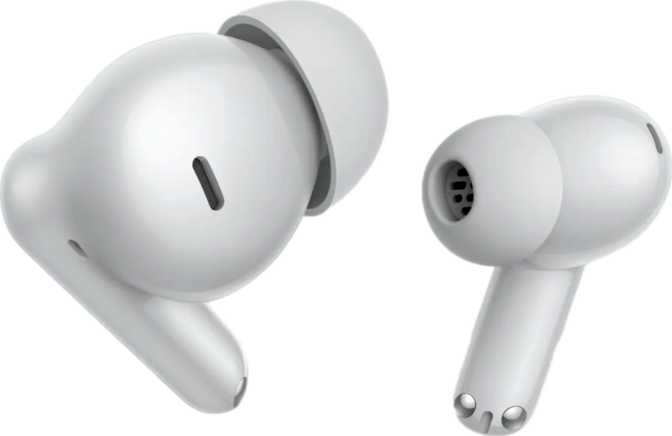
At just under ten grams per earbud, the Buds Ace 3 sits firmly in the "you'll forget you're wearing them" weight category. That's a meaningful achievement for an in-ear design — the style of fit where the earbud seats inside the ear canal using silicone ear tips rather than resting in the outer ear bowl. In-ear designs provide better passive noise isolation by default, and they tend to stay in place during movement more reliably than open-fit alternatives.
There are no wingtips included, which means the Buds Ace 3 relies entirely on the seal created by the ear tip itself to stay secure. For most people with average ear anatomy, this works perfectly fine. If you've historically struggled with standard in-ear earbuds slipping out during workouts, it's worth testing the fit before committing.
Durability and Weather Resistance
The IP55 rating is the kind of spec that doesn't generate excitement but earns quiet respect over months of ownership. The first digit refers to protection against solid particles like dust; the second refers to water. At this level, the earbuds can handle sustained water jets from any direction — not just splashes, but actual water pressure — alongside meaningful dust resistance. Sweaty gym sessions, running in rain, or wearing them while cooking are all within scope. Submersion is not, but that's rarely what people actually need.
Aesthetic Choices
The Buds Ace 3 skips RGB lighting entirely, keeping the design clean and understated — the right call. RGB on earbuds looks impressive in a product listing and feels gimmicky in real life. The case charges via USB-C, the current universal standard, which means no dedicated cable hunting and no legacy port frustration.
- Fit TypeIn-Ear
- Weight per Earbud9.6 g
- True WirelessYes
- Weather ProtectionIP55
- Charging PortUSB-C
- Carrying CaseIncluded
- WingtipsNot Included
- RGB LightingNone
Sound Quality: What the Drivers Actually Deliver
Driver Size and Frequency Range
The Buds Ace 3 uses a 10.4mm dynamic driver in each earbud. Driver size isn't everything — tuning matters enormously — but a 10mm-plus driver at this price is a positive signal. Larger drivers generally have more physical surface area to move air, which supports better low-frequency reproduction without distortion.
The frequency range extends from a very deep bass floor all the way up to 40kHz — well beyond what human hearing can perceive, which tops out around 20kHz for most adults and significantly lower for older listeners. The extended high-frequency ceiling is relevant primarily when listening to high-resolution audio files where content is encoded above the standard threshold. For everyday streaming, it confirms the hardware isn't artificially limiting the frequency response.
The low-bass extension reaches into sub-bass territory, meaning bass-heavy genres — hip-hop, electronic, modern pop — should feel full-bodied rather than thin.
Active Noise Cancellation Explained
ANC works by using microphones to sample the ambient sound around you, then generating an opposing sound wave that cancels it out before it reaches your ears. It performs best against consistent, low-frequency drone noise — engines, HVAC systems, airplane cabin noise — and is less effective against sudden sharp sounds or complex human speech in chaotic environments.
The battery data offers a useful signal about the ANC implementation: enabling it reduces playback time by roughly 35%. More aggressive, power-hungry ANC circuits can cut battery life by 50% or more, suggesting a reasonably efficient circuit here.
The flip side of ANC: this mode deliberately lets external sound through — amplified by the microphones — so you can hear traffic, conversations, or station announcements without removing the earbuds. It's the feature you use when a colleague walks up to your desk or when you need full situational awareness near traffic.
Audio Codec Support: The LDHC Advantage
Codecs determine how audio is compressed and transmitted from your phone to your earbuds over Bluetooth. Different codecs trade off between audio quality, latency, and device compatibility — and which one you get depends entirely on both devices supporting the same standard.
| Codec | Supported | What It Means for You |
|---|---|---|
| AAC | Yes | Apple ecosystem standard; delivers good quality on iPhones and compatible Android devices. A solid everyday baseline. |
| LDHC (HWA) | Yes | Key differentiator. High-resolution wireless transmission up to 900kbps — a meaningful audio quality advantage exclusive to OnePlus and OPPO device users. |
| LDAC | No | Sony's high-res codec; absent here. A relevant limitation for Sony smartphone users who rely on it. |
| aptX / aptX HD | No | Qualcomm's audio codec family; not supported. Affects users on Qualcomm-heavy Android platforms. |
| aptX Adaptive | No | Qualcomm's flagship adaptive codec; not present at this price tier. |
| LE Audio / LC3 | No | Next-generation Bluetooth standard; not yet available in this product. |
Best Experience With
OnePlus and OPPO device owners unlock LDHC's high-resolution audio transmission — the clearest audio advantage these earbuds hold over similarly priced competition. iPhone users get solid AAC performance. Standard Android users on other brands also get AAC. Everyone gets a good experience; OnePlus ecosystem users get a better one.
Worth Knowing Before You Buy
Sony smartphone users seeking LDAC compatibility and Qualcomm platform users accustomed to aptX quality will find the codec roster narrower than some competitors. If high-res wireless audio via those specific codecs is a priority, factor that in before purchasing.
Battery Life: Practical Endurance Analysis
Daily and Weekly Use in Context
Ten hours of continuous playback per charge is a strong number for in-ear earbuds. For practical context: if you listen for three hours per day during a commute and work sessions, you'd recharge the earbuds roughly every three days. With the charging case adding more than thirty additional hours of capacity, your full week of listening — even heavier-than-average use — is covered without reaching for a wall outlet until the weekend.
The combined total of about forty-four hours from earbuds plus case puts the Buds Ace 3 comfortably above the category average, where twenty-five to thirty total hours is typical at this price point.
Charging Speed and Fast Charge
A full charge from flat takes ninety minutes — reasonable, not exceptional. The more practically useful figure is fast charging: even if you forget to charge overnight, a short charge window should recover a usable amount of listening time. Wireless charging is not supported; the case uses USB-C only, which is worth noting if your desk setup is built around a charging pad.
Battery vs. Category Benchmarks
Microphone Performance: Six Mics, One Clear Call
Six microphones across both earbuds is a substantial array for earbuds at this price. The purpose of multiple microphones is twofold: to better capture your voice from multiple angles, and to apply beamforming and noise-rejection algorithms that suppress wind, ambient noise, and background sounds during calls.
The built-in noise-canceling microphone system means the person on the other end of your call hears your voice clearly, not the café you're sitting in. For anyone who takes calls in variable environments — walking outside, working in open-plan offices, traveling — this is a differentiating feature that daily-use earbuds at this price often get wrong.
A dedicated mute function is accessible directly from the earbuds themselves, useful during video conferences and calls without any need to reach for your phone or laptop.
- 6 total microphones
Above-average count for the mid-range tier - Noise-canceling mic system
Suppresses wind, ambient noise, and background chatter on calls - On-device mute function
Toggle silence directly from the earbud — no phone needed - Full headset functionality
Capable for calls, voice conferencing, and voice assistant use
Connectivity Features: Everyday Convenience
Multipoint Connection
Stays paired to two devices simultaneously — phone and laptop, for example. Audio switches automatically when a call arrives or playback starts on the other device. No manual disconnect-and-repair required.
Fast Pairing
Opening the case near a compatible device triggers a pairing prompt automatically. No manual Bluetooth menu navigation needed for first-time setup — a quality-of-life detail that reflects well on the overall user experience.
Find My Earbuds
Triggers an audible alert from the earbuds via the companion app to locate them when misplaced in a bag, between couch cushions, or in a gym locker.
Touch Controls
On-body touch panels handle playback, volume, ANC toggling, and call management. Voice prompts confirm mode changes so you always know which function was activated.
Latency: Gaming and Video Expectations
The audio latency sits at 94 milliseconds. To put that in context: professional audio production targets latency under 10ms; human perception of audio-video desynchronization typically begins around 100ms; gaming-focused earbuds commonly advertise figures under 60ms as their key selling point.
At 94ms, the Buds Ace 3 falls just below the threshold where desync becomes noticeable for most viewers. Video apps often implement their own sync correction, so casual YouTube watching and Netflix should be fine in practice. For competitive gaming where audio cues affect reaction time, these earbuds are not purpose-built for that use case.
Latency in Context
Lower is better. The Buds Ace 3 sits just below the point where most users perceive video desync.
Who Should Buy the OnePlus Buds Ace 3
- OnePlus and OPPO smartphone users
LDHC codec support unlocks a genuinely higher audio transmission quality exclusive to compatible devices in this ecosystem. - Commuters and office workers
ANC and a ten-hour battery cover full working days. Six microphones handle noisy-environment calls with confidence. - Fitness users with moderate demands
IP55 weather resistance handles sweat and rain without hesitation. Lightweight, cable-free, and secure for gym and outdoor use. - Multi-device users
Dual-device multipoint eliminates the daily friction of manually switching between work laptop and personal phone. - Value-conscious buyers
ANC, ambient mode, multipoint, fast charging, and a six-mic array are typically found on significantly more expensive earbuds.
- Sony Xperia or LDAC enthusiasts
LDAC is not supported. If your high-resolution audio workflow depends on it, look elsewhere. - Competitive gamers
The 94ms latency figure puts this outside the range of earbuds purpose-built for gaming responsiveness. - Spatial audio seekers
Dolby Atmos and spatial audio processing are absent. If immersive positional audio is a priority, this isn't the product. - Wireless charging users
The case is USB-C only. No Qi wireless charging pad support whatsoever. - Buyers who rely on in-ear detection
There is no auto-pause when an earbud is removed — a minor but genuinely noticeable omission for those used to it on other earbuds.
How It Compares to Logical Alternatives
These comparisons reflect typical specifications for earbuds competing in the same price tier, based on published category norms.
| Feature | OnePlus Buds Ace 3 | Typical Rival A ANC-focused competitor |
Typical Rival B Sony ecosystem device |
|---|---|---|---|
| ANC | Yes | Yes | Yes |
| Total Battery | ~44 hours | ~30–35 hours | ~30–36 hours |
| High-Res Codec | LDHC | SBC / AAC only | LDAC |
| Microphone Count | 6 mics | 2–4 mics | 2–4 mics |
| Multipoint | 2 devices | 2 devices | 2 devices |
| Wireless Charging | No | Sometimes | Sometimes |
| Spatial Audio | No | Sometimes | Yes (select models) |
| Latency (standard) | ~94ms | ~80–120ms | ~90–120ms |
The Buds Ace 3 leads primarily on battery longevity and microphone count. It concedes ground on codec breadth and spatial audio relative to some alternatives.
Honest Assessment: Wins and Shortcomings
Where It Wins
The Buds Ace 3 is a genuinely well-specified product for its market position. The battery endurance is class-leading for the price. The combination of a substantial driver, deep bass extension, ANC, ambient mode, a six-microphone array, and an impressive total case reserve gives it a feature profile that outpaces many earbuds sold for significantly more.
The IP55 rating provides real-world peace of mind without demanding a premium. LDHC support is a meaningful advantage if you're already in the OnePlus or OPPO ecosystem — and the six-microphone call quality setup punches well above the tier. For professionals taking calls in variable environments, that distinction matters more than most spec comparisons reveal.
Where It Falls Short
The absence of wireless charging is a convenience gap that won't bother most buyers but will frustrate those who have standardized on charging pads. The lack of in-ear detection — the feature that pauses audio automatically when you remove an earbud — is a small but genuinely annoying omission once you've been spoiled by it on other earbuds.
The codec roster is narrower than some competitors, particularly for Sony device users who would want LDAC. At 94ms, the latency is acceptable for everyday media but falls short for gaming-focused buyers. These aren't fatal flaws — they're deliberate scope decisions that have allowed other features to lead — but they will be dealbreakers for specific buyers who know what they need.
Common Questions Before You Buy
Final Verdict
Our editorial recommendation based on complete specification analysis
The OnePlus Buds Ace 3 makes a confident case for itself in a crowded price tier. It doesn't try to do everything — no spatial audio, no wireless charging, no aptX ecosystem — but it does the things that matter most to a daily listener with real clarity and consistency.
The battery endurance is class-leading for the price. The six-microphone call quality setup punches well above the tier. LDHC gives OnePlus users a genuine high-res wireless audio advantage. IP55 durability means you don't have to think twice about where you take them.
You want a feature-rich, endurance-focused pair of true wireless earbuds and you're not locked into a specific codec ecosystem. They represent strong value and deliver what matters most without unnecessary compromise.
Spatial audio, LDAC support, wireless case charging, or gaming-grade low latency are non-negotiable for your use case. Those aren't failures of the product — they're deliberate trade-offs that will be dealbreakers for specific buyers.
For the majority of everyday listeners, commuters, and working professionals who want capable earbuds that stay charged, sound good, and handle calls in the real world — the OnePlus Buds Ace 3 earns a genuine recommendation.