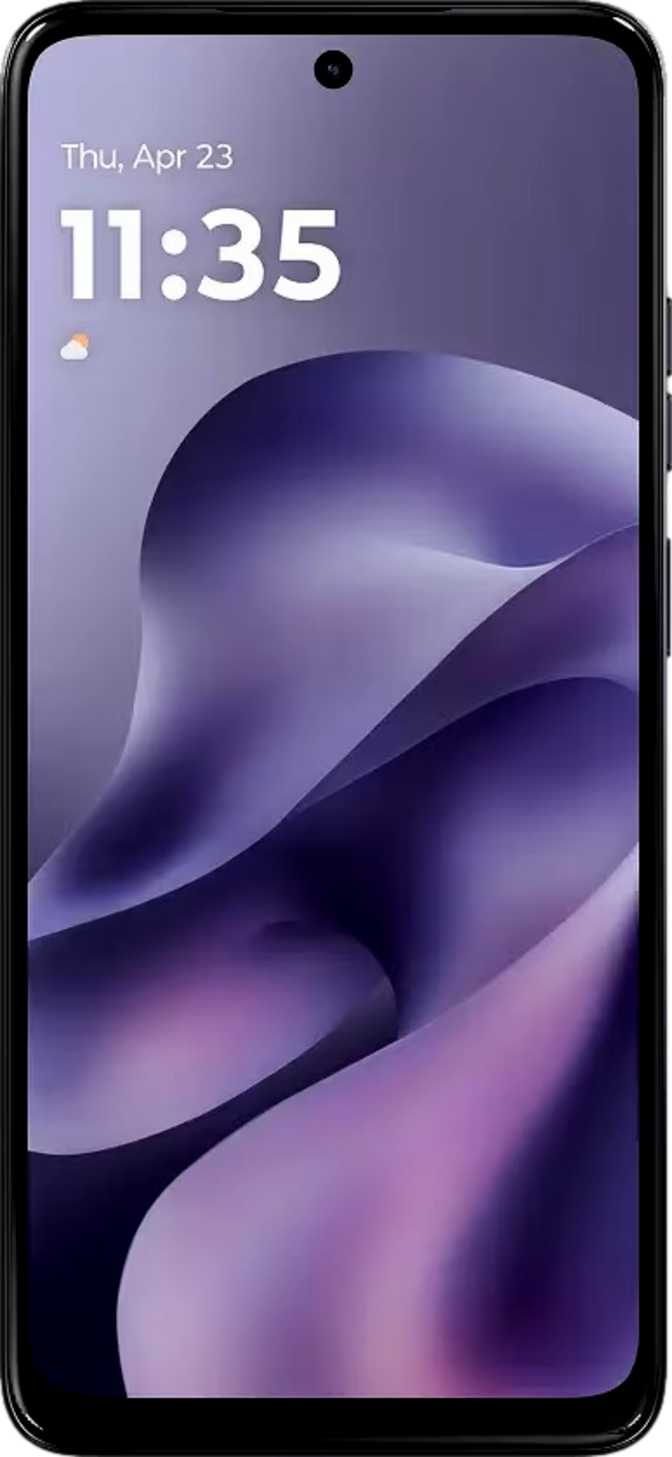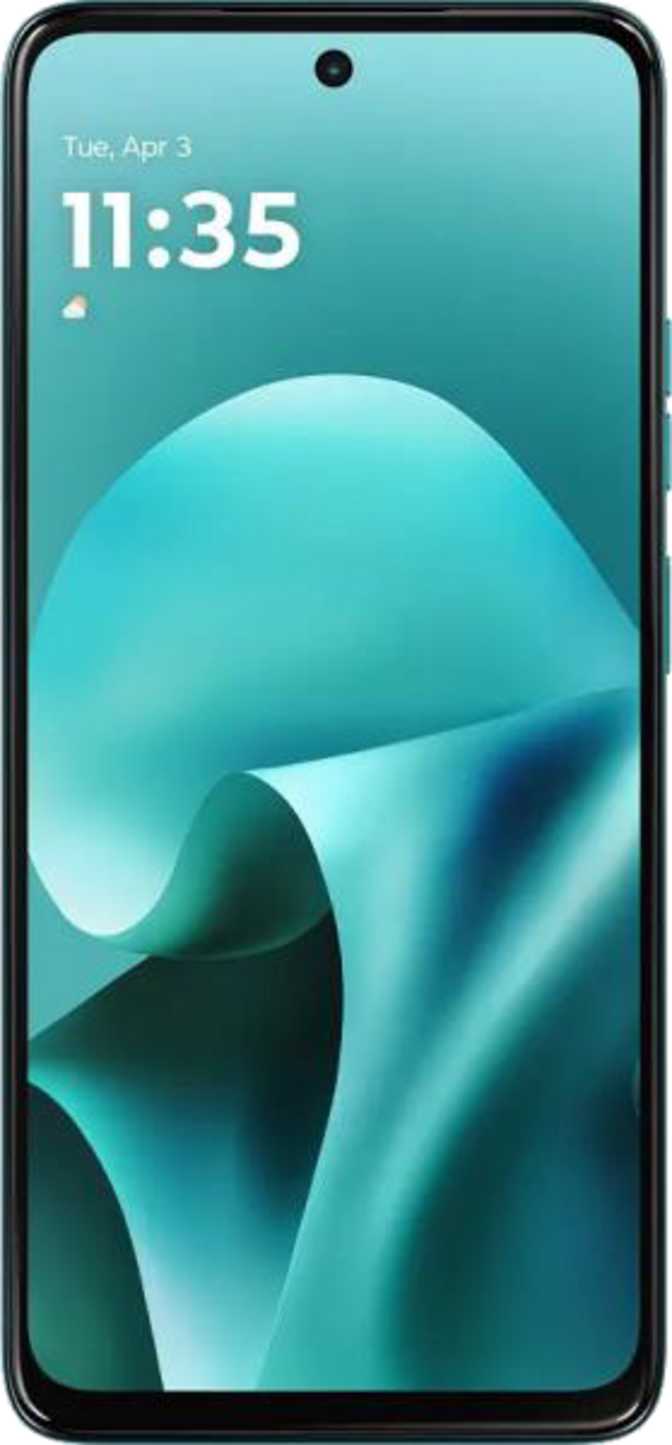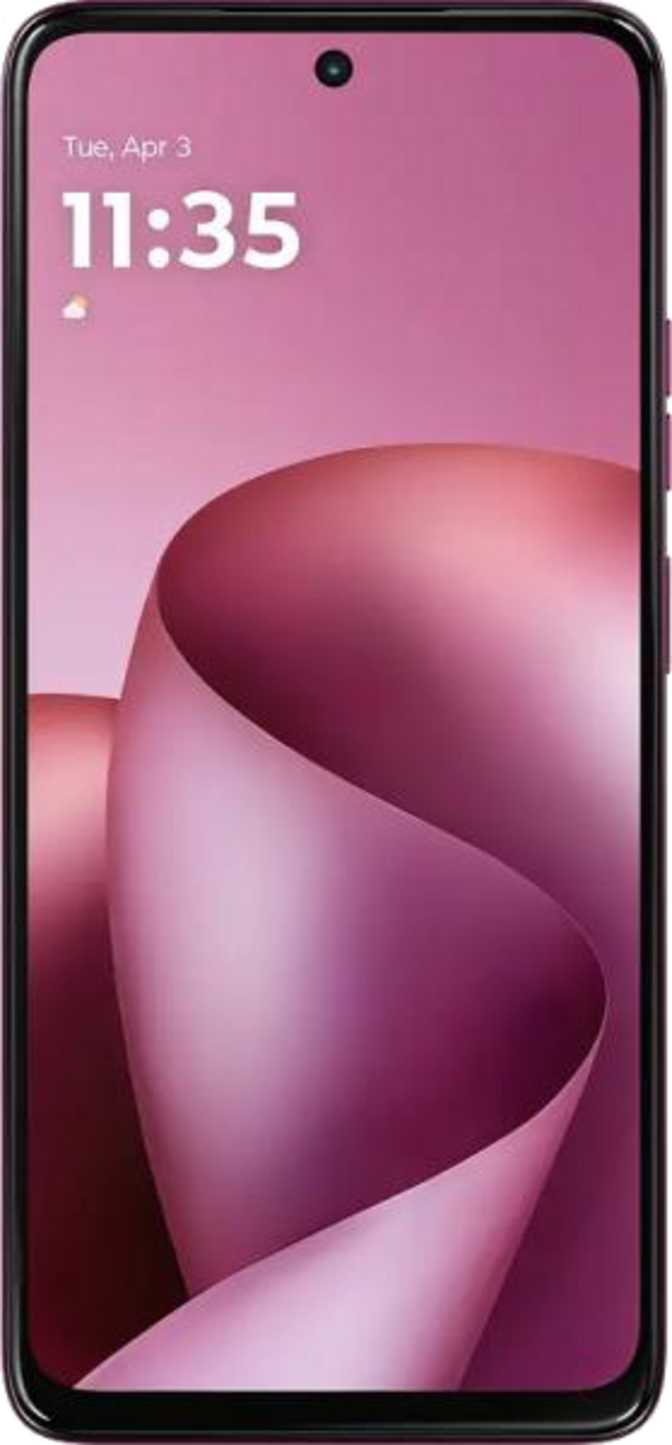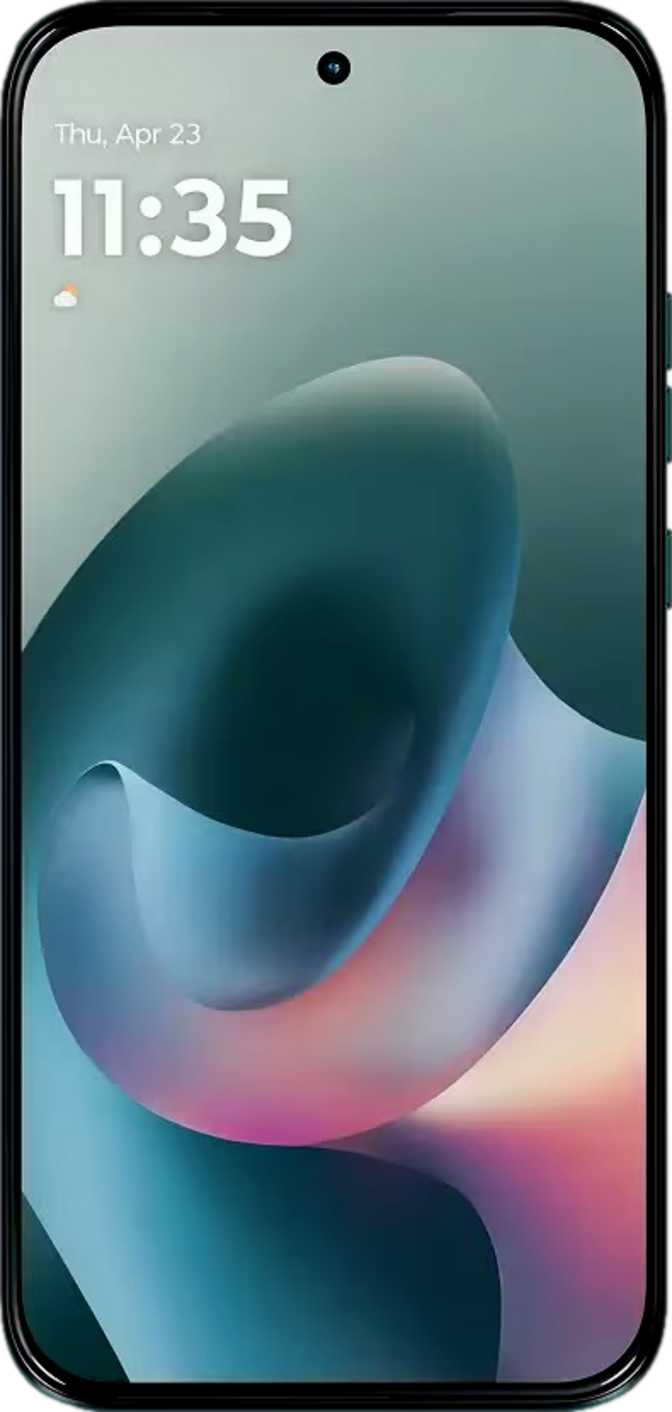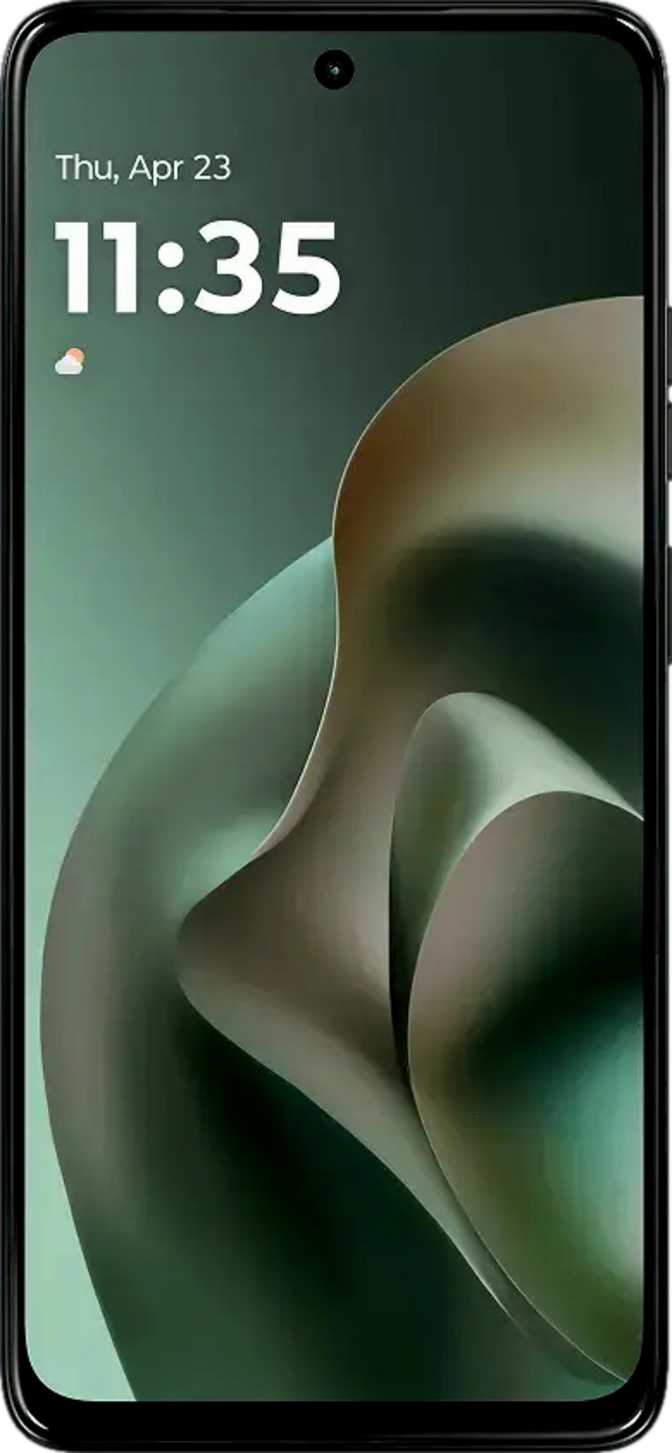
Motorola Moto G67 Full Review: OLED Quality at Mid-Range Cost
SmartphonesQuick Verdict
Exceptional display quality and genuine battery endurance at a price where both are rarely offered together.
Overall Rating
8.0 /10A mid-range phone that wins where it matters most — the screen you look at all day and the battery that sees you through it.
Category Scores
OLED · 120Hz · 450 ppi
Premium display at a mid-range price
5200 mAh · 30W Fast Charge
All-day battery with room to spare
IP64 · Gorilla Glass 7i
Certified protection for everyday life
Design and Build Quality
Thin, light, and serious about protection — built to feel considered rather than cost-cut.
At 7.3 mm thick and 182 grams, the Moto G67 is one of the slimmer, lighter handsets in its class. It sits comfortably in a single hand without demanding a conscious re-grip during reading or scrolling. The width of 77.4 mm is on the wider side — a natural consequence of the large screen — but the overall dimensions remain manageable enough to disappear into a jacket pocket without protest.
The IP64 certification is a real, third-party-verified level of protection, not a marketing label. In practical terms this covers rain, sweat, kitchen splashes, and a dropped glass of water — every environmental hazard that typically happens in daily life. It is not rated for submersion, so a dunking is still a genuine risk, but for everyday encounters it provides reassurance that competitors at this price often forego entirely.
Gorilla Glass 7i — Corning's latest mid-range-specific variant — protects the display. It outperforms the older glass iterations found on rival devices in resistance to the scratches and drops that happen in real daily carry. Keys, coins, and the occasional face-down table moment are its intended test conditions, and it handles them well.
Physical Dimensions
- Height
- 164.2 mm
- Width
- 77.4 mm
- Thickness
- 7.3 mm
- Weight
- 182 g
- IP Rating
- IP64
- Glass
- Gorilla Glass 7i
The Display: Where the Moto G67 Genuinely Surprises
An OLED panel at 450 ppi with a 120Hz refresh rate is not something mid-range buyers should take for granted.
OLED Technology
Each pixel generates its own light. Blacks are absolute black, not dark grey. Colours carry depth that LCD screens at any price cannot replicate.
120Hz Refresh Rate
The display updates 120 times per second. Scrolling no longer smears; animations land with physical weight. Coming from 60Hz, the difference is startling and permanent.
450 Pixels Per Inch
Individual pixels become invisible at around 300 ppi. At 450 ppi, text is razor-sharp and fine photo detail is rendered with complete fidelity.
The 6.78-inch OLED panel is the centrepiece of the entire experience. For watching video, browsing social media, or reading at night, the quality advantage over LCD is visible to any user — not just display enthusiasts. The difference between a good OLED and a good LCD is larger than the difference between two phones at either side of a price band.
The Always-On Display feature shows the time, date, and notification icons while the phone appears off. Because OLED only illuminates the pixels it needs, this uses a fraction of the battery that an equivalent LCD feature would consume. It eliminates the grab-and-tap habit of checking the time and works efficiently here because the underlying technology makes it so.
The 1272 × 2772 pixel resolution ensures everything on-screen — fine typography, detailed photography, intricate UI elements — is rendered with more fidelity than you would typically expect at this price point.
Display at a Glance
- Panel TypeOLED
- Screen Size6.78 inches
- Resolution1272 × 2772 px
- Pixel Density450 ppi
- Refresh Rate120 Hz
- Always-On DisplayYes
Performance: A Chipset Worth Understanding
The 6nm Dimensity 6300 is in genuinely current territory — not a recycled design from two generations back.
The 6-nanometre manufacturing process means smaller transistors, more computing power per unit of energy, and better thermal behaviour under sustained load. The processor divides its eight cores into two groups: two performance cores for demanding tasks, and six efficiency cores for lighter workloads like messaging and music playback. This arrangement is what allows the phone to feel responsive during a game while extending battery life when you are simply browsing.
Benchmark results place the G67 firmly in the capable mid-range tier. Single-core performance — which governs how snappy the interface feels for everyday tasks — holds up well at this price. Multi-core results reflect the combined processing muscle available for heavier demands: photo editing, video processing, or sustained gaming. These scores are not flagship territory, but for everything most users do most of the time, the performance is more than sufficient.
With 8 gigabytes of RAM, the phone keeps a meaningful number of apps in memory simultaneously. Switching between browser, messaging, music, and social apps happens without reloads from scratch. The 256 gigabytes of built-in storage is a genuinely generous allocation at this price — and the microSD card slot means it can be expanded further if needed.
Geekbench 6 Results
Single-Core
Multi-Core
- 6nm Dimensity 6300 chipset
- 8GB DDR4 RAM
- 256GB internal storage
- MicroSD card slot for expansion
Camera System: Capable, with Clear Priorities
OIS and a bright main aperture make a real difference in the lighting conditions where most photos actually get taken.
Main Camera — 50MP
The f/1.8 aperture is the most important number here — it allows significantly more light to reach the sensor than the narrower lenses common on competing mid-rangers. The result is noticeably better performance indoors, at dusk, and in restaurants. The back-illuminated sensor design amplifies this further by improving light efficiency at the pixel level itself.
Optical Image Stabilisation uses a physical mechanism inside the camera module to counteract hand tremors. This produces sharper stills in lower light and smoother video — something software correction alone cannot replicate. Phase-detection autofocus locks onto moving subjects quickly and accurately.
- 50MP · f/1.8 · BSI sensor
- Optical Image Stabilisation (OIS)
- Phase-detection autofocus
- Manual controls: ISO, exposure, focus, white balance
- No optical zoom capability
Ultra-Wide Camera — 8MP
Useful for architecture, landscapes, and group shots in tight spaces. The narrower f/2.2 aperture means noticeably weaker low-light performance than the main camera — a standard trade-off at this price tier for secondary sensors.
Low-light output is significantly softer than the primary lens.
Front Camera — 32MP
32 megapixels at f/2.2 handles most selfie and video call conditions competently. No front-facing flash means very dark environments are challenging. HDR mode helps balance exposure in tricky mixed-lighting situations.
Video Recording Capabilities
QHD
2560×1440 max resolution
30 fps
Maximum frame rate
Slo-Mo
Slow-motion recording
CAF
Continuous autofocus
Battery Life and Charging
A battery large enough that daily charging becomes habit, not necessity — with 30W wired speed when you do need it.
5200
mAh
Larger than most flagship batteries on the market
The 5200 mAh battery is larger than the capacity found in most flagship phones — a genuine advantage that comes from not needing to squeeze it into an ultra-thin premium chassis. Combined with the efficiency of the 6nm processor and OLED's power management for darker content, the Moto G67 is built for multi-day use on moderate usage patterns.
A typical user — social media, messaging, occasional video streaming, navigation — should comfortably reach the end of a full day with charge remaining. Lighter users may stretch to a day and a half between charges. Heavy users who stream video continuously or game for extended periods will consume battery faster, but should still reach end of day without issue.
30W Wired Fast Charging
A 30-minute top-up provides enough charge to carry through the rest of a typical day. A full charge takes approximately 70–90 minutes.
No Wireless Charging
The most common objection at this price — and a legitimate one. No charger is included in the box; a 30W USB-C adapter must be purchased separately.
Software: Android 16 with a Clean Approach
Motorola's near-stock Android keeps the interface fast, unfussy, and out of your way.
Android 16 places the Moto G67 at the current leading edge of the Android ecosystem. Motorola's approach does not add a heavy proprietary skin or replace core Google apps with manufacturer alternatives. The result is a cleaner, faster interface and an update path that follows the Android release cycle more closely than heavily skinned competitors.
Updates are delivered through Motorola rather than directly from Google. The G-series update cadence has historically been functional if not always rapid. For buyers who require the very latest security patch at all times, this is worth factoring in — though for the vast majority of users, the practical difference is minimal.
Notable Software Features
Per-app camera/mic control
App tracking blocker
Dark mode + dynamic theming
Split-screen multitasking
Picture-in-Picture video
Multi-user profiles
Offline voice recognition
Clipboard usage warnings
Battery health monitoring
Full-page screenshots
Connectivity
5G-ready and well-connected for the mid-range, with a few deliberate trade-offs to be aware of.
5G Integrated
Built directly into the Dimensity 6300 — efficient, not bolted on as an add-on. Dual-SIM support included.
Wi-Fi 5 (802.11ac)
Current mainstream standard. Wi-Fi 6 is absent — rarely a real limitation in most homes today.
Bluetooth 5.4 + NFC
Current Bluetooth standard for reliable headphone and peripheral connections. NFC enables contactless payments.
USB-C (2.0 Speed)
Fine for charging and basic transfers. Not suited for large file moves or video output to a monitor.
Who Should Buy the Moto G67
The right phone for a clearly defined buyer — and the wrong one for a specific set of requirements.
Buy It If...
- You prioritise display quality and want OLED performance at a mid-range price
- You take photos in mixed lighting and want OIS-backed results without paying flagship prices
- 5G future-proofing matters to you without the cost of a premium device
- Battery endurance through a full day matters more than wireless charging convenience
- You want 256GB of storage with a microSD expansion slot on top
- You prefer clean, near-stock Android without manufacturer layers added on top
Skip It If...
- Wireless charging is a daily requirement — it is entirely absent here
- You create serious video content and need HDR10 or Dolby Vision recording support
- You rely on a 3.5mm headphone jack and don't want to carry an adapter daily
- The most demanding 3D games at maximum settings are a non-negotiable daily requirement
- You need fast wired data transfers or monitor output — USB 2.0 speed applies here
How It Stacks Up Against Alternatives
The G67 wins on combination — OLED, OIS, and generous battery rarely come together at this price.
| Feature | Moto G67 This Device |
LCD Rival Similar Price |
OLED Rival Higher Price |
|---|---|---|---|
| Display Type | OLED, 120Hz | LCD, 90Hz | OLED, 120Hz |
| Pixel Density | 450 ppi | ~400 ppi | ~430 ppi |
| Processor Node | 6 nm | 6 nm | 4 nm |
| RAM / Storage | 8GB / 256GB | 6GB / 128GB | 8GB / 128GB |
| Battery Capacity | 5200 mAh | 5000 mAh | 4500 mAh |
| Optical Stabilisation | |||
| 5G Connectivity | Varies | ||
| IP Rating | IP64 | IP52 | IP68 |
| Wireless Charging | |||
| Headphone Jack |
Competitor columns represent representative category averages and are not attributed to specific named products.
Honest Assessment
What the G67 genuinely does well — and where it requires honest acknowledgement of its limits.
Where It Excels
The display is genuinely excellent — not merely good for the price, but good in absolute terms. An OLED at 450 ppi with a 120Hz refresh rate is something you interact with constantly and notice every time you pick the phone up. That matters more than any benchmark number in a comparison table.
The camera is thoughtfully configured rather than spec-stuffed. OIS, phase-detection autofocus, and a capable 50-megapixel main sensor work together to produce results that hold up in real use — not just ideal daylight. The 32-megapixel front camera adds a front-facing option that doesn't feel like an afterthought.
The battery gives the phone an unhurried daily character. Knowing you won't be hunting for a socket by early evening fundamentally changes how you carry and use a phone — and the 5200 mAh capacity here delivers exactly that confidence.
Where It Falls Short
The absence of wireless charging is a genuine inconvenience for those who have come to rely on it. The 30W wired charging is fast enough to be practical, but the friction of always needing a cable is real — and competitors are beginning to include wireless charging as standard at similar prices.
The processor sits in the capable middle of the mid-range band, not at its leading edge. Benchmark-focused buyers will find better numbers elsewhere, though generally at higher cost. The most demanding 3D gaming titles may produce occasional frame drops at maximum settings.
The omission of a headphone jack follows industry direction but still inconveniences a real segment of buyers. USB 2.0 data speed is a modest limitation when faster standards are appearing at similar prices. RAW photo capture is absent for those with serious post-processing workflows.
Questions Real Buyers Ask
The answers shoppers search for before making a decision on the Moto G67.
Final Verdict
Motorola Moto G67 — Recommended
The Moto G67 makes a clear argument: prioritise what you experience every day — not what looks impressive in a comparison table.
The display is the headline. An OLED at 450 ppi and 120Hz is not something mid-range buyers should take for granted, and Motorola's decision to include it here without inflating the price is the defining reason to consider this phone. The battery gives the G67 an unhurried daily character — a relaxed relationship with power outlets that fundamentally changes how you carry a device. The camera, anchored by OIS and a capable main sensor, produces reliable results across varied real-world lighting conditions.
The concessions are real — no wireless charging, no headphone jack, USB 2.0 data speed, and a processor that is solid rather than outstanding — but none of them undermine the core daily experience for the audience this phone is designed for.
Buy the Moto G67 if:
You want the best display and camera experience available at a mid-range price, a battery that outlasts your day, and a clean software experience. It earns its price with the parts of the phone you interact with most.
Look elsewhere if:
Wireless charging is essential to your routine, you need fast USB transfers or monitor output, or you play the most demanding mobile games and require a chipset that handles them without any compromise on settings.