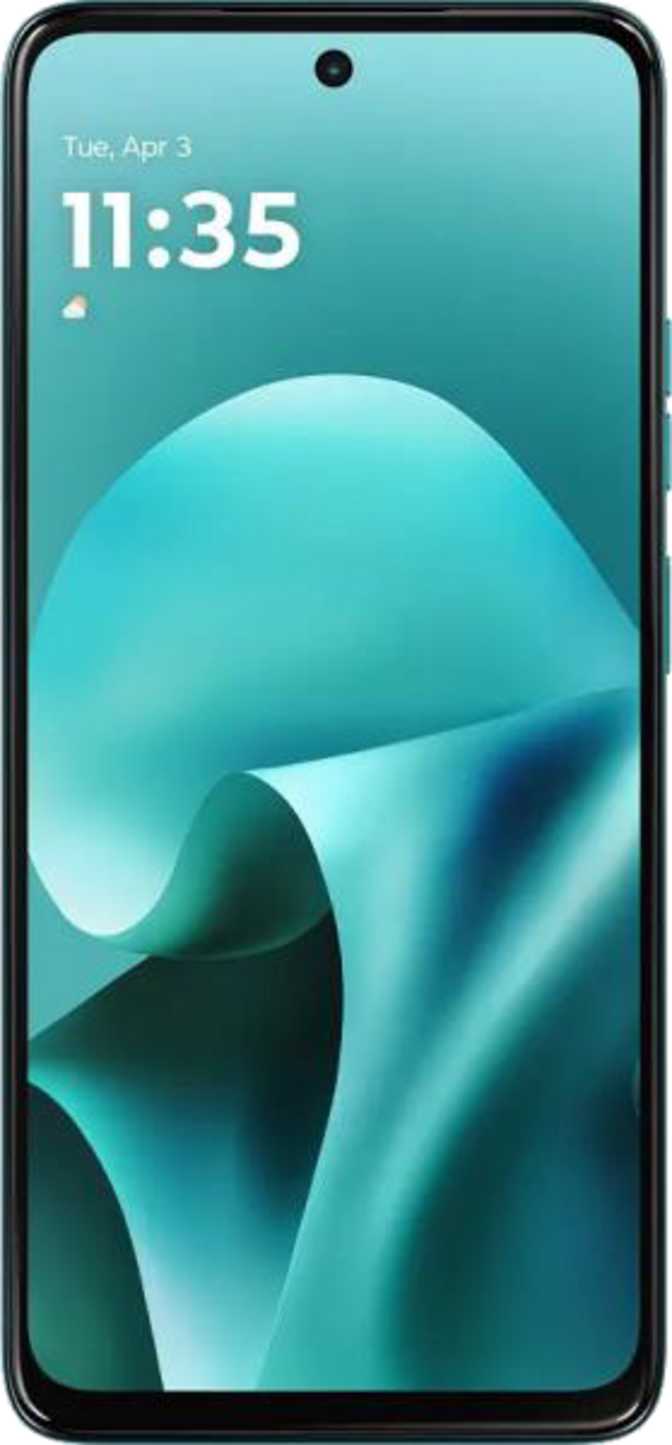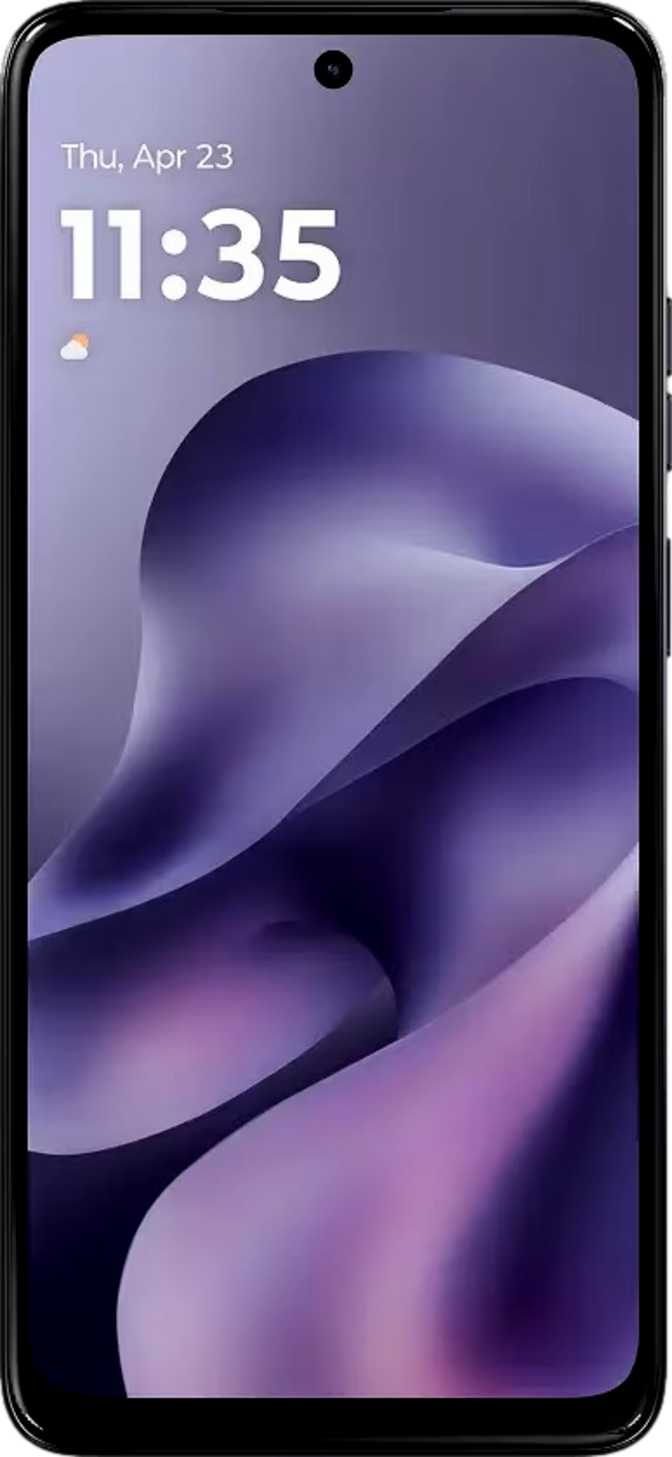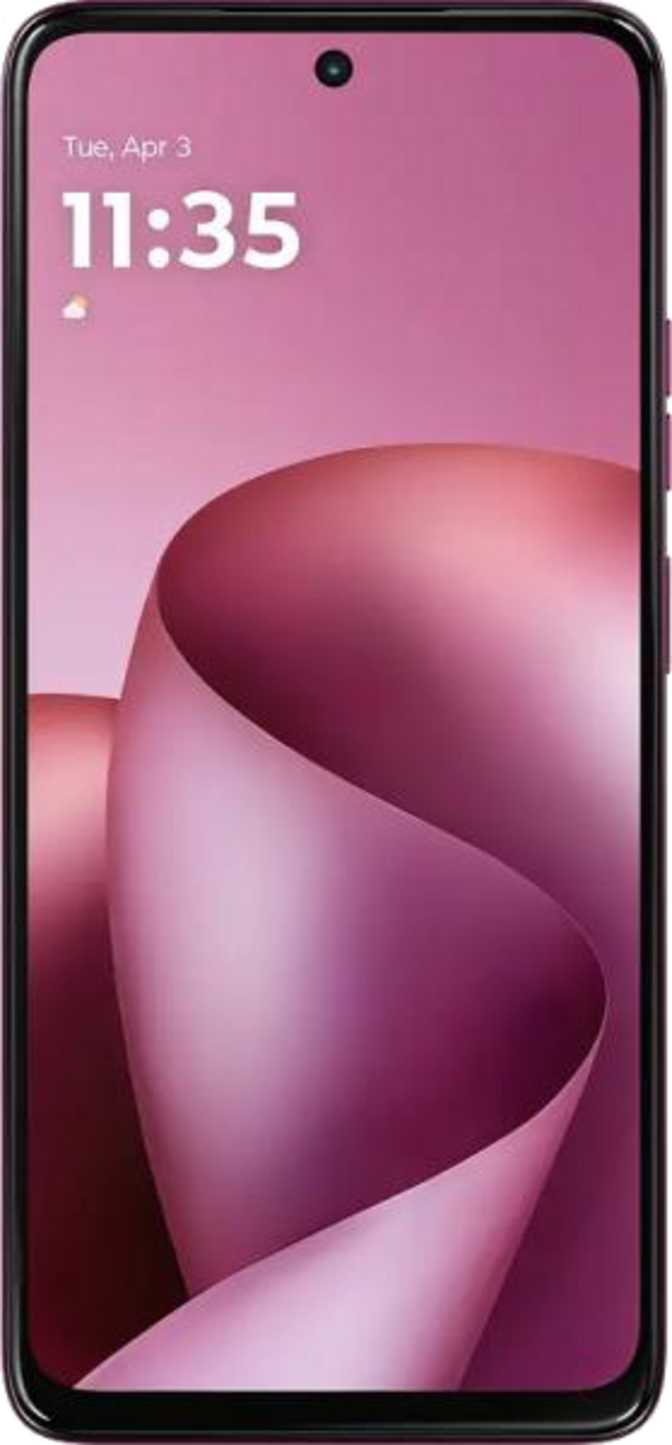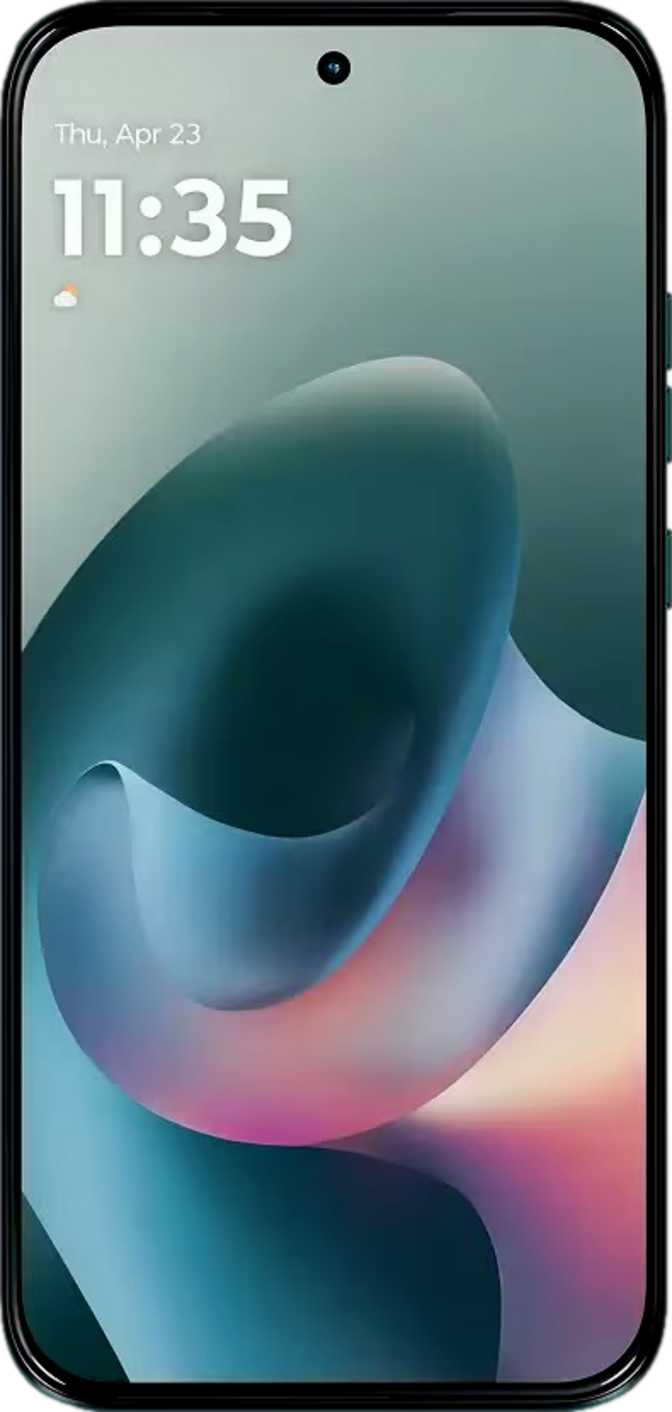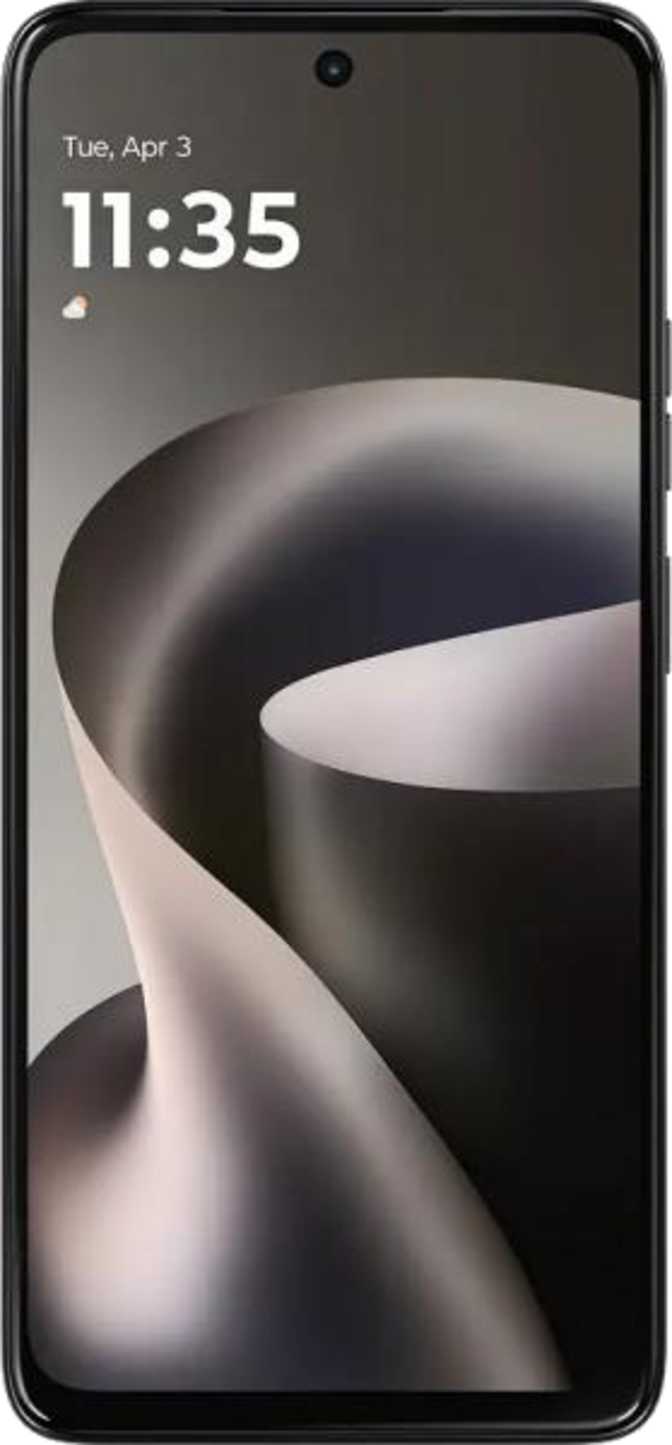
Motorola Moto G37 Review: A Budget 5G Phone That Gets It Right
SmartphonesOverall Score
out of 10
A confident everyday phone with two-day battery, genuine durability, and clean Android 16. Built for reliability, not raw power.
Key Highlights
Design and Build Quality
At 191 grams and just 7.8 mm thin, the Moto G37 sits comfortably in the hand without the bulk that often comes with large-screened budget phones. Its 166.2 mm height puts it firmly in large-phone territory — this is not a compact device — but the slender profile keeps it from feeling unwieldy in a pocket.
More importantly for a phone in this category: it carries an IP64 rating for dust and water resistance. That means it is fully sealed against dust and can handle water splashed from any direction. This is not a swimming companion, but it will survive rain, sweaty workouts, and the occasional sink splash without drama. Many phones at this price skip meaningful protection entirely; the G37 does not.
The screen is protected by Gorilla Glass 7i — a meaningful step above the unbranded glass found on many competing devices at this price. Accidental screen-down slides across a hard surface are far less likely to end in a cracked display.
The EU assigns the G37 a "B" repairability class, which means replacement parts and repair pathways exist. Not the easiest phone to self-repair, but it is not a sealed, disposable device either — a distinction that matters for long-term ownership.
Physical Dimensions
- Weight
- 191 g
- Thickness
- 7.8 mm
- Height
- 166.2 mm
- Width
- 76.5 mm
- Water & Dust
- IP64
- Screen Glass
- Gorilla Glass 7i
- Repairability
- EU Class B
Display: A 120Hz Screen That Punches Above Its Price
Size and Smoothness
The 6.67-inch IPS LCD panel is large enough for comfortable media consumption, document reading, and split-screen multitasking. The IPS panel type delivers wide viewing angles and accurate colors — the screen does not wash out or shift when tilted, which is a genuine advantage over cheaper panel technologies sometimes found at this price.
The 120Hz refresh rate is the headline display feature here. At this price, many phones still ship with 60Hz screens. The practical difference is immediately noticeable: scrolling through social feeds, swiping between apps, and navigating menus all feel visibly more fluid. It is not something you will think about consciously — it is something you will notice the moment you pick up a 60Hz phone afterward.
Resolution and Everyday Sharpness
The display resolves at 264 pixels per inch. In practical terms: text is clear and readable, web content looks sharp, and icons do not look pixelated under normal use. However, users who scrutinize zoomed-in photos or watch high-resolution video critically will notice the panel does not have the precision of a 1080p display. The trade-off is battery efficiency — driving fewer pixels takes less power, which contributes directly to the G37's two-day endurance figures.
What the Display Does Not Include
Performance: Capable for Daily Life, Honest About Its Limits
The Chip Inside
The Moto G37 is powered by the MediaTek Dimensity 6300 processor, built on a 6-nanometer fabrication process. The 6nm process matters because it directly affects efficiency — smaller transistors mean the chip does more work per unit of power consumed, leading to cooler operation and better battery life compared to older-node chips. This is a mid-range processor, not a flagship competitor, but its modern architecture means it outperforms what raw clock speeds alone might suggest.
The CPU arranges eight cores across two tiers: two faster cores clocked at 2.4 GHz handle demanding tasks, while six efficiency cores running at 2.0 GHz manage lighter workloads and background processes. This big.LITTLE design means demanding apps get the power they need, while idle background tasks do not drain the battery unnecessarily.
Benchmark Reality
In Geekbench 6 — a standardized CPU benchmark used consistently across the industry — the G37 registers the following scores. Single-core performance determines how snappy individual actions feel; multi-core scores reflect sustained parallel workloads.
Geekbench 6 — Single Core
Governs how snappy individual taps, app launches, and UI responses feel in everyday use
Geekbench 6 — Multi Core
Reflects sustained performance across parallel workloads like multitasking and background processing
These numbers confirm mid-range status: fast enough for everything most users do every day, but not a device you would choose for extended 3D gaming sessions or heavy video editing.
RAM and Storage
Four gigabytes of RAM is adequate for standard daily use. Android manages memory intelligently, and most users running a typical selection of apps — social media, messaging, navigation, music — will not hit hard limits regularly. Heavy multitaskers who keep many browser tabs open while switching rapidly between resource-hungry apps will notice apps reloading from scratch more often than they would on a 6GB or 8GB device.
The 256GB of internal storage is genuinely excellent for this price tier — enough for several thousand photos, years of downloaded music, and dozens of apps without ever needing to manage space. The microSD slot raises that ceiling further. Storage, simply, is not a constraint on this phone.
Camera System: Solid Single-Lens Setup with Practical Controls
Main Camera
The rear camera uses a 50-megapixel sensor with an f/1.8 aperture — reasonably wide for this category, meaning the camera gathers decent light for indoor shots and early evening photography. Phase-detection autofocus locks onto subjects quickly and accurately, both for stills and during video recording. Continuous autofocus during video keeps moving subjects in focus without the stuttering hesitation that plagues cheaper implementations.
The individual pixels measure 0.61 micrometers — on the smaller side for a 50MP sensor. Smaller pixels capture less light individually, which can show up as noise in darker scenes. HDR processing compensates by combining multiple exposures automatically, and the high pixel count enables binning techniques that merge neighboring pixels into larger, more light-sensitive units for low-light work.
Video Capability
The main camera records at 4K resolution at 30 frames per second — impressive for this price tier and capable of delivering real detail on modern screens. Slow-motion recording is supported for adding cinematic effect to fast action. Without optical stabilization, handheld video at walking pace will pick up shake; users who prioritize smooth video should hold the phone steadily or use a grip accessory.
Front Camera
The front camera uses an 8-megapixel sensor behind an f/2.0 aperture. It handles video calls and selfies cleanly in good light. There is no front flash — quality degrades noticeably in dark environments. Portrait effects where present are handled through software processing rather than dedicated hardware.
Manual Controls Available
- Manual ISO
- Manual Focus
- Manual Exposure
- Manual White Balance
- Phase-Detection Autofocus
- Continuous AF in Video
- Built-in HDR Mode
- Slow-Motion Video
- Timelapse
- Panorama
- Burst Mode
- 4K Video at 30fps
Battery Life: A Two-Day Phone for Most Users
The battery inside the Moto G37 is sized for the long haul. Based on the manufacturer's rated endurance, typical mixed usage — calls, messaging, social media, some video, navigation — stretches to roughly 48 hours before needing a charge. That is a genuine two-day battery under real-world conditions, which is a meaningful quality-of-life advantage for anyone who forgets to charge overnight occasionally, travels frequently, or works long shifts away from a power source.
The 20-watt wired charging is not the fastest available — flagship devices can charge at four to five times that speed — but it does the job. From a critically low battery, expect a useful top-up in 30 to 40 minutes, and a full charge in approximately 90 minutes to two hours.
A charger is included in the box — worth noting since many manufacturers have stopped bundling one.
Software: Android 16 with a Practical Privacy Toolkit
The Moto G37 ships with Android 16, giving access to the latest features, security patches, and full app compatibility. Motorola's Android implementation stays close to stock — the interface is clean, uncluttered, and free of the aggressive pre-installed software that burdens some competing brands. What you get is Android as designed, with a handful of Motorola-specific additions that add genuine utility.
The privacy toolkit is thorough: granular camera and microphone access controls, clipboard activity warnings, app tracking blockers, and location privacy options give users real control over what their phone shares and with whom. These features are accessible in the settings menu without technical knowledge.
Practical quality-of-life software includes dark mode for nighttime comfort, dynamic theming that adapts the interface to your wallpaper, split-screen for running two apps simultaneously, Picture-in-Picture for keeping video playing while using other apps, and full-page scrolling screenshots that capture entire webpages in one image.
Privacy & Security Features
- Camera & microphone access controls
- App tracking blocker
- Clipboard activity warnings
- Location privacy controls
- Fingerprint scanner
- Battery health monitoring
Software Feature Highlights
Connectivity: 5G, NFC, and All the Essentials
The G37 covers every major connectivity standard a daily smartphone needs — and several that budget phones often omit. The only notable absences are wireless charging and an infrared port.
What Is Included
Notable Absences
Real-World Scenarios: Who Should Buy This Phone?
The Moto G37 Is a Strong Fit For
-
Everyday Reliability SeekersHandles calls, messaging, social media, streaming, and navigation without friction. Nothing requires workarounds.
-
Battery-First BuyersTwo days between charges is a genuine quality-of-life improvement for anyone who has struggled with a phone dying by mid-afternoon.
-
Upgraders from Older Budget PhonesThe 120Hz display, 5G support, and 256GB storage represent significant jumps over devices from a few years back.
-
Clumsy or Outdoor-Active UsersIP64 protection and Gorilla Glass 7i together address the most common real-world damage scenarios without needing a case as standard insurance.
-
Photography BeginnersThe full manual control suite — ISO, focus, exposure, white balance — is accessible and excellent for learning photography fundamentals.
Look Elsewhere If You Are A
-
Mobile GamerThe GPU handles casual games, but graphically demanding titles at high settings will show frame drops. This is not a gaming phone.
-
Video CreatorNo optical image stabilization limits handheld video quality. No telephoto lens restricts creative flexibility significantly.
-
Heavy MultitaskerFour gigabytes of RAM causes app reloads for users who constantly switch between many resource-hungry applications. A 6GB or 8GB device serves better here.
-
HDR Media EnthusiastIf you subscribe to streaming services specifically to watch Dolby Vision or HDR10 content on your phone, this display will not deliver that experience.
-
Wireless Charging UserNo wireless charging pad support. If you have built a wireless charging setup at home or work, you will need to cable-charge only.
How the Moto G37 Compares to the Alternatives
Compared to typical competing devices in the same price range, the G37's feature combination is unusually complete. Most alternatives sacrifice one or two of these to fund a different headline specification.
| Feature | Moto G37 | Budget Competitor A | Budget Competitor B |
|---|---|---|---|
| Display Refresh Rate | 120Hz | 60–90Hz | 90Hz |
| Screen Protection | Gorilla Glass 7i | Unbranded glass | Gorilla Glass 5 |
| Dust & Water Rating | IP64 | IP52 or none | IP53 |
| Internal Storage | 256GB | 128GB | 128–256GB |
| 5G Support | Varies | ||
| NFC Payments | Sometimes | ||
| Headphone Jack | Increasingly absent | Sometimes | |
| Charger Included | Often absent | Sometimes | |
| Android Version | Android 16 | Android 14–15 | Android 15 |
Honest Strengths and Weaknesses
Where It Earns Real Praise
The Moto G37 earns real praise for the way its strengths cluster around daily use. The two-day battery life is not a marketing number — it is a practical reality for most users who do not spend all day streaming video at maximum brightness.
The 120Hz display transforms the daily feel of the phone in a way that is hard to overstate once you have experienced it. Combined with IP64 protection and Gorilla Glass 7i, you get a phone that handles real-world abuse without requiring a case as insurance.
The 256GB storage eliminates a category of frustration entirely. Add the microSD slot, and storage constraints simply do not exist on this device. Android 16 on a near-stock interface means the experience is fast, familiar, and fully current.
The included charger, NFC support, and headphone jack are features that cost manufacturers money to include — and which many competitors are increasingly choosing not to include. The G37 does all three.
Where Its Budget Origins Show
The 4GB of RAM is the specification most likely to show its age first. As apps grow more demanding over the phone's lifespan, app reloads when switching between tasks will become more frequent. This is the one area where the G37 asks users to adapt their habits the most.
The absence of optical image stabilization is a genuine creative constraint for video work. Handheld footage at walking pace will pick up shake, and without a telephoto lens, photographic flexibility is limited to what a single wide lens can achieve.
The LCD panel, though excellent for its type, cannot match the brightness ceiling, deep contrast, or power efficiency of OLED displays found on some competing phones — though those competitors often sacrifice other specs to fund the panel upgrade.
The USB 2.0 data transfer rate is a minor but real annoyance for anyone who regularly moves large media libraries between the phone and a computer. It works, but slowly.
Questions Buyers Actually Ask Before Purchasing
Final Score
out of 10
Final Verdict
The Motorola Moto G37 is one of the more honest value propositions in the budget Android market. It does not chase a single headline feature at the expense of everything else — it builds a coherent, well-rounded package around priorities that genuinely matter in daily life.
What it delivers — a two-day battery, a smooth 120Hz display with real glass protection, 256GB of storage, 5G, NFC, a headphone jack, IP64 durability, Android 16, and a charger in the box — is a complete package that addresses what most daily smartphone users actually need. The compromises are real but specific, and knowing them clearly tells you exactly whether this phone is right for you.