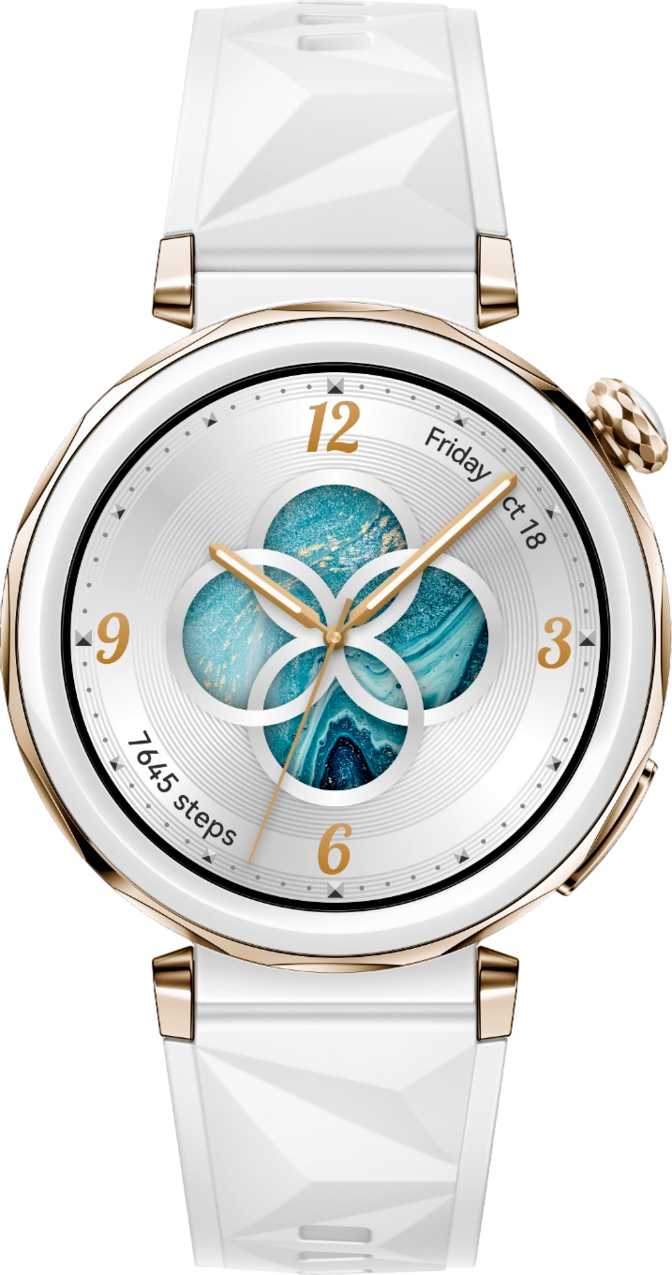
Huawei Watch GT 5 Pro 42mm Review: Premium Wearable, Real Trade-Offs
SmartwatchesWhat Sets the Huawei Watch GT 5 Pro 42mm Apart Before You Even Strap It On
Most premium smartwatches ask you to accept one of two trade-offs: impressive hardware inside a chunky case, or a beautiful form factor that skimps on features. The Huawei Watch GT 5 Pro 42mm makes a different argument — a sapphire crystal display, a clinical-grade health sensor stack including ECG and body temperature sensing, and specialist modes for both golf and underwater activity, housed in a case that weighs roughly the same as a large coin and sits just under 10mm thick. That is a compelling combination on paper. Where the trade-offs actually land requires an honest look at battery life expectations before anything else, and this review gives you exactly that.
Key Specifications at a Glance
Build Quality and Design: A Watch That Earns Its Premium Label
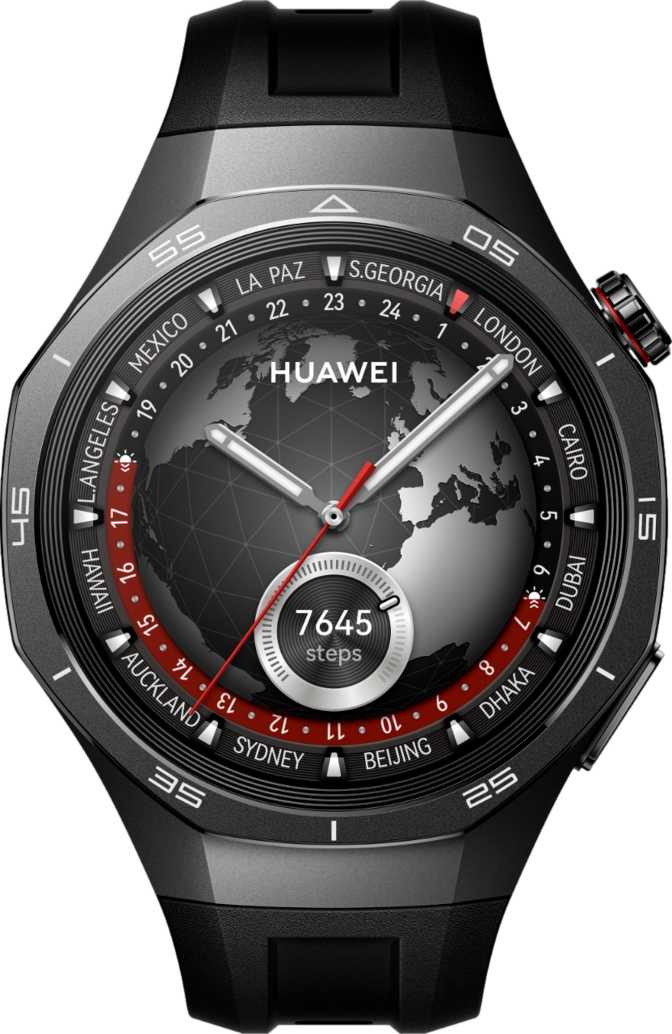
The 42.5 × 42.5mm case sits well on medium and smaller wrists without dominating them. At 44 grams without the band, the weight is low enough to forget you are wearing it through a full workday. The 9.6mm case depth slides under a shirt cuff cleanly, which matters more than most smartwatch buyers initially expect. Many health-focused watches bulk up to accommodate larger batteries and sensor arrays; Huawei has kept this one trim without sacrificing capability.
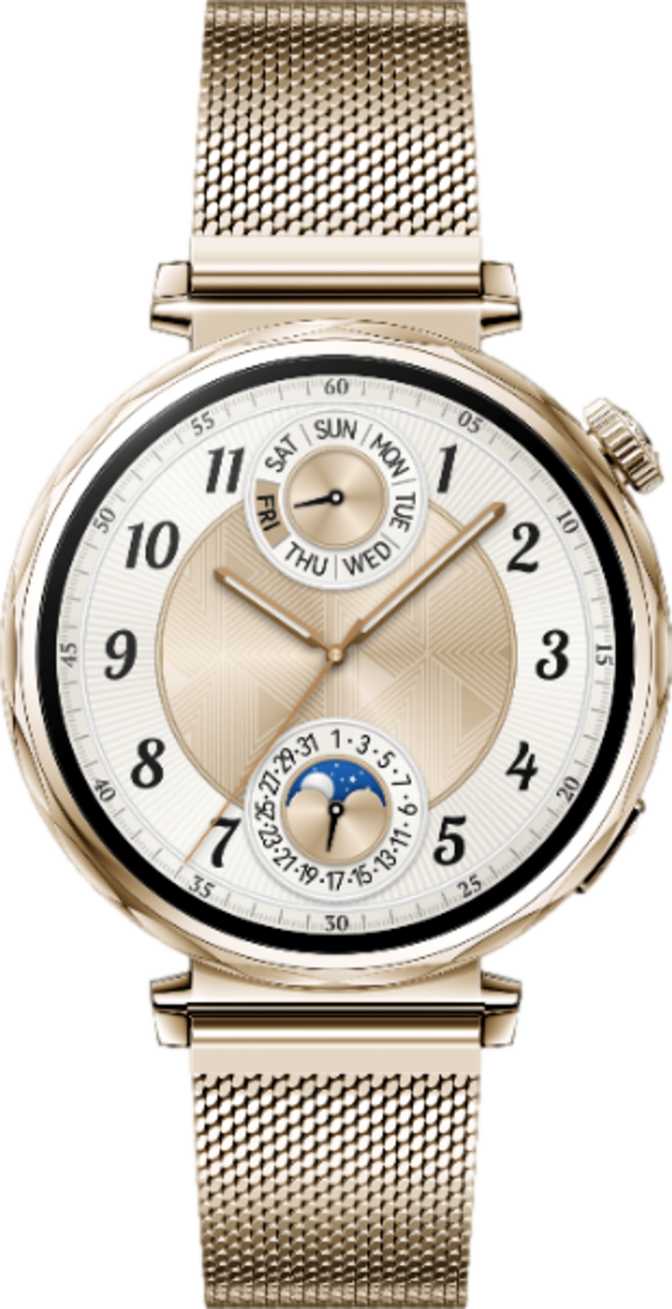
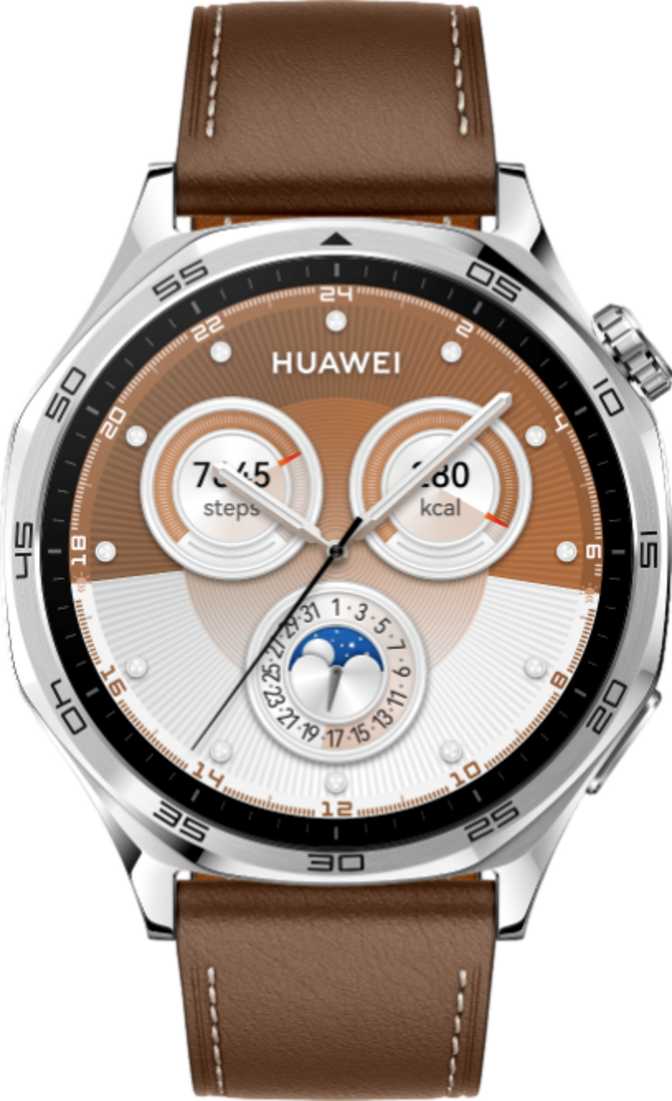
The 20mm band is user-replaceable without tools for most swap designs. A standardized lug width means the aftermarket for compatible straps is wide — sport silicone, leather, metal mesh, woven fabric — allowing you to shift between a workout look and a dressed-up appearance using widely available options. This replaceability is a form of long-term value that fixed-band watches simply cannot offer.
Why Sapphire Glass Changes the Long-Term Ownership Experience
The GT 5 Pro uses genuine sapphire crystal glass over the display — not a branded chemically strengthened alternative, but actual sapphire. It sits at 9 on the Mohs hardness scale, with diamond alone sitting above it.
In practical terms, this means the everyday abrasion that gradually dulls most watch faces — keys in a pocket, belt hardware, countertop edges, the interior surfaces of bags — leaves sapphire unmarked. Over a year of regular wear, most watches with reinforced glass develop a constellation of micro-scratches that progressively cloud the display. Sapphire sidesteps that degradation almost entirely. For a watch positioned at the premium end of the market, this is the appropriate material choice and a genuine differentiator.
The Display: Clarity You Can Read in Any Light
The circular AMOLED screen runs at 466 × 466 pixels across a 1.32-inch face, producing 326 pixels per inch. Individual pixels are invisible to the naked eye at normal viewing distances — text is sharp rather than fuzzy, health data graphs have defined edges, and watch faces look designed rather than rendered.
AMOLED technology means each pixel generates its own light and switches fully off for dark content. True blacks are genuinely dark, not grey, which creates a contrast ratio that holds up in direct sunlight where LCD-based alternatives lose legibility. Colors are vivid, which matters both for watch face aesthetics and for the color-coded data visualizations used throughout the health and fitness interface.
Keeps the time and basic metrics visible at a glance without requiring a wrist raise or button press. For users who check the time frequently during meetings or mid-workout, this removes the need for the conspicuous gesture-to-activate cycle present on displays that go dark between interactions.
The Always-On mode carries a real power cost and is one of the primary factors shaping the approximately four-day battery endurance figure. Users who prioritize maximum runtime can disable it to extend usage between charges, though the glanceability benefit is notable and worth keeping active in most scenarios.
Health Monitoring: Clinical Depth in a 44-Gram Package
Cardiac Monitoring
The ECG (electrocardiogram) capability records the electrical activity of the heart on demand. The primary application is detecting irregular rhythms — particularly atrial fibrillation, a common cardiac condition that often produces no obvious symptoms but carries meaningful health risk when left unaddressed. This is not a replacement for clinical ECG equipment, but it is the kind of tool that flags something worth a doctor's attention before symptoms appear.
Alongside the ECG, the watch generates alerts when heart rate climbs above or drops below user-defined thresholds, and monitors for irregular patterns continuously throughout the day. Resting heart rate is tracked over time — a metric with real value for gauging cardiovascular fitness improvement and recovery quality, since a gradually declining resting rate typically reflects improving aerobic efficiency.
Blood Oxygen, Body Temperature, and Atmospheric Sensing
Blood Oxygen (SpO2)
Measures the percentage of oxygenated hemoglobin in the bloodstream. Monitoring happens during sleep as well as on demand, flagging deviations that can indicate respiratory efficiency changes, altitude adaptation effects, or early illness signals before other symptoms appear.
Body Temperature
Tracks surface temperature against your personal baseline continuously. Meaningful deviations can signal oncoming illness, insufficient recovery after exercise, or elevated stress. Daily logging builds a pattern with genuine diagnostic utility over weeks and months of consistent wear.
Barometer and Navigation Suite
Measures elevation changes with greater accuracy than GPS altitude estimates alone and tracks atmospheric pressure trends for weather awareness. Paired with a compass and gyroscope, it forms a self-contained navigation suite that operates independently of a phone connection during outdoor activities.
Fitness and Activity Tracking: Purposeful and Sports-Specific
Everyday Tracking
Automatic activity detection identifies when you have started a purposeful workout without requiring you to initiate recording manually. Auto-pause halts the session timer when you stop moving — at a traffic crossing, for example — and resumes when you do. Steps, distance, pace, elevation gain, and calories burned are logged continuously throughout the day. Water intake and food consumption can be tracked alongside physical activity for users who want a complete daily wellness view.
Sleep tracking delivers detailed stage reports rather than simple duration totals, and the companion app builds a historical record of sleep quality over time. Inactivity alerts prompt movement during extended sedentary periods, and goal setting allows you to define targets the watch actively tracks progress toward.
Golf Mode: A Legitimate Specialist Feature
Golf tracking earns its place here rather than serving as a marketing checkmark. The on-course GPS provides course layout awareness and distance information relevant to shot-by-shot decision making — the kind of data previously requiring a dedicated GPS device clipped to your bag or a caddie app consuming your phone's attention. The on-wrist implementation keeps both hands free and removes the separate-device dependency entirely for golfers who walk courses regularly.
Aquatic Activity and Diving
A 50-metre depth rating with 5 ATM pressure certification qualifies the GT 5 Pro 42mm for pool swimming, open-water swimming, snorkeling, and recreational diving at standard recreational depths. This is not incidental splash resistance — the watch is designed for sustained aquatic use at depth. Technical and deep-water scuba diving with specialized equipment requires purpose-built dive computers rated for substantially greater pressures.
No dedicated multi-sport mode means triathlon and duathlon athletes cannot transition seamlessly between swim, bike, and run segments without manual sport switching. A cadence sensor is also absent, so cyclists who track pedal revolutions per minute as a training metric will need to pair a separate accessory or accept that data point will not be captured natively.
Battery Life: The Trade-Off You Need to Understand Clearly
Four days of battery life on a single charge is both the GT 5 Pro 42mm's most significant practical constraint and the specification most likely to determine whether this watch fits your life. The honest framing: four days is genuinely better than many premium smartwatches at this tier. Flagship models from major competitors often require nightly charging. Compared to those, four days is a meaningful step forward.
The complication is expectation: the GT series has historically been a benchmark for smartwatch endurance, with previous models delivering two weeks or more of runtime. The 42mm Pro's smaller cell — sized to fit a 42mm case while accommodating a sapphire-covered AMOLED display — is distributed across an always-on screen, continuous health sensor polling, GPS, and the full feature set. Four days reflects the realistic output of that configuration, not an engineering shortfall in isolation.
Practically, this means charging approximately twice per week. The wireless charging system uses an inductive puck — convenient for daily use, but the proprietary design means the puck needs to travel with you. There is no compatibility with universal wireless charging surfaces.
Battery Life in Context
Figures represent typical usage with standard settings enabled. Always-on display and active GPS reduce runtime further.
Smart Features and Connectivity
Call Management and Phone Integration
The watch handles calls directly from the wrist through a built-in microphone, enabling two-way audio for brief conversations when your phone is in a bag or across the room. Notification mirroring keeps you informed of incoming alerts without requiring a phone check, and call control allows you to answer, decline, or redirect incoming calls on your wrist.
A find-my-phone function triggers an alert on your paired device, and a remote camera shutter lets the watch trigger your phone's camera — useful for group shots or stable self-portraits at a distance. Voice commands handle hands-free control over timers, reminders, and basic watch functions without requiring touchscreen interaction.
Payments and Wireless Standards
NFC enables contactless payment capability where supported by regional banking services. The hardware is present; availability of specific payment providers depends on your location and bank. Verify compatibility with your institution before treating this as a confirmed feature.
No ANT+ support. Athletes using ANT+-based accessories — cycling power meters, dedicated cadence and speed sensors, or certain external heart rate monitors that broadcast on ANT+ — will not be able to pair them with this watch. Bluetooth-based external heart rate monitors and compatible smart scales are supported.
The Companion App: Complete, Free, and Free of Ads
Huawei's Health app charges nothing and shows no advertising. This is increasingly rare in the wellness software category, where premium health metrics are routinely locked behind monthly subscription fees. Everything the watch captures — all of it — is accessible in the app at no additional cost.
Who This Watch Is Built For — And Who Should Look Elsewhere
-
Want comprehensive health monitoring — ECG, blood oxygen, body temperature — in a package that doesn't feel like a medical device on your wrist.
-
Play golf and want on-course distance and layout data without carrying a separate GPS device.
-
Swim, snorkel, or dive recreationally and need a watch built for sustained aquatic use at depth.
-
Value a sapphire display that resists the scratching and dulling that affects lesser glass over years of daily wear.
-
Use Android or iOS and are comfortable managing everything through a smartphone app.
-
Find nightly charging disruptive and prefer a device that lasts the better part of a working week on one charge.
-
Prioritize battery endurance above all else — two-week and longer options exist at similar price points.
-
Are an iOS user who needs deep Apple Watch integration with native iPhone features and ecosystem functions.
-
Train with ANT+-based accessories such as cycling power meters or dedicated sport cadence sensors.
-
Compete in triathlons or multi-discipline events and need seamless multi-sport mode transitions.
-
Require fall detection as a primary safety feature for yourself or a family member.
-
Want smart alarm functionality that wakes you at the lightest sleep stage within a defined window.
How It Compares to the Logical Alternatives
| Consideration | Huawei GT 5 Pro 42mm | Flagship Android Watch | Premium GPS Sports Watch |
|---|---|---|---|
| Battery endurance | ~4 days | 1–3 days | 7–21+ days |
| Display technology | AMOLED, 326 ppi | AMOLED | Varies; MIP or AMOLED |
| Scratch protection | Sapphire crystal | Chemically strengthened | Sapphire on premium tiers |
| ECG capability | Flagship models only | Rarely included | |
| ANT+ support | Varies by model | Standard on most | |
| Golf-specific mode | Rarely available | Specialist models only | |
| Cellular / LTE option | Yes, on LTE variants | Yes, on LTE variants | |
| Multi-sport transitions | |||
| Fall detection | Yes, on most models | Varies | |
| Platform compatibility | Android and iOS | Android-optimised | Android and iOS |
| Software cost | Free, no ads | Free + paid tiers | Free + paid tiers |
Honest Assessment: Where This Watch Leads and Where It Asks for Patience
Where It Genuinely Leads
The sapphire crystal display is the single feature most likely to justify itself across the full ownership period. It is not a theoretical durability claim — it is a material that visibly outperforms reinforced glass alternatives over years of daily contact with the hard edges of ordinary life. At this price tier, anything less would be a compromise the watch's positioning cannot support.
The health sensor suite is genuinely comprehensive for a 42mm wearable. Fitting ECG, blood oxygen monitoring, body temperature sensing, full multi-constellation GPS, barometric altitude, and continuous cardiac monitoring into 44 grams and 9.6mm of case thickness represents real engineering decisions made in favor of the user. Each sensor contributes something useful — this is not a feature list padded with redundancy to win a spec comparison.
The companion app's free, ad-free model deserves explicit credit. When comparable platforms routinely charge monthly fees for full data access, delivering the complete feature set without a subscription or advertising experience is a meaningful long-term advantage.
Where It Asks for Patience
The battery is where the watch asks the most from its owner. Four days requires charging roughly twice a week and represents a real habit adjustment for anyone migrating from a longer-lasting device. The proprietary wireless charging puck adds a travel dependency that a standard cable would not — it is the one accessory you cannot afford to leave at home.
The absence of fall detection is a meaningful gap for specific user groups — older adults, people with elevated fall risk, or anyone purchasing this watch partly with a family member's safety in mind. This is not a criticism of the watch's overall design philosophy, but it is a direct exclusion from a specific safety use case that some buyers will consider essential.
The one-year warranty period is on the shorter side for a premium-positioned wearable. Several competitors in the sports watch space offer two-year coverage as standard. This says nothing about build quality, but it defines the formal support window buyers should factor into their purchase planning.
Questions Real Buyers Ask Before Purchasing
Final Verdict: Precise About What It Does Well
The Huawei Watch GT 5 Pro 42mm makes deliberate choices and delivers on them consistently. Sapphire crystal glass, a clinical health sensor stack including ECG and temperature monitoring, purpose-built golf and aquatic modes, and a form factor light enough to wear through eighteen hours of daily life without noticing it — these are not features added to inflate a spec comparison. They form a coherent case for a premium, health-forward daily wearable with a defined personality.
That case comes with a defined price: battery life that fits within a working week rather than stretching well beyond it, a software ecosystem anchored to a smartphone rather than a desktop, and a sport profile oriented toward wellness and specialist activities rather than competitive multi-discipline racing.
For buyers whose needs align with what this watch does well — comprehensive health monitoring, on-wrist golf GPS, serious water sports capability, cross-platform flexibility, and a display that still looks new a year into ownership — the GT 5 Pro 42mm is a confident recommendation. The compromises are clear, manageable, and knowable in advance. The strengths are genuine. That combination is rarer than the smartwatch market makes it appear.