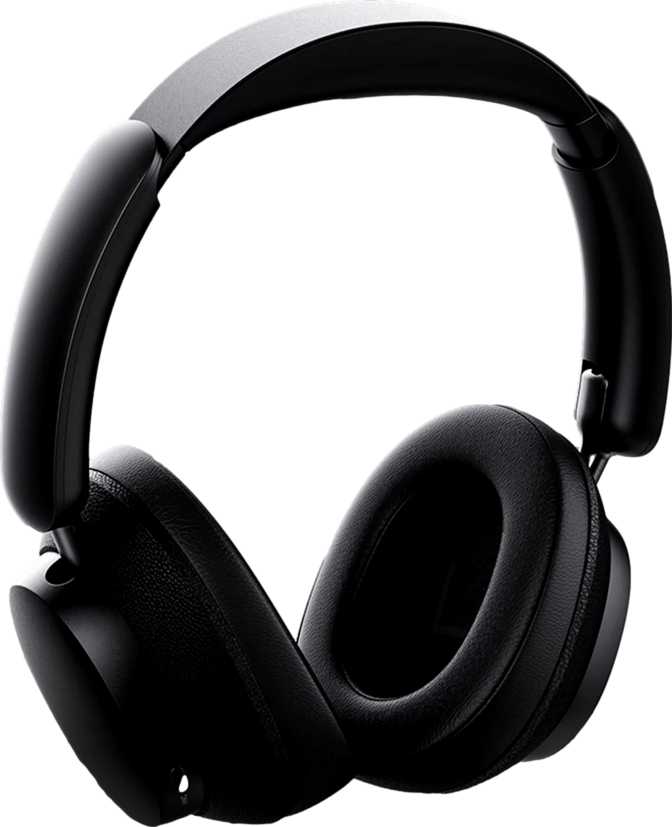
Honor Choice Codeler Headphones 2: Full Review and Honest Verdict
HeadphonesBudget wireless headphones have a well-earned reputation for compromise. The Honor Choice Codeler Headphones 2 challenge that reputation directly — arriving with wireless endurance that outpaces most of the budget category by a wide margin, a high-resolution audio codec rarely found at this price, and connectivity backed by the newest Bluetooth standard available. Whether those headline numbers hold up in daily use is exactly what this review covers.
Design and Build: Practical Comfort Over Visual Drama
Over-ear · Closed-Back · Foldable · Detachable Cable
Form Factor and Portability
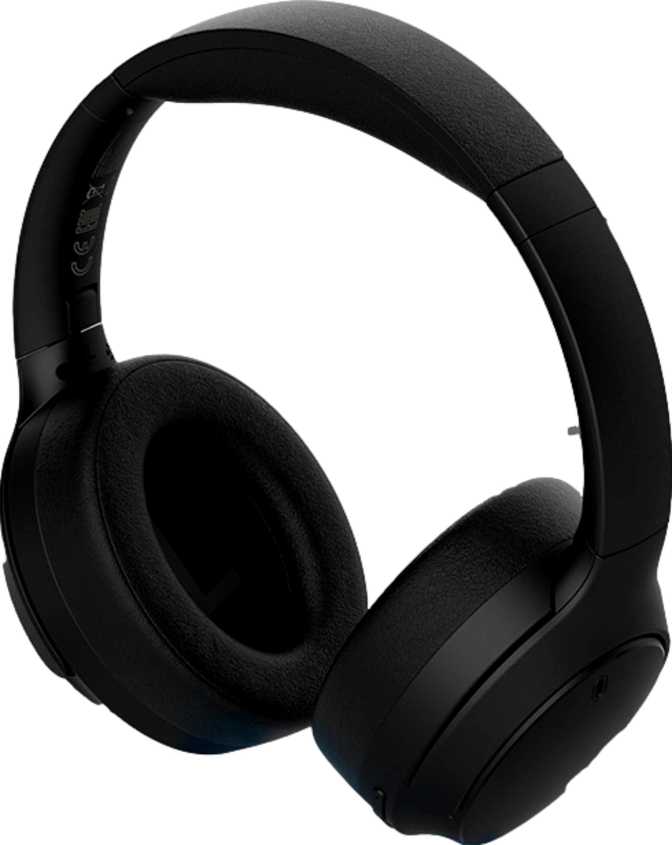
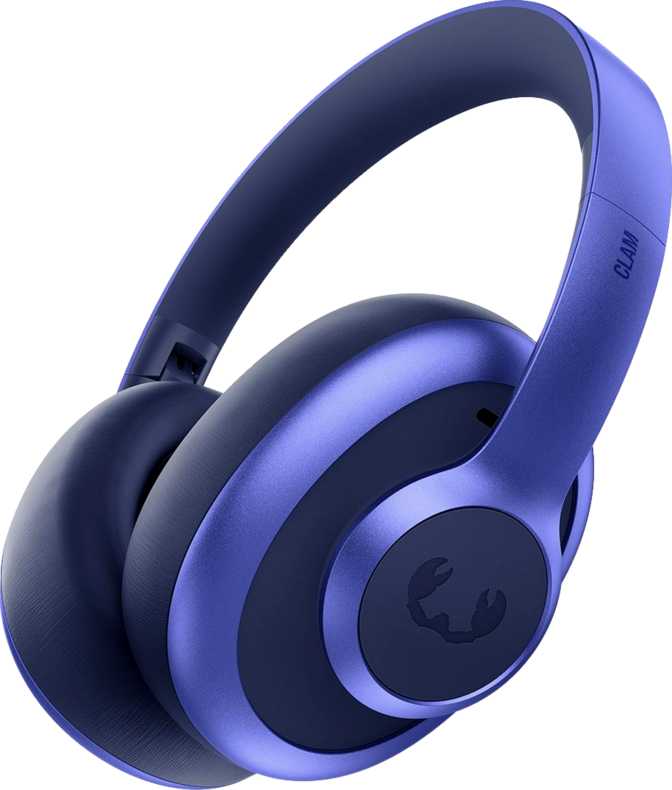
The Codeler Headphones 2 use a traditional over-ear fit — the earcups fully surround the ear rather than resting on top of it. For most people this means better passive sound isolation and longer comfort during extended sessions, since there is no pressure directly on the cartilage of the ear. The trade-off is a physically larger headphone, but Honor addresses this with a folding hinge mechanism that collapses the earcups flat for transport, meaningfully reducing bag space requirements and protecting the headband from stress during travel.
The cable is detachable, which matters more than it initially seems. Cables are routinely the first component to fail on any wired headphone, and having a replaceable one extends the product's usable lifespan considerably. The included cable is also tangle-resistant — a daily quality-of-life detail that earns quiet appreciation over months of regular use.
What Is Missing from the Design
There is no water or sweat resistance rating on the Codeler Headphones 2. Using them during exercise in humid conditions or getting caught in light rain carries a genuine risk of damage. These are not gym headphones or outdoor workout companions — they are built for desk use, commuting, and casual listening in controlled environments.
The closed-back design means the earcup shell is solid rather than perforated. This retains bass energy and limits sound leakage outward, though heat can build up around the ears during very long sessions — a common trait of closed-back over-ear headphones at this price tier.
Design Highlights
- Over-ear closed-back fit for effective passive isolation
- Foldable hinge for compact, travel-friendly storage
- Detachable cable extends long-term durability
- Tangle-resistant cable for hassle-free daily use
- On-device control panel handles playback and calls
Design Limitations
- No water or sweat resistance of any kind
- Closed-back may cause heat build-up during long sessions
Sound Quality: The Honest Assessment
40mm Drivers · LDAC · AAC · Spatial Audio · Passive Isolation
Drivers and Frequency Range
The 40mm dynamic drivers are the standard size for over-ear headphones in this class. Driver size alone does not determine sound quality — tuning and construction matter just as much. The frequency coverage spans the complete range of human hearing, confirming nothing has been artificially removed from the audio spectrum.
LDAC: The Standout Feature
LDAC is Sony's high-resolution Bluetooth codec, capable of transmitting up to three times more audio data per second than standard Bluetooth audio. When paired with an Android device or any LDAC-capable source, the result is noticeably more detail and dynamic range in the audio signal.
At this price level, LDAC support is genuinely unusual — it typically appears on headphones costing significantly more. iPhone users connect via AAC, which still delivers above-standard wireless audio quality for iOS. Both codec paths are meaningful upgrades over compressed standard Bluetooth.
Spatial Audio and Isolation
Spatial audio processing creates a sense of three-dimensional sound placement from a standard stereo source — most noticeable with content specifically designed for it. On standard music, the effect is subtler and depends on personal preference.
Passive isolation from the physical earcup seal handles consistent ambient noise like office HVAC or aircraft cabin drone effectively. It will not attenuate sudden sounds or voice frequencies the way active cancellation does.
The omission of ANC is a deliberate trade-off that directly enables the exceptional battery life and lower price point. Commuters in loud transit environments or open-plan office workers dealing with constant conversation will feel this absence in demanding noise conditions. If ANC is a hard requirement, a higher price tier is necessary.
Battery Life: The Headline Specification
70-Hour Wireless Playback · USB-C Charging · Battery Level Indicator
Seventy hours of wireless playback between charges is the number that demands attention. If you listen for three hours every day, you would charge these headphones roughly once a week. Most wireless headphones in this category offer somewhere between thirty and forty hours — the margin here is not incremental. Even headphones at double the price routinely deliver fewer hours on a single charge.
Charging happens via USB-C, the same port used by modern smartphones and laptops, meaning a dedicated cable is unlikely to be needed. A battery level indicator is built in, so there is never any guessing about remaining charge — a small but genuinely useful feature that prevents the frustrating experience of headphones dying mid-session without warning.
Connectivity: Bluetooth 6 and Practical Wireless Features
Bluetooth 6 · Dual-Device Multipoint · 10m Range · Wired Fallback
Bluetooth 6 — Why the Version Number Matters
The Codeler Headphones 2 use Bluetooth 6, the newest generation of the wireless standard. Bluetooth 6 brings improvements to connection stability and power efficiency over older versions. In everyday use, this means fewer dropouts during wireless playback and more reliable pairing behavior versus headphones running previous Bluetooth generations — a genuine hardware advantage over much of the competition at this price.
Dual-Device Multipoint
These headphones maintain an active connection to two devices simultaneously. Pair them to both a laptop and a phone at the same time, and when a call arrives on the phone, audio switches over automatically without any manual reconnection. For anyone who regularly uses headphones across work and personal devices, this removes a persistent daily friction point. The feature supports exactly two simultaneous devices.
Codec Compatibility at a Glance
- LDAC
- Android — high-res wireless audio
- AAC
- iOS — above-standard quality
- aptX / aptX HD
- Not supported
- Bluetooth LE Audio
- Not supported
Bluetooth Range: A Genuine Limitation
The rated wireless range is approximately 10 meters under ideal conditions — notably shorter than many competitors offering 30 meters or more. Walls and wireless interference reduce real-world range further. Leaving a connected device in another room may occasionally cause dropouts. These headphones work best when the source device stays nearby.
Wired Fallback
The detachable cable means these headphones work fully in wired mode with no battery dependency. This is useful on long flights where battery conservation matters, with older entertainment systems lacking Bluetooth, or in any environment where wireless connectivity is restricted or unavailable.
Pairing Experience
There is no NFC tap-to-pair and no fast-pair support, so initial Bluetooth setup is a manual process. This is a common omission at the budget tier, but users accustomed to the instant pairing experience on more expensive headphones will notice it during first-time setup.
Microphone and Call Performance
3-Microphone Array · On-Device Controls · Headset Capable
Three microphones handle voice capture during calls. A three-microphone array is typically configured to use directional pickup patterns and combine signals for cleaner voice transmission than a single microphone can achieve alone. All headset functions — answering calls, ending them, and basic playback control — are managed via the on-device control panel on the earcup. There are no controls on the cable itself.
The microphone setup makes these a capable choice for everyday calls and video meetings. The dual-device multipoint connection adds practical value here, since incoming calls on either connected device trigger an automatic audio handoff without requiring manual intervention.
For intensive call-heavy workflows — professionals on back-to-back video calls — the absence of a dedicated mute button and the lack of auto-pause when headphones are removed add friction that dedicated call headsets avoid. These headphones serve casual and moderate call users well; they are less ideal as a primary tool for heavy meeting environments.
Call Feature Summary
- 3-microphone array for cleaner voice pickup
- On-device controls for call answer, end, and volume
- Dual multipoint enables automatic call handoff
- No dedicated hardware mute button
- No auto-pause when headphones are removed
- No ambient / transparency sound mode
- No active noise processing for microphone input
Who These Headphones Are Right For
Ideal Use Cases and Who Should Look Elsewhere
Buy This If You Are...
- A remote worker or student who wears headphones for six or more hours a day and wants to charge them at most once a week
- An Android user who wants high-resolution LDAC audio quality without paying mid-range prices
- A traveler who wants a foldable pair that works in wired mode and handles moderate commute noise passively
- Someone who switches audio between a laptop and phone and wants a frictionless, automatic handoff
- A buyer who values long-term durability through a replaceable cable and foldable build
Look Elsewhere If You Need...
- Effective noise blocking in loud transit environments — subway or train commuting where passive isolation is not enough
- Gym or outdoor workout use — the complete absence of sweat or water resistance creates a real moisture damage risk
- A seamless iPhone quick-pair experience — no NFC or fast-pair means initial setup is a manual process
- The freedom to leave your source device in another room — the short wireless range will occasionally cause dropouts through walls
- A dedicated meeting headset with hardware mute and smart auto-pause for intensive back-to-back call environments
Competitive Positioning
How the Codeler Headphones 2 compares to the budget category average
| Feature | Honor Choice Codeler Headphones 2 | Typical Budget Competitor |
|---|---|---|
| Battery Life | ~70 hours | 30–40 hours |
| Bluetooth Version | 6 (latest generation) | 5.0–5.3 |
| Hi-Res Audio Codec | LDAC included | Rarely included |
| Active Noise Cancellation | Not available | Sometimes included |
| Spatial Audio | Supported | Rarely included |
| Dual-Device Multipoint | Yes — 2 simultaneous devices | Sometimes |
| Wired Fallback | Yes — detachable cable | Sometimes |
| Sweat / Water Resistance | None | Sometimes IPX4 |
Comparison reflects general category averages. Individual competing products vary.
Honest Strengths and Weaknesses
A balanced editorial assessment of the full ownership experience
Where It Excels
The battery endurance is genuinely class-leading, and the margin over typical competitors is transformative rather than incremental. The difference between seventy hours and a typical thirty-five hours is the difference between weekly and bi-weekly charging — a tangible improvement in daily convenience that heavy listeners will feel immediately.
Bluetooth 6 stability combined with LDAC codec support means the wireless audio experience punches well above what the price implies. LDAC at this tier is genuinely unusual and for Android users it represents an audible improvement over the compressed Bluetooth audio that budget headphones typically provide.
The foldable design, detachable cable, and tangle-resistant build reflect a long-term thinking that budget headphones rarely exhibit. A headphone that survives travel and can outlast a cable failure is a better long-term investment than a fragile alternative, regardless of the initial price difference.
Where It Falls Short
The connectivity feature set is where the product's budget origins show most clearly. No NFC, no fast pair, a ten-meter wireless range ceiling, and no ambient sound mode are omissions that users migrating from more expensive headphones will collectively notice. None is catastrophic individually, but together they describe a product requiring more patience in setup and daily use than premium alternatives.
The three-microphone array is a welcome inclusion, but the lack of a dedicated mute button and auto-pause on removal makes the Codeler Headphones 2 a secondary option for professional call workflows rather than a primary meeting tool.
The absence of water resistance is the single most practically limiting specification. It defines where these headphones cannot go — any exercise environment, outdoor use in variable weather, or any scenario where moisture contact is a realistic possibility.
Common Buyer Questions Answered
Straight answers to what real buyers search for before purchasing
Final Verdict
The Honor Choice Codeler Headphones 2 make a clear and defensible argument for themselves: exceptional battery endurance, a modern wireless stack including LDAC and Bluetooth 6, and a foldable build with a thoughtfully detachable cable — all packaged at a budget price. For listeners who value long, uninterrupted use over active noise management, this is a genuinely strong offering that outperforms its price category in the areas that matter most during daily use.
The absence of ANC, the short wireless range, and the lack of water resistance are deliberate trade-offs that define who this product serves. Buyers who know ANC is not a priority, who listen primarily at a desk or during moderate commutes, and who want a codec-capable wireless headphone without paying mid-range prices will find the Codeler Headphones 2 a compelling and well-considered choice. Those who need noise cancellation or workout durability should look elsewhere — the specification is honest about what this headphone is and is not.
Best For
- Long-session desk and home listeners
- Android users seeking LDAC quality
- Multi-device users needing multipoint
- Travelers needing wired backup
Not Right For
- Loud-commute ANC users
- Gym-goers and active users
- Intensive call-center workflows
Bottom Line: If active noise cancellation is not a priority for you, the Honor Choice Codeler Headphones 2 is one of the most specification-generous options available at the budget tier. The combination of Bluetooth 6, LDAC, seventy hours of battery, and dual-device multipoint in a foldable, cable-replaceable package represents genuine value that is difficult to match at this price point.