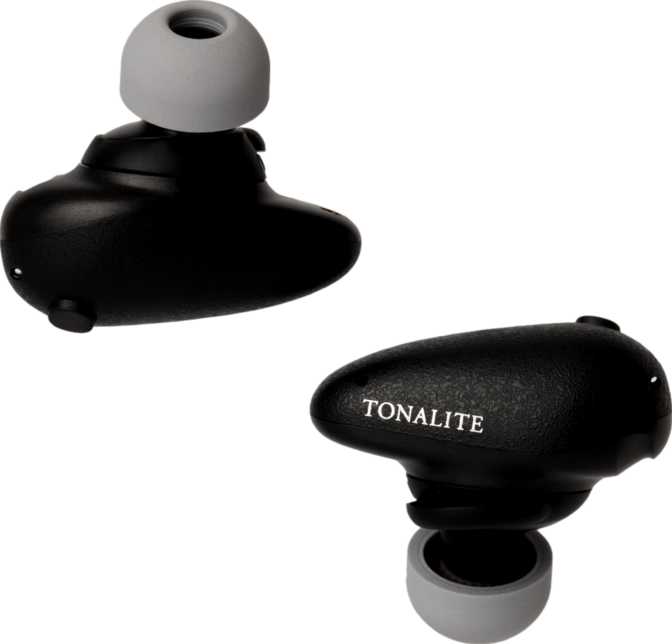
Final Tonalite Full Review: The Audio-First True Wireless Earbud
Wireless EarbudsAn audio-first true wireless earbud from a brand with genuine acoustic credentials. The Tonalite is built for listeners who prioritize sound and call quality over convenience features — and it delivers on what matters most.
A True Wireless Contender From a Brand That Knows Audio
Final is not a household name in the way that Sony or Bose might be, but among people who take sound seriously, the Japanese audio brand carries genuine weight. The company built its reputation crafting earphones and headphones for listeners who care about what music actually sounds like — not just what it looks like on a marketing slide. The Final Tonalite is their answer to a crowded true wireless market, and it arrives with a clear point of view: prioritize the listening experience, keep the design honest, and do not pad the spec sheet with features nobody really uses.
Whether that philosophy translates into a compelling everyday pair of earbuds is exactly what this review is here to answer.
Key Specifications at a Glance
| Specification | Detail | Specification | Detail |
|---|---|---|---|
| Fit Type | In-ear (True Wireless) | IP Rating | IPX4 — Sweat Resistant |
| Driver Size | 10 mm Dynamic | Frequency Range | 20 Hz – 20,000 Hz |
| Active Noise Cancellation | Yes | Ambient Sound Mode | Yes |
| Bluetooth Version | 6.0 | Wireless Range | Up to 10 metres |
| Multipoint | 2 Devices Simultaneously | Microphones | 6 (Noise-Canceling) |
| Earbud Battery | 9 Hours | Case Boost | +18 Hours |
| Full Charge Time | 1.5 Hours | Fast Charging | Yes |
| Charging Port | USB-C | Wireless Charging | No |
| Ear Detection | No | Travel Bag | Included |
Design and Build: Understated, Functional, Deliberate
The Tonalite follows Final's design language — clean lines, no flashy RGB lighting, no unnecessary ornamentation. These are earbuds built for people who find glowing lights on audio gear mildly embarrassing. The in-ear fit sits close to the ear canal without the added bulk of wingtips, which keeps the profile low and comfortable for extended sessions, though fit security depends entirely on finding the right ear tip size for your ears.
The build carries an IPX4 splash resistance rating, which in practical terms means rain, sweat during a workout, and the occasional splash are not a concern. IPX4 is not a diving certification — submerging these would be a risk — but it covers every realistic daily-use scenario comfortably. Commuters, gym-goers, and outdoor walkers are all within the intended use envelope.
Battery status is communicated through indicator lights on the case rather than a display, which is the standard approach and entirely adequate. The travel bag included in the package is a small but meaningful addition — it signals that Final expects these to move around with their owner, and it protects both the earbuds and the case from bag clutter. It is the kind of practical inclusion that budget-conscious rivals often skip.
Design Highlights
- Clean, minimal aesthetic — no RGB, no gimmicks
- IPX4 rated — handles sweat, rain, and splashes
- Battery indicator lights for quick case status checks
- Travel bag included in the box
- No wingtips — fit relies on correct ear tip sizing
Sound Quality: Where Final's Priorities Show
Driver Architecture
Each earbud houses a 10mm dynamic driver — the moving element that converts electrical signal into the sound you hear. Dynamic drivers of this size have a well-established track record in the earphone world for producing natural, full-bodied sound with a coherent low-end response. This is a deliberate choice from a brand that has long favored acoustic engineering over novelty hardware arrangements.
The frequency range spans the full 20Hz to 20kHz spectrum — the complete range of human hearing. What matters in practice is not just whether those numbers are met, but how the response is tuned across that range. Final's heritage suggests a preference for balanced, musical tuning rather than the hyped bass and artificially brightened treble that plagues many consumer wireless earbuds. Buyers coming from heavily bass-boosted competition may find the Tonalite more restrained — and more accurate — which is either a virtue or a shortcoming depending entirely on what you listen to.
Noise Control: Two Layers Working Together
The Tonalite uses active noise cancellation alongside passive noise isolation — two separate and complementary mechanisms. Passive isolation comes from the physical seal the ear tips create in the ear canal, blocking higher-frequency external sound through sheer physical occlusion.
Active cancellation adds an electronic layer: microphones sample environmental noise and the earbuds generate opposing audio signals to cancel low-frequency rumble — the hum of airplane cabins, train noise, air conditioning, and open-plan office ambience. With six microphones distributed across both earbuds, the system has ample hardware for genuine environmental sampling.
Ambient Sound Mode
The ambient sound mode — sometimes called transparency mode — allows environmental audio to pass through so you can hear traffic, announcements, or conversations without removing the earbuds. It is a feature that starts to feel indispensable once you have it.
The Tonalite includes it, which keeps it practical for city use and commuting. Combined with full ANC, you have the complete range of noise management — from maximum isolation to full environmental awareness — accessible through the earbud controls.
Connectivity: Bluetooth 6.0 and What It Means
Bluetooth 6.0 is among the most current versions of the standard, and its presence here matters more than a simple version number suggests. Higher Bluetooth versions bring improvements to connection stability, reduced latency, and more efficient power handling — translating to fewer dropouts, faster reconnection when the earbuds come out of the case, and more stable performance in dense wireless environments.
The 10-metre wireless range is the standard practical figure for earbuds in real environments. It is enough for leaving your phone on a desk and walking to another part of a room, but walls and interference will reduce effective range as they always do with Bluetooth — this is not a limitation specific to the Tonalite.
Multipoint connectivity allows the earbuds to maintain simultaneous connections to two devices — a laptop and a phone, for example. Switching between them does not require manually disconnecting and reconnecting; the earbuds manage both connections at once. For anyone who works at a computer and also takes phone calls, this is a genuine quality-of-life feature.
Connectivity at a Glance
- Bluetooth 6.0 — current-generation standard
- Multipoint — two devices simultaneously
- USB-C — universal charging standard
- No LDAC, AAC, or aptX codec support
- No NFC pairing or Bluetooth LE Audio
Audio Codec Considerations
The Tonalite does not support high-resolution wireless codecs like LDAC, aptX HD, or aptX Adaptive, and it omits AAC as well — standard Bluetooth audio is the likely default transport. For casual listening — streaming, podcasts, background music — this distinction is largely academic. For listeners who prioritize audio fidelity and regularly use lossless streaming services, the absence of high-resolution codec support is a meaningful limitation. Bluetooth LE Audio and Auracast are also absent, meaning next-generation low-latency audio sharing features remain out of reach.
Battery Life: Dependable for Most People
Daily Use Reality
The earbuds themselves deliver nine hours of playback on a single charge — a full workday with lunch, a commute, and an evening workout without needing to reach for the case. The charging case carries enough additional power to more than double that, bringing the total available listening time to 27 hours before anything needs a wall connection.
For most users, this means charging every two to three days under typical patterns. Frequent travelers will appreciate the buffer the case provides without needing to hunt for an outlet.
Charging Speed
The Tonalite charges via USB-C — the current universal standard, which means one cable type works across phones, laptops, and earbuds. A full recharge takes approximately 90 minutes, quick enough to recover from a forgotten overnight charge before a workday starts.
Fast charging is supported, adding a practical safety net for time-pressed mornings. Wireless charging, however, is not available — a minor but consistent friction point for users with Qi charging pads already on their desks and nightstands.
Microphone Performance: Six Mics for Calls and Voice
With six microphones across the two earbuds, the Tonalite is equipped for serious call quality. The system includes noise-canceling microphone technology, which uses some of those mics to sample background noise and filter it from the signal your caller receives. In practical terms: wind, street noise, and indoor ambient sound are reduced before your voice reaches the other end of the call.
The earbuds can function as a full headset — the microphone remains active for calls — and include a dedicated mute toggle accessible through the on-earbud controls. For remote workers or anyone who takes frequent calls, that mute toggle is an underrated daily convenience. A voice prompt system confirms actions through spoken cues, so you always know what mode you are in without checking a phone screen.
Six microphones is a count you typically find in earbuds positioned several steps above entry level, and it suggests the Tonalite's call implementation has real engineering behind it rather than a checkbox-spec approach. These earbuds are a genuinely capable remote work tool, not just a music listening device.
Controls and Usability
Control is handled directly on the earbuds themselves rather than through a separate in-line remote. Touch or physical controls manage playback, calls, ANC switching, and ambient mode. Voice prompts guide the user through connection states, mode changes, and battery status, reducing the need to check a phone screen for feedback.
There is no companion app confirmed in the product specifications. If one exists, it may provide EQ customization or ANC depth adjustment; if it does not, the listening experience is fixed out of the box. For users who want granular control over sound signature, the absence of a confirmed EQ app is worth researching further before purchase.
There is no ear detection — the earbuds do not automatically pause playback when removed. This is a convenience feature many competing earbuds include, and its absence means removing one earbud to speak to someone requires a manual pause or leaving audio running. NFC pairing is also absent; initial pairing follows the standard Bluetooth connection process, which is functional but slower than one-tap alternatives.
Usability Summary
- On-earbud controls for all core functions
- Voice prompts for mode and status feedback
- Mute toggle during calls
- No ear detection — no auto-pause on removal
- No NFC quick pairing
- No find my earbuds feature
Who the Final Tonalite Is For
The Right Choice If You…
- Want true wireless earbuds from a brand with genuine audio credibility rather than a consumer electronics generalist
- Prioritize call quality and microphone performance — six mics with noise cancellation is a real capability
- Need ANC plus ambient mode in a single compact pair for commuting or open-plan work environments
- Use two devices simultaneously and want seamless multipoint connectivity
- Prefer understated design without RGB lighting or flashy aesthetics
- Value a complete out-of-the-box package, including the travel bag
Look Elsewhere If You…
- Require high-resolution wireless audio codec support (LDAC, aptX HD) for lossless streaming fidelity
- Want wireless case charging for pad-only, cable-free convenience
- Need in-ear detection for automatic pause when an earbud is removed
- Are looking for spatial audio, Dolby Atmos, or immersive 3D sound processing
- Prioritize a companion app with deep EQ customization for granular sound shaping
How the Tonalite Sits Against the Competition
The true wireless market at this tier is genuinely competitive, and the Tonalite's positioning is defined by its strengths and its gaps. Here is how it compares to typical rivals in the same category.
| Feature | Final Tonalite | Budget ANC Rival | Mid-Range Audiophile |
|---|---|---|---|
| Brand Audio Heritage | Strong | Weak | Moderate |
| Bluetooth Version | 6.0 (Current) | 5.2 – 5.3 | 5.3 |
| Microphone Count | 6 (with ANC mic) | 2 – 4 | 4 – 6 |
| ANC + Ambient Mode | Both | ANC Only / Basic | Both |
| Hi-Res Audio Codec | None | None | LDAC / aptX HD |
| Wireless Case Charging | No | Sometimes | Often |
| Ear Detection | No | Often | Often |
| Multipoint Connections | 2 Devices | 1 – 2 | 2 |
| Travel Bag Included | Yes | Rarely | Sometimes |
Competitor data represents typical category characteristics and is provided for comparative context only.
Honest Assessment: Strengths and Weaknesses
Where It Earns Its Place
The Final Tonalite's greatest strength is the coherence of its design philosophy. Final has not tried to win every spec category — they have made deliberate choices about what matters and built to those priorities. The acoustic engineering, the six-microphone array, the current-generation Bluetooth 6.0 implementation, and the inclusion of both ANC and ambient mode make for a confident everyday listening and calling package. Against budget-tier ANC earbuds, the Tonalite's audio pedigree and microphone capability justify the premium. For buyers whose priorities align with Final's — sound first, convenience second — this is a strongly coherent product that does exactly what it promises.
Where It Falls Short
The weaknesses are real and worth stating plainly. The absence of any high-resolution audio codec support is the most technically significant gap — listeners who invest in lossless streaming are not getting the full benefit of that investment through these earbuds. The lack of in-ear detection is a genuine daily-use inconvenience that competing earbuds at similar prices have largely solved. And the no-wireless-charging case is a minor but consistent friction point in a world where charging mats are common. These are deliberate trade-offs rather than oversights, but they are trade-offs that will matter to certain buyers.
Answers to Common Pre-Purchase Questions
Final Recommendation
The Final Tonalite is a focused pair of true wireless earbuds from a brand that understands audio in a way that most consumer electronics companies do not. For buyers whose priorities are call quality, reliable ANC, current-generation Bluetooth performance, and the confidence that comes with Final's acoustic heritage, this is a strong choice that delivers on what matters most.
The earbuds will disappoint buyers who need high-resolution codec support for premium streaming, or who want the comfort-of-use features — wireless charging, auto-pause, fast pairing — that have become common at competitive price points.
& Remote Workers
If you spend more time listening to music and taking calls than managing earbud convenience features, the Final Tonalite earns a clear recommendation.