Fiio EH13 Full Review: LDAC, Bluetooth 6, and Real-World Battery Life
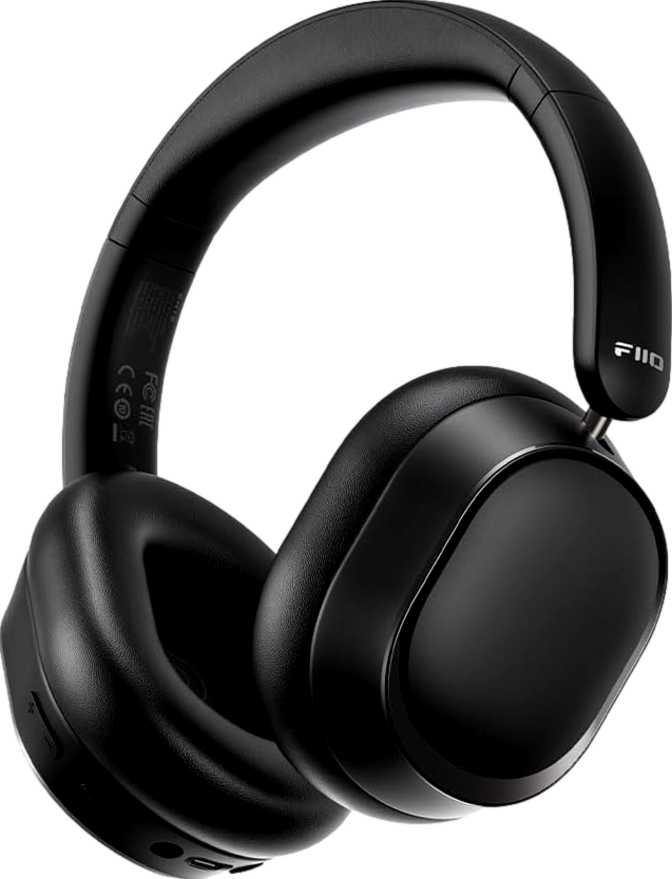
HeadphonesFiio has spent years earning its reputation in the personal audio space by building products that punch well above their price class, and the EH13 is one of their most complete attempts at a daily-driver wireless headphone. This is a closed-back, over-ear design with active noise cancellation, a marathon battery life, and Sony's LDAC codec running over Bluetooth 6 — a combination that aims squarely at the serious listener who refuses to compromise on audio quality just because they've gone wireless.
The EH13 is not a safe, committee-designed product. Some of its specification choices are unusual, even provocative. Understanding those choices — why they were made and what they mean for you — is exactly what this review will do.
Design and Build Quality
Physical form, materials, and what the construction tells you about intended use
Physical Form Factor
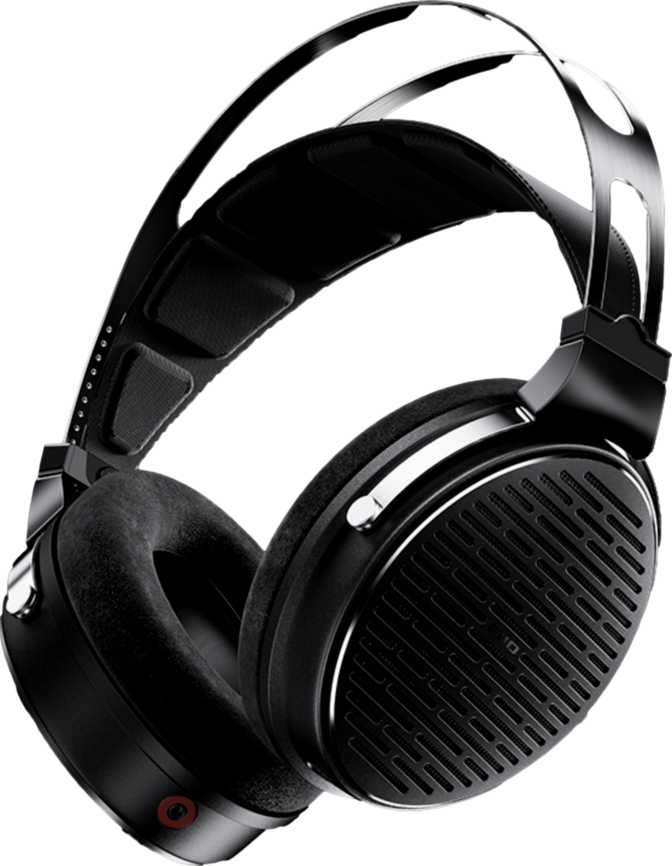
The EH13 is an over-ear headphone — the earcups fully enclose your ears rather than resting on top of them. This distributes clamping force across the skull rather than pressing directly against ear cartilage, which translates to significantly more comfort over hours of continuous use.
At 278 grams, the EH13 sits in a reasonable middle ground for this category — well within the expected 250g–310g range for premium ANC competitors. Most listeners stop noticing the weight within the first few minutes of a session.
The headphone folds, with earcups collapsing inward toward the headband, making it viable for travel and commuting without requiring an oversized case.
Cable System
The EH13 uses a detachable cable — a decision with real long-term ownership consequences. A headphone with a fixed cable will eventually be retired by a fraying wire. A detachable cable can be replaced for a few dollars, extending the product's useful life significantly.
The included cable is also tangle-resistant by design. The material and profile resist the knot-forming that plagues standard round cables — a minor convenience that accumulates meaningfully over hundreds of daily interactions.
What the Design Does Not Include
There is no water or sweat resistance on the EH13. This means it is not a gym headphone, not a running headphone, and should be kept away from rain.
This limitation is also a design signal: Fiio engineered the EH13 for controlled environments — commuting, office work, travel, and home listening — not athletic use. That focus allows trade-offs elsewhere to favor the listener.
Sound Quality: What the Specifications Actually Mean
Raw specs translated into what you actually hear
Driver Architecture
The EH13 uses 40mm dynamic drivers. Driver size functions similarly to woofer size in speakers — larger drivers have more physical surface area to move air, supporting deeper bass and a more spacious soundstage. 40mm is a standard size for over-ear headphones in this category, large enough to produce full-range audio without the compromises found in smaller earbud drivers.
One notable specification is the absence of a neodymium magnet. Neodymium is the rare-earth metal used in the vast majority of modern audio drivers because of its extremely high magnetic strength relative to size. Drivers built around alternative magnet systems can still deliver excellent sound, but this is an unconventional choice at this level. Its sonic implications can only be evaluated by listening — driver tuning ultimately matters more than magnet type alone.
Frequency Range and Impedance
The EH13 covers the full range of human hearing — from the lowest bass frequencies to the upper limit of what most adults can perceive. In practice, this means the specification does not artificially restrict any part of the audio spectrum.
The impedance rating of 16 ohms is genuinely low, and this is a user-friendly design decision. Low-impedance headphones are easy to drive to high volumes without amplification — your phone, laptop, or DAP can power them without strain, even in wired mode. No external headphone amplifier required.
Passive Noise Isolation
The EH13 does not carry a passive noise reduction rating, which is worth examining carefully given its closed-back design. Most closed-back headphones provide some inherent passive isolation through physical seal alone. The absence of a passive isolation rating suggests Fiio leans on the active noise cancellation system as the primary noise-management tool, rather than engineering the earcup fit for acoustic sealing.
Note for discerning listeners: Those who prioritize blocking out noise through passive means alone — without powering on any electronics — may find the EH13's reliance on ANC for noise management worth factoring into their decision.
Active Noise Cancellation — Real-World Performance Context
How the EH13's ANC and ambient mode work together across daily environments
How ANC Works Here
Active noise cancellation uses microphones to sample environmental sound and generate opposing audio signals that cancel those sounds before they reach your ears. The EH13 includes ANC as its primary noise management tool, making it most effective against consistent, low-frequency noise — aircraft engines, air conditioning, and open-plan office hum — rather than sudden or high-pitched sounds.
Ambient Sound Mode
The EH13 also includes an ambient sound mode — the deliberate opposite of ANC. It lets environmental sound in, making it safe to wear while walking or staying aware of surroundings without removing the headphones. In a noisy office, ANC takes over. Waiting at a crosswalk, ambient mode keeps you safe. This combination is now standard on premium headphones, and its presence confirms the EH13 as a full-featured everyday device.
Battery Life: One of the EH13's Most Compelling Arguments
Endurance figures that genuinely stand apart in the wireless ANC category
The Numbers in Context
The EH13 is rated for 75 hours of continuous playback with Bluetooth and ANC switched off, and 45 hours with ANC running. To put this in practical terms: 45 hours of ANC-on listening is roughly equivalent to an eight-hour workday every day for almost six days straight without reaching for a charger. That is exceptional endurance by any standard in this category.
Most competitors deliver somewhere between 25 and 40 hours with ANC active. The EH13's 45-hour ANC figure places it at the top end of what the category offers, and the 75-hour ceiling without ANC is a legitimate differentiator for travelers or anyone who habitually forgets to charge their devices.
Battery Endurance Comparison
Competitor figures are representative category estimates.
Charging Speed
A full charge takes two hours via USB-C. For a battery of this capacity, that is a reasonable turnaround. There is no wireless charging — a minor convenience loss with no meaningful impact on real-world use.
Battery Indicator and Connector
The headphone includes a battery level indicator, so you know where you stand before a long trip, not after. USB-C is the correct connector choice — universal, reversible, and unlikely to be obsoleted in the foreseeable future.
Connectivity: Bluetooth 6, LDAC, and Codec Strategy
Why the codec choices matter more than most headphone specifications
Bluetooth 6
The EH13 runs on Bluetooth 6 — among the most current versions of the standard available in consumer audio products. Newer Bluetooth versions improve connection stability, interference handling, and power efficiency.
The stated wireless range is 10 meters, standard for close-proximity personal audio. The EH13 is designed to stay connected reliably to a device in your pocket or on your desk, not for cross-room use.
Codec Support: What You Get and What You Don't
The EH13 supports LDAC and AAC. It does not support any variant of aptX. LDAC can transmit audio at up to three times the data rate of standard Bluetooth, which under ideal conditions approaches the quality of a wired connection. AAC is the codec of choice for Apple devices and performs reliably on iPhones and Macs.
Codec ecosystem note: The EH13 is an excellent match for Apple device users and LDAC-capable Android or Sony devices. Its codec story is less compelling on Qualcomm-ecosystem Android devices — those will fall back to AAC or SBC, losing the hi-res wireless advantage.
Multipoint Connection
The EH13 connects to two devices simultaneously, switching between them automatically as audio becomes active on either source. This removes the constant reconnection friction for anyone who moves between a laptop and a phone throughout the day.
Wired Mode
The detachable cable enables fully wired operation when Bluetooth is unavailable or the battery is exhausted. At 16 ohms, any standard 3.5mm output can drive the EH13 without strain — wired mode is a practical reality, not a theoretical fallback.
Features That Matter in Daily Use
A closer look at the practical details that shape the everyday ownership experience
Noise-Canceling Microphone
The EH13 includes a noise-canceling microphone for calls and voice input. This uses multiple microphone elements and signal processing to isolate your voice from background noise — making you sound cleaner on calls even in loud environments. This is distinct from the ANC affecting what you hear; this is about how you sound to others. It confirms the EH13 as a full headset, not just a passive listening device.
On-Device Controls
Controls are placed directly on the earcup rather than on the cable. This is more durable and easier to actuate while wearing the headphones, but requires moving your hand to your head rather than reaching for an in-line remote — which the EH13 does not include.
The EH13 also does not include ear-detection — the feature that auto-pauses playback when you remove the headphones. A small omission in a product that otherwise covers most modern convenience features.
Headset Capability
The EH13 functions fully as a communications headset, making it a viable single solution for knowledge workers who need clean call audio and high-quality music listening from the same device.
The one-year manufacturer warranty rounds out the ownership proposition — standard for this product category.
Who Should Buy the Fiio EH13 — and Who Should Not
Matching the right listener to the right headphone before any money changes hands
Strong Fit
- High-resolution wireless listeners — LDAC delivers wireless audio quality that conventional Bluetooth codecs simply cannot match for users with LDAC-capable hardware.
- Apple ecosystem users — AAC support ensures solid wireless performance across iPhones and Macs without any codec fallback concerns.
- Long-haul travelers — A single charge can outlast a transcontinental flight and several days of use beyond it.
- Multi-device workers — Two-device multipoint handles laptop-and-phone workflows without constant manual reconnection.
- Comfort-focused listeners — Over-ear fit and moderate weight make the EH13 suitable for extended sessions without fatigue.
Poor Fit
- Gym and outdoor athletes — No water or sweat resistance makes the EH13 a liability in physical activity environments.
- aptX Adaptive or aptX HD users — Qualcomm-ecosystem Android users will find their devices falling back to a lower-quality wireless connection.
- Passive isolation seekers — The EH13 relies on ANC rather than acoustic sealing. If you prefer isolation without electronics switched on, this headphone may disappoint.
- Spatial audio listeners — There is no spatial or 3D audio processing. Listeners who prioritize immersive surround-style audio should look elsewhere.
Competitive Positioning
How the EH13 stacks up against logical alternatives at a similar price and feature level
| Feature | Fiio EH13 | Typical Competitor A | Typical Competitor B |
|---|---|---|---|
| Bluetooth Version | 6 | 5.3 | 5.2 |
| Hi-Res Wireless Codec | LDAC | LDAC / aptX Adaptive | LDAC |
| Battery — ANC On | 45h | 30h | 40h |
| Driver Size | 40mm | 40mm | 40mm |
| Impedance | 16Ω | 32Ω | 48Ω |
| Foldable | |||
| Detachable Cable | |||
| Multipoint Devices | 2 | 2 | 2 |
| Water Resistance | IPX4 | ||
| Spatial Audio | Yes |
The EH13 leads on battery endurance and Bluetooth version. It is competitive on codec support but narrower than rivals offering both LDAC and aptX. The absence of water resistance and spatial audio are genuine category gaps. The detachable cable and low impedance are advantages competitors at this level frequently do not offer.
Honest Assessment: Strengths and Weaknesses
A balanced evaluation without marketing language — because credibility comes from honesty
What the EH13 Gets Right
The Fiio EH13 makes a compelling case through endurance, connectivity technology, and audio-quality commitment. The battery life alone — 45 hours with ANC running — is difficult to dismiss. For frequent travelers, long-shift workers, or anyone who treats charging as a last resort rather than a nightly ritual, this headphone offers a level of operational freedom that few products in its class can match.
The LDAC support combined with Bluetooth 6 represents a genuine commitment to audio quality over wireless, and the 16-ohm impedance means every source device — from a budget phone to a premium DAP — will drive these headphones to their full potential without an external amplifier.
Where the EH13 Shows Limitations
Where the EH13 shows its limitations is in the codec ecosystem and passive noise management. Listeners deeply embedded in the Qualcomm or Windows Bluetooth ecosystem will not get the full benefit of the high-resolution wireless capability, since LDAC is primarily a Sony and Android-native feature. The reliance on ANC for noise management, with limited passive seal, means ANC-off listening in noisy environments is less effective than on headphones engineered for acoustic isolation first.
The absence of ear-detection and spatial audio are smaller gaps, but they reveal where feature prioritization landed in the engineering process.
Questions Buyers Ask Before Purchasing
Answers to what real buyers search for before spending their money
Final Verdict
The Fiio EH13 is a headphone built for the listener who uses their headphones constantly, values audio quality seriously, and does not want to think about battery life. The endurance figures are among the best in the wireless ANC category, the Bluetooth 6 and LDAC combination represents current-generation connectivity, and the 16-ohm impedance ensures the headphone works at its best with any device a user might own.
It is not a headphone for the gym, it is not optimized for Qualcomm Bluetooth ecosystems, and it does not offer spatial audio or passive isolation for those who prefer electronics-off noise management.
The verdict: For the listener whose primary environment is the office, commute, or travel — who streams high-quality audio, works across a laptop and phone simultaneously, and wants to charge their headphones less than once a week — the Fiio EH13 makes an unusually strong case. The unconventional driver magnet system is the one genuine open question, and it is worth an audition before committing if that level of technical scrutiny matters to you. For everyone else, the specification profile here is well-matched to the way most serious daily listeners actually use their headphones.