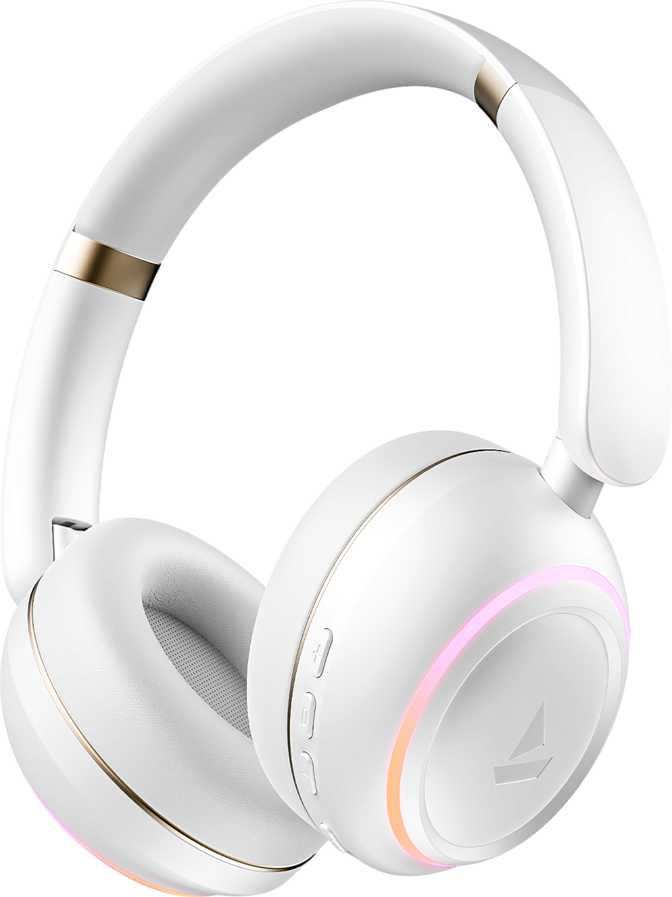
Most people don't shop for headphones expecting perfection — they shop for headphones that won't let them down during a commute, a work call, or a long study session.
That's the exact space the boAt Rockerz 480 is built to occupy. It isn't chasing audiophile bragging rights or flagship feature lists. Instead, it leans hard into the basics that matter every single day: comfortable over-ear fit, genuinely long battery life, and the flexibility to go wired when wireless isn't an option. Whether that trade-off makes sense for you depends entirely on what you actually do with your headphones, and that's exactly what this review breaks down.
Design and Comfort: How the Rockerz 480 Feels in Daily Use
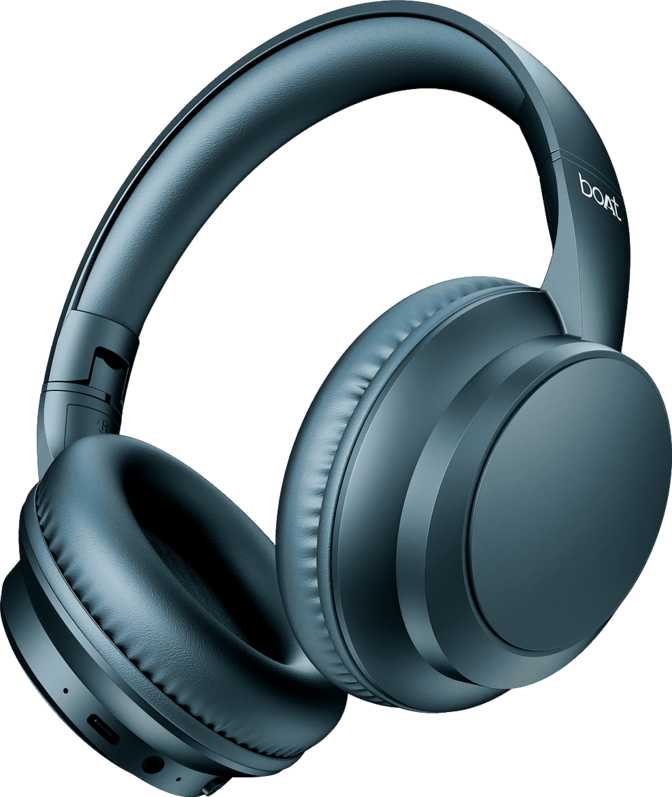
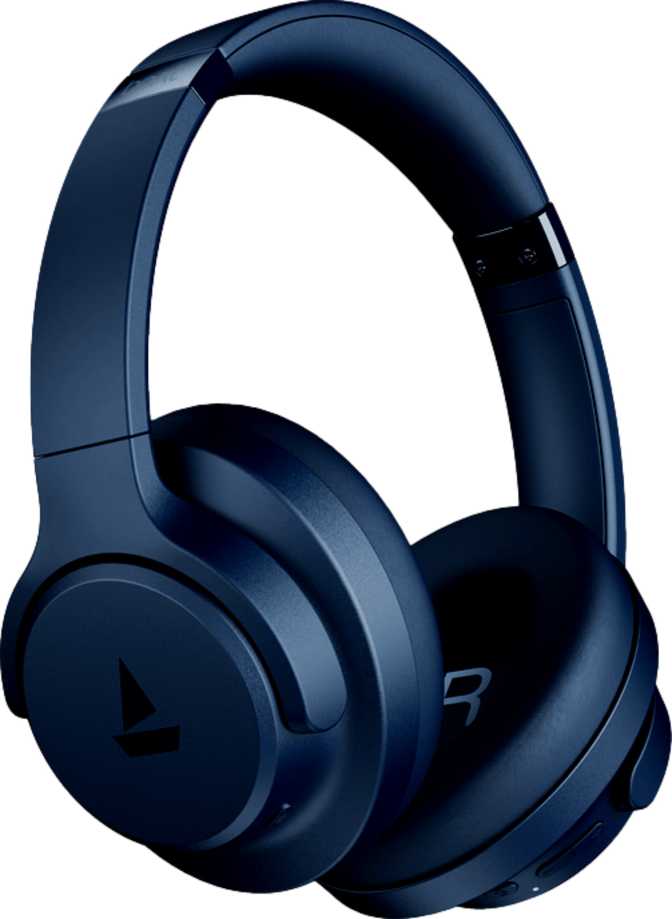
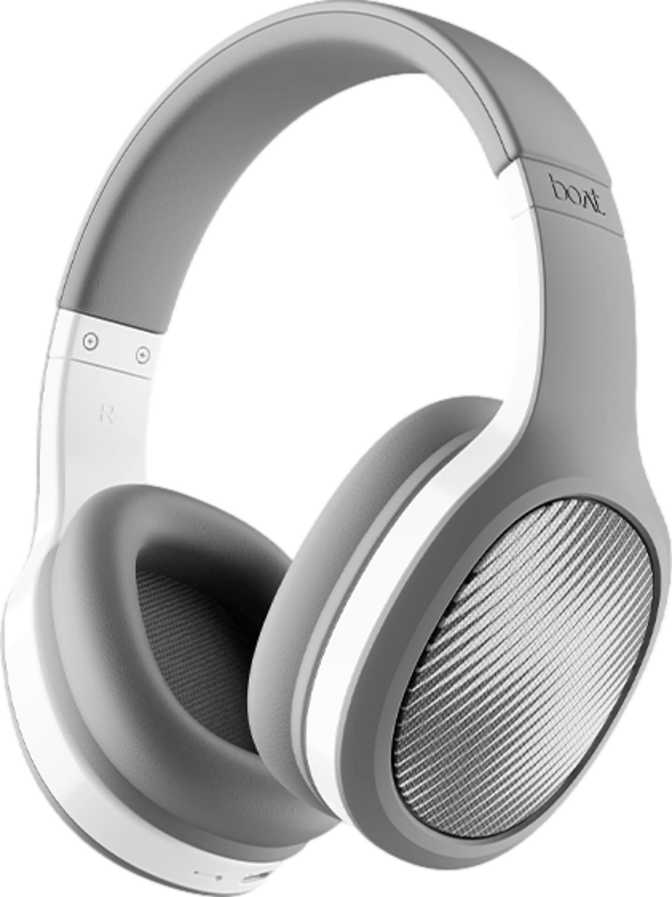
The Rockerz 480 uses an over-ear design, meaning the ear cups fully encircle your ears rather than resting on top of them. This matters more than it sounds — over-ear cups generally distribute pressure across a wider area of your head, which translates to less ear fatigue during marathon listening sessions compared to on-ear designs that clamp directly onto your ears.
At 230 grams, it sits in a comfortable middle ground. To put that in perspective, that's roughly the weight of a small smartphone — noticeable when you first put it on, but light enough that most people stop thinking about it within a few minutes of wear.
The headphone also folds, which is a genuinely practical inclusion rather than a marketing checkbox. A folding hinge means the Rockerz 480 collapses down into a smaller footprint for your bag or desk drawer. One thing to flag honestly: there's no travel bag or pouch included in the box, so if you want to protect the cups from scratches, budget for a basic case separately.
Two design notes worth knowing before you buy: this headphone doesn't ship with a tangle-resistant cable, so expect the same cord management quirks as a typical aux cable in wired mode. And while it's a full-size adult headphone, it isn't built or sized specifically for children — younger users with smaller heads may find the fit looser than intended.
Quick Facts
- Fit: Over-ear
- Weight: 230 g
- Foldable: Yes, for compact storage
- Travel Bag: Not included
- Built For: Adult users
Sound Quality: What the Specs Actually Mean for Your Ears
Driver Size and Frequency Response
Inside each ear cup sits a 40mm driver — the vibrating component that actually produces sound. This is a fairly generous driver size for the category, and larger drivers generally have an easier time reproducing deep bass without distortion. The Rockerz 480 covers a frequency range of 20Hz to 20,000Hz, the textbook range of human hearing, making it a solid baseline for music, podcasts, and video content.
One spec for the technically curious: this headphone does not use a neodymium magnet. Neodymium magnets allow for tighter bass control and better energy efficiency. Without it, sound is still full-range thanks to driver size, but enthusiasts chasing the most refined bass should treat this as a ceiling compared to pricier alternatives.
Noise Isolation, Not Noise Cancellation
An important distinction: the Rockerz 480 does not have active noise cancellation (ANC), the electronic system that uses microphones and counter-sound waves to cancel ambient noise. What it has is passive noise isolation — the physical seal created by the over-ear cushions simply covering your ears.
In real-world terms, it will dull general background chatter but won't silence a jet engine or public transit rumble the way dedicated ANC would. If your priority is blocking out a loud commute, this is the biggest limitation to weigh.
Codec Support and What's Missing
The Rockerz 480 does not support advanced Bluetooth codecs like aptX, aptX HD, aptX Adaptive, aptX Lossless, LDAC, LDHC, or even AAC. In practice, it's almost certainly relying on the baseline SBC codec every Bluetooth device supports.
For most Android listeners at normal volumes, this is hard to notice casually. Worth knowing for iPhone users, since the absence of AAC means no access to Apple's preferred codec, and for audiophiles specifically seeking hi-res wireless audio.
Battery Life and Charging: How Often Will You Actually Plug It In?
This is where the Rockerz 480 makes its strongest case. With a rated battery life of up to 60 hours, this headphone is built to disappear into the background of your week. If you listen for roughly two to three hours a day, that translates to charging it once every two to three weeks rather than nightly — a genuinely different relationship with your headphones compared to most wireless models that need daily or near-daily top-ups.
Typical Wireless Headphone
boAt Rockerz 480
When you do need to recharge, it uses a USB-C port, the modern, reversible charging standard most people already have cables for. A full charge takes around 1.5 hours, reasonably quick for the battery capacity required to hit 60 hours of playback. There's also a battery level indicator, a small but genuinely useful inclusion that tells you roughly how much charge remains instead of leaving you guessing mid-call.
Up to 60 Hrs
Rated Battery Life
1.5 Hours
Full Charge Time
USB-C
Charging Port
Built-In Indicator
Track Remaining Charge
A few limitations worth knowing: the battery is rechargeable but not removable or user-replaceable. There's also no wireless charging and no solar charging — you'll need to physically plug in via USB-C every time.
Connectivity: Bluetooth 5.3, Multipoint, and the Wired Backup Option
Bluetooth 5.3
Latest Stable Standard
40ms Latency
Low-Delay Audio Sync
10m Range
Open-Space Coverage
2-Device Multipoint
Switch Without Re-Pairing
Bluetooth Performance
The Rockerz 480 runs on Bluetooth 5.3, a relatively recent version of the standard. Newer Bluetooth versions generally bring two practical benefits: more efficient power consumption, which helps explain the strong battery life, and a more stable connection that's less prone to dropouts in crowded wireless environments like offices or city streets. The maximum range is rated at 10 meters, which is standard — expect that to shrink with walls or obstructions between you and your source device.
Audio latency is rated at 40 milliseconds, noticeably tighter than the latency many basic Bluetooth headphones produce, which often sit well above 100 milliseconds. Dialogue in videos should stay reasonably well-synced, and casual mobile gaming should feel responsive. Competitive gamers chasing frame-perfect audio cues will still want a dedicated low-latency gaming codec, which this model doesn't include.
Multipoint Pairing and Wired Mode
A genuinely handy feature here is multipoint support for two devices simultaneously — pair it to your laptop and phone at once, and switch between a video call on one and a notification on the other without manually re-pairing. It's a feature usually reserved for pricier headphones, so its presence here stands out.
There's no NFC pairing and no fast-pairing protocol, so initial setup means going through your device's standard Bluetooth settings menu rather than a one-tap connection — a minor extra step, not a dealbreaker. If your battery does run out, the Rockerz 480 also supports a wired listening mode. One caveat: there's no in-line control panel on the cable itself, so volume and playback will depend on your source device or the headphone's on-ear buttons.
Everyday Features That Matter
The control panel is placed directly on the headphone itself rather than on a separate in-line remote, meaning physical buttons handle playback, calls, and volume — generally more reliable than touch-sensitive panels that can register accidental taps. The Rockerz 480 also functions as a headset with a built-in microphone for taking calls, though it doesn't have dedicated noise-cancellation of its own, so callers may pick up more of your surrounding environment in louder settings.
What You Get
- On-device button controls for music and calls
- Built-in microphone for use as a headset
- Battery level indicator
- One-year manufacturer warranty
What's Missing
- Ambient sound mode
- Automatic in/on-ear detection to pause music
- Dedicated mute function for calls
- In-line remote for wired listening
Who Should Buy the boAt Rockerz 480 (and Who Shouldn't)
Great Fit For
- Commuters and students who want long stretches between charges
- Remote workers taking frequent calls who want to switch between a laptop and phone via multipoint
- Casual listeners who prioritize comfort and reliability over chasing the latest codec or ANC technology
- Anyone who wants a wired backup option when going fully wireless isn't practical
Look Elsewhere If You're
- A frequent flyer or office worker who specifically needs active noise cancellation
- An audiophile who wants hi-res codec support like LDAC or aptX HD
- A competitive gamer who needs the lowest possible audio latency
- Shopping specifically for a child-sized headphone
How It Stacks Up Against Other Wireless Headphones in Its Class
| Feature | Typical Entry-Level Headphone | boAt Rockerz 480 | Typical Premium ANC Headphone |
|---|---|---|---|
| Battery Life | 20–30 hours | Up to 60 hours | 20–40 hours (less with ANC active) |
| Noise Handling | Passive only | Passive isolation only | Active noise cancellation |
| Bluetooth Version | 5.0 or earlier | 5.3 | 5.3 or newer |
| Multipoint Pairing | Rare | Supported (2 devices) | Usually supported |
| Advanced Codecs | Rarely included | Not included | Often included |
| Charging Port | Often micro-USB | USB-C | USB-C |
| Wired Fallback | Sometimes | Yes | Sometimes |
The pattern that emerges is clear: the Rockerz 480 punches above typical entry-level expectations on battery life, charging convenience, and multipoint support, while consciously skipping the premium-tier features — ANC and advanced codecs — that usually come with a meaningfully higher price tag.
Strengths and Weaknesses, Honestly
Strengths
The standout strength here is unmistakably the battery life. Sixty hours of playback genuinely changes how you interact with a headphone — it stops being a device you have to manage and starts being one you just use. Paired with fast USB-C charging and a battery indicator that keeps you informed, the power story on this headphone is its clearest advantage over most competitors in its range. Multipoint pairing for two devices is a similarly pleasant surprise, since it's typically reserved for higher-priced models, and the modern Bluetooth 5.3 chipset should mean a more stable, power-efficient connection than older-generation alternatives.
Weaknesses
The honest weaknesses center on sound sophistication and noise management. The absence of active noise cancellation means this isn't the headphone for blocking out a noisy commute — you're relying entirely on the passive seal of the ear cups. The lack of advanced codec support, including basic AAC, means iPhone users and discerning listeners won't get the most refined audio experience the hardware could theoretically deliver. The missing extras — ambient mode, ear detection, a dedicated mute function, an in-line remote for wired use — reflect a product built to a price point, prioritizing the features most people use daily over the ones that sound impressive on a spec sheet but rarely get touched.
Frequently Asked Questions
Final Verdict
The boAt Rockerz 480 is a headphone built around a clear, honest trade-off: it skips premium features like active noise cancellation and advanced audio codecs in exchange for exceptional battery endurance, dependable Bluetooth 5.3 connectivity, and genuinely useful conveniences like multipoint pairing and a wired backup mode.
If your priority is a comfortable, long-lasting headphone for daily commuting, study sessions, work calls, and casual music listening — one you can forget to charge for weeks at a time — this is a confident, easy recommendation. If your priority is blocking out a noisy environment with ANC or chasing the highest possible audio fidelity through advanced codecs, look at a higher tier of headphone instead. For everyday reliability over audiophile ambition, the Rockerz 480 delivers exactly what it promises.