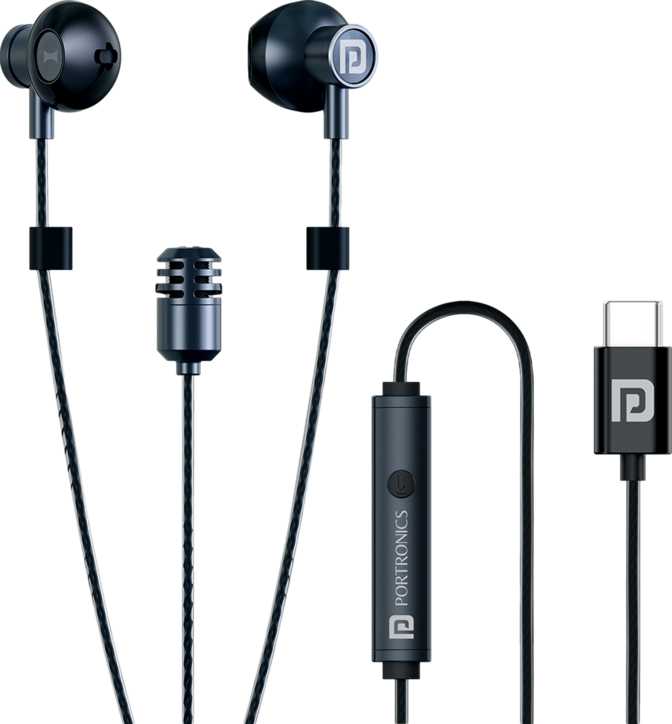
Driver Design and Sonic Character
Each earpiece is driven by a dynamic driver of standard in-ear sizing. When implemented competently, a driver of this type produces a warm, full-bodied sound that works well for the broad mix of content most people listen to — streaming music, podcasts, video audio, and casual gaming.
An honest observation about the magnetic configuration: the drivers do not use neodymium magnets. In more expensive earphones, neodymium-based magnetic circuits generate stronger fields that improve how quickly and precisely the driver responds to fast-moving audio signals — the crack of a snare drum, a plucked guitar string, the consonants in a vocal line. The magnetic configuration here is likely ferrite-based, which tends toward a smoother, warmer tonal presentation rather than analytical precision. Casual listeners will not notice or care. Those who spend time evaluating earphones critically, comparing clarity and separation, will notice the distinction when placed against similarly priced earphones using higher-grade driver components.
The frequency response covers the full span of human hearing — from the lowest bass registers to the highest treble frequencies the ear can detect. This means the earphone is at least nominally reaching across the complete audible range, though coverage alone does not speak to how evenly or accurately it reproduces sounds throughout that range.
The output is genuine stereo — a left and right channel signal that creates spatial separation between audio elements. For music and film audio, this is the baseline expectation. There is no spatial audio processing or virtual surround capability, which matters primarily for gaming or immersive film experiences where simulated 3D positioning is a deliberate feature.