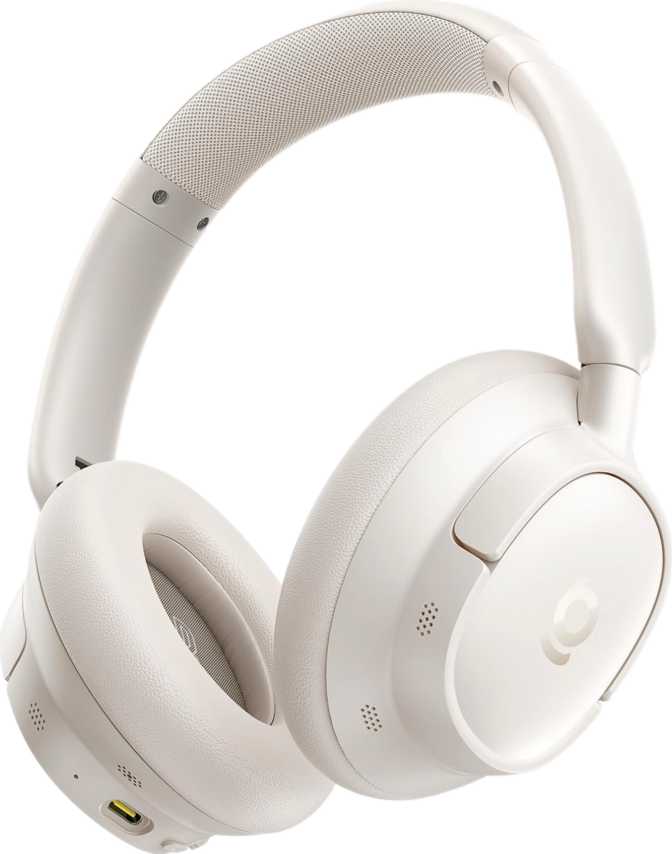
Baseus MH1 Review: Outstanding Battery Life, Honest Trade-Offs
HeadphonesThe over-ear headphone market is crowded at every price tier, and budget-to-mid-range options in particular tend to blur together — same plastics, same marketing language, same disappointments. The Baseus MH1 enters this space carrying a specification sheet that looks genuinely competitive on paper: Bluetooth 6.0, LDAC support, active noise cancellation, and a battery figure that most flagship headphones cannot match. Whether those numbers translate into a headphone worth buying requires a closer look — and that is exactly what this review delivers.
Overall Rating
out of 5.0
Design and Build: Practical Over Precious
Physical form, portability, and everyday durability
Physical Form and Everyday Comfort
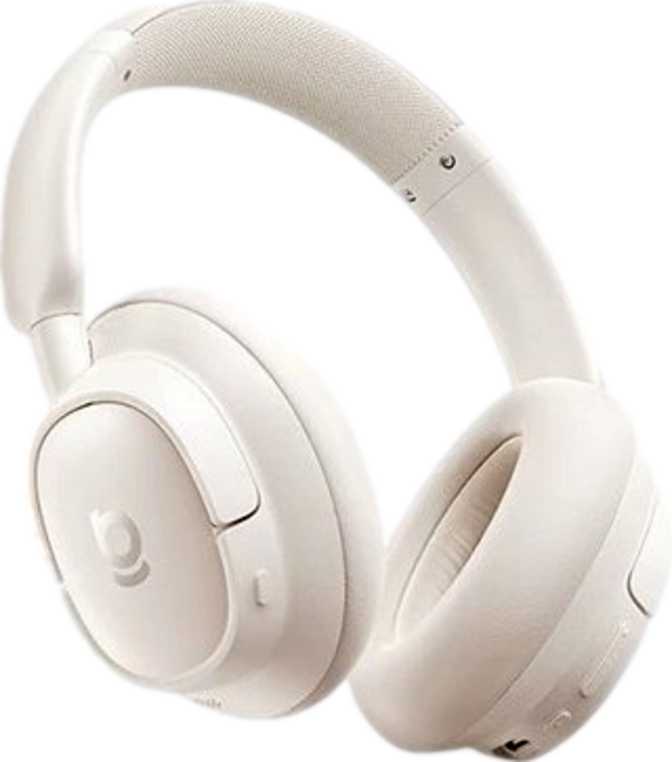
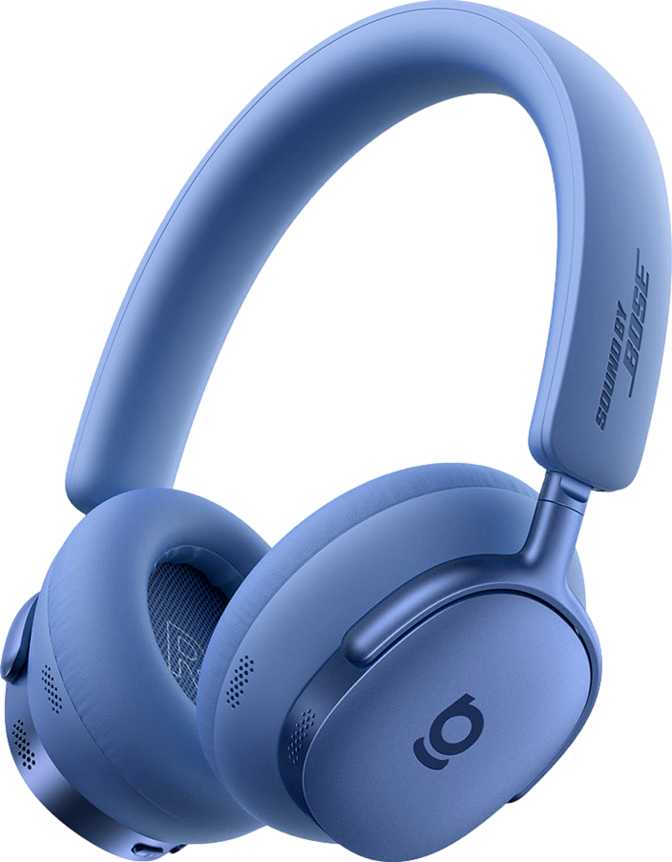
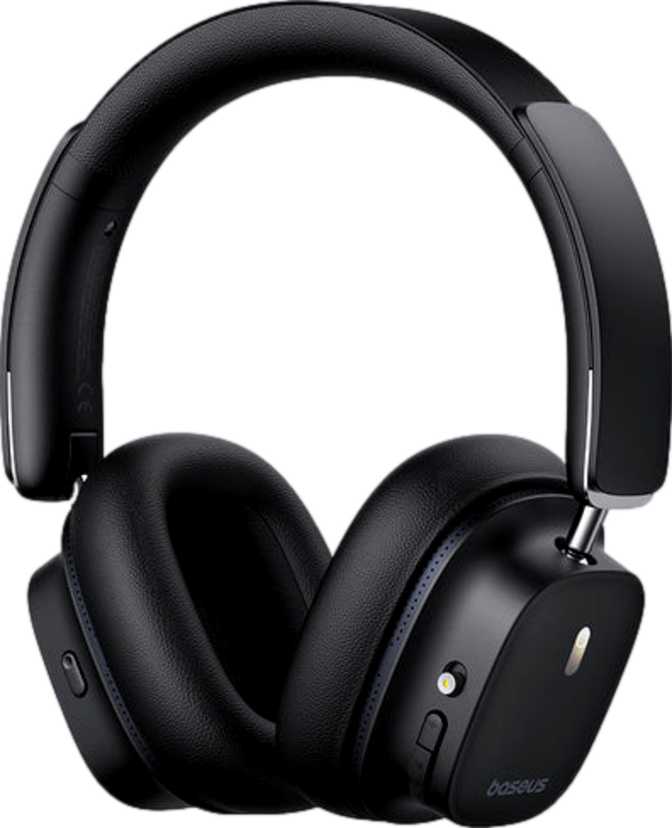
At 245 grams, the Baseus MH1 sits in a weight range most listeners will find comfortable for multi-hour sessions. It is not ultralight — some competing models shave below 200g — but it is far from the heavy end of the spectrum. Practically speaking, you are unlikely to feel fatigue during a standard workday's worth of wear.
The closed-back design is a deliberate acoustic and functional choice. Unlike open-back headphones, which allow ambient sound to pass through freely and are typically favored by audiophiles in controlled listening environments, the MH1's sealed earcups create a physical barrier against outside noise before any electronics get involved. This pairs meaningfully with the active noise cancellation system — the two work together rather than one compensating for the other's absence.
The folding capability makes the Baseus MH1 genuinely portable. The headphone collapses into a more compact form for travel or bag storage — a feature that matters more in practice than spec sheets suggest, since a non-folding over-ear headphone becomes difficult to carry without a dedicated case.
Cable System
The detachable cable is a feature worth paying attention to. Most headphone failures over time trace back to cable damage at the connection point — fraying, shorting, breaking. When the cable is detachable, that failure mode becomes a cheap replacement rather than a dead headphone. The included cable is tangle-resistant, which sounds minor until you have spent three minutes unraveling a headphone cable before an early meeting.
There is no water resistance rating on the MH1. These are not workout headphones. Light splashes won't destroy them, but they should not be worn in rain or heavy sweat sessions.
Design Highlights
Over-Ear Fit
Full earcup coverage for passive isolation and long-wear comfort
245g Weight
Comfortable for extended sessions without neck fatigue
Foldable Design
Collapses for bag storage and travel convenience
Detachable Cable
Replaceable when damaged — extends the product's lifespan
No Water Resistance
Avoid rain, heavy sweat, and athletic use
Sound Quality: Where the Specs Actually Matter
Frequency performance, ANC effectiveness, and microphone capability
Frequency Range
The MH1 reproduces audio across a range that extends well below and above the threshold of typical human hearing. At the low end, 20 Hz covers the floor of audible bass — the kind of deep rumble felt as much as heard in electronic music, film scores, and hip-hop productions.
More notably, the upper ceiling reaches 40,000 Hz — twice the top of standard human hearing. That extended high-frequency ceiling matters primarily when listening to high-resolution audio files. Standard streaming won't utilize it, but listeners who use lossless or Hi-Res audio tracks — particularly relevant given the LDAC connectivity — will benefit from drivers that aren't artificially constrained at the top end.
Frequency Visualization
Full bass floor — deep rumble and low-end body
Vocals, guitars, and instrument clarity
Extended Hi-Res range — beneficial with LDAC + lossless sources
Active and Passive Noise Reduction Working Together
The MH1 combines two distinct noise-reduction approaches. Passive isolation comes from the physical design: closed earcups that block sound mechanically. Active noise cancellation (ANC) uses microphones to sample ambient sound and generate an opposing signal that cancels it electronically — most effective against low-frequency, constant sounds like HVAC systems, airplane cabin noise, and road drone.
Having both systems working simultaneously is the correct approach. Passive isolation handles mid and high-frequency noise that ANC struggles with, while ANC targets the low-frequency content that physical ear pads cannot block effectively. The result is meaningfully quieter than either system alone.
Dual-Layer Noise Reduction
Passive Isolation
Closed-back earcups physically block mid and high-frequency noise without any power draw
Active Noise Cancellation
Electronic cancellation targets low-frequency drones — engines, HVAC, traffic — that physical isolation cannot eliminate
Combined Effect
Full-spectrum silence — each layer handles the frequency range the other cannot
The Microphone Array: Ten Microphones for a Reason
Ten microphones is a count that demands explanation, because it is significantly higher than what most headphones carry. The purpose is microphone beamforming — using multiple pickup points to focus on the speaker's voice while mathematically suppressing background noise from other directions. The practical result is call and voice quality that holds up in coffee shops, public transit, or open-plan offices where a single-microphone design would pick up everything indiscriminately.
For video calls, remote work, and voice assistant use, this is a meaningful differentiator. For listeners who only use their headphones for private audio playback, it is a benefit they will rarely exercise.
10
Microphones
Beamforming array designed to isolate your voice and suppress ambient background noise — built for remote work and calls in noisy environments
Connectivity: Bluetooth 6.0, LDAC, and Real-World Range
Wireless standards, codec support, and wired fallback
Bluetooth 6.0 — The Latest Standard
Bluetooth 6.0 is the most current version of the wireless standard and represents a meaningful step forward from the 5.x versions that still appear in many competing products. The most practical improvements are in connection stability, lower power consumption relative to performance, and faster reconnection when switching between devices.
The MH1's wireless range is rated at 10 meters — standard for Bluetooth audio devices. In open space, you can move that distance from a paired device without dropout. Through walls and in complex indoor environments, effective range will be somewhat shorter. This is a category norm rather than a standout figure in either direction.
Audio Latency in Context
Audio latency is measured at 55 milliseconds. For music listening and podcast playback, this is imperceptible — the human ear cannot detect delays below roughly 100ms in audio-only contexts.
For video watching, 55ms sits at the threshold where some viewers perceive slight lip-sync offset. For gaming or live instrument monitoring, latency at this level is likely noticeable, and the MH1 is not a strong choice for those use cases.
LDAC: High-Resolution Wireless Audio
The inclusion of LDAC is one of the Baseus MH1's strongest selling points in this category. LDAC is Sony's high-resolution wireless audio codec, capable of transmitting audio at up to three times the data rate of standard Bluetooth audio. In practice, LDAC delivers audio quality much closer to a wired connection — particularly noticeable with lossless source files and high-resolution audio tracks.
To benefit from LDAC, your source device must also support it. Android devices running Android 8.0 or later typically have native LDAC support; iOS devices do not. If you are an iPhone user, the MH1 will use the AAC codec instead — which it also supports. AAC is Apple's preferred audio codec and performs well on Apple devices, delivering genuinely good quality even if it does not match LDAC's ceiling.
What the MH1 does not include: aptX, aptX HD, aptX Adaptive, or LE Audio. Android users whose devices support aptX variants but not LDAC will fall back to AAC.
Codec Support at a Glance
LDAC
Hi-Res wireless — Android 8.0+ devices
AAC
Apple devices — good quality codec
aptX / aptX HD
Not supported
aptX Adaptive
Not supported
LE Audio / Auracast
Not supported
Wired Mode: An Important Fallback
Wireless connectivity can fail, run out of power, or be prohibited — aircraft mode, certain work environments. The MH1 supports wired operation via its detachable cable, meaning the headphone remains fully functional regardless of battery state. This is a practical insurance policy that purely wireless designs cannot offer.
Battery Life: The MH1's Most Impressive Number
80h
Without ANC
Up to 3 weeks of daily listening at typical usage levels
55h
With ANC Active
Nearly 2 weeks for daily heavy users — still exceptional
USB-C
Universal Charging
Same cable as your phone, laptop, and tablet — no proprietary charger
Battery vs. Category Norms
Real-World Charging Frequency
Casual listener (2–3 hrs/day)
Charge roughly once every 3–4 weeks (no ANC)
Remote worker (6–8 hrs/day, ANC on)
Charge approximately once per week
Frequent traveler
Multi-leg long-haul trips without needing a recharge
Features in Daily Use
Ambient mode, controls, and the convenience feature gaps
Ambient Sound Mode
The ambient sound mode is the functional counterpart to ANC. Where noise cancellation blocks the outside world, ambient mode intentionally passes it through — letting you hear announcements, conversations, or traffic without removing the headphones.
This is useful in transit, when traveling through airports, or any situation where awareness of your environment briefly matters more than immersion. Having both ANC and ambient mode on the same device means the MH1 can adapt to context: full isolation at a desk, ambient awareness when navigating a station, back to isolation on the train.
On-Ear Controls
Physical controls are placed directly on the earcup rather than on a remote along the cable. There is no in-line control panel, consistent with the fully wireless design — the cable, when used, is a passive audio connection without control functionality.
No auto-pause (ear detection) and no microphone mute toggle are the two most noticeable convenience gaps. Muting during calls requires reaching for your source device.
Full Feature Checklist
Active Noise Cancellation
IncludedAmbient Sound Mode
IncludedNoise-Canceling Mic
IncludedBattery Indicator
IncludedAuto-Pause
Not IncludedMute Button
Not IncludedFast Pairing
Not IncludedWireless Charging
Not IncludedWho Should Buy the Baseus MH1
Matching the right buyer to the right headphone
The Right Buyer
Remote Workers and Commuters
Wear headphones most of the working day and need ANC to create focus in noisy environments
Android Hi-Res Listeners
Users with LDAC-capable devices who want high-resolution audio without paying flagship prices
Frequent Travelers
Prioritize endurance over marginal sound gains — and dislike charging on short trips
Practical-Minded Listeners
Value a replaceable cable and wired fallback over aesthetic minimalism
Who Should Look Elsewhere
Gamers and Live Instrument Players
55ms latency is borderline for gaming; the lack of aptX Low Latency removes any low-latency mode
iPhone-Primary Users Seeking Maximum Quality
LDAC is unavailable on iOS; the key audio differentiator disappears and competing options may offer better overall value
Athletes and Active Users
No water resistance makes the MH1 unsuitable for training environments
Listeners Who Prefer Lightweight Form Factors
Those who find over-ear designs uncomfortable should look at lighter alternatives
How the Baseus MH1 Compares
Competitive positioning against typical alternatives in the same price tier
| Feature | Baseus MH1 | Mid-Range Rival | Budget ANC Rival |
|---|---|---|---|
| Active Noise Cancellation | Often weaker | ||
| Battery (no ANC) | 80 hours | 30–40 hours | 20–30 hours |
| Battery (with ANC) | 55 hours | 20–30 hours | 15–20 hours |
| LDAC Support | Varies | ||
| Bluetooth Version | 6.0 | 5.2–5.3 | 5.0–5.2 |
| Detachable Cable | Sometimes | ||
| Microphone Count | 10 | 2–4 | 1–2 |
| Wired Fallback | Sometimes | Sometimes | |
| Auto-Pause | Sometimes | ||
| Water Resistance | Sometimes IPX4 |
Honest Strengths and Where the MH1 Holds Back
A balanced view before you decide
What it Gets Right
The battery life is not a marketing exaggeration — 80 hours without ANC and 55 hours with it active are standout figures even measured against headphones at higher price points. Combined with Bluetooth 6.0 stability and LDAC support, there is a genuine technical foundation here rather than a thin spec sheet dressed in marketing language.
The ten-microphone beamforming array is more than most headphones at this tier bother to include. It reflects a real prioritization of communication quality rather than audio playback alone. For a remote worker who lives on video calls, that detail could tip the decision. The detachable, tangle-resistant cable also deserves credit — it converts a common failure point into a simple, cheap repair.
Where It Compromises
The convenience layer is thin. Missing auto-pause, a dedicated mute button, fast pairing, and NFC pairing together paint a picture of a product that put its engineering budget into endurance and audio hardware rather than user experience polish. None of these gaps is individually critical, but combined they create noticeable workflow friction for people who frequently multitask.
The 10-meter Bluetooth range is also modest. Users who routinely move between rooms while listening may find this limiting compared to competitors offering 20-30 meter ranges. And the complete absence of water resistance narrows the MH1 to desk and transit use — there is no flexibility for athletic scenarios whatsoever.
Common Questions Before You Buy
Real buyer questions, answered directly
The Baseus MH1 Makes a Coherent Argument
Our recommendation for who should — and should not — buy this headphone
The Baseus MH1 makes a coherent argument in a crowded category: exceptional battery life, a genuine hi-res wireless codec in LDAC, Bluetooth 6.0, and a microphone system that takes call quality seriously. These are not common combinations at non-flagship pricing, and together they form a headphone with real, specific strengths rather than a generalist compromise.
The compromises are real but specific. Missing convenience features — no auto-pause, no mute button, no fast pair — will matter to some users and be invisible to others. The lack of water resistance narrows the use case to desk and transit listening. And iOS users receive a meaningfully different experience than Android users, since LDAC's potential disappears on Apple devices.
Buy It If You Are
- An Android user with an LDAC-capable device
- A remote worker who lives on calls and needs ANC focus
- Someone who hates charging their headphones every few days
Consider Alternatives If You Are
- Primarily an iPhone user relying on LDAC quality
- A gamer or musician needing low-latency audio
- An athlete who needs sweat or weather protection
Our Score
4.3/5.0