Vivo Watch GT 2 Review: An Honest Look at What It Really Offers
Smartwatchesout of 5
A standout everyday smartwatch with exceptional battery and display quality. Clear trade-offs exist for serious athletes.
Performance at a Glance
Design and Build Quality
Physical experience, materials, and daily wearability
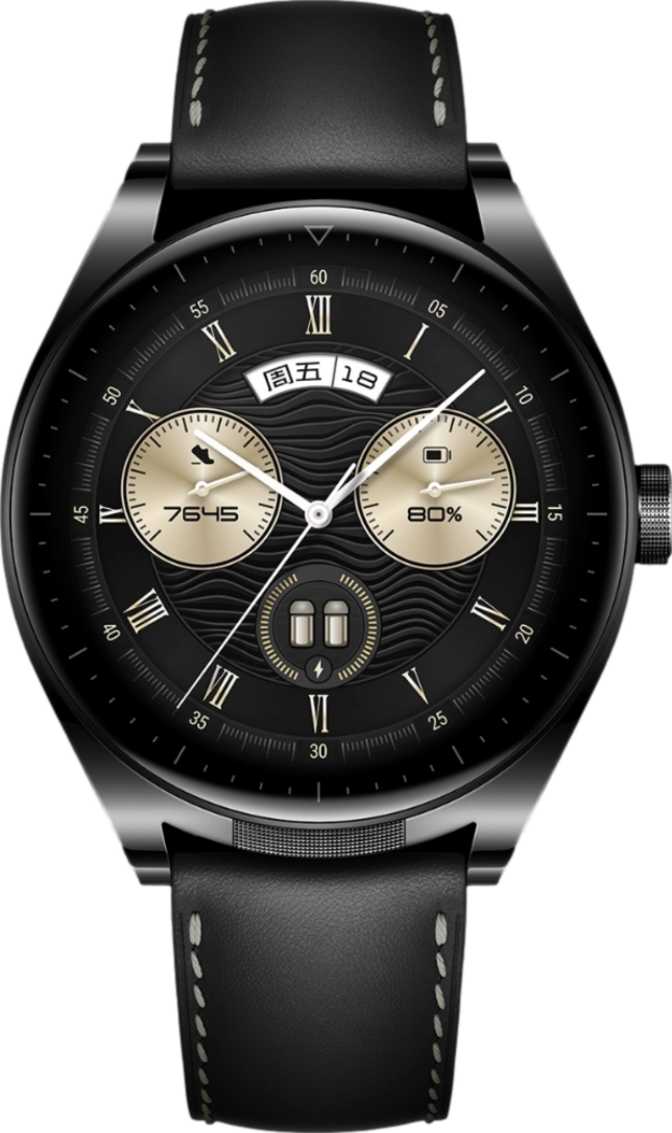
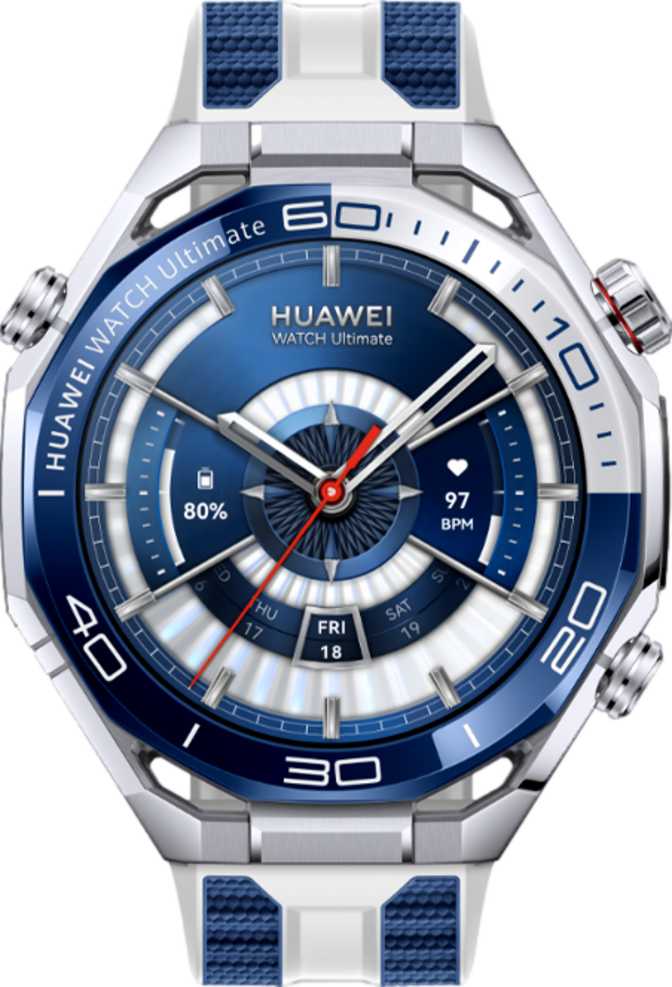
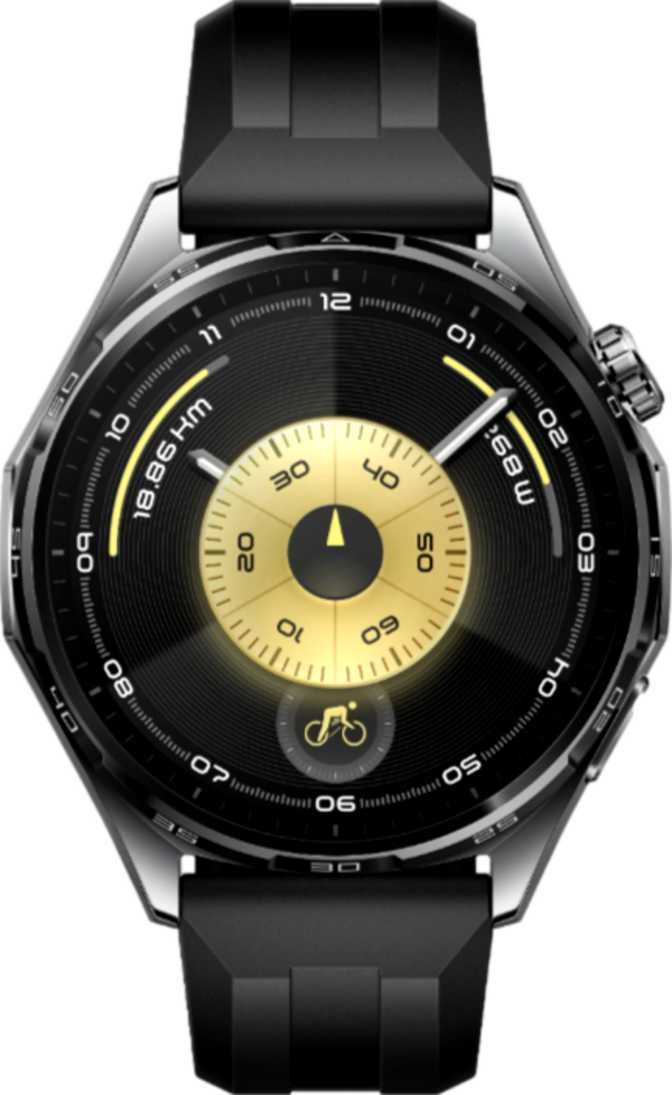
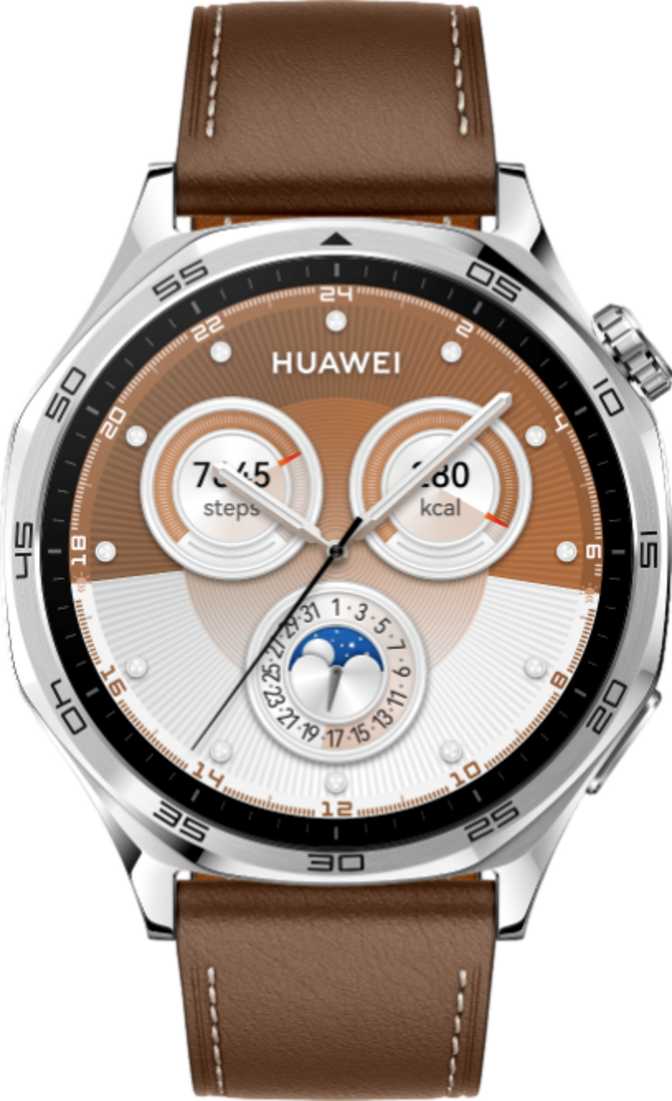
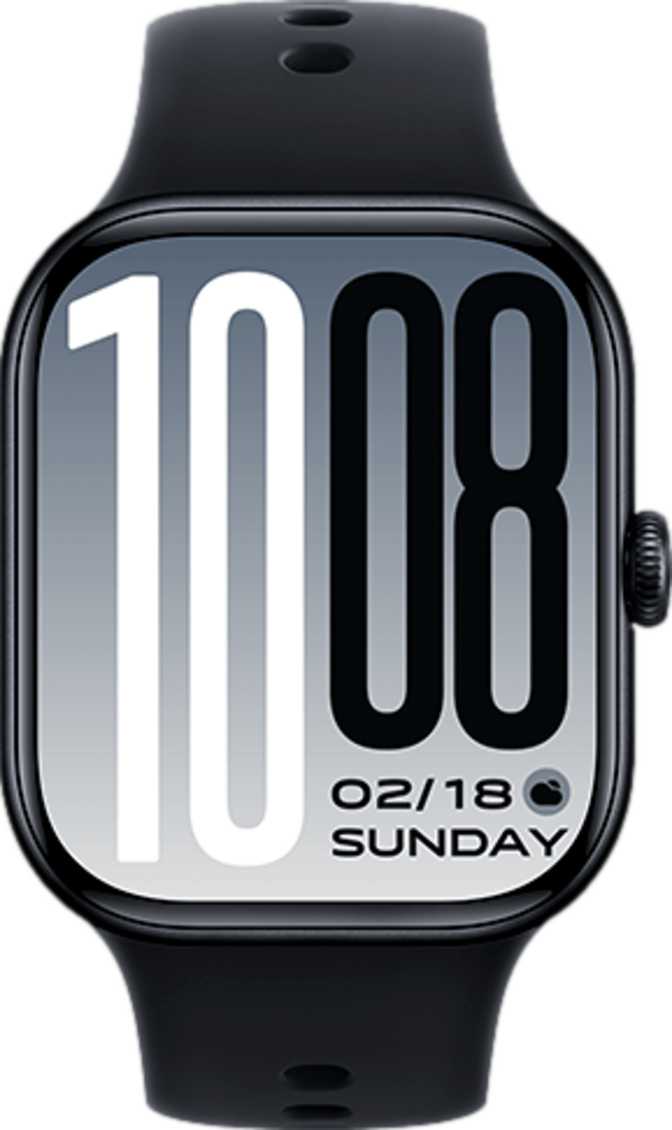
At 35.8 grams, the Vivo Watch GT 2 is genuinely light on the wrist. Many comparable smartwatches hover between 40 and 50 grams — a difference that becomes very noticeable over a full day of wear, particularly during sleep tracking or intense workouts. The case stands 47.5mm tall, 40.2mm wide, and just 11mm thick, which places it comfortably on medium to larger wrists without an imposing footprint.
The aesthetic occupies sensible middle ground — not aggressively sporty, not fashion-first. That versatility makes it transition naturally from the gym to a casual dinner without feeling out of place in either setting.
The 22mm replaceable band is a genuine long-term advantage. This is one of the most common watch lug widths in existence, meaning hundreds of third-party options — silicone, leather, metal mesh, and NATO styles — are available at every price point without proprietary adapter fees or brand lock-in.
Build Quality Notes
- Fully waterproof — safe for swimming, showering, and everyday weather exposure
- Standard 22mm replaceable band with a vast third-party accessory ecosystem
- No Gorilla Glass or sapphire crystal — the display can scratch in rough environments
- Not rated for diving — waterproofing covers recreational water exposure only
Display: Where This Watch Stands Out
Screen technology, sharpness, and real-world visibility
The 2.07-inch OLED display is large for a smartwatch, and in daily use that size earns its place. Reading notifications, checking stats mid-run, or navigating the interface feels effortless without squinting. At 432 × 514 pixels and 324 pixels per inch, the screen is sharp enough that text and icons render cleanly at normal viewing distances with no visible pixelation.
OLED technology means each pixel generates its own light. There’s no backlight washing out darker areas — blacks are true black, colors are vivid, and contrast is inherently high. This translates to better outdoor legibility and a more premium visual experience than LCD panels at this price range.
The screen activates on wrist raise or tap only. This is a deliberate battery trade-off — the 17-day endurance gained in return makes it worthwhile for most users, but it will frustrate habitual passive-glancers.
Health and Performance Tracking
Sensors, biometrics, and what the data means for you
Continuous heart rate monitoring runs passively throughout the day, logging your resting heart rate and alerting you when readings climb unusually high or dip unusually low. This background surveillance builds a meaningful picture of how your cardiovascular system responds to stress, exercise, and recovery across weeks and months.
Heart rate variability tracking goes a layer deeper. HRV measures the tiny fluctuations in timing between each heartbeat — a metric used by sports scientists to gauge whether the nervous system is truly recovered and ready to perform. Tracking this over time reveals more about cumulative fatigue than heart rate data alone.
Blood oxygen saturation monitoring (SpO2) estimates what percentage of your red blood cells are carrying oxygen effectively — useful for spotting sleep apnea patterns, tracking altitude response, and monitoring recovery after illness or intense training blocks.
VO2 max estimation approximates your aerobic capacity: how efficiently your body consumes oxygen during sustained effort. This is one of the most validated long-term fitness indicators available, and watching it trend over months reveals whether your training is genuinely moving the needle.
What You Get vs. What’s Missing
- Continuous heart rate with high/low alerts
- HRV tracking for recovery and stress insight
- SpO2 blood oxygen saturation monitoring
- VO2 max aerobic fitness estimation
- Readiness and recovery scoring
- No ECG (electrocardiogram)
- No AFib / irregular rhythm detection
Steps, distance, pace, and calorie burn are tracked continuously. The built-in GPS includes Galileo satellite support, which improves positioning accuracy in urban environments where buildings obstruct satellite signals. Fast GPS acquisition also reduces the wait before getting a reliable position lock when starting a session.
Route tracking records your actual path for post-session review in the companion app. Automatic activity detection recognizes when you’ve started moving without needing a manual log start — useful when you forget to press record or break into a run spontaneously.
Exercise tagging and a full session diary let you categorize and review workouts over time. Food, water, and calorie tracking completes an energy balance picture for users managing weight or performance nutrition.
No multi-sport profiles, no swim stroke counting, and no barometric elevation tracking. Triathletes, trail runners, and competitive swimmers will feel these gaps immediately.
Activity Features
- GPS with Galileo support
- Fast GPS signal acquisition
- Automatic activity detection
- Route tracking and session mapping
- Food and water intake tracking
- No multi-sport mode
- No swim stroke counter
- No elevation or altitude tracking
Sleep monitoring extends beyond a simple hours-counted total. The watch tracks sleep stages using combined heart rate and movement data, producing nightly reports that show time spent in each phase of sleep. For anyone trying to understand recovery quality or identify what affects their rest, this is genuinely useful data rather than a vanity metric.
The silent vibrating alarm wakes you without sound — a small but underrated feature for light sleepers, those sharing a room, or anyone who finds audio alarms immediately disorienting at night.
At 35.8 grams, wearing the watch overnight is unlikely to feel burdensome. Many heavier smartwatches become uncomfortable during sleep despite having tracking features — weight genuinely matters here, and the Vivo Watch GT 2 has the right profile for genuine 24-hour wear.
Sleep Features
- Sleep stage tracking
- Detailed nightly sleep reports
- Silent vibrating alarm
- No smart wake-window alarm
The Vivo Watch GT 2 includes a meaningful set of menstrual health tools integrated throughout the core health ecosystem — not bolted on as a separate module. The companion app predicts period start dates, tracks cycle length, flags fertile windows, and estimates ovulation timing in one place.
These features sit alongside the broader health dashboard — sleep, heart rate, activity, and recovery data. Cross-referencing cycle phase with energy levels and sleep quality can reveal patterns that siloed period-tracking apps miss entirely, making this a genuinely integrated health picture rather than isolated data streams.
Cycle Features
- Period date prediction
- Ovulation prediction
- Fertile window notifications
- No body temperature tracking
Battery Life
Endurance, real-world use, and charging reality
The 595 mAh battery is substantially larger than most smartwatches in this category, which typically sit between 300 and 420 mAh. The practical consequence is a rated endurance of 17 days — enough that charging becomes a fortnightly task rather than a daily ritual.
For users accustomed to nightly charging, this is transformative. You can wear it through sleep without planning around a charging window. A week-long trip doesn’t require packing the charging cable. The mental overhead of battery management effectively disappears.
The 17-day estimate assumes moderate use: notifications active, heart rate monitoring continuous, GPS engaged occasionally rather than for hour-long daily sessions. Heavy GPS users can expect that figure to compress to roughly five to seven days. Still exceptional by category standards.
The Vivo Watch GT 2 uses a proprietary magnetic cable and does not support wireless Qi charging. Keep that cable accessible — though given the endurance on offer, you won’t need it often.
Smart Features and Connectivity
Calls, payments, notifications, and how it connects to your world
eSIM Connectivity
A built-in eSIM means the watch can operate with a cellular connection independently of your phone — handling calls without your smartphone nearby. Carrier support varies by region; confirm availability before purchasing if standalone cellular use is essential to you.
NFC Payments
Built-in NFC enables contactless payments from the wrist. Whether your specific bank or payment service is supported depends on the platform integrated for your region — verify with your bank if tap-to-pay is a priority before purchasing.
Call Handling
A built-in microphone and Bluetooth 5.4 connection let you answer, manage, and end calls from the watch directly. Bluetooth 5.4 is the current-generation standard, offering lower latency, more stable pairing, and better power efficiency than older versions.
Additional Smart Utilities
No Wi-Fi. The watch connects to your phone exclusively via Bluetooth 5.4. Software updates, health data sync, and app communication all require your phone to be nearby and paired.
Companion App
What the app covers, where it falls short, and platform compatibility
What the App Includes
- Full health dashboard — sleep, heart rate, SpO2, HRV, VO2 max
- Activity reports and full exercise diary
- Goal setting and achievement tracking
- Food, water, and weight tracking
- Menstrual cycle, ovulation, and fertility tracking
- Watch face customization and widget support
- Compatible with both Android and iOS
- Free to download — no core feature paywall
What the App Lacks
- Displays ads — no option to remove them
- No calendar synchronization
- No music playback control
- No coaching or structured training plans
- No data export by email
- No Windows or macOS desktop connectivity
- No body temperature monitoring
Who Should Buy the Vivo Watch GT 2
Matching the watch’s strengths and trade-offs to real buyer profiles
This Watch Is Right For You If…
- You want a complete health dashboard — heart rate, SpO2, HRV, VO2 max, and sleep — in a single everyday wearable
- You’re tired of nightly charging and want a watch that only needs power every two weeks
- You want a large, vivid OLED display without paying a flagship price premium
- You wear a watch 24/7 and need one light enough to forget it’s there
- You want integrated cycle and fertility tracking alongside your daily health data
- NFC payments and eSIM connectivity matter to you at this price point
Look Elsewhere If…
- You’re a competitive swimmer, triathlete, or trail runner who needs granular sport-specific metrics
- You need ECG or AFib detection for medical cardiac monitoring
- You rely on wrist-based music control for Spotify or other streaming services
- You need an always-on display for passive glancing without raising your wrist
- You hike or trail run and need barometric altitude and elevation gain data
- You’re in a region where eSIM activation isn’t carrier-supported for this device
How It Compares to the Alternatives
Vivo Watch GT 2 versus the typical competition in its price bracket
| Feature | Vivo Watch GT 2 | Budget Competitor | Mid-Range Sport |
|---|---|---|---|
| Display Size | 2.07" OLED | 1.5"–1.8" LCD/OLED | 1.3"–1.6" OLED |
| Battery Endurance | ~17 days | 5–10 days | 7–14 days |
| Built-in GPS | + Galileo | Sometimes | |
| SpO2 + HRV + VO2 Max | All three | Varies | Usually yes |
| ECG | Rarely | Sometimes | |
| Multi-Sport Mode | Sometimes | ||
| NFC Payments | Rarely | Sometimes | |
| eSIM | Rarely | ||
| Always-On Display | Sometimes | Sometimes | |
| Weight | 35.8g | 35–45g | 40–55g |
Competitor data reflects typical specifications across common models in each category and is provided for reference only.
Honest Assessment
The real strengths worth paying for — and the trade-offs you need to accept
What It Does Well
The display is among the best in this category — large, sharp, and vivid in a way that genuinely elevates the daily experience. Reading data at a glance, checking notifications mid-workout, and navigating menus all benefit from that 2.07-inch OLED surface.
The battery endurance is a genuine differentiator that changes how you interact with the watch day to day. A device you charge every two weeks instead of every night is one that disappears from your mental load entirely.
The sensor suite — heart rate, HRV, SpO2, and VO2 max together — covers every metric a health-conscious everyday user needs short of ECG. That’s a complete cardiovascular picture without clinical pretension.
The combination of NFC and eSIM gives the Vivo Watch GT 2 a connectivity story that many more expensive devices skip. These features feel substantive rather than marketing-tick additions.
Where It Falls Short
The absence of an always-on display mode will frustrate users who’ve come to expect passive glanceability. This isn’t a flaw in isolation, but it’s a meaningful difference from devices that have made it standard.
The lack of multi-sport profiles and elevation tracking caps the watch’s ceiling for serious outdoor athletes. These aren’t oversights — they’re the cost of the battery life and display size the watch prioritizes. If your training centers on trail running, open-water swimming, or triathlon, the gaps are too significant to ignore.
The companion app carries ads with no option to remove them. At this price point, that friction feels slightly out of step with the hardware’s ambitions.
The screen lacks branded damage-resistant glass. Without Gorilla Glass or sapphire, the display is more susceptible to surface scratching than many competitors. A screen protector is an inexpensive fix — but it shouldn’t be a necessary afterthought.
Questions Buyers Ask Before Purchasing
Answers to the things people search for right before they decide
The Vivo Watch GT 2 Delivers Where Most People Actually Need It
Outstanding battery life, a large OLED display, and a full health suite — built for everyday users, not competitive athletes.
The Vivo Watch GT 2 is a well-rounded smartwatch built around three priorities executed exceptionally well: a large and sharp display, exceptional battery endurance, and a complete everyday health monitoring package. For users who want a wearable that tracks their health, handles notifications and calls, and won’t need charging more than twice a month, it delivers on all three with genuine conviction.
Its limitations are structural rather than incidental — no ECG, no multi-sport depth, no elevation tracking, no always-on display. These aren’t oversights; they’re the cost of the battery life and display size the watch prioritizes. If those trade-offs align with how you actually use a smartwatch, this is an excellent purchase. If your needs center on serious sport tracking, clinical heart monitoring, or wrist-based music control, the gaps are too significant to overlook.
For the everyday fitness-conscious user who wants more from their wearable than a step counter but doesn’t need the complexity of a dedicated sport device, the Vivo Watch GT 2 makes a compelling, practical, and honest case for itself.