QCY VT200 Review: Exceptional Battery Life, Real-World Trade-Offs
PC and Gaming HeadsetsMost gaming headsets ask you to compromise. Want wireless freedom? Accept mediocre battery life. Want multi-platform support? Accept a tangle of adapters. The QCY VT200 takes a different position: a triple-connection over-ear headset built for PC, PlayStation, and Nintendo Switch users who are tired of choosing between convenience and endurance. Whether it delivers on that promise is what this review settles.
Design and Build Quality
Physical Construction
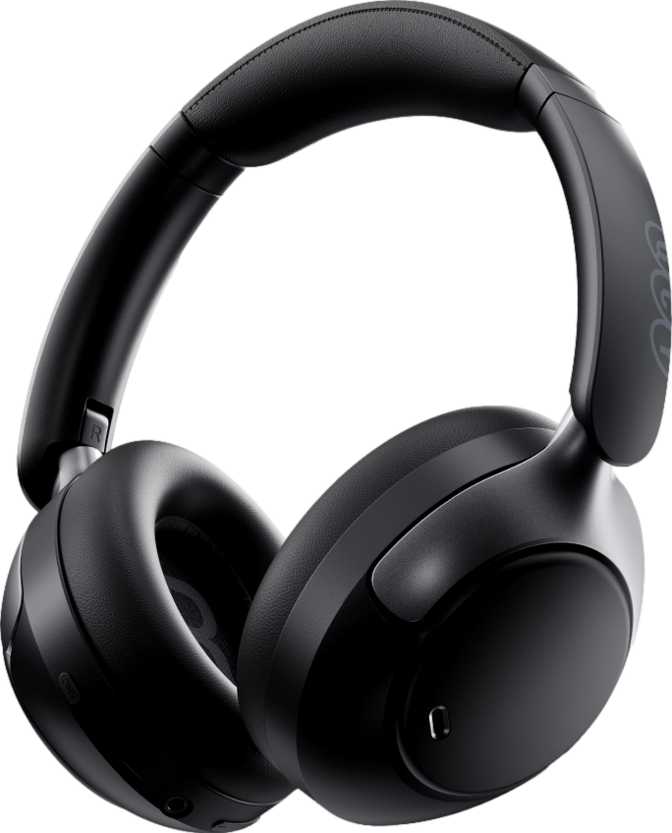
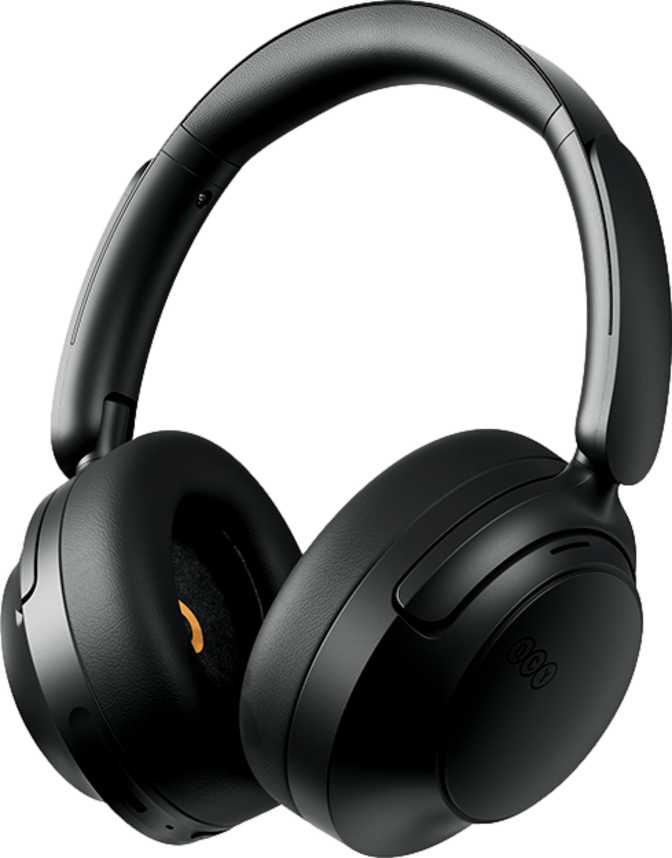
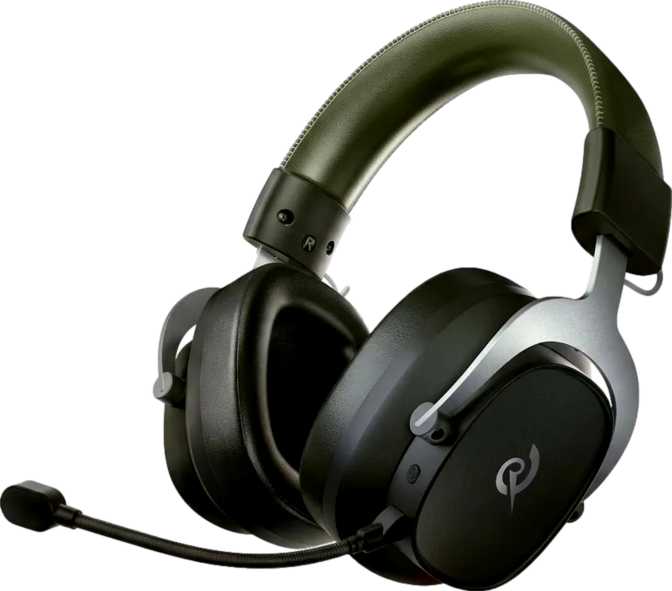
The VT200 is a closed-back, over-ear headset — a choice that immediately signals its gaming-first identity. The closed design cups the ears fully, creating a physical seal that blocks ambient sound passively before a single audio driver fires up. This matters in practice: you are not relying on software wizardry to filter out roommate noise or office chatter. The ear cups do that job mechanically.
The cable situation is handled thoughtfully. The headset ships with a detachable, tangle-free cable, which solves two distinct problems at once. Detachability means a damaged cable is a cheap fix rather than a headset replacement. The tangle-free construction means the cable behaves in your bag and on your desk without coiling into a knot. These feel like small details until the day they matter, and then they matter enormously.
There is no RGB lighting on the VT200. Gamers who want their setup to glow will need to look elsewhere. Those who prefer clean, understated hardware — or who game in shared spaces where a light show is unwelcome — will find this a non-issue or even a plus.
Controls and Ergonomics
Volume, mute, and connection controls sit directly on the ear cup housing rather than on an inline remote along the cable. This placement is standard for over-ear gaming headsets and generally preferable — your hand knows where the cup is, and you are not fumbling along a dangling wire mid-game.
Audio Performance
Driver Size and Sound Profile
The VT200 houses 53mm drivers — a large transducer by any standard. Most mid-range gaming headsets use 40mm drivers, and premium models often reach 50mm. A larger driver surface area moves more air, which typically translates to deeper, more physical low-end reproduction. For gaming specifically, explosion rumbles, footsteps, and cinematic scores all benefit from the additional headroom a bigger driver provides.
The frequency response spans the full audible range, covering everything from the deepest bass a human ear can perceive to the upper limit of human hearing. This confirms the headset is tuned to reproduce the complete audio spectrum — critical for both gaming soundtracks and general multimedia use.
One specification worth addressing directly: the VT200 does not use neodymium magnets in its driver assembly. Neodymium is the gold standard for magnet material in audio drivers because of its high magnetic field strength relative to size, which generally contributes to better transient response and efficiency. The large 53mm diameter partly compensates by raw surface area, but critical listeners should understand this trade-off before purchasing.
Virtual Surround Sound
The headset supports virtual surround sound — a software-processed effect that simulates a multi-speaker environment through a stereo driver pair. In gaming scenarios, directional audio cues like approaching enemy footsteps or distant gunfire become more spatially distinct when this processing is active.
Virtual surround is always a simulation rather than true multi-channel hardware. It enhances spatial awareness in games without transforming the headset into something it is not. Competitive gamers who rely on precise positional audio will appreciate having the option; those who find processed audio fatiguing can leave it disabled.
Passive Noise Isolation
Without active noise cancellation, the VT200 depends on its closed-back ear cup design to attenuate ambient noise. Isolation remains consistent regardless of battery level — there is no active system to fail or introduce processing artifacts. A well-fitted pair of closed ear cups handles steady-state sounds like HVAC hum or traffic effectively, making it reliable in moderately noisy environments.
Microphone
The VT200's microphone is both removable and noise-canceling — a pairing that characterizes purpose-built gaming headsets. The removable design lets you detach the boom arm entirely when listening alone, switching the headset into clean headphone mode without a microphone sticking out awkwardly.
When you need to communicate — in multiplayer sessions, video calls, or content recording — the boom reattaches and the built-in noise-canceling circuitry works to strip keyboard clicks, fan noise, and background chatter from your voice signal.
There is a single microphone capsule handling all of this, which is standard for this category. Multi-microphone setups with beamforming technology are found in higher-tier broadcast-grade headsets. For gaming and calls, one well-implemented noise-canceling microphone is entirely sufficient.
Battery Life and Power
Endurance That Demands Attention
The VT200's battery life is the single most remarkable figure on this headset: 130 hours of wireless operation from a single charge. Most well-regarded wireless gaming headsets offer between 20 and 40 hours. Top-of-market flagships occasionally reach 50 to 70 hours. At 130 hours, the VT200 operates in a tier almost entirely by itself.
Practically, a user who games three hours daily would need to charge the headset approximately once every six weeks. Casual users who game an hour or two most days can realistically reach monthly charging intervals.
Battery Life — Category Comparison
Charging and Indicators
The headset charges via USB-C, the modern universal standard. This eliminates the proprietary cable problem that has plagued gaming peripherals — any USB-C cable you already own works. An integrated battery level indicator provides charge status at a glance without requiring a connected device or companion app.
The battery is rechargeable but not removable. If the cell degrades after years of charge cycles, replacement requires service rather than a DIY swap. This is standard practice across the category and not a meaningful concern for most users.
Connectivity
Three Ways to Connect
The VT200 supports three distinct connection methods: a 2.4GHz wireless dongle, Bluetooth, and a traditional 3.5mm wired connection. This combination is the VT200's second major selling point after its battery life.
| Connection | Best Use Case | Latency Profile | Notes |
|---|---|---|---|
| 2.4GHz Wireless Dongle | PC / PlayStation gaming | Low, consistent | Recommended for gaming |
| Bluetooth 6 | Mobile, casual listening | Moderate | No high-res audio codecs |
| 3.5mm Wired | Any device, battery-dead fallback | Zero latency | Universal compatibility |
Platform Compatibility
Official compatibility covers PC, PlayStation, and Nintendo Switch. The 2.4GHz dongle connects via USB to supported platforms, while the 3.5mm jack extends compatibility further by nature of the universal analog standard. Xbox users should note the absence of explicit Xbox compatibility — while Bluetooth and 3.5mm connections may function, Xbox is not a confirmed supported platform and should be verified before purchasing.
Bluetooth Codec Limitations
Who Should Buy the QCY VT200
- Multi-platform gamers who switch regularly between PC and PlayStation or Nintendo Switch and need one headset that handles all without adapter juggling.
- Casual-to-moderate gamers who forget to charge peripherals and have been burned by a headset dying mid-session. At 130 hours per charge, forgetting to plug in is genuinely hard to turn into a problem.
- Budget-conscious buyers who want wireless gaming audio without paying flagship prices, and are willing to accept some trade-offs in codec support and magnet specification.
- Clean-desk minimalists who want a headset with no RGB lighting that disappears entirely when the microphone is detached.
- Audiophiles and music-first listeners who plan to use this primarily for high-fidelity streaming over Bluetooth. No aptX, LDAC, or AAC means Bluetooth audio quality is capped at a level critical listeners will find limiting.
- Weight-sensitive users who prioritize wearing comfort during extended sessions above all else. The large battery cell required for 130-hour endurance adds measurable mass to the headset.
- Xbox-primary gamers who need confirmed Xbox compatibility with wireless functionality.
- Competitive FPS players demanding the most precise positional audio who would invest in premium neodymium-magnet drivers or dedicated spatial audio hardware.
How It Compares to the Alternatives
The VT200 competes in a crowded space populated by established gaming headset brands and newer value-oriented challengers. Here is how its core positioning stacks up:
| Feature | QCY VT200 | Typical Mid-Range Competitor |
|---|---|---|
| Battery Life | ~130 hours | 20–40 hours |
| Driver Size | 53mm | 40–50mm |
| Connections | 2.4GHz + BT6 + 3.5mm | Usually 2 of 3 |
| Bluetooth Version | 6 | 4.2–5.3 |
| Active Noise Cancellation | No | Rare at this tier |
| High-Res Bluetooth Codecs | No | Rare at this tier |
| Microphone | Removable + noise-canceling | Usually fixed or removable |
| Platform Support | PC, PS, Switch | Varies |
Honest Assessment
Where It Wins
The VT200's greatest strength is its answer to a real frustration. Battery anxiety is a genuine pain point for wireless headset users, and 130 hours addresses it so decisively that it reframes how you think about wireless gaming audio entirely.
The triple connectivity covering three platforms with Bluetooth 6 makes a credible case for being a "buy it once, use it everywhere" solution. The removable microphone is executed correctly — noise-canceling performance and clean detachment are exactly what gaming communication needs.
USB-C charging, battery level indication, and the tangle-free detachable cable are quality-of-life features that compound in value over years of ownership.
Where It Falls Short
The standard magnet technology in the drivers is a genuine specification concession that premium headsets do not make. It has real implications for driver efficiency and transient accuracy that trained ears may detect in direct comparison.
The Bluetooth codec stack lacks any high-quality audio codec support. Anyone who plans to use this as a serious music listening device over wireless will be underwhelmed by the ceiling SBC imposes — the drivers are capable of more than the connection will allow.
The 10-meter Bluetooth range offers no buffer in dense wireless environments, and the battery cell required for 130-hour endurance contributes weight that extended sessions may make noticeable.
Common Questions Before Buying
A Well-Considered Answer to Battery Anxiety
The QCY VT200 is built around a clear priority: keep you wireless for as long as possible, across as many platforms as possible. The 130-hour battery life is not a marketing figure to be discounted — it genuinely changes how you interact with the product on a daily basis.
For PC, PlayStation, and Switch users who want one headset that handles everything without constant charging interruptions, the VT200 earns a confident recommendation. Audiophiles seeking premium wireless audio quality or competitive players demanding the absolute ceiling of positional audio hardware should look at higher-tier alternatives.