Oppo Enco Clip 2: A Full Review of the Open-Ear Clip Earbuds
Wireless EarbudsAt a Glance
Key specifications that define the Oppo Enco Clip 2
What the Oppo Enco Clip 2 Actually Is
Open-ear earbuds occupy a distinct and often misunderstood corner of the wireless audio market. They are not for everyone, and they are not trying to be. The Oppo Enco Clip 2 belongs to a category that prioritizes situational awareness, all-day comfort, and lifestyle flexibility over acoustic isolation.
If you have been frustrated by in-ear buds that feel invasive after an hour, or over-ear headphones that make you oblivious to your surroundings, this is the product category worth your attention — and the Enco Clip 2 is a serious contender within it.
The Core Trade-Off, Stated Plainly
Open-ear earbuds give you awareness of your environment. In exchange, they surrender acoustic isolation. Background noise comes through freely during use. This is a deliberate design decision — not a flaw — but understanding it before purchasing determines whether this product satisfies or disappoints.
Design and Build: Lightweight Clips That Stay Out of Your Way
The Open-Ear Form Factor Explained
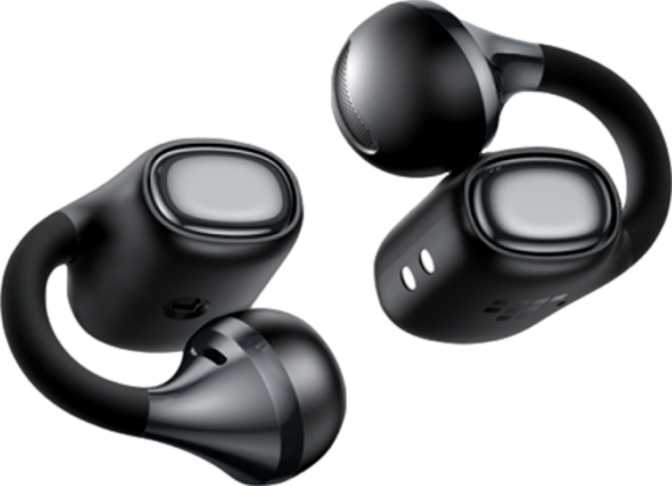
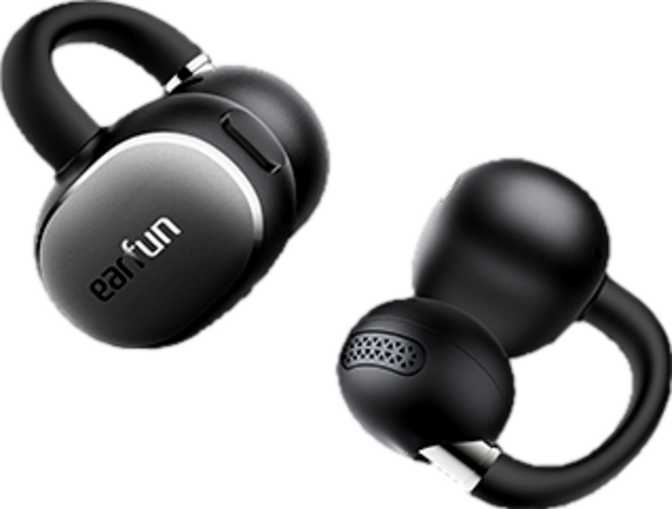
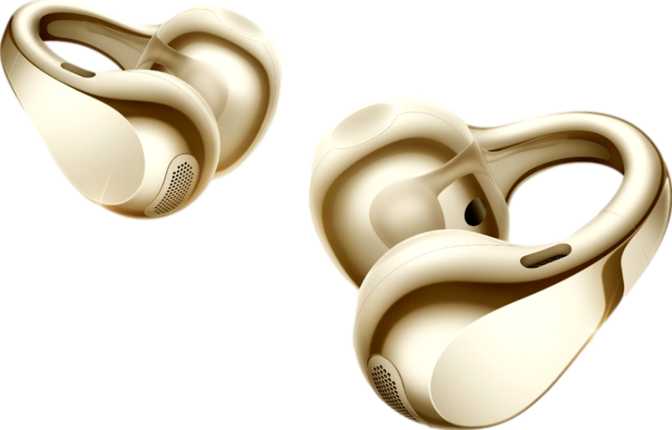
The Enco Clip 2 uses a clip-style, open-ear design — the earbuds rest against the outer ear rather than inserting into the ear canal. No silicone tip, no foam seal, no pressure building over time. For newcomers to this style, it feels slightly unusual at first, but most people adapt within minutes.
There are no wingtips either. The clip mechanism handles retention directly, which simplifies the wearing experience and eliminates the tip-sizing question that plagues in-ear earbud purchases entirely.
Physical Presence and Comfort
At just over ten grams for the pair, the Enco Clip 2 is exceptionally light. For reference, a standard AA battery weighs roughly the same as these earbuds combined. That near-weightlessness enables full-workday wearing, gym sessions, and long walks without the fatigue heavier earbuds accumulate over hours.
The true wireless design means no cables between the earbuds, no neckband on your shoulders, and no wire to catch on clothing during movement. There is no RGB lighting either — these earbuds are visually conservative and appropriate for professional settings, exercise, and public use equally.
Weather and Sweat Resistance
IP55 Protection — What the Numbers Actually Mean
The first digit (5) confirms resistance against dust in real-world environments. The second digit (5) means protection against water jets from any direction — covering rain, heavy sweat, and accidental splashing without concern. More than sufficient for outdoor running, wet-weather commutes, and intense training. Not rated for submersion, but daily active use is fully within scope.
Sound Quality: Open-Ear Audio Done Right
The Driver and Frequency Range
Each earbud houses an 11mm dynamic driver — a generous size for this form factor. Larger drivers, when implemented well, reproduce low frequencies with more body and high frequencies with less strain. The frequency response extends from the lowest threshold of human hearing to well into ultrasonic territory — a range associated with high-resolution audio formats and meaningful performance headroom.
The sound pressure ceiling is high enough that the earbuds can reach genuinely loud volumes while operating comfortably within their envelope at typical listening levels.
The Open-Ear Sound Signature
Open-ear earbuds sound different from sealed designs. Without an acoustic seal, bass response will be lighter than a comparable sealed in-ear bud. Midrange and treble sound open and airy, and the soundstage — the perceived width and spatial positioning in music — often feels more natural, because your ears still receive ambient sound from the environment.
Orchestral music, podcasts, acoustic recordings, and vocals particularly benefit from this open presentation. First-time users arriving from bass-heavy sealed earbuds will need a brief adjustment period.
No ANC — By Design
There is no active noise cancellation here, and no passive noise isolation either. This is expected and correct for the category. Open-ear earbuds are designed to keep you connected to your surroundings — the absence of isolation is the fundamental premise of the form factor.
Commuting on foot, cycling, running outdoors, working in a shared space where you need to hear colleagues — these are the environments the Enco Clip 2 was engineered for. Those requiring deep isolation for concentration should look elsewhere.
Connectivity: Bluetooth 6.1 and Codec Support
The Latest Bluetooth Standard
The Enco Clip 2 runs on Bluetooth 6.1, among the newest versions of the standard available in consumer earbuds. Newer generations bring more stable connections, faster re-pairing after interruptions, and better handling of crowded wireless environments — busy offices, transit systems, and gyms packed with competing signals.
The maximum wireless range reaches 10 meters in open, unobstructed conditions. Through walls or in complex indoor environments, practical range will be somewhat shorter — standard behavior for any Bluetooth device.
Multipoint: Two Devices Simultaneously
The Enco Clip 2 maintains simultaneous connection to two source devices. Stay linked to your laptop and your phone at the same time. Audio from a video call on your computer and an alert from your phone both route through the earbuds without manually switching inputs — a daily convenience that quickly becomes indispensable.
Codec Support Breakdown
The codec determines actual audio quality transmitted between device and earbuds. What the Enco Clip 2 supports — and what it does not.
| Codec | Status | Primary Use |
|---|---|---|
| LDHC (HWA) | Hi-res wireless streaming | |
| AAC | Apple & standard Android | |
| LDAC | Sony ecosystem | |
| aptX / aptX HD | Qualcomm devices | |
| aptX Adaptive | Qualcomm adaptive |
LDHC requires your source device to also support the codec. AAC works natively with iPhones and most Android phones.
Battery Life and Charging
Covers a full workday of continuous listening with time to spare. Most users go multiple days between charges in real-world use.
More than three complete earbud recharges before the case itself needs a cable connection.
Several days of real-world independence for moderate listeners before any cable is needed.
Fast Charging via USB-C
Fast charging is supported and the connection is USB-C — the current universal standard. A complete recharge of the earbuds takes approximately one hour. A brief top-up of fifteen to twenty minutes recovers a meaningful amount of listening time for users running short before heading out.
USB-C means any compatible modern cable works — no proprietary connector required.
No Wireless Charging
The case must be connected via cable to recharge — wireless charging is not available. This is a reasonable omission at this price point, though buyers who have transitioned their entire daily charging routine to wireless pads will feel the absence.
Given the fast cable charge, this limitation rarely creates daily friction — but it is worth knowing before purchase if wireless charging is a priority.
Features Worth Knowing About
Real-Time Translation
A built-in translator facilitates real-time language translation during conversation — via the companion app with an active internet connection. Useful for travelers, international business meetings, and anyone navigating multilingual environments on a regular basis.
Noise-Canceling Mic
The microphone's noise-canceling processing suppresses background sound before it reaches the other party — directly addressing a traditional weakness of open-ear designs in call quality. A meaningful engineering choice for earbuds that will be used outdoors and in public settings.
On-Earbud Controls
Physical controls sit directly on the earbuds. A dedicated mute function silences your microphone during calls without touching your phone. Voice prompts handle pairing, battery status, and connection events — no app check required during active use.
Travel Bag Included
A protective travel bag comes in the box — a practical addition for a clip-style case that does not always pocket as cleanly as smaller pebble-shaped alternatives. It protects the case during transport without adding meaningful bulk.
Real-World Usage: Who This Product Is For
- Want to stay aware of your surroundings while listening — outdoor exercise, cycling, running, or commuting on foot
- Find in-ear buds uncomfortable or fatiguing after more than an hour of continuous wear
- Regularly split audio between a laptop and a phone and need effortless multipoint switching
- Prioritize all-day battery endurance without frequent trips back to the charger
- Travel internationally or work across language barriers where real-time translation has daily practical value
- Need weather-resistant earbuds capable of handling rain, sweat, and active outdoor conditions without worry
- Need active noise cancellation to concentrate in noisy environments — a plane, a crowded café, or an open-plan office
- Primarily listen to bass-heavy music genres and expect sealed, punchy low-end reproduction
- Require LDAC codec support for Sony devices or specific Android hi-res streaming configurations
- Expect wireless charging as a non-negotiable part of your daily routine
- Prefer one-tap NFC or Google Fast Pair instant connection during first-time device setup
How It Stands Against the Competition
The clip-style open-ear earbud category has grown significantly, with products from multiple major brands competing for this audience. Here is how the Enco Clip 2's specification profile compares to what you typically encounter at similar price tiers.
| Feature | Oppo Enco Clip 2 | Typical Open-Ear Competitors |
|---|---|---|
| Bluetooth Version | 6.1 — Current-Gen | Often 5.2 or 5.3 |
| Earbud Battery Life | ~9.5 hours | Typically 5–8 hours |
| Total Battery (with case) | ~30.5 hours | Typically 20–28 hours |
| Hi-Res Wireless Codec | LDHC Supported | Rarely included at this tier |
| Multipoint Connection | Common, but not universal | |
| Real-Time Translator | Rare at this price range | |
| IP Rating | IP55 | Often IP54 or lower |
| Charging | USB-C + Fast Charge | USB-C standard, fast charge varies |
| Wireless Charging | Occasionally available |
Competitor comparison reflects typical specifications found at a similar price tier. Individual competing models may vary.
Honest Assessment: Strengths and Weaknesses
Where It Excels
The Enco Clip 2 builds its case through disciplined engineering rather than spec-sheet excess. The battery combination — nearly ten hours per charge with another three-plus cycles in the case — puts it ahead of most direct competitors in the open-ear segment. This endurance alone makes a compelling argument.
Bluetooth 6.1 ensures this product is not behind the curve the moment you open the box. At a time when most open-ear alternatives still ship with older Bluetooth versions, the current-generation standard future-proofs the connectivity for the product's useful life.
LDHC support represents genuine added value for listeners who can take advantage of it — uncommon at this price tier. And the real-time translation feature, while irrelevant to many buyers, is exactly the kind of audience-specific inclusion that directly serves the product's intended mobile and travel use case.
Where It Asks for Patience
The most significant expectation gap is in bass reproduction. Users arriving from sealed in-ear buds with deep, reinforced low-end will need a genuine adjustment period. The lighter bass is a category characteristic of open-ear audio — not an engineering failure — but it is the leading cause of buyer disappointment when this distinction is not understood before purchase.
The absence of wireless charging is a legitimate gap for buyers who have moved their daily charging entirely to wireless pads. Competing products at similar price points occasionally include this feature, making its absence a conscious trade-off rather than an oversight.
No fast pairing — Google Fast Pair or equivalent — means first-time connection is a manual Bluetooth process. This adds seconds, not minutes, and becomes irrelevant after setup. Buyers accustomed to instant one-tap pairing will notice it exactly once.
Questions Real Buyers Ask Before Purchasing
Final Verdict
The Oppo Enco Clip 2 is a well-considered product for a specific listener. It does not try to compete with sealed ANC earbuds on noise cancellation, and it does not pretend the open-ear format is universally ideal. Instead, it commits fully to the open-ear use case and executes it with meaningful advantages where they matter most.
The battery endurance — nearly ten hours per charge, forty hours total with the case — separates it from much of the competition in the category. Bluetooth 6.1 and LDHC support mean this product is technically current. Practical features like dual-device multipoint, a noise-canceling microphone, and real-time translation serve the intended mobile and outdoor audience directly.
Wireless charging and fast pairing are absent, and the bass presentation is inherently lighter than sealed designs. These are trade-offs worth knowing — not flaws worth rejecting.
Our Recommendation
For someone who wants to stay present in their environment while enjoying music, podcasts, or calls throughout the day — and who values wire-free, lightweight, weather-resistant audio that lasts the full day and beyond — the Enco Clip 2 earns a confident recommendation. If noise cancellation is a priority, look elsewhere. If open-ear listening fits your life, this belongs on your shortlist.
Editorial Ratings
Based on specification analysis and editorial assessment of the open-ear category