Realme Neo8 Review: When a Slim Phone Refuses to Compromise
SmartphonesMost phones at any given price tier make obvious trade-offs — a great screen with mediocre battery, or a powerful chip inside an uninspiring body. The Realme Neo8 is a different kind of proposition. It arrives with a flagship-tier processor, an enormous battery, a display that rivals panels found on far more expensive devices, and IP69 waterproofing serious enough to withstand pressurized water jets — all packed into a frame that is genuinely slim for what it carries. Whether that promise holds up under scrutiny is exactly what this review answers.
Design & Build Quality
Physical profile, build materials, and what IP69 waterproofing actually means for daily use
Physical Profile
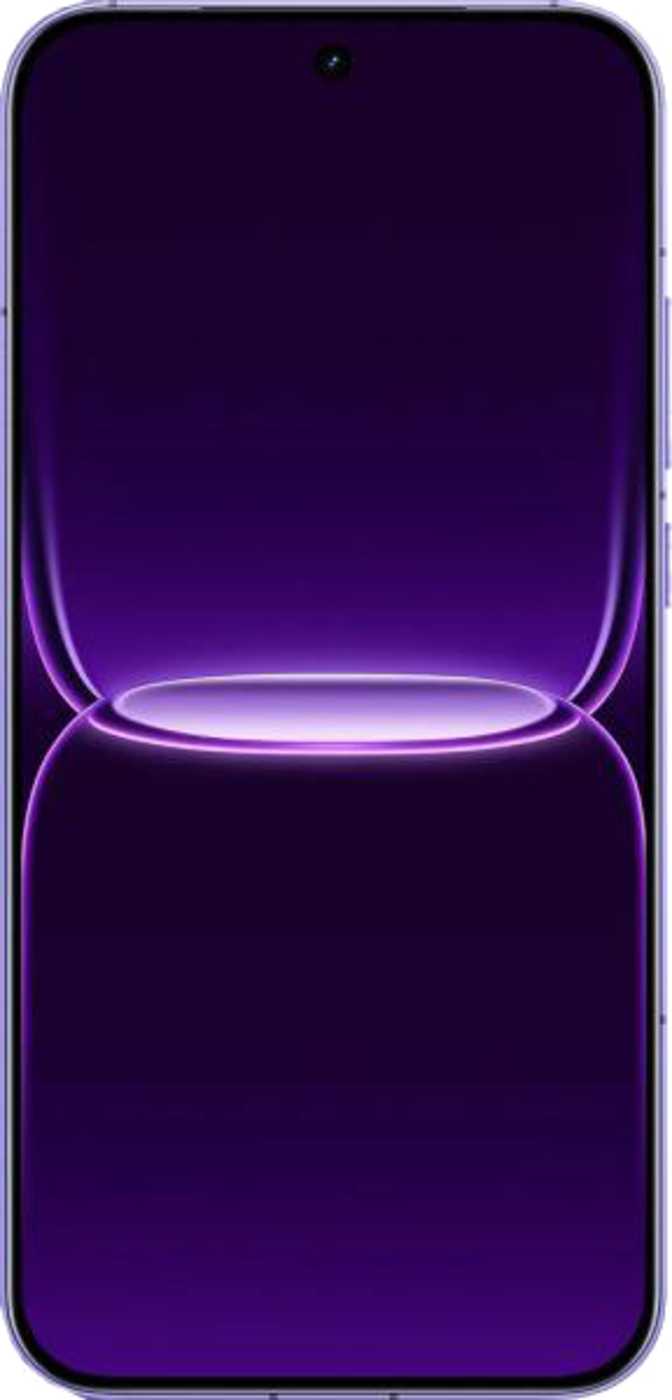
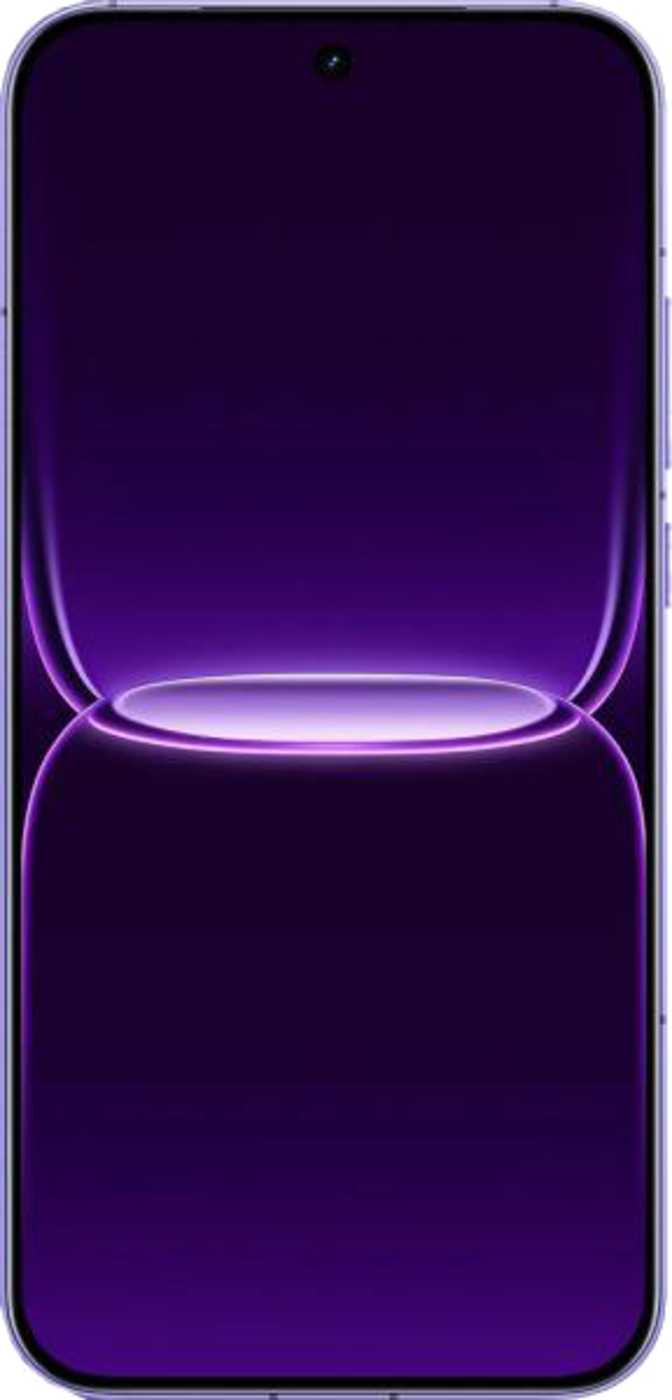
At 8.3mm thick and 215 grams, the Realme Neo8 sits in an interesting physical position. It is not featherweight — 215g is a noticeable presence in a pocket — but for a phone carrying a battery as large as this one, that weight reflects engineering honesty rather than poor design. The slim profile means it slides into a jeans pocket without the awkward bulk that plagued earlier large-battery phones.
The 162mm height and 77.1mm width place this firmly in large-phone territory. Single-handed use will require adjustment for most people, and those with smaller hands will want to spend time with it before committing. The flat display — no curved edges — is a practical win: edge gestures do not misfire, and screen protectors fit properly.
At a Glance
- Thickness
- 8.3mm
- Weight
- 215g
- Height × Width
- 162 × 77.1mm
- Water Rating
- IP69
- Depth Certified
- 2 metres
- Display Shape
- Flat (not curved)
- Screen Glass
- Damage-resistant branded
IP69: What This Actually Means
Most water-resistant phones carry IP67 or IP68 ratings, which primarily test submersion in still water. IP69 adds resistance to high-pressure, high-temperature water jets — the kind used in industrial cleaning environments. At a certified depth of 2 metres, the Neo8 also handles submersion, meaning it covers both scenarios: accidental drops in water and exposure to heavy rain, splashes, or spray.
This is not a rugged phone in the traditional sense — it lacks reinforced corners or military-grade drop certifications — but its water protection exceeds what most flagship competitors offer at similar price points. For outdoor users, travelers, or anyone who simply wants peace of mind around water, this rating is a genuine differentiator.
Display: A Panel That Sets the Bar
6.78-inch OLED · 165Hz refresh · 450ppi · HDR10+ · Dolby Vision · Always-On Display
Print-quality sharpness indistinguishable from physical text at normal reading distance
Noticeably smoother scrolling and gaming than 90Hz or 120Hz panels — closer to real motion
Near-zero touch lag — the screen tracks finger position with precision that matters most in fast games
Sufficient for comfortable all-condition use in direct sunlight without squinting
Dolby Vision
All three major HDR formats — Netflix, Prime, and YouTube content displays as filmmakers intended
Time, notifications, and battery visible without fully waking the screen — a small convenience that compounds
Why OLED matters here: On an OLED panel, HDR content looks genuinely different — blacks are absolute because each pixel switches off completely, and highlights carry depth that LCD screens cannot replicate. The Neo8's panel does full justice to premium streaming content in a way mid-range LCD phones simply cannot.
Performance: Snapdragon 8 Gen 5
3nm flagship processor · 16GB LPDDR5 RAM · 1TB storage · Adreno 840 GPU
The Processor in Context
The Snapdragon 8 Gen 5 is Qualcomm's flagship mobile processor, built on a 3-nanometer manufacturing process. The 3nm node is significant because it refers to the size of the transistors on the chip — smaller transistors mean more computational power without generating proportionally more heat or consuming more power. This translates directly to a phone that handles demanding tasks while running cooler and more efficiently than previous generations.
The processor splits its eight cores into two groups: two high-performance cores running at up to 3.8GHz for demanding tasks, and six efficiency cores at 3.32GHz for everyday operations. This big.LITTLE architecture intelligently routes tasks — screen-off notifications handled by efficient cores, launching a demanding game handed off to the performance cores. The result is better battery management without sacrificing responsiveness.
Memory: Speed and Capacity
Sixteen gigabytes of DDR5 RAM operating at 4,800MHz eliminates memory as a limiting factor for virtually any current use case. Apps stay open and ready to resume even after extended multitasking sessions. With a memory bandwidth of 84.8GB/s, data moves between RAM and processor fast enough to keep pace with the Snapdragon's full throughput.
One terabyte of internal storage handles massive game installs, extensive photo libraries, and offline media without requiring careful management. There is no microSD slot, but a terabyte is enough that the absence of expandability will not be felt by virtually any user.
Geekbench 6 Scores
Industry-standard CPU benchmark
Individual task speed — app launches, UI animations, daily operations
Concurrent workloads — video editing while downloading, split-screen multitasking
Key Hardware Specs
| Configuration | |
|---|---|
| Chipset | Snapdragon 8 Gen 5 |
| Process Node | 3nm |
| RAM | 16GB LPDDR5 @ 4,800MHz |
| Storage | 1TB (non-expandable) |
| GPU | Adreno 840 @ 1,200MHz |
| Core Config | 2× 3.8GHz + 6× 3.32GHz |
| Mem. Bandwidth | 84.8 GB/s |
Camera System: Three Lenses, One Versatile Setup
50MP main with OIS · 3.5× optical zoom · 4K/60fps video · RAW capture · Manual controls
| Camera | Resolution | Aperture | Role |
|---|---|---|---|
| Primary | 50MP | f/1.8 | Main everyday shooter — wide aperture excels in low light |
| Telephoto | 50MP | f/2.8 | 3.5× optical zoom for portraits and distance shots |
| Ultra-wide | 8MP | f/2.2 | Wide environmental and group shots |
Low Light and the f/1.8 Aperture
The primary camera's f/1.8 aperture is the most important number for low-light photography. A wider aperture (lower f-number) allows more light to reach the sensor — in practical terms, this means cleaner, sharper images in dim restaurants, evening streets, and indoor events without relying entirely on computational processing. Optical Image Stabilization (OIS) complements this by physically counteracting the micro-movements your hand makes during a shot, reducing blur in low-light exposures.
Optical Zoom: Why It Matters
The 3.5× optical zoom uses actual glass optics to bring subjects closer, rather than cropping and enlarging the main sensor digitally. Zoom shots retain genuine detail that holds up at full size. The focal range — 16mm wide to 80mm telephoto — covers the most-used real-world shooting scenarios from environmental shots to close-up portraits.
Video Capabilities
The rear camera records at 4K resolution at 60 frames per second — sharp enough for professional use, smooth enough to capture the motion detail that 60fps delivers over standard 30fps. Continuous autofocus during recording keeps subjects sharp as they move through the frame. Slow-motion video recording and timelapse are both supported.
Manual Controls and RAW Capture
Manual ISO, shutter speed, white balance, and focus override give experienced shooters override control typically associated with dedicated camera apps on more expensive devices. RAW file capture is also supported for those who prefer to process images in Lightroom or similar tools.
The 16MP front camera (f/2.4) delivers selfies and video calls with enough resolution to hold up after cropping. Phase-detection autofocus applies to stills. Single-lens only — no dual front camera setup.
Battery Life: The Number That Changes Everything
8,000mAh capacity · 80W wired fast charging · Charger included in box
Capacity and Real-World Endurance
The 8,000mAh battery is exceptionally large for a phone this slim. On a modern efficient chipset like the Snapdragon 8 Gen 5, this capacity realistically carries most people through two full days of mixed use — and potentially more for lighter users.
The 3nm efficiency of the Snapdragon 8 Gen 5 plays a critical role here. A large battery on an inefficient processor is a flawed formula; the real advantage comes when high capacity is paired with a processor that does not drain it aggressively. Heavy users who stream, game, and navigate throughout the day are unlikely to reach for a charger before bedtime. Moderate users can realistically expect to charge every other day.
80W Wired Charging
The included 80W charger can restore a meaningful portion of battery quickly — expect the phone to go from nearly empty to usable in around 30 minutes, and to reach full charge within roughly 60 to 90 minutes. The charger being included in the box removes a common additional cost that many rivals impose.
The Neo8 supports neither Qi wireless charging nor reverse wireless charging. Users who have built charging habits around a bedside pad will feel this absence. The trade-off enables the slim 8.3mm profile — but it is a real trade-off worth knowing upfront.
Software: Android 16 and Realme's Additions
Latest Android with privacy controls, productivity features, and Realme's customisation layer
The Neo8 ships with Android 16, the most current version of Google's mobile operating system. This matters for two reasons: security patch currency and feature availability. Android 16 brings the latest privacy controls, including granular app tracking management, clipboard access warnings, and camera/microphone permission controls — all present on the Neo8.
Realme's software layer adds theme customization, dynamic theming, and a comprehensive Always-On Display implementation. Split-screen multitasking, Picture-in-Picture mode, full-page screenshots, and widget support are all present and functional. Offline voice recognition means voice commands work without an internet connection — a useful feature when connectivity is poor.
The Neo8 does not receive OS updates directly from Google — updates are channeled through Realme's software team, which can introduce delays compared to Pixel or Android One devices. Buyers who prioritize prompt OS updates should factor this into their decision.
- Android 16
- Always-On Display
- Dark mode
- Split-screen multitasking
- Picture-in-Picture (PiP)
- Full-page screenshots
- Offline voice recognition
- Dynamic theming
- App tracking controls
- Multi-user support
- Delayed OS updates via Realme
Connectivity & Audio
Wi-Fi 7 · Bluetooth 6 · 5G · NFC · Infrared · Stereo speakers · LDAC — and the USB 2.0 limitation
Wireless Standards
Wi-Fi 7 (802.11be) is the current leading Wi-Fi standard, supporting faster throughput, lower latency, and better performance in congested network environments compared to Wi-Fi 6. The Neo8 supports it alongside full backward compatibility, making it future-ready for Wi-Fi 7 infrastructure as it expands.
Bluetooth 6 brings improved connection stability, lower power consumption, and enhanced audio streaming. The Neo8 supports LDAC, aptX HD, and aptX — three of the four major high-resolution wireless audio codecs. Pairing with compatible headphones delivers near-lossless audio quality. Notably, aptX Adaptive and aptX Lossless are absent, which is a minor gap for the most demanding audiophiles.
NFC enables contactless payments and transit card functionality. The infrared blaster allows the phone to function as a universal remote for TVs, air conditioners, and other IR-controlled appliances — a feature that has quietly disappeared from most Western flagships but remains genuinely useful day-to-day.
The USB-C port operates at USB 2.0 speeds, meaning wired data transfers are capped at around 480Mbps and there is no video output via USB-C. For a phone built around 2025's fastest mobile processor and 1TB of storage, this is a dated limitation. Fast file transfers to a computer and connecting to an external display are both off the table.
Audio
The stereo speaker setup delivers sound from two directions, creating a wider soundstage than single-speaker configurations — noticeably better for media and hands-free calls. The absence of a 3.5mm headphone jack means wired headphone users need a USB-C adapter or a transition to Bluetooth.
| Feature | Specification | Assessment |
|---|---|---|
| Wi-Fi | Wi-Fi 7 (802.11be) | Excellent |
| Bluetooth | Bluetooth 6 | Excellent |
| Mobile Network | 5G | Future-ready |
| NFC | Yes | Present |
| Infrared | Yes (IR blaster) | Bonus feature |
| SIM | Dual SIM | Flexible |
| USB | Type-C, USB 2.0 | Weak point |
| Headphone Jack | None | Missing |
Who This Phone Is For
Honest guidance on fit matters as much as any feature list before spending money
- Heavy daily users and travelersTwo-day battery life means fewer panics about finding a charger during long travel days or packed schedules.
- Outdoor and active usersIP69 provides meaningful water resistance without needing the bulk of a dedicated rugged phone.
- Mobile gamersFlagship processor, 165Hz display, and 300Hz touch sampling in a single package capable of sustaining high frame rates.
- Photography enthusiastsOptical zoom, OIS, RAW capture, and manual controls without the premium flagship price tag.
- Power users with large media librariesA terabyte of storage removes the need to manage space — install everything and never delete anything.
- Prefer a compact phoneAt 162mm tall and 77.1mm wide, single-handed reach is a genuine challenge. Smaller hands will struggle with this device daily.
- Rely on wireless chargingThere is absolutely no Qi wireless charging. Upgrading from a phone with a bedside pad means adapting your habits entirely.
- Transfer large files via cable regularlyUSB 2.0 makes moving a large video library to a computer painfully slow — a real limitation at this hardware tier.
- Need a wired headphone jackNo 3.5mm socket. Wired headphone users need a USB-C adapter or must transition to Bluetooth audio entirely.
- Prioritize fast OS updatesRealme's update pipeline introduces delays vs direct Android manufacturers. Security-conscious buyers should weigh this carefully.
Competitive Positioning
How the Neo8 stacks up against typical alternatives in the same performance and price tier
| Feature | Realme Neo8 | Performance-Focused Rival | Camera-Focused Rival |
|---|---|---|---|
| Processor Tier | Snapdragon 8 Gen 5 | Equivalent flagship | Mid-range or previous gen |
| Battery Capacity | 8,000mAh | 4,500–5,000mAh | 4,500–5,000mAh |
| Water Protection | IP69 | IP68 typical | IP67 or none |
| Display Refresh | 165Hz OLED | 120Hz OLED | 90–120Hz OLED |
| Base Storage | 1TB | 256–512GB typical | 256GB typical |
| Wireless Charging | No | Often yes | Often yes |
| USB Version | USB 2.0 | USB 3.2 or higher | USB 3.1 or higher |
| Wi-Fi Standard | Wi-Fi 7 | Wi-Fi 7 or 6E | Wi-Fi 6 typical |
Competitor specifications represent typical alternatives in the same performance and price tier — specific models vary by market and timing.
Honest Assessment
Where the Realme Neo8 genuinely excels, and where it falls short
The Neo8's most compelling quality is the absence of the typical compromise. Phones with large batteries tend to be thick and heavy — the Neo8 is neither. Phones with flagship processors at this price tend to cut display quality or camera capability — the Neo8 does neither. IP69 certification is usually reserved for phones that charge a premium for it as a differentiating feature. Here, it is simply part of the package.
The Snapdragon 8 Gen 5 with 16GB of RAM and a terabyte of storage represents a performance configuration that will remain current for years. This is not a phone that will feel slow in three years — the hardware headroom is substantial. Add a 165Hz Dolby Vision OLED panel, Wi-Fi 7, and Bluetooth 6, and the value proposition is difficult to argue with at this price tier.
USB 2.0 is not a spec you expect on a phone built around 2025's fastest mobile processor. It suggests a cost decision was made somewhere in the component selection, and that decision surfaces every time you need to move large files quickly over a cable. The absence of wireless charging is a deliberate trade-off — coherent given the battery size and slim profile — but it will matter to buyers who use Qi charging daily and have no intention of changing that habit.
The camera system is capable and versatile, but buyers expecting to compare it to the computational photography prowess of Google Pixel or Apple iPhone systems at the same tier should approach with calibrated expectations. The hardware is strong; the processing pipeline is Realme's own, and while capable, it lacks the years of iterative tuning that the top dedicated camera phones have accumulated.
Common Questions Before Buying
Answers to what buyers search for most before purchasing the Realme Neo8
Final Verdict
The Realme Neo8 is a phone for people who want flagship performance and two-day battery life in a slim body, and who are willing to accept that wireless charging and fast wired data transfer are not part of the deal. That is a trade-off a large number of buyers will happily make.
The combination of Snapdragon 8 Gen 5, IP69 waterproofing, a 165Hz Dolby Vision OLED display, and an 8,000mAh battery with 80W charging in an 8.3mm frame is a hardware achievement that punches above the price point this phone occupies. Add 1TB of storage and Wi-Fi 7 connectivity, and the Neo8 reads as the kind of phone that makes you question what you would actually be paying for by spending more.
- Power users and heavy daily users
- Outdoor and active lifestyles
- Mobile gamers
- Frequent travelers
- Heavy media consumers
- Wireless charging is non-negotiable
- You regularly transfer large files via cable
- You need a compact one-handed form factor
- Fast OS updates are a hard requirement
A hardware package that earns its price.
Strong performance, exceptional battery life, serious water resistance, and a premium display — with USB 2.0 speed and no wireless charging as the principal trade-offs.