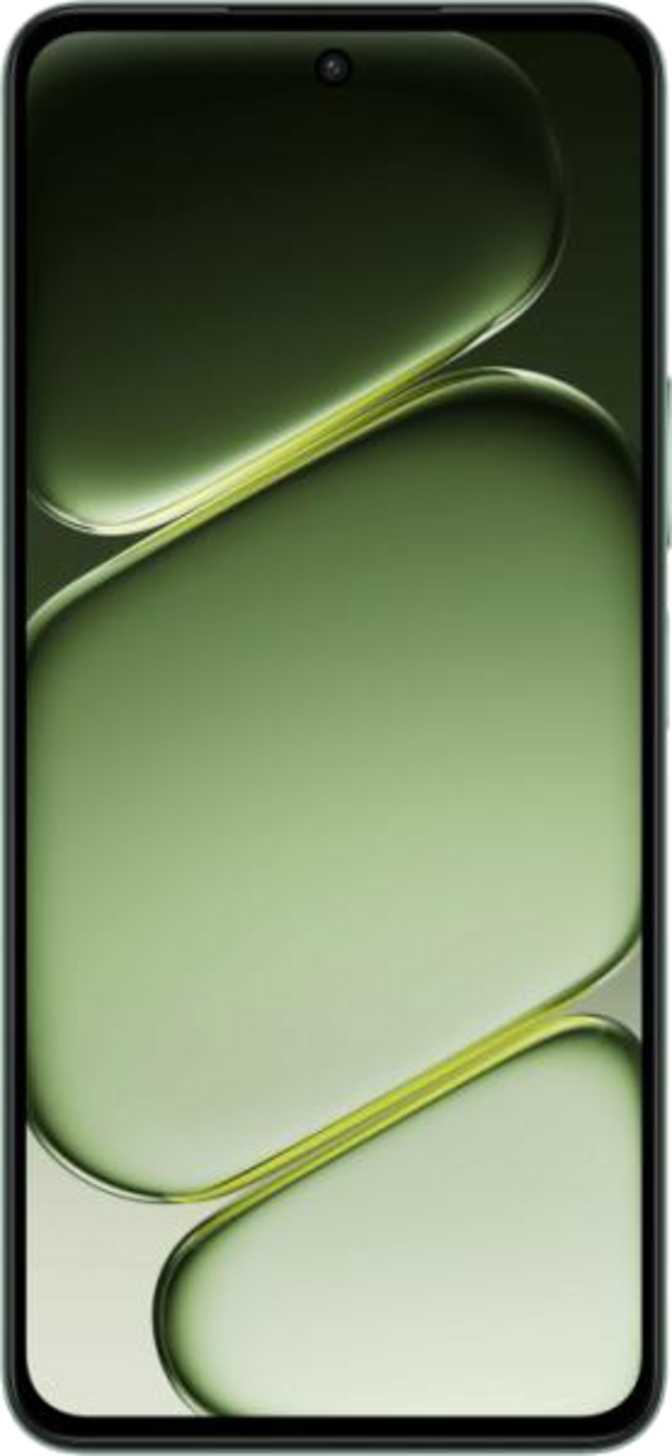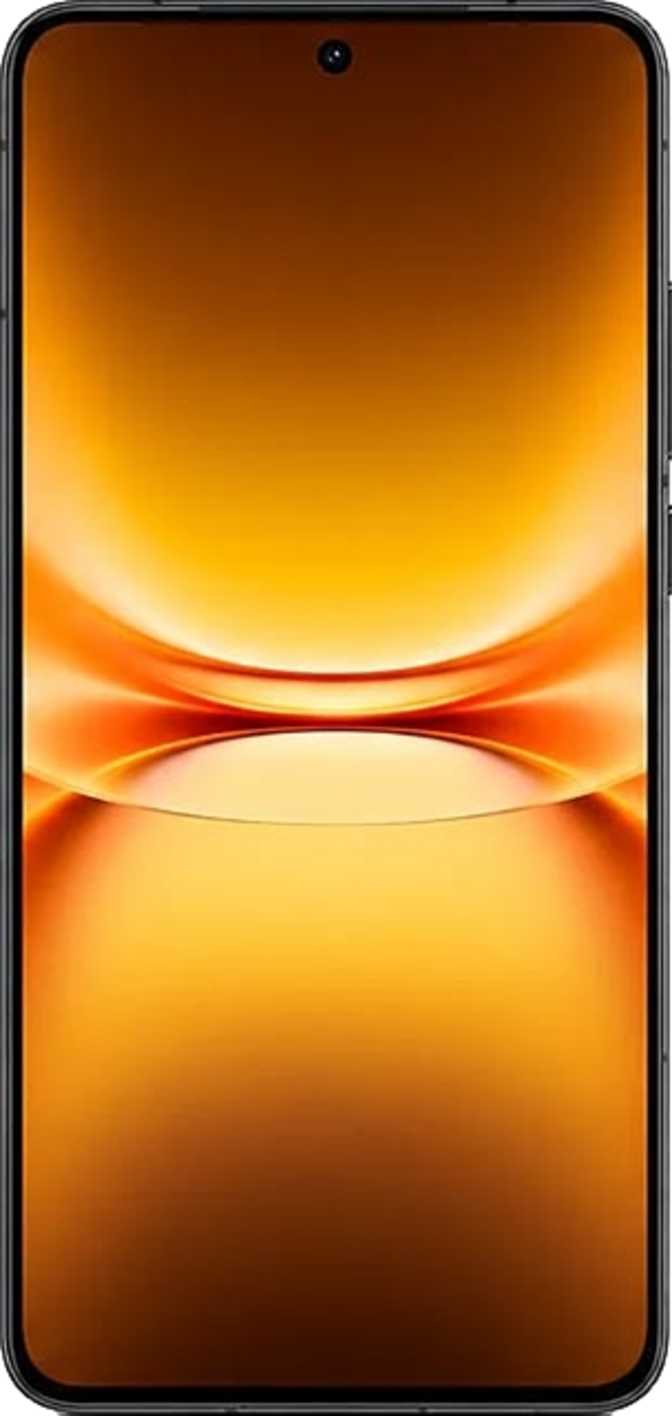
OnePlus 15T Full Review: Compact Flagship, Enormous Battery
SmartphonesEditor's Rating
Score by Category
Key Highlights
- 7,500 mAh — roughly 50% more capacity than flagship average
- 100W wired and 50W wireless charging in one device
- IP69 certified — exceeds IP68 with high-pressure resistance
- Snapdragon 8 Elite Gen 5 — top of the Android performance chart
OnePlus has always played a particular game: flagship performance at a price that makes the competition sweat. The OnePlus 15T continues that tradition, but this time the company has raised its own bar in ways that deserve serious attention. This is not a phone that pads its spec sheet with numbers nobody needs. The 15T is built around a small number of genuinely ambitious choices — a battery that borders on unreasonable in the best way, a processor that belongs at the top of any chart, and a display that punches well above its physical footprint. Whether those choices align with what you actually need is what this review is here to settle.
Design and Build: Compact Without Compromise
At 150.6mm tall and 71.8mm wide, the OnePlus 15T belongs to a shrinking category: flagship phones you can actually use with one hand without performing yoga. Its 8.4mm profile sits comfortably in the hand, and at 194 grams, it has enough weight to feel substantial without becoming fatiguing during long sessions. This is a phone that disappears into a jeans pocket — a detail that sounds trivial until you have spent a week with a 220-gram slab.
The build is flat-faced — no curved display edges — which translates directly to better screen protector compatibility and fewer accidental swipe inputs near the corners. Enthusiasts who have grown tired of edge-to-edge curvature will appreciate this decision.
What you will not find here is a curved display, a stylus, or a rugged-certified exoskeleton. The 15T is a sleek, mainstream flagship, not a field device. If you need MIL-STD-810 certification or a built-in stylus, look elsewhere.
Display: Small Screen, Serious Credentials
Size, Resolution, and Sharpness
The 6.32-inch OLED panel is the smallest screen in the current flagship conversation, and that is a deliberate choice worth understanding. At 460 pixels per inch, text is razor-sharp, icons have clean edges, and images show no individual pixels at any normal viewing distance. Most flagship phones settle in the 390–420 ppi range. The 15T's pixel density is a direct consequence of packing a high resolution — 1,216 by 2,640 pixels — into a more compact frame.
Refresh Rate and Motion
The display runs at up to 165Hz, placing it above the 144Hz ceiling most gaming-focused phones advertise. Scrolling through content and navigating menus feels nearly indistinguishable from paper. The difference between 120Hz and 165Hz, while subtle, is perceptible in side-by-side use. The panel supports adaptive refresh, dropping to lower rates during static content to preserve battery life.
HDR and Color Accuracy
Support for Dolby Vision, HDR10, and HDR10+ covers every major streaming format. Dolby Vision is particularly relevant for Netflix and Apple TV+ content, where per-scene metadata produces noticeably richer contrast than standard HDR. The Always-On Display feature keeps time, notifications, and widgets visible without waking the full panel. At 800 nits of typical brightness, the panel covers indoor and moderately lit outdoor use well.
Performance: The Engine Under the Hood
Chipset and Raw Speed
The OnePlus 15T is powered by the Qualcomm Snapdragon 8 Elite Gen 5, built on a 3-nanometre manufacturing process. Smaller transistors mean more computing power within the same physical space while generating less heat and drawing less current — the three things that matter most in a sustained workload. The CPU pairs two high-performance cores running at 4.6GHz with six efficiency cores at 3.62GHz, intelligently assigning demanding tasks to the power cores while routine operations run on the efficiency cores. For everyday users, this translates simply: nothing slows this phone down.
AnTuTu Score
GB6 Single-Core
GB6 Multi-Core
Memory and Storage
16GB of LPDDR5X RAM operating at 5,300 MHz ensures that benchmark results are not throttled by memory bandwidth. With 85.1 GB/s of maximum memory bandwidth, the chipset and RAM communicate at speeds that prevent the bottleneck that limits otherwise capable processors in competing devices. The 1TB of internal storage is the maximum configuration — no microSD slot is provided. For most users, 1TB covers tens of thousands of photos, hundreds of 4K videos, and years of offline content without storage anxiety.
GPU and Gaming
The Adreno 830 GPU, clocked at 1,200 MHz, supports DirectX 12 and handles the graphically intensive workloads that have become the benchmark for serious Android gaming. The 15T can download and install games in the background while actively running another game — a feature that reduces friction for players managing large libraries.
Camera System: Two 50-Megapixel Lenses
Main and Telephoto
The 15T's rear camera system uses two 50-megapixel sensors — a wide-angle primary and a dedicated telephoto. This dual-50MP arrangement is notable because telephoto cameras in many competing phones use lower-resolution sensors (typically 10–12MP) to cut costs. Using a 50MP telephoto means more detail retention when cropping, cleaner intermediate zoom levels, and better low-light performance at range.
The primary lens covers an equivalent 24mm focal length with an f/1.8 aperture for strong light gathering in dim conditions. The telephoto extends to 85mm (equivalent), corresponding to 3.5x optical zoom. Both lenses use back-side illuminated CMOS sensors. Optical image stabilisation and phase-detection autofocus handle shake and fast-moving subjects. Manual controls include adjustable ISO, exposure compensation, white balance, and manual focus — though shutter speed control is absent from the manual mode.
Video Capabilities
The main camera records at up to 8K resolution at 30 frames per second — a capability only a handful of Android flagships match. For most users 4K will be the practical daily ceiling, but 8K future-proofs the device for high-resolution workflows. What is absent is Dolby Vision video recording and HDR10 video capture — a meaningful gap for videographers who want professional colour metadata baked in at the recording stage.
Front Camera
The 16-megapixel front camera sits in a punch-hole cutout behind an f/2.4 aperture — a single-lens setup that keeps sensor quality higher than current under-display solutions. No front-facing flash is present, so low-light selfies depend on screen illumination or available room lighting.
| Feature | Rear Camera | Front Camera |
|---|---|---|
| Resolution | 50MP + 50MP (dual) | 16MP |
| Aperture | f/1.8 wide / f/2.8 telephoto | f/2.4 |
| Optical Zoom | 3.5x | — |
| Optical Stabilisation | Yes | — |
| Phase-Detection AF | Yes | — |
| Maximum Video | 8K / 30 fps | — |
| Slow-Motion | Yes | — |
| Manual Controls | ISO, Exposure, WB, Focus | — |
| Dolby Vision Recording | No | — |
| HDR10 Recording | No | — |
Battery and Charging: Where the OnePlus 15T Makes a Statement
The 7,500 mAh battery is genuinely large — most flagship Android phones operate in the 5,000–5,500 mAh range. The 15T carries roughly 50% more capacity than that norm. Users who currently get one full day from a standard flagship should expect considerably more. Heavy users — those who game, stream video, and run navigation for several hours daily — should comfortably reach two days between charges. Light-to-moderate users may find themselves charging every other day as a matter of preference, not necessity.
The 100-watt wired charging refills the battery at a speed that most users will find transformative — from critically low to fully usable in the time it takes to drink a coffee. The 50-watt wireless charging sits far beyond the 15–25-watt speeds most premium phones offer.
Reverse wireless charging is not supported. The battery is non-removable, which is standard practice at this tier. A built-in battery health monitoring tool lets you track degradation over time and set charge limits to extend long-term cell health.
Connectivity: Current-Generation Across the Board
Wireless Networking
- Wi-Fi 7 — ready for next-gen routers
- Backward compatible with Wi-Fi 5 and Wi-Fi 6
- 5G with up to 10,000 Mbps peak download
- Bluetooth 6 — latest available standard
- aptX Adaptive — dynamic quality wireless audio
- No LDAC — verify headphone compatibility first
SIM, NFC and USB
- Dual nano-SIM plus eSIM — three profiles
- NFC for contactless payments and pairing
- USB-C port for charging and data transfer
- USB 2.0 only — slower than rivals at USB 3.2
- No HDMI — cannot drive an external display
- No 3.5mm jack — USB-C adapter or wireless only
Sensors and Location
- GPS + Galileo multi-network positioning
- Gyroscope, accelerometer, and compass
- Fingerprint scanner
- No barometer or infrared sensor
- No satellite emergency SOS
- No crash detection capability
Software: Android 16 with OxygenOS
The OnePlus 15T ships with Android 16, bringing stronger privacy architecture and refined system behaviours. OxygenOS adds a full theme engine with dynamic colour theming, customisable notifications, split-screen multitasking, Picture-in-Picture, and an Always-On Display mode. On-device machine learning handles voice recognition and AI features without sending data to the cloud — a meaningful privacy benefit for voice command users.
Privacy Controls
- Clipboard access warnings
- Camera and microphone access management
- Location privacy options and controls
- App tracking restrictions
- Offline voice recognition — no cloud dependency
- No native cross-site tracking blocking
Productivity and Usability
- Split-screen multitasking
- Picture-in-Picture mode
- Play games while still downloading
- Multi-user support for shared devices
- Full-page scrolling screenshots
- Dynamic theming and deep customisation
Who Should Buy the OnePlus 15T
Match your priorities to the right device before committing.
- Want maximum battery endurance and are tired of managing daily charging anxiety
- Need top-tier processing power for gaming, content creation, or intensive multitasking
- Value strong water resistance beyond what most flagship phones offer
- Prefer a smaller, one-hand-friendly flagship without sacrificing performance
- Want fast wireless charging without paying for a competing flagship's ecosystem lock-in
- Rely on LDAC-compatible wireless headphones and will not adapt your audio setup
- Require satellite emergency SOS for off-grid or remote-area travel
- Need USB 3.2 or higher for fast wired file transfers or external display output
- Need Dolby Vision video recording for professional content workflows
- Prioritise direct Google OS updates with the fastest possible security patch delivery
How the OnePlus 15T Compares
Benchmarked against representative competitors in the same price segment. Rival models are kept generic to ensure this comparison remains accurate over time.
| Feature | OnePlus 15T | Typical Flagship A | Typical Flagship B |
|---|---|---|---|
| Battery Capacity | 7,500 mAh | ~5,000 mAh | ~5,500 mAh |
| Wired Charging | 100W | 45–67W | 25–30W |
| Wireless Charging | 50W | 15–25W | 15W |
| Water Resistance | IP69 | IP68 | IP68 |
| Display Refresh Rate | 165Hz | 120Hz | 144Hz |
| Chipset Class | Top-tier (3nm) | Top-tier (3nm) | Top-tier (4nm) |
| Screen Size | 6.32" | 6.7–6.9" | 6.1–6.3" |
| USB Standard | USB 2.0 | USB 3.2 | USB 2.0 |
| Satellite SOS | Some models |
Honest Assessment
The OnePlus 15T earns its place at the top of the Android market on the strength of its power system alone. The battery and charging combination is the best available at this tier, and it changes how you relate to your phone on a day-to-day basis. You stop thinking about charging as a scheduled task and start treating your phone like any other appliance that just works.
Combine that with the Snapdragon 8 Elite Gen 5's undeniable performance ceiling and a genuinely compact form factor, and you have a phone that serves both the power user who pushes hardware limits and the commuter who just wants a reliable device that lasts the whole day and then some.
The IP69 certification is a real differentiator, not a marketing point. OnePlus has chosen the harder certification path, and that reflects well on build quality expectations. Everything around the battery — the processor, the display, the water resistance, the camera — is genuinely competitive at the highest tier. There are no weak links that embarrass the package.
The trade-offs are real but contained. The USB 2.0 port limits anyone who moves large files between phone and computer regularly, or who wants to drive an external display. The absence of LDAC means committed wireless audiophiles need to verify headphone compatibility before committing.
The camera system is strong, but the lack of Dolby Vision video recording is a gap that content creators investing in professional-grade footage will notice. It is not a reason to avoid the phone if video production is a secondary rather than primary use.
The software update cadence is a legitimate concern if you prioritise receiving security patches the moment Google releases them. OnePlus has improved its update timeline considerably, but it remains a step behind Pixel in this specific regard. Satellite SOS is also absent — a narrowly scoped limitation but a real one for buyers who travel in areas without cellular coverage.
Common Buyer Questions
Final Verdict
The OnePlus 15T is the answer to a specific and very reasonable question: what if a flagship phone had a battery so large and charging so fast that running out of power stopped being part of your mental model?
That is the phone's identity, and it executes on it without apology. Everything around the battery — the processor, the display, the water resistance, the camera system — is genuinely competitive at the highest tier. There are no weak links that embarrass the package. The trade-offs are real but narrow, and most buyers will never encounter them.
For the person who is tired of managing their phone's charge across the day, who wants top-end performance in a form factor that actually fits in a pocket, and who does not want to pay a premium for brand legacy — the OnePl OnePlus 15T is the clearest recommendation in its category. It does fewer things than the broadest competitors, but the things it does, it does better than anyone else right now.