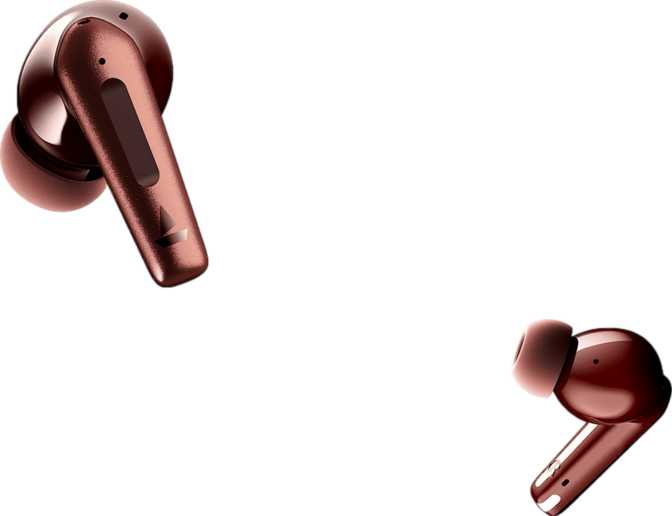
boAt Airdopes Prime 512 Full Review: Big Battery, Real Trade-Offs
Wireless EarbudsThe budget true wireless market is unforgiving. Most earbuds at this price ask you to accept real compromises — muddy sound, unreliable connections, or batteries that surrender early. The boAt Airdopes Prime 512 enters that fight with a competitive specification set and a few features most buyers will not expect at this price. But it is not without trade-offs. Here is everything you need to know before spending your money.
At a Glance
Overall Rating
4.0 / 5
Strong budget value
Total Battery
50h
Combined playback
Fast Charge
30 min
Full case recharge
Microphones
4
Noise-reducing array
Design and Build Quality
Fit, durability, and the physical experience
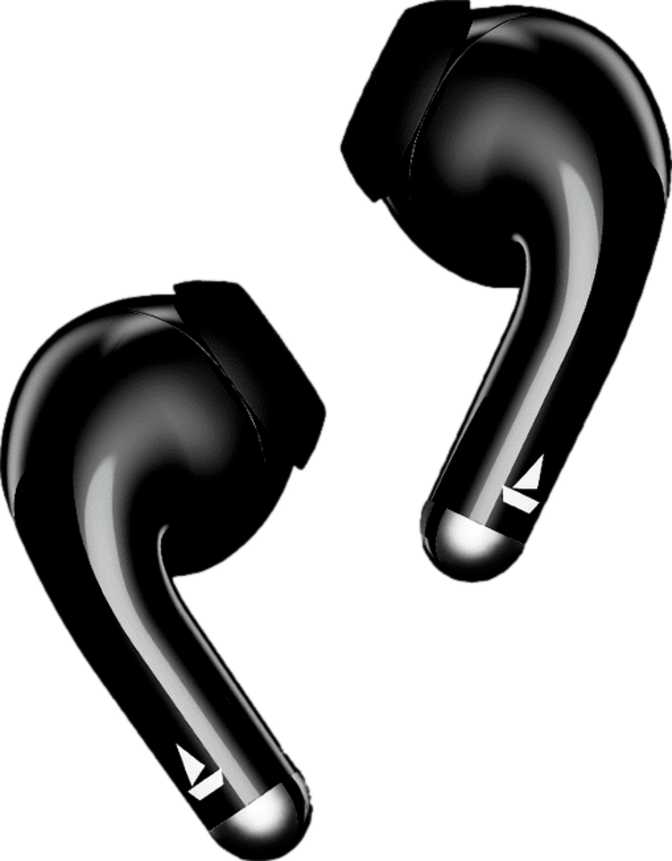
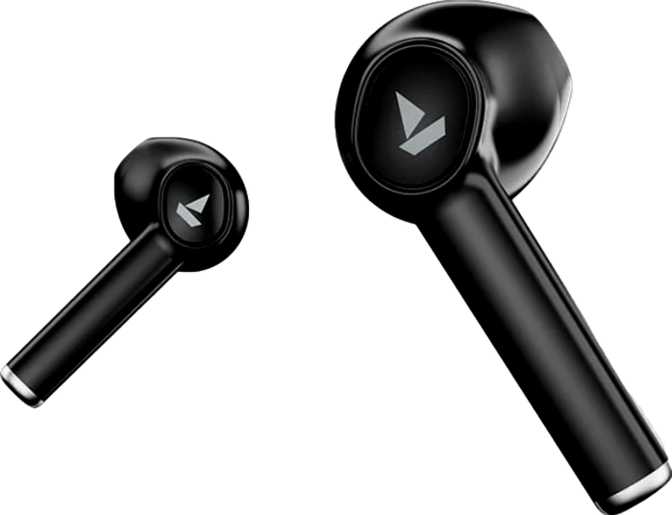
The Airdopes Prime 512 follows the in-ear, stem-free form factor that has become standard across this price category. The earbuds sit in the ear canal using silicone tips and maintain a low profile when worn — no decorative flair, no RGB lighting, no protruding stems. This is a utilitarian design built for people who want earbuds that perform, not earbuds that attract attention.
The carrying case is compact and pocket-friendly. A travel bag is included in the box — a thoughtful addition that most competitors skip at this price point, making these more practical for commuters and light travelers who want scratch protection in a bag.
No wingtips are included. Buyers with smaller ear canals who find standard silicone tips slipping during intense exercise may need to look into third-party ear fins, since there are no additional retention accessories in the box.
IPX4 Explained: IPX4 means these earbuds can handle directional splashes and gym sweat reliably. They are not submersible — do not rinse them under running water. For the intended use cases of daily commuting and workout sessions, IPX4 is exactly the right level of protection without adding unnecessary cost.
- Stem-free in-ear design
- IPX4 sweat and splash resistance
- Fully wireless — no cables at all
- Travel bag included in box
- Touch controls on each earbud
- No wingtips included
- No RGB or decorative lighting
Sound Quality
Driver performance, isolation, and codec realities
Editorial Performance Ratings
The 13mm Driver Advantage
Most earbuds at this price tier use 6mm–10mm drivers. The Prime 512 uses 13mm dynamic drivers — larger units that move significantly more air. The physical result is fuller low-end response and better handling of dynamic swings in music, which matters for bass-heavy genres and cinematic soundtracks.
The earbuds cover the complete range of human hearing from the deepest bass tones to the highest treble detail. This means the hardware is not artificially limiting the sound pipeline — the full audible spectrum is delivered without restriction.
Passive Isolation vs. ANC
There is no active noise cancellation on the Prime 512. It relies entirely on passive isolation — the physical seal created by the ear tips blocking ambient sound without any electronic assistance.
Passive isolation handles consistent, steady noise sources effectively: HVAC hum, engine drone on metro rides, and steady background office chatter. It does not adapt dynamically the way ANC does.
There is also no ambient sound or transparency mode. You cannot intentionally let environmental audio pass through, which matters for situational awareness when running outdoors.
Codec Reality Check
Audio transmits over standard Bluetooth without high-resolution codec support — no LDAC, aptX, or AAC. For streaming music at typical quality settings on most platforms, this makes no audible difference in everyday listening.
The limitation becomes noticeable when listening to lossless FLAC files specifically, or on Apple devices where AAC would otherwise provide improved transmission efficiency over the default SBC protocol. For podcasts, streaming playlists, and YouTube audio, codec support is a non-factor.
Battery Life and Charging
Why the power system is this product's strongest argument
What 50 Hours of Total Playback Actually Means
The earbuds deliver roughly 10 hours of continuous playback on a single charge — enough for a full working day of music without touching the case. The case itself carries enough reserve energy to recharge the earbuds four more times, bringing combined total playback to approximately 50 hours.
In practical terms: at 3–4 hours of daily listening, these earbuds could last 12–16 days between wall charges. For most commuters and office workers, that translates to going an entire working fortnight without thinking about a charger.
The category average at this price tier sits around 6–7 hours per earbud charge with 20–28 hours total case capacity. The Prime 512's 50-hour combined figure sits at the upper end of the segment — not by a small margin, but by a meaningful one.
Fast Charging Removes the Morning Rush Problem
The case recharges from empty to full in approximately 30 minutes via USB-C. A 10-minute top-up while getting ready can add 2–3 hours of playback — enough to cover most commutes even when you forgot to charge overnight.
USB-C is the right connector here. You are almost certainly already using the same cable for your smartphone, which means one fewer cable to carry or remember. Wireless charging is not supported, which matters to buyers who use Qi charging pads routinely, but is otherwise a minor omission at this price.
- Earbud playback10 hours
- Case top-ups4 full charges
- Combined total~50 hours
- Case recharge time~30 minutes
- Charging portUSB-C
- Wireless chargingNot supported
Prime 512 vs. Category Average
50h
Prime 512
25h
Category avg.
Connectivity
Bluetooth 6.1 and dual-device pairing
What Bluetooth 6.1 Delivers Day-to-Day
Bluetooth 6.1 is a newer specification than the Bluetooth 5.3 found in most earbuds at this price. The practical advantages include lower power consumption, more stable connections in congested wireless environments like busy offices and public transit, and faster reconnection times when you put the earbuds back in after removing them.
Wireless range of approximately 10 meters is adequate for all standard use cases — phone in your pocket, on your desk, or in an adjacent room without a wall directly between them. This matches category norms and performs as expected.
There is no NFC pairing and no fast-pair technology. Initial pairing uses the standard Bluetooth handshake: open the case near your phone, select the device in Bluetooth settings. It is a one-time process most users complete in under a minute.
Multipoint: Two Devices at Once
The Prime 512 supports simultaneous connection to two devices. In practice, your phone and laptop can both stay connected at the same time, and the earbuds automatically route audio to whichever device is active.
When a call arrives on your phone while you are listening to audio from your laptop, the earbuds switch without manual disconnection or re-pairing. For professionals who split daily use between a work computer and a personal phone, this removes a real daily friction point — and it is a feature that many earbuds at this price point simply do not offer.
- Bluetooth Version6.1
- Wireless Range~10 meters
- Multipoint Devices2 simultaneously
- NFC PairingNot supported
- High-Res Audio CodecNot supported (SBC)
Microphone and Call Quality
Four microphones for noticeably cleaner voice pickup
A four-microphone configuration typically appears in earbuds at significantly higher price points. The Prime 512 uses two microphones in each earbud, enabling beamforming — a technique where the mics work together to isolate your voice direction and reduce surrounding ambient noise from the signal sent to the other caller.
In real-world call conditions — on a street, in a café, or at a gym — this translates to noticeably cleaner voice delivery compared to single-mic earbuds. The noise filtering applies to your outgoing voice signal only and is independent of ANC, which is not present on this model.
A dedicated mute function is accessible from the touch controls on the earbud itself. During video calls, this means silencing your microphone without reaching for your keyboard or trackpad — a practical quality-of-life feature that frequent call takers will use daily.
Voice prompts confirm connection status, battery levels, and incoming calls audibly, so the earbuds communicate their state clearly without requiring you to check your phone screen.
- 4-mic beamforming array
- Dedicated on-earbud mute control
- Voice prompts for status feedback
- Full headset functionality
Who Should Buy the boAt Airdopes Prime 512
The right match — and the wrong one
- You commute daily and want all-day battery without carrying a spare charger
- You use an Android phone and regularly switch audio between your phone and laptop
- You work out at the gym and need earbuds that handle sweat without concern
- You take frequent calls and need cleaner voice delivery than a single-mic earbud provides
- You are upgrading from wired earphones or an aging first-generation TWS product
- You need active noise cancellation for flights or persistently loud work environments
- You are an Apple user who relies on AAC codec for optimal iPhone audio transmission
- You stream hi-res lossless audio and care about the codec delivery chain
- You run at high intensity outdoors and require a guaranteed secure fit with wingtips
- You regularly misplace earbuds and need a find-my-device feature to locate them
How It Compares to the Competition
boAt Airdopes Prime 512 vs. typical alternatives at this price tier
| Feature | boAt Airdopes Prime 512 | Typical Competitor at This Price |
|---|---|---|
| Driver Size | 13mm | 6mm – 10mm |
| Total Battery Life | ~50 hours combined | ~25–30 hours combined |
| Case Recharge Time | ~30 minutes (fast charge) | 1.5 – 2 hours typical |
| Bluetooth Version | 6.1 | 5.3 |
| Multipoint Connection | Yes — 2 devices | Often absent |
| Active Noise Cancellation | Not available | Occasionally (poor quality) |
| Microphone Count | 4 mics | 1 – 2 mics |
| Charging Port | USB-C | Sometimes Micro-USB at this tier |
| Travel Bag Included | Yes | Rarely included |
On budget ANC: Competitors that do include ANC at this price tier typically implement it with enough residual noise floor hiss to undermine the feature. The Prime 512's honest absence of ANC is arguably a more transparent product decision than shipping a version of the technology that performs poorly in practice.
Honest Strengths and Weaknesses
Where it earns its price — and where it genuinely falls short
What It Gets Right
The battery system is the Prime 512's defining advantage. Fifty combined hours with a half-hour case recharge separates it from most earbuds in this price bracket by a meaningful margin — not a minor spec difference, but roughly double what the category average delivers.
Bluetooth 6.1 provides a more stable daily connection experience than the older 5.3 specification found across most competing earbuds — lower energy draw, faster reconnection, and better handling of crowded wireless environments.
The four-microphone array is a genuine quality differentiator for call users, not a marketing checkbox. Call clarity from the Prime 512 should outperform most single-mic alternatives in real-world noisy conditions.
Multipoint pairing at this price removes a real daily friction for anyone who splits listening across a phone and a computer. It is a feature that typically commands a premium elsewhere.
Where It Falls Short
The absence of active noise cancellation is a real limitation in genuinely loud environments. Passive isolation handles background hum and office noise adequately, but it will not replicate what even a mediocre ANC implementation achieves inside an aircraft cabin or a loud construction-adjacent workspace.
Codec support ceilings the audio quality for anyone streaming in high resolution or using Apple devices. The default SBC transmission protocol is functional, but it is the lowest rung of the audio quality ladder in the current Bluetooth ecosystem.
There is no find-my-earbuds feature — a convenience that is now standard on many competing products and one that users regularly discover they miss after purchase.
boAt's quality control has historically shown batch-to-batch variability. The 1-year warranty provides a safety net, but purchasing from a retailer with a clear return window is a sensible precaution.
Common Pre-Purchase Questions Answered
What real buyers search for before purchasing